




Papua New Guinea Itinerary: A 7-Day Adventure for First-Time Visitors
My first week in Papua New Guinea felt like stepping onto a living map. The air smelled of rain‑soaked earth, the streets hummed with motorbikes, and every corner promised a story you could only hear if you listened closely.
Day 1, Port Moresby Arrival and City Pulse
We landed at Jacksons International Airport in the late afternoon, a humid rush of heat that hit us before the air‑conditioned taxi could even start. A local driver named Joni greeted us with a wide smile, his old Toyota Corolla packed with spare tires and a cooler of cold soda.
Port Moresby’s downtown is a mix of glass office towers and low‑rise wooden shacks, a contrast that feels oddly comfortable. I spent the evening at the National Museum, where a guide showed us a 200‑year‑old bilma drum and explained its role in tribal celebrations.
Dinner was at a modest seafood joint on Ela Street; the price list was in kina, and a plate of grilled snapper with lime‑pepper sauce cost 15 Kina (about US$4). The fish was fresh, the side of sautéed cassava leaves added a bitter edge that balanced the sweet sauce.
We stayed at a budget hotel in the Hanuabada district; the room had a fan, a mosquito net, and a small balcony overlooking a busy market. The nightly charge was 45 Kina, and the staff handed us a simple map with “must‑see” stickers.
- Airport taxi: 30 Kina (≈US$8) for a 20‑minute ride to the city centre.
- Budget hotel: 45 Kina per night, includes breakfast of toast and fruit.
- National Museum entry: 10 Kina (≈US$2.5).
- Cash: Carry small notes; many places don’t accept cards.
Day 2, Walking the Kokoda Track (First Two Days)
Early morning we caught a 7 am bus to Kokoda, a 3‑hour drive on a winding road that offered glimpses of jungle canopies and distant villages. The bus driver warned us about “sudden rain,” and true to form, a light drizzle began just as we arrived.
Our trek guide, a former soldier named Laki, met us at the trailhead with a sturdy walking stick and a satchel of water bottles. He explained that the first two days cover about 12 km, a gentle introduction before the steep climbs begin.
We hiked through dense rainforest, the air thick with the scent of wet leaves and distant bird calls. At the first bivouac site, we set up tarps, boiled water over a small gas stove, and shared a simple meal of instant noodles and dried mango.
Nightfall brought a chorus of cicadas; the guide handed each of us a mosquito net and a flashlight with extra batteries. Sleeping on a foam pad on the forest floor felt surprisingly comfortable after a day of steady walking.
- Bus to Kokoda: 25 Kina per person, seats fill up quickly.
- Guided trek cost: 150 Kina per day, includes guide, meals, and basic gear.
- Water: Carry at least 2 liters per person; refill at streams when safe.
- Footwear: Sturdy hiking boots with good ankle support are essential.
Day 3, Rabaul Volcano Exploration
We flew from Port Moresby to Rabaul on a domestic carrier; the flight lasted 45 minutes and the ticket cost about 120 Kina (≈US$32). The plane landed on a short runway surrounded by volcanic ash, a reminder that the town sits in a massive caldera.
Rabaul’s main attraction is the Tavurvur volcano, which erupted as recently as 1994. We joined a small group led by a geologist who explained how to read the crater’s steam vents and the risk of sudden ash clouds.
The hike to the crater rim took an hour, with steep steps cut into black rock. At the top, a panoramic view revealed the town’s colonial buildings, the sparkling Simpson Harbour, and a sea of clouds rolling over the surrounding peaks.
After descending, we visited the Rabaul Museum, where a display of WWII artifacts reminded us of the island’s turbulent past. Dinner was at a beachfront cafe; a plate of grilled lobster with garlic butter cost 30 Kina, and the view of the sunset over the water was priceless.
- Domestic flight: 120 Kina one‑way, book at least two weeks ahead.
- Volcano hike fee: 15 Kina, includes guide and safety equipment.
- Accommodation: Guesthouses range from 35 Kina to 80 Kina per night.
- Food tip: Try the local “kaukau” (sweet potato) mash, usually free with meals.
Day 4, Madang Coast and Marine Life
From Rabaul we took a short ferry to Madang, a scenic 30‑minute ride across the calm sea. The ferry cost 10 Kina per person, and the crew offered fresh coconut water as we slipped past mangrove islands.
Madang’s shoreline is lined with colorful coral reefs, and we booked a half‑day snorkeling tour with a local operator named “Sea Breeze.” The guide handed us snorkel gear, a reef‑safe sunscreen, and a brief safety talk before we pushed off.
Underwater, schools of yellowtail fusiliers swam around a massive brain coral, while a shy turtle glided past a sea‑grass meadow. The guide pointed out a small clownfish perched on an anemone, a perfect photo moment.
Back on land, we explored Madang’s old German colonial precinct, where wooden houses with wide verandas gave a sense of quiet history. Dinner at a family‑run restaurant featured a stew of taro leaves and smoked pork, priced at 12 Kina.
- Ferry to Madang: 10 Kina, runs twice daily, bring cash for tickets.
- Snorkel tour: 40 Kina per person, includes gear and a light lunch.
- Accommodation: Beach bungalows start at 55 Kina per night.
- What to bring: Waterproof bag for electronics, reef‑safe sunscreen, and a reusable water bottle.
Day 5, Tari and the Highlands Culture
We caught an early flight to Tari, a small town perched at 2,150 metres in the highlands; the ticket was 150 Kina. The air was crisp, a noticeable drop from the coastal humidity, and the road to the town wound through cloud‑covered valleys.
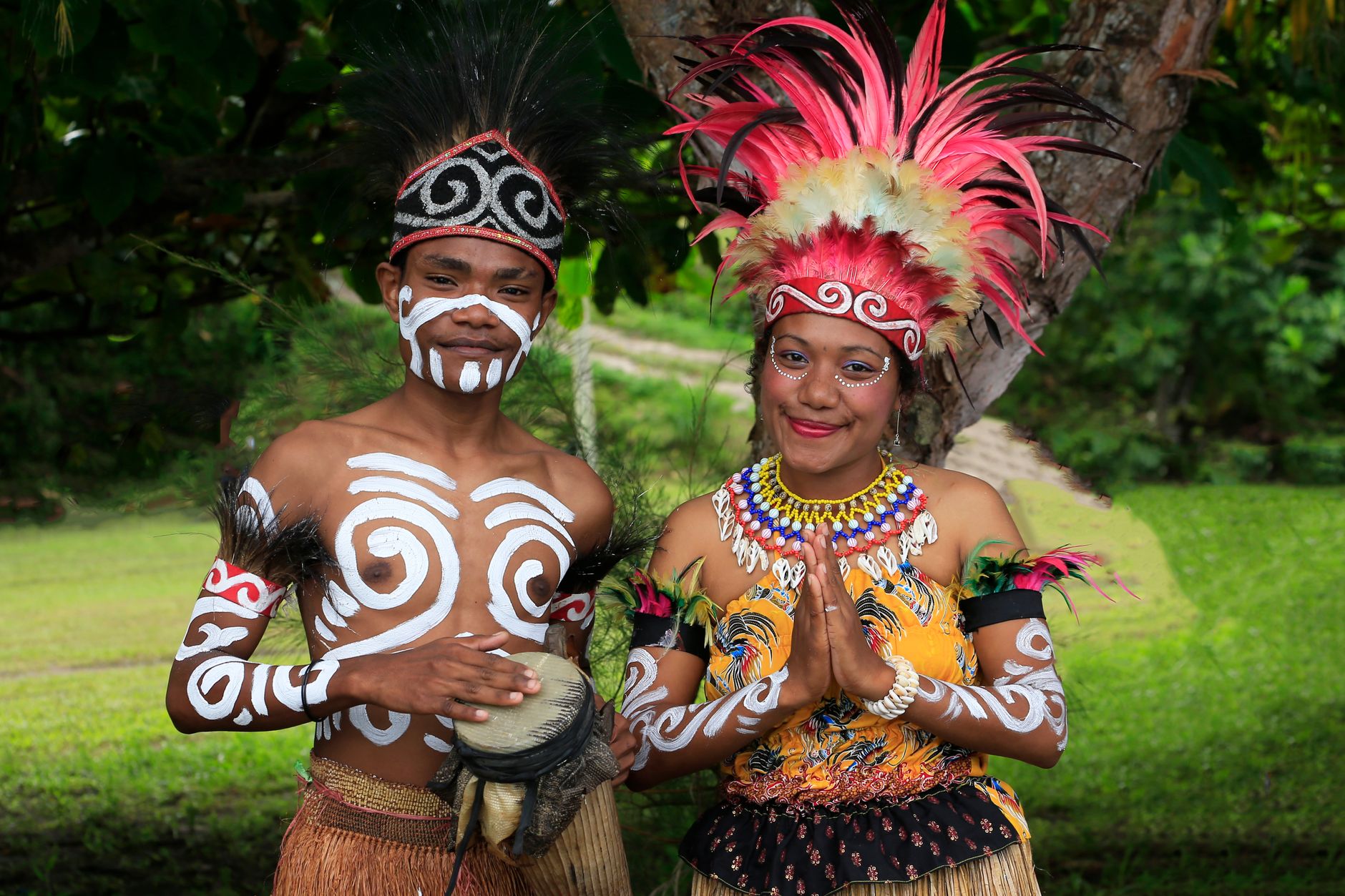
Tari is famous for its sing‑sing ceremony, where men paint their faces with bright red ochre and women wear elaborate feathered headdresses. We arrived just before the ceremony began, and the village chief invited us to watch from a low wooden platform.
The performance lasted about an hour; drums thumped, and dancers moved in synchronized steps that seemed to echo ancient stories. Afterward, a few villagers offered us fresh bananas and a cup of hot “sago” porridge, a simple but warming treat.
We stayed overnight in a community guesthouse run by a local family; the room was a bamboo structure with a mosquito net and a shared bathroom. The cost was 30 Kina per person, and the hosts shared stories of the region’s coffee farms.
- Flight to Tari: 150 Kina, book at least a week ahead.
- Sing‑sing timing: Check local calendars; ceremonies often happen on Saturdays.
- Guesthouse fee: 30 Kina per night, includes a simple breakfast.
- Clothing tip: Pack a warm jacket; evenings can drop below 10 °C.
Day 6, Sepik River Adventure and Return to Port Moresby
Our final full day began with a chartered flight to Wewak, the gateway to the Sepik River; the ticket cost 180 Kina. From there we boarded a motorized dugout canoe, known locally as a “lak,” for a two‑hour journey upriver.
The river is a living museum of wooden carvings; each village displays totem poles that tell stories of ancestors and spirits. Our guide, a man named Mak, pointed out a towering spirit house that stood on a raised platform, its bark painted in red and white.
We stopped at a riverside village for lunch: grilled fish wrapped in banana leaves, served with a side of boiled pumpkin. The whole meal cost 8 Kina, and the host offered us a small hand‑carved mask as a thank‑you gift.
In the late afternoon we flew back to Port Moresby, arriving just before sunset. The city lights reflected on the harbor, and we spent our last night at the same budget hotel, reflecting on the week’s whirlwind of experiences.
- Flight to Wewak: 180 Kina, includes