

Nestled in the Western Pacific Ocean, Saipan is the largest island in the Commonwealth of the Northern Mariana Islands (CNMI), offering visitors a unique blend of pristine tropical beauty, historical significance, and multicultural charm. This U.S. commonwealth territory presents an accessible yet exotic destination where American convenience meets Pacific island serenity.
Ancient & Colonial History
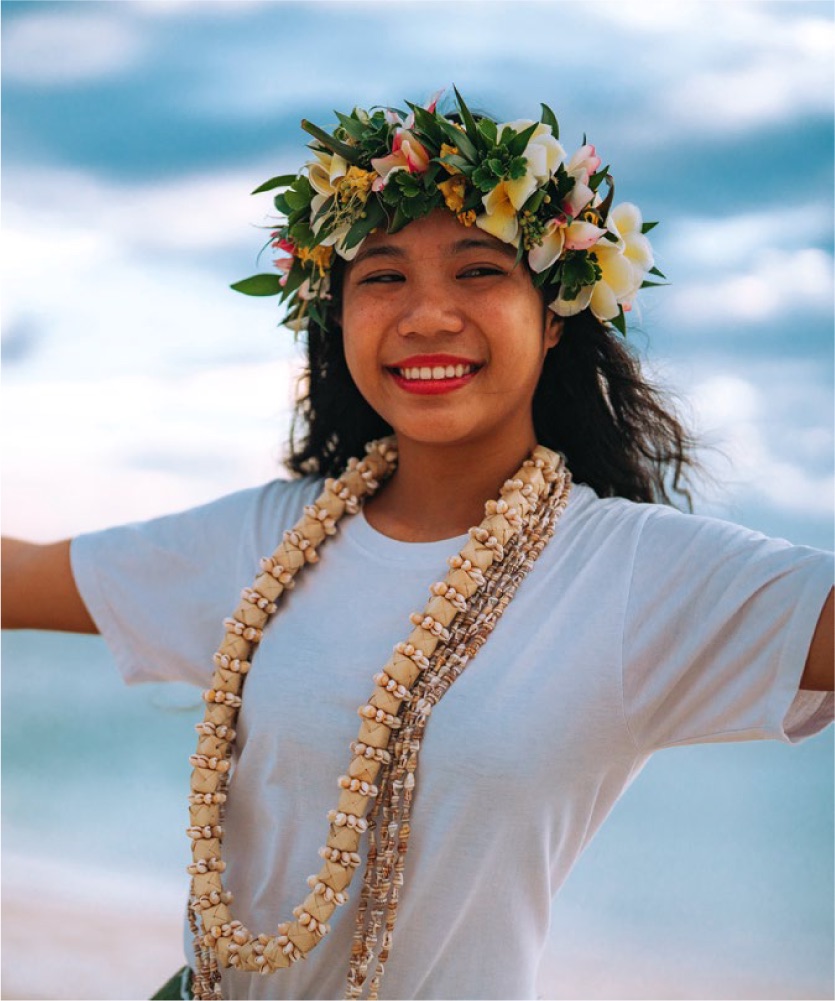
Saipan’s human story began approximately 4,000 years ago when seafaring Austronesian peoples from Island Southeast Asia arrived in outrigger canoes, establishing what would become the Chamorro civilization. These indigenous inhabitants developed a sophisticated culture marked by impressive latte stone pillars — megalithic structures featuring hemispherical capstones that remain iconic symbols of the island today. The arrival of Ferdinand Magellan’s Spanish galleons in 1521 marked the first contact between Europeans and Pacific islanders, initiating centuries of Spanish colonial rule. The Spanish period tragically decimated the Chamorro population through disease and conflict, with numbers plummeting from an estimated 50,000-100,000 in the early 17th century to fewer than 1,000 by 1820.
Pivotal Battle of World War II
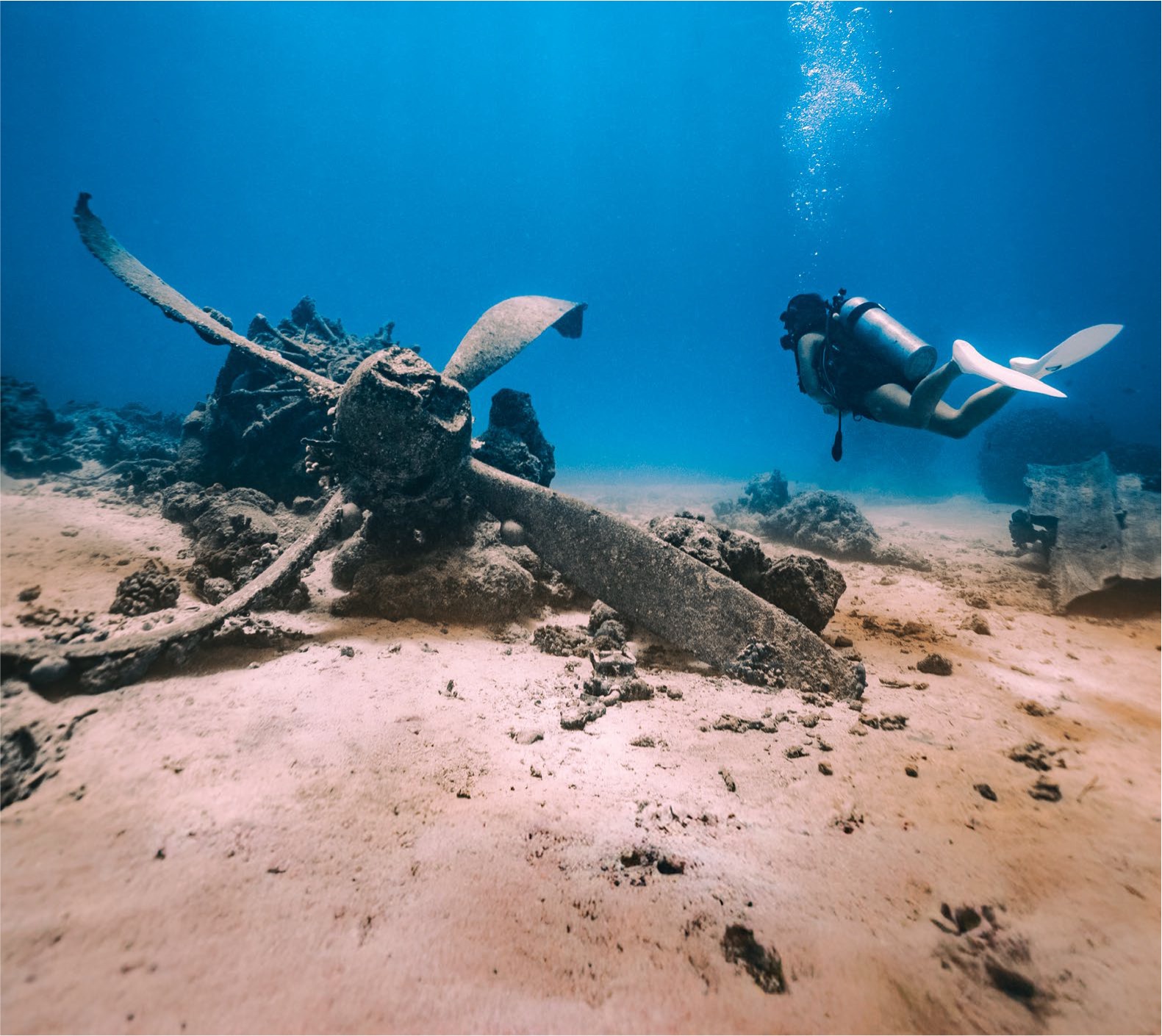
The Battle of Saipan (June 15 – July 9, 1944) represents one of the Pacific War’s most significant and harrowing campaigns. More than 71,000 American troops invaded the island, facing fierce resistance from 32,000 Japanese defenders. The 24-day battle claimed over 46,000 military casualties and at least 8,000 civilian deaths. The island’s northern cliffs witnessed unspeakable tragedy as thousands of Japanese soldiers and civilians chose death over surrender — jumping from locations now known as Suicide Cliff and Banzai Cliff. Today, visitors can explore numerous WWII memorials, battle-scarred Japanese military fortifications, and the Last Japanese Command Post, ensuring this history remains vividly preserved.
US Political Union
In 1975, the Northern Marianas entered into a covenant with the United States, establishing a self-governing commonwealth. This unique political arrangement, approved in 1978 and fully implemented in 1986, grants CNMI residents U.S. citizenship while maintaining local governance autonomy in certain areas including taxation and immigration.
VISA Requirements & Getting There
For U.S. citizens, visiting Saipan requires only a valid passport — no visa needed. International travelers from countries including Australia, Japan, South Korea, Taiwan, and several others can enter visa-free under the Guam-CNMI Visa Waiver Program for stays up to 45 days. Chinese citizens can apply for the G-CNMI ETA online prior to travel. Saipan International Airport (SPN) serves as the main gateway, with direct flights from Seoul, Tokyo, and connections through Guam, plus routes from major U.S. cities. The airport is approximately 10 kilometres from the main city of Garapan, with taxi transfers taking 12-18 minutes.
Natural Attractions & Activities
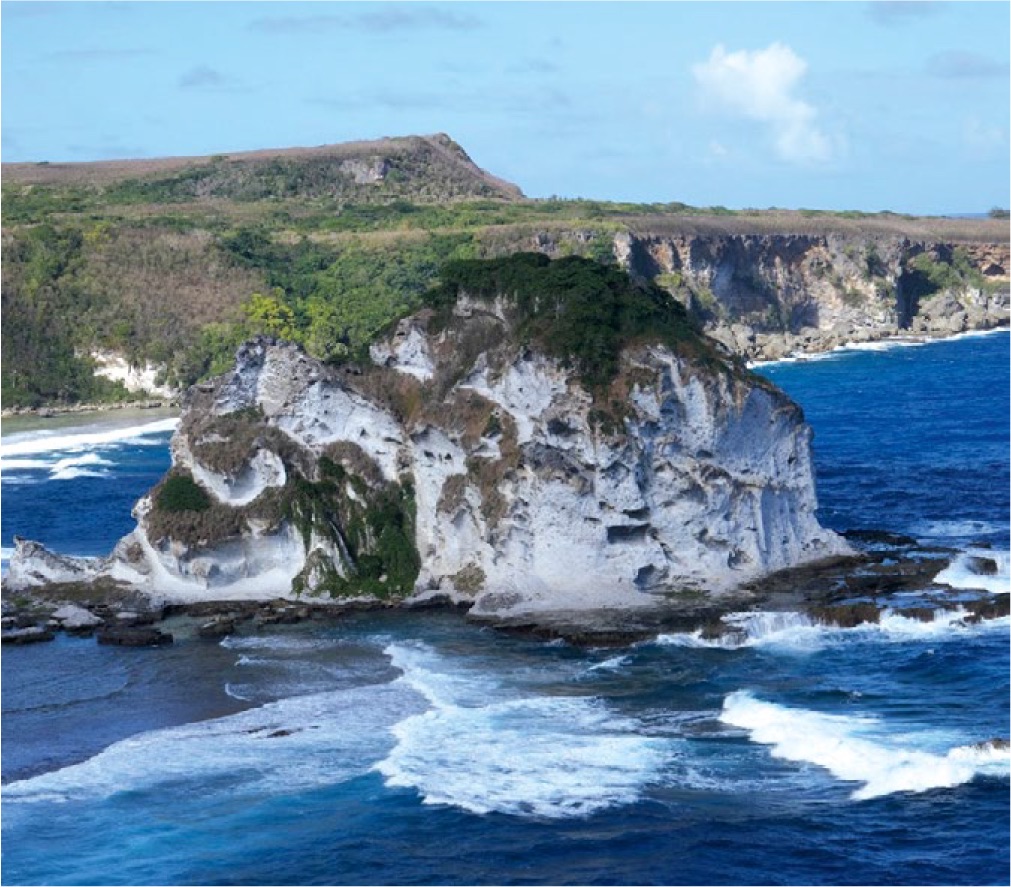
Saipan’s spectacular natural beauty centres on world-class diving and pristine beaches. The Grotto, ranked among the world’s top diving sites, features an underwater limestone cavern with three tunnels opening to the ocean, bathing divers in ethereal blue light. Managaha Island, a small paradise offshore from Garapan, offers perfect white sand beaches and crystal-clear waters. Lau Lau Beach provides easy shore diving with diverse marine life including sea turtles, rays, and vibrant coral reefs. Adventure seekers can hike to Forbidden Island’s hidden tide pools and caves, while Bird Island offers postcard-perfect photo opportunities.
Climate Considerations
Saipan enjoys warm tropical weather year-round, with temperatures ranging from 75-87°F (24-31°C). The dry season from December to June provides ideal conditions, while July through October brings heavier rainfall and occasional typhoons. Sea temperatures remain pleasant at 79-86°F throughout the year, perfect for water activities.
Culinary Delights
Chamorro cuisine showcases the island’s cultural fusion with signature dishes such as kelaguen — chicken, beef, or seafood marinated in lemon juice and fresh coconut. The local food scene also reflects strong Japanese, Korean, and Filipino influences.
Beaches and diving are the primary draws of Saipan, that are complemented by excellent restaurants, hotels, nightspots, shopping, monuments and golf. Saipan balances its tragic wartime legacy with natural splendor and vibrant culture, offering travelers an unforgettable Pacific experience.