

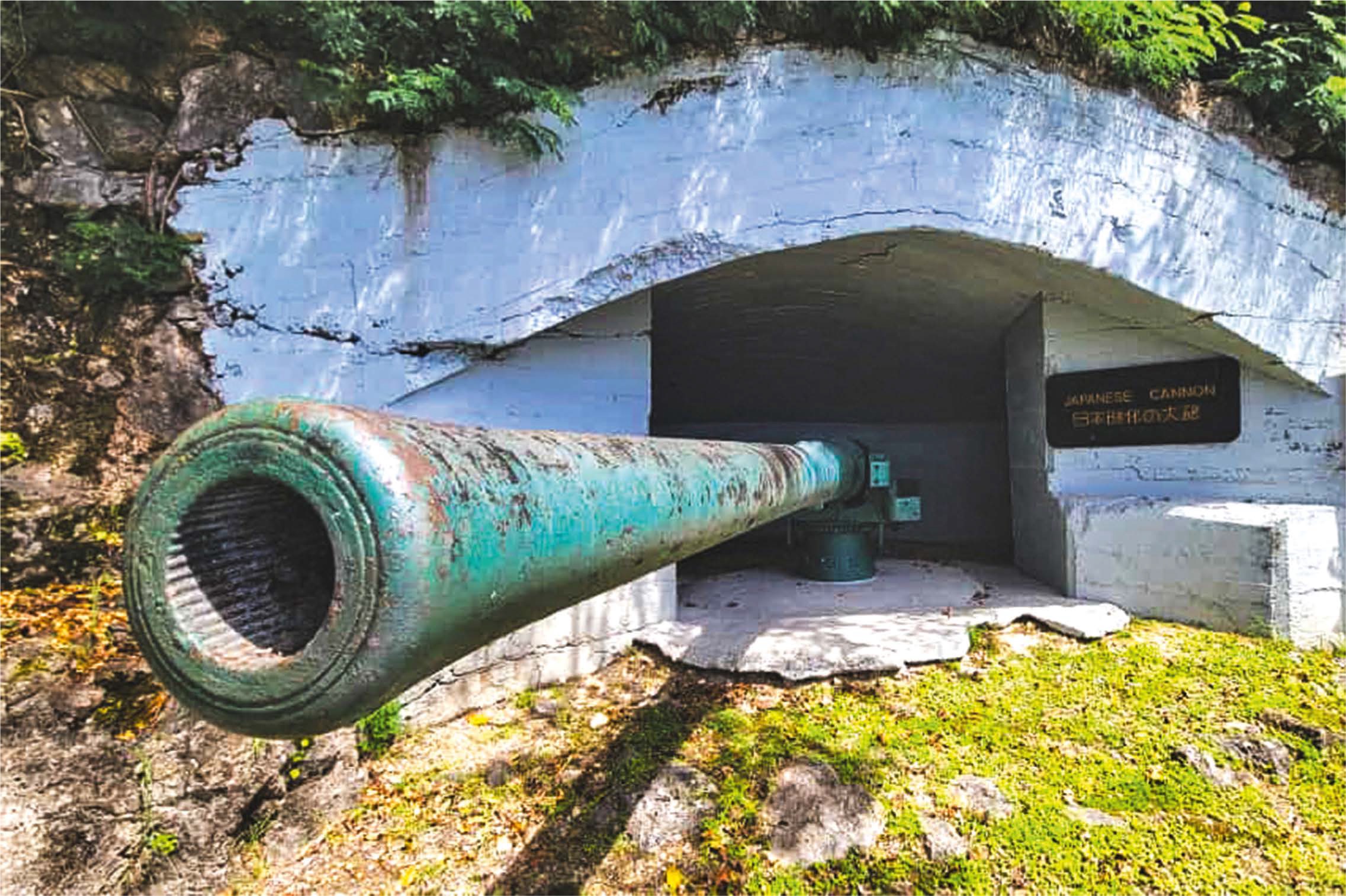
High above the cliffs of Rota, the Japanese Canon Overlook is a place where time seems to stand still. The journey there is part of the charm. A winding road that disappears beneath a lush green canopy, where sunlight filters through the leaves and the air is thick with the scent of rain-soaked earth and wild orchids. It’s the kind of drive that makes you slow down, roll down the windows, and let the island’s serenity sink in.
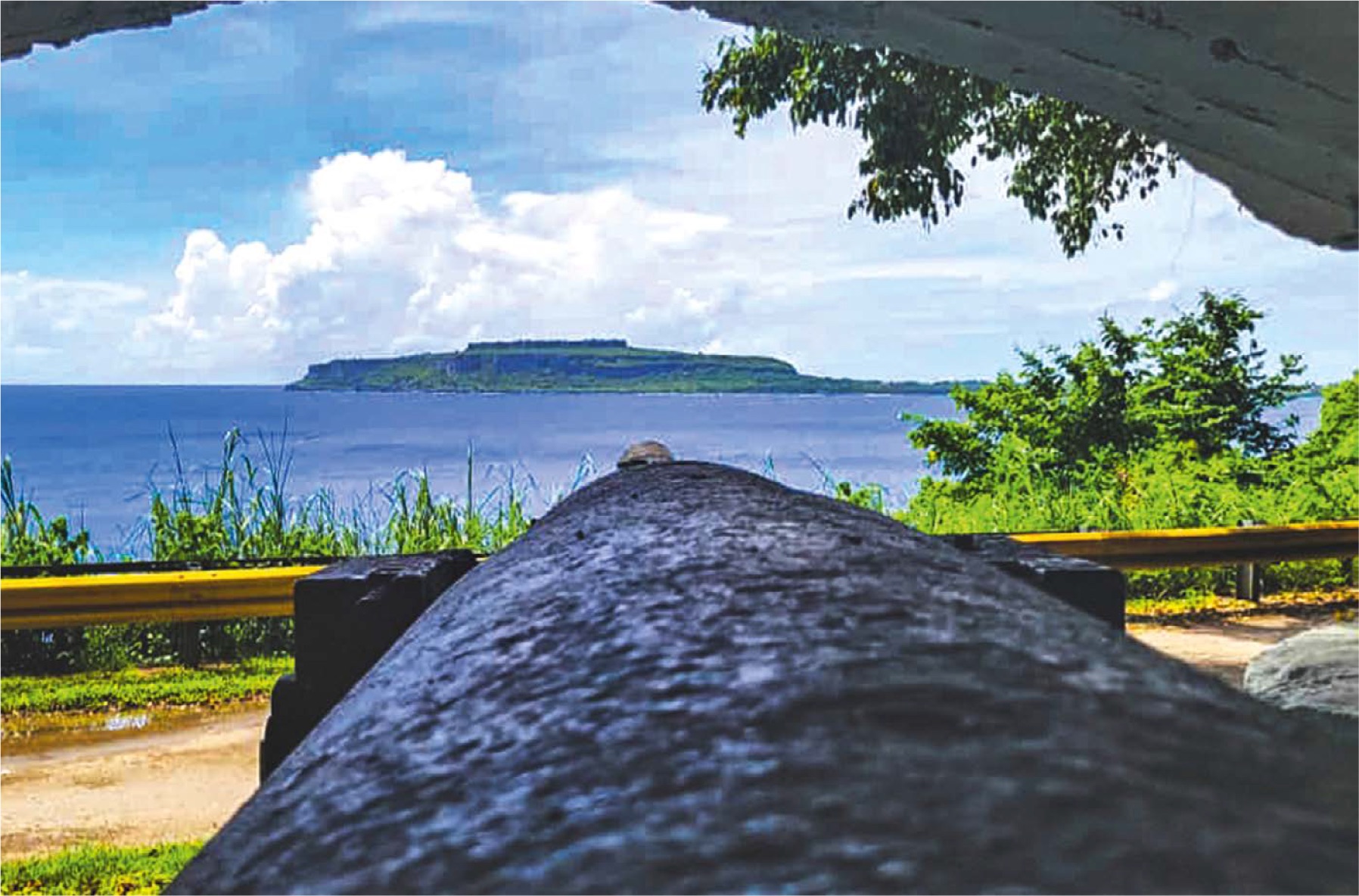
When the forest finally opens up, the view takes your breath away. Before you lies an endless stretch of the Pacific, its deep blues merging seamlessly with the sky. On clear days, you can even make out the faint silhouette of Guam on the horizon.
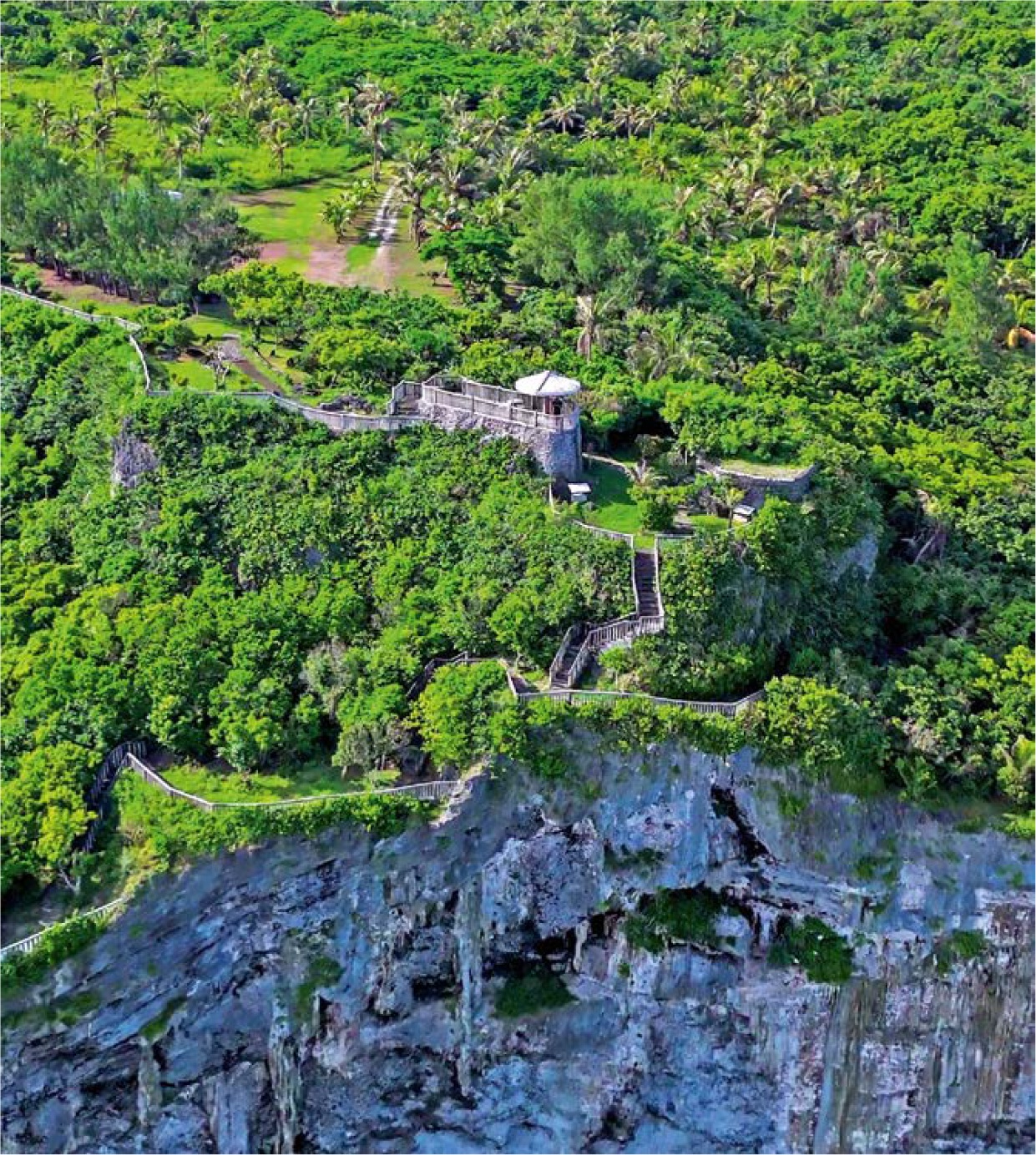
But what makes this overlook truly special is the silent sentinel that stands watch, a Japanese coastal defence cannon left behind from World War II. Once positioned here to guard against approaching Allied forces, the cannon never saw combat.
Now, rusted and weathered, it rests peacefully against a backdrop of sea and sky, a quiet reminder of Rota’s layered past. Standing at the edge, with the ocean breeze brushing your face and the waves crashing below, you can’t help but feel the weight of history mingling with the island’s unshakable calm.
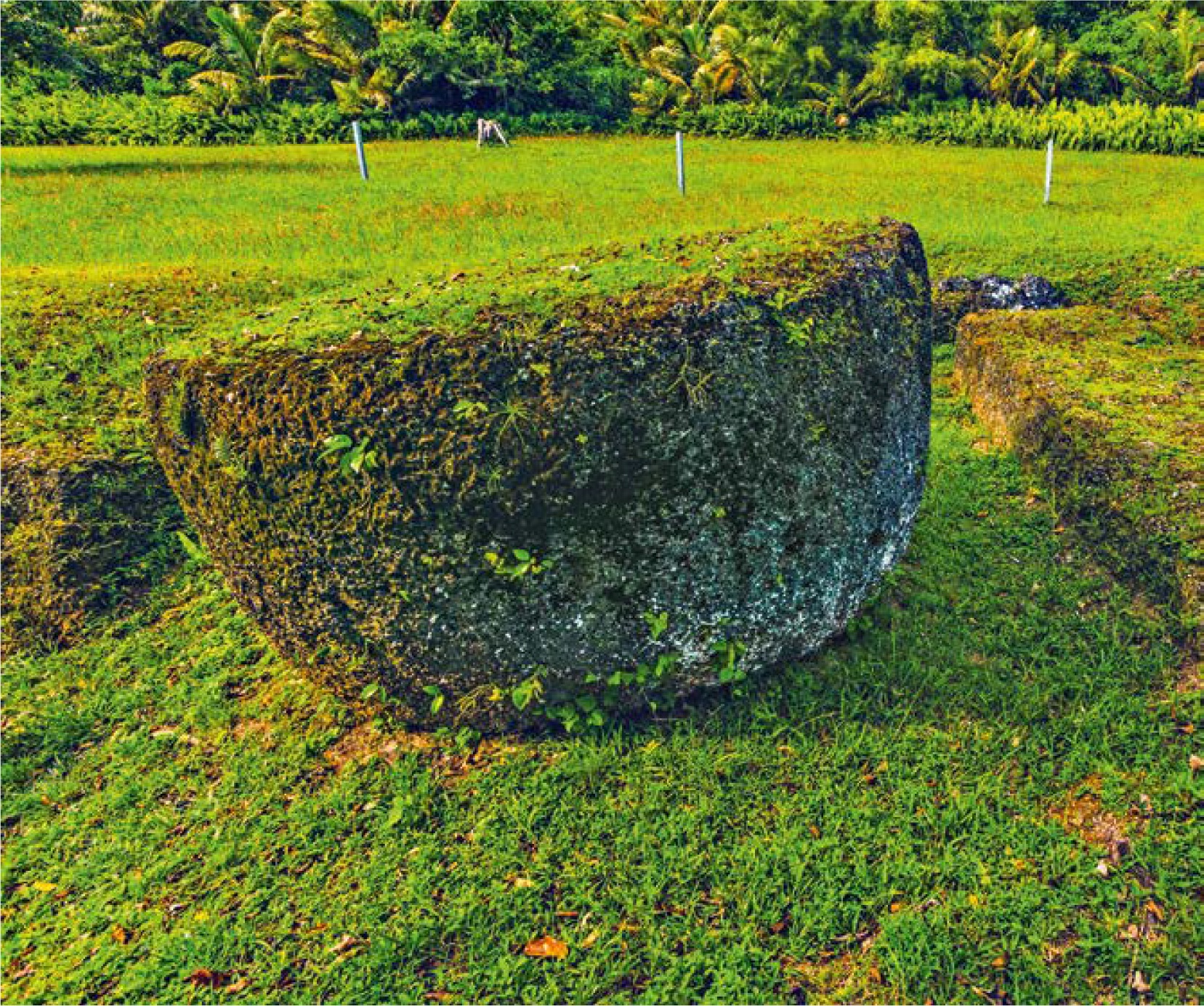
Hidden beyond the familiar sights, the latte stone quarry reveals the island’s true legacy—a place where culture and history are carved in stone. Among
its treasures lies a colossal latte stone that, if ever erected, would have stood as the tallest in the Northern Mariana Islands—a testament to the remarkable craftsmanship and enduring spirit of the ancient Chamorros. Massive stone pillars that once held up their homes, temples, and meeting places. These stones, known as latte, are more than architectural feats—they are symbols of identity, resilience, and connection to the land.
As you walk through the quarry, you’re not just exploring a historic site—you’re stepping into the living past. Unfinished stones lie where they were abandoned centuries ago, still bearing the chisel marks of the ancestors. The air feels still, almost sacred, as if the land remembers.
For travellers seeking more than just sightseeing, a visit to the latte stone quarry offers a rare, authentic encounter with Rota’s rich heritage. It’s a journey into the roots of island life—where every stone tells a story, and every step brings you closer to the spirit of the Chamorro people.
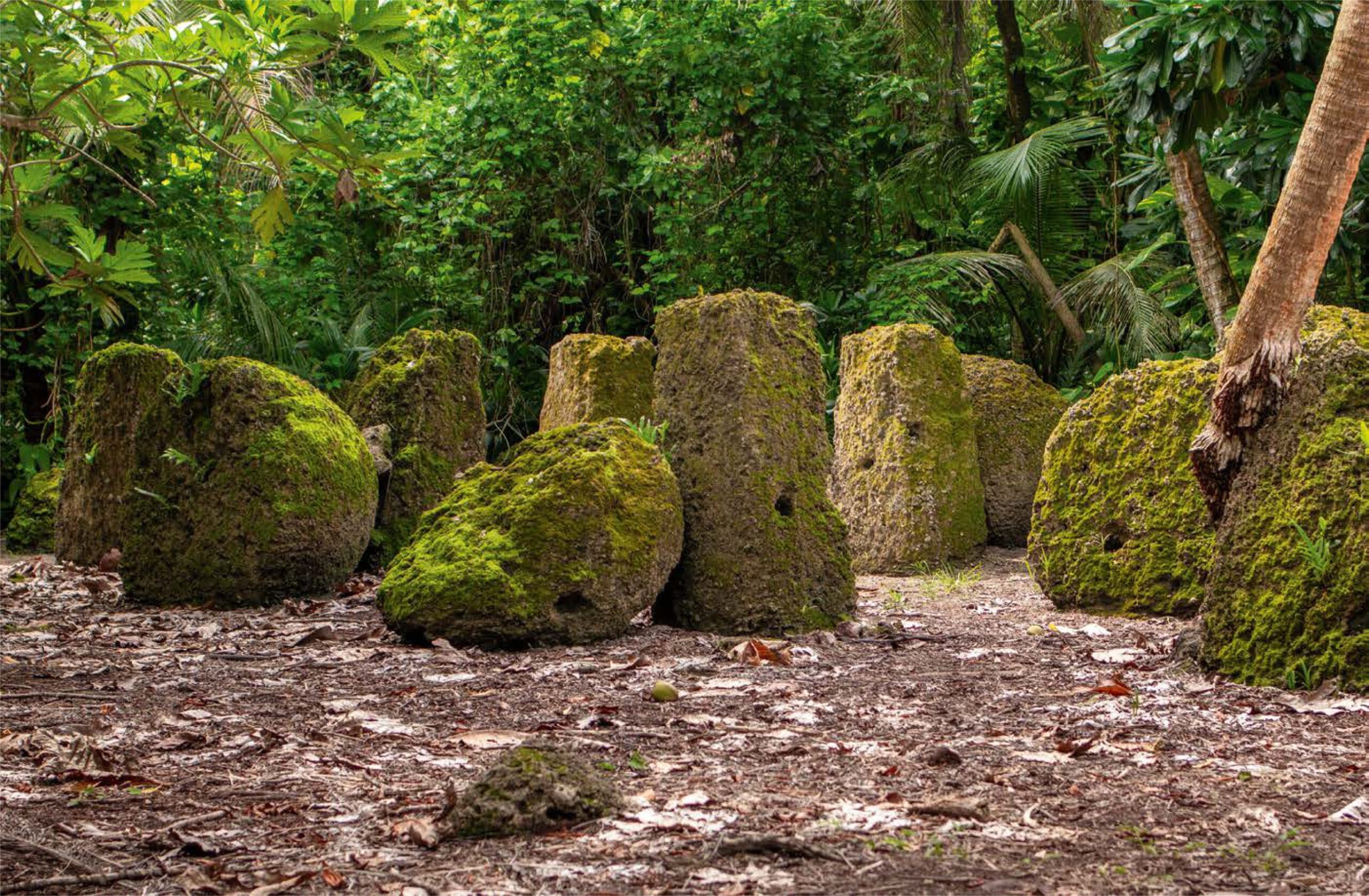
Tucked along the quiet northern coast of Rota, just a breath away from the shoreline, lies the Ancient Mochong Latte Village—a place where time lingers and the past speaks softly through stone. As you walk among the towering latte stones, some still standing tall while others rest where centuries have placed them, there’s an unmistakable sense of reverence in the air. These stone pillars, once the foundation of Chamorro homes, echo with stories of a people who lived in harmony with the land and sea. The site is one of the most intact and extensive latte villages in the Mariana Islands, offering a rare and tangible connection to the island’s pre-colonial history.
Surrounded by whispering coastal trees and the distant hum of ocean waves, the village invites quiet reflection. The earth beneath your feet holds the footprints of ancestors, and the tropical breeze seems to carry their songs. Wandering through Mochong, you don’t just see history—you feel it. It’s in the worn surfaces of the stones, the layout of ancient dwellings, and the spirit of resilience that still lingers. Visiting this sacred site is less about sightseeing and more about stepping into a living memory—one that honours the enduring legacy of Rota’s first people.
Step into nature at the Rota Bird Sanctuary, one of the island’s most peaceful and captivating spots. Here, rare island birds like the Marianas Crow, Fruit Dove, and Ko’ko’ bird thrive in their natural home, endangered species you can’t really find anywhere else in the world. As evening falls, you’ll be able to see all kinds birds including the Marianas Fruit Bat fly around, adding a touch of magic to the island sky.
It’s the kind of place that can “make you feel like you’re in a National Geographic,” peaceful, untouched, and alive with colour and sound. Whether you come to birdwatch, take photos, or simply breathe in the calm fresh air, the sanctuary is a reminder of why Rota is known as the peaceful and beautiful island.
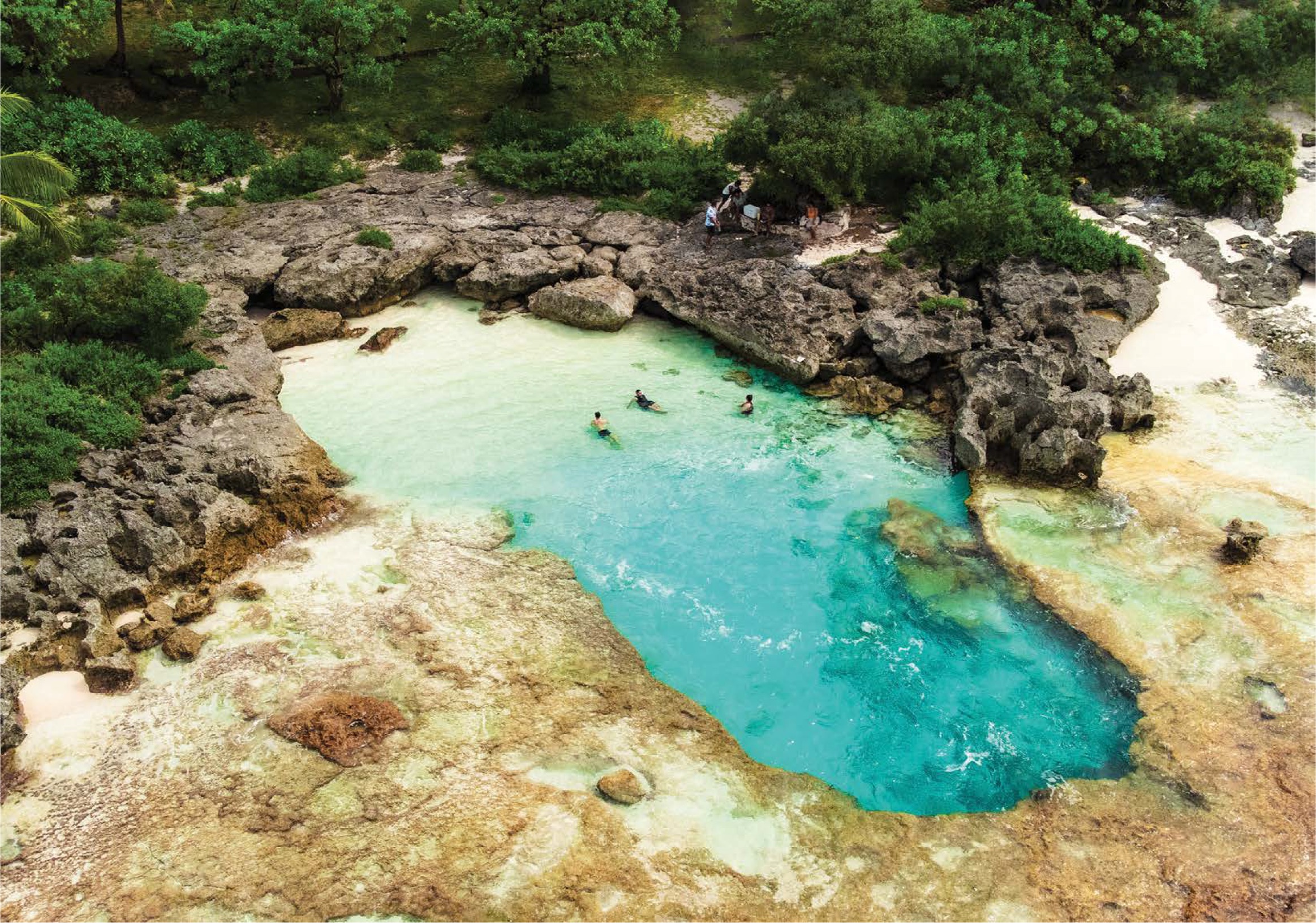
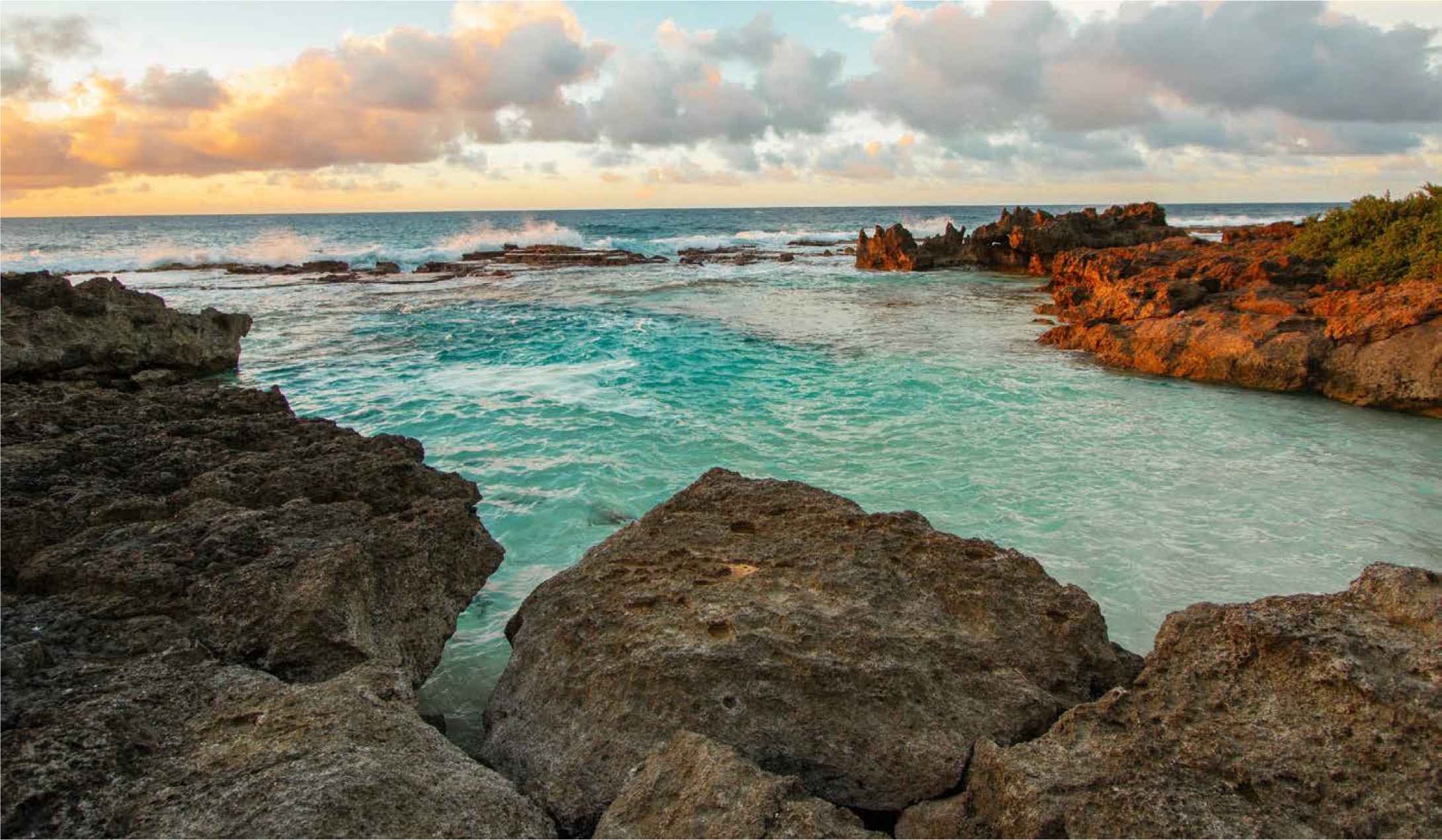
Hidden along the rocky coast of Rota, the Rota Swimming Hole is a hidden gem revered by both locals and visitors for its breathtaking natural beauty and refreshing waters. This serene oasis is not your typical beach or man-made pool—it’s a naturally formed swimming hole sculpted by volcanic rock and fed by a unique blend of ocean water and freshwater that filters through the porous limestone. The result is an inviting, crystal-clear pool that stays remarkably cool and clean, offering swimmers a one-of-a-kind experience. Surrounded by dramatic rock formations and the vibrant hues of tropical foliage, the setting is as picturesque as it is tranquil.
What makes the Rota Swimming Hole truly special is the way it blends the power of nature with a sense of calm. The ocean tides gently refresh the pool with each wave, while freshwater trickling in from inland sources creates a purifying effect, making the water feel softer and less salty than the surrounding sea. It’s a favourite spot for swimming, snorkelling, and simply relaxing under the island sun.
The natural rock formations act like protective walls, sheltering swimmers from rough surf while still maintaining a close connection to the ocean. Whether you’re looking to cool off after exploring Rota’s scenic trails or seeking a quiet place to float and take in the view, the Rota Swimming Hole delivers an unforgettable escape into nature’s design.
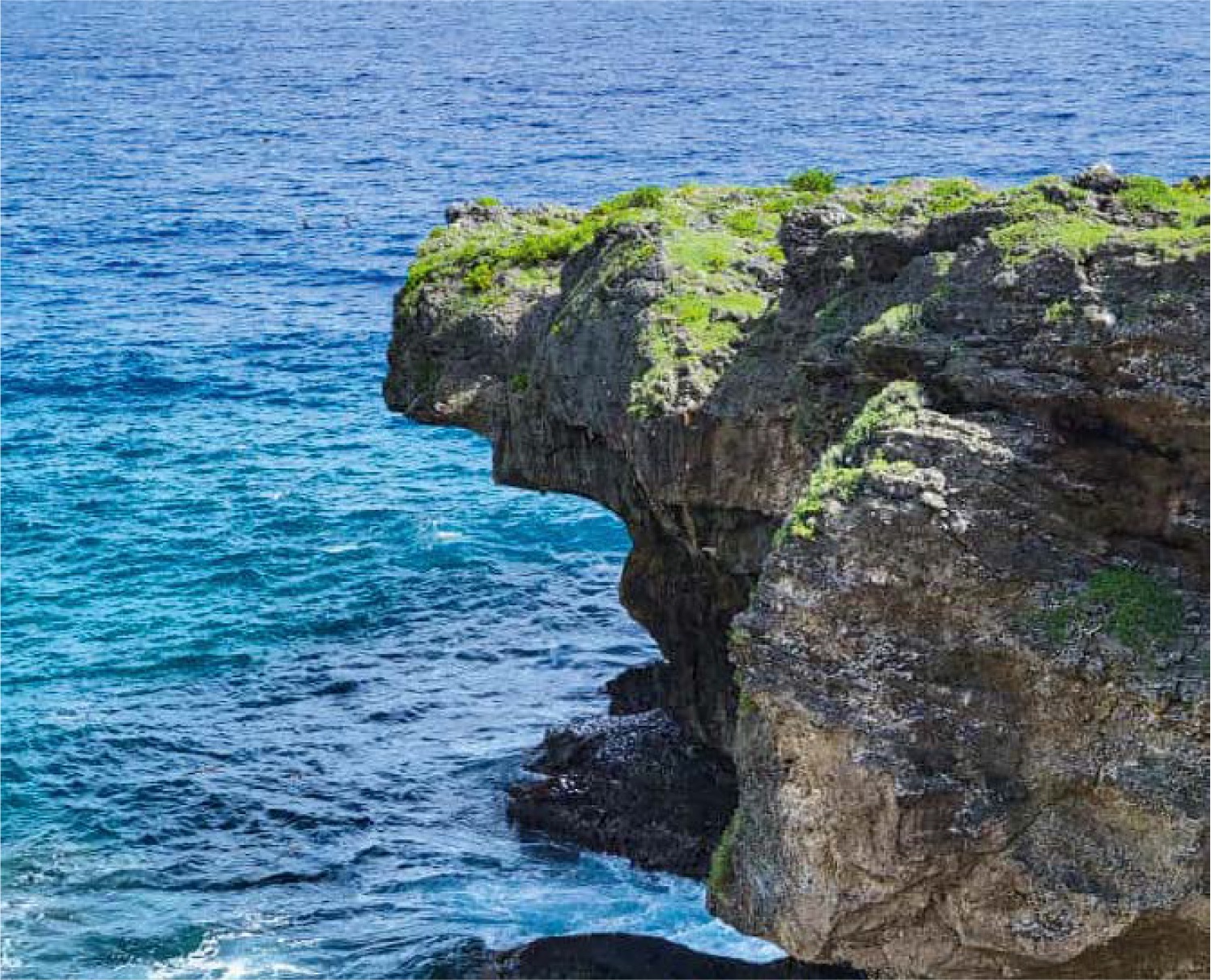
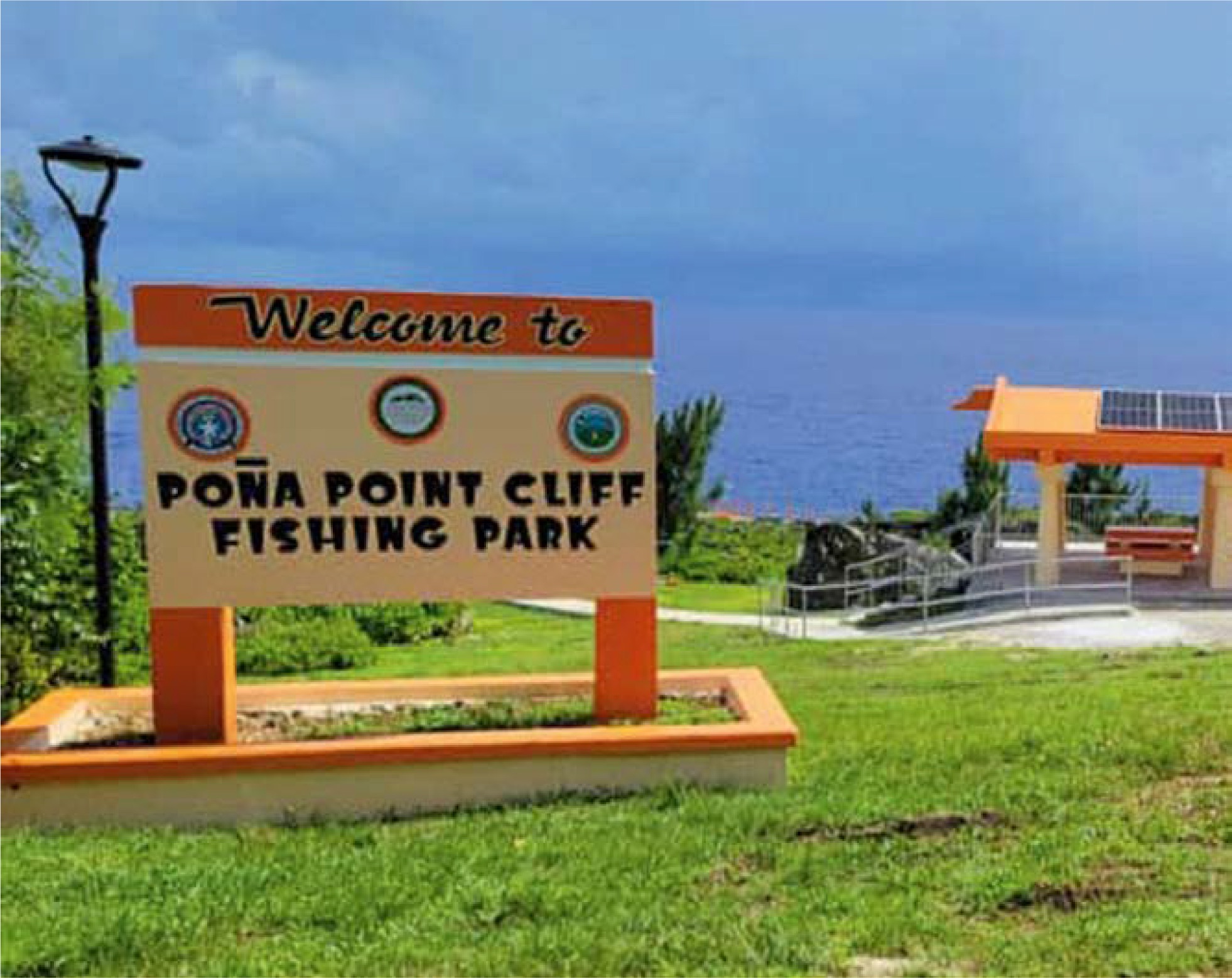
The eastern tip of the Sasanhaya Bay of Rota, Pona Point Cliff Fishing Park is where nature’s drama unfolds in breathtaking detail. Here, the wind carries the tang of sea salt, and waves crash with rhythmic power against the reef-strewn base of the cliff, sending a misty spray into the air. It’s a beloved gathering place for both residents and travellers who come to cast their lines into the deep, watch for sea turtles gliding below, or spot flashes of parrotfish weaving through coral gardens. With the vast Pacific stretched endlessly before you and the island’s verdant mountains rising protectively behind, it feels as though the world pauses at Pona Point—just long enough for you to breathe it all in.
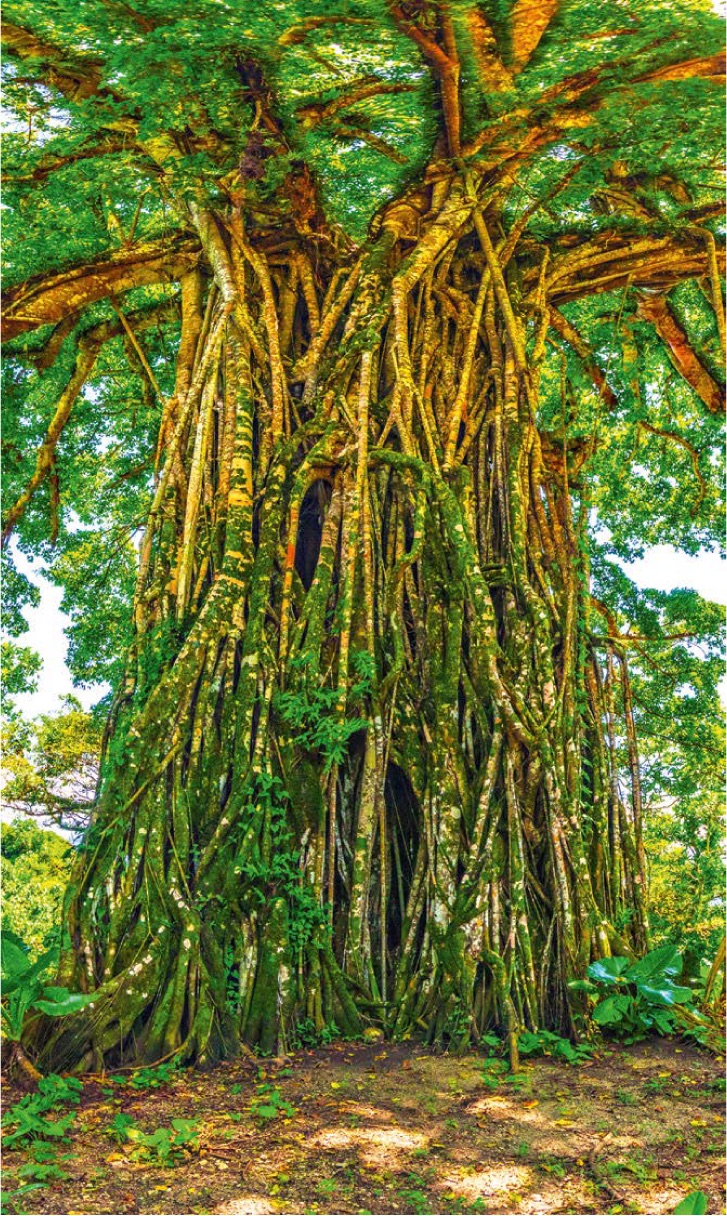
The largest banyan tree in the Marianas stands proudly on the island of Rota, a living monument to time, resilience, and nature’s quiet majesty. Known locally as one of Rota’s most iconic natural landmarks, this massive banyan tree spreads its aerial roots wide and deep, forming a network of trunks and branches that create a shaded cathedral beneath its canopy. Its twisting roots and sprawling limbs have grown for generations, serving as both a natural wonder and a cultural symbol for the people of Rota.
For many locals and visitors alike, the tree represents strength, connection, and the enduring bond between nature and the Chamorro people. Beneath its branches, one can feel the stillness of the island — a reminder of Rota’s untouched beauty and deep-rooted heritage. Whether viewed as a sacred space, a natural marvel, or simply a breathtaking sight, Rota’s great banyan tree continues to inspire awe and reverence as the largest of its kind in the Mariana Islands.
But beyond its scenic allure, Pona Point cradles something rarer still—life teetering on the edge of extinction. This cliffside haven is one of the last places on Earth where the native Nesogenes Rotensis blooms, its delicate form defying time and tide. Nearby, the ancient Cycas Micronesia, a resilient remnant of a distant past, clings to the soil, quietly bearing witness to the rhythms of wind and wave. Pona Point is not just a place to visit—it’s a place to feel deeply, to fish and reflect, to marvel and protect. It’s where the spirit of Rota speaks in the language of water, rock, and rare life.
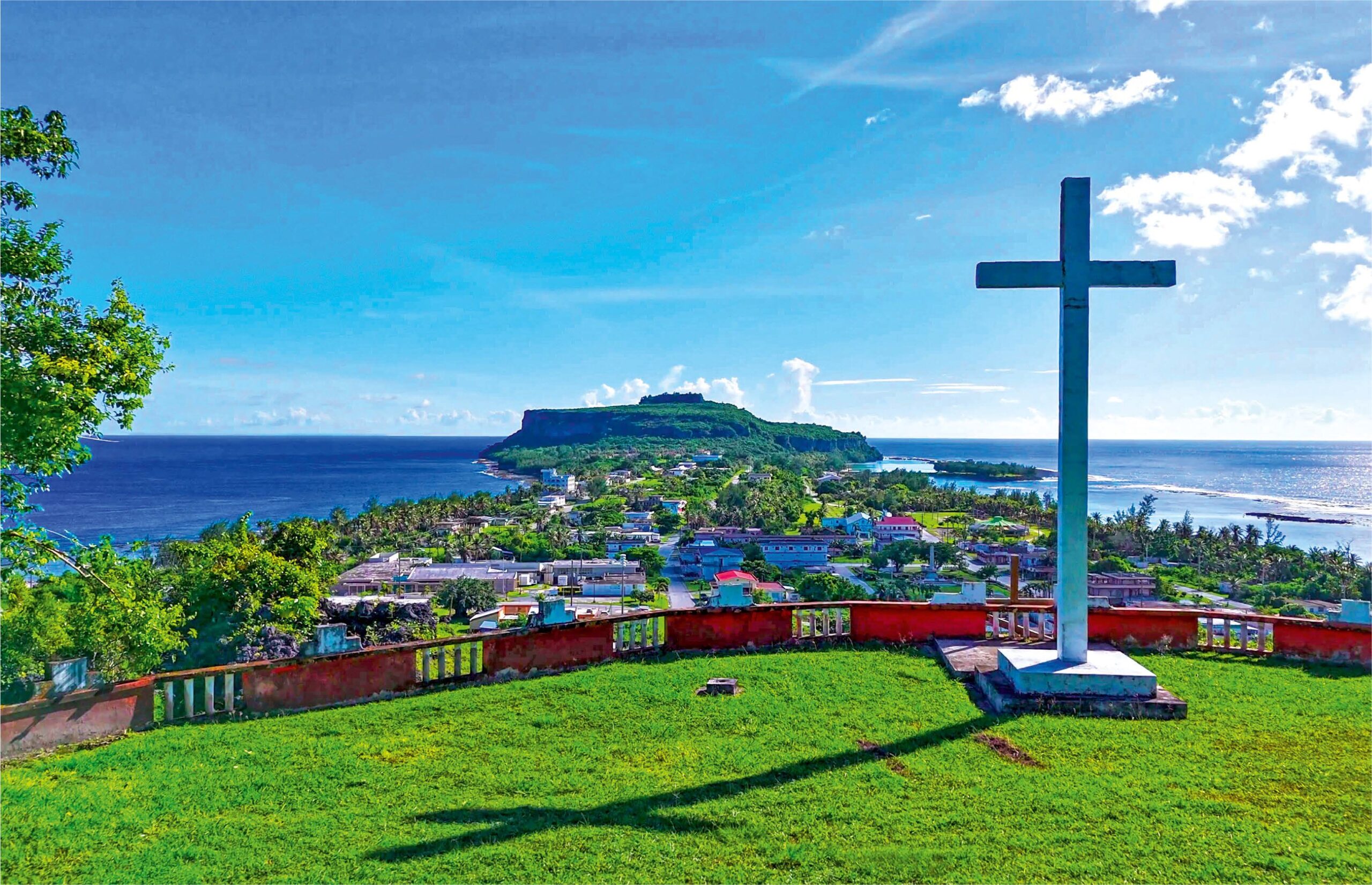
Overlooking the heart of Sonsong Village, the Cross Overlook is one of Rota’s most scenic and serene viewpoints. As you make your way up, the breeze gets cooler, the sounds of the village fade away, and the island’s beauty slowly unfolds beneath you. The short drive (or hike) rewards you with a breathtaking view of the whole village below – charming homes, winding roads, the calm blue ocean, and the peaceful island breeze all around you. It’s one of those spots where time slows down, and you can just soak in the beauty of island life.
Whether you visit in the soft flow of the morning, under the bright midday sun, or as the sky turns golden in the evening, the view from the Cross Overlook never disappoints. Any time of day, you’ll be treated to a sweeping island view with Mt. Taipingot – better known as Wedding Cake Mountain – rising gracefully in the distance. It’s a peaceful place to reflect, snap a few photos, or simply take in the quiet charm that makes Rota so special.
Across the island of Rota, statues rise like whispers of heritage—each one telling a story of strength, spirit, and nature’s grace. The Statue of Chief Taga stands tall, honoring the legendary Chamorro chief whose might and legacy still echo through the island’s heart. Nearby, the Marianas Fruit Dove spreads its wings in quiet beauty, a symbol of peace and island pride.
The Fruit Bat hangs in eternal stillness, guardian of the forests and provider of plenty, while the Deer stands alert amid Rota’s green hills, a nod to the island’s living traditions. The Coconut Crab, strong and enduring, reminds all of resilience drawn from the land. And high above, the Marianas Crow watches with wisdom, a keeper of stories untold.
Together, these statues form a timeless circle of life—where culture meets nature, and the spirit of Rota lives on in stone and sky.