
American Samoa is located in the Pacific Ocean, halfway between Hawaii and New Zealand, with the geographic coordinates of 14° 16′ S, 170° 42′ W; a five-hour direct flight from Honolulu, Hawaii and only 35 minutes by air from Apia, Samoa. American Samoa is the only US territory south of the equator and is composed of seven land masses: five volcanic islands and two coral atolls. From west to east, American Samoa’s islands are Tutuila, Aunu’u, Ofu, Olosega, and Ta’u. The two atolls are Rose Atoll and Swains Island.
THE CAPITAL AND MAJOR CENTRES
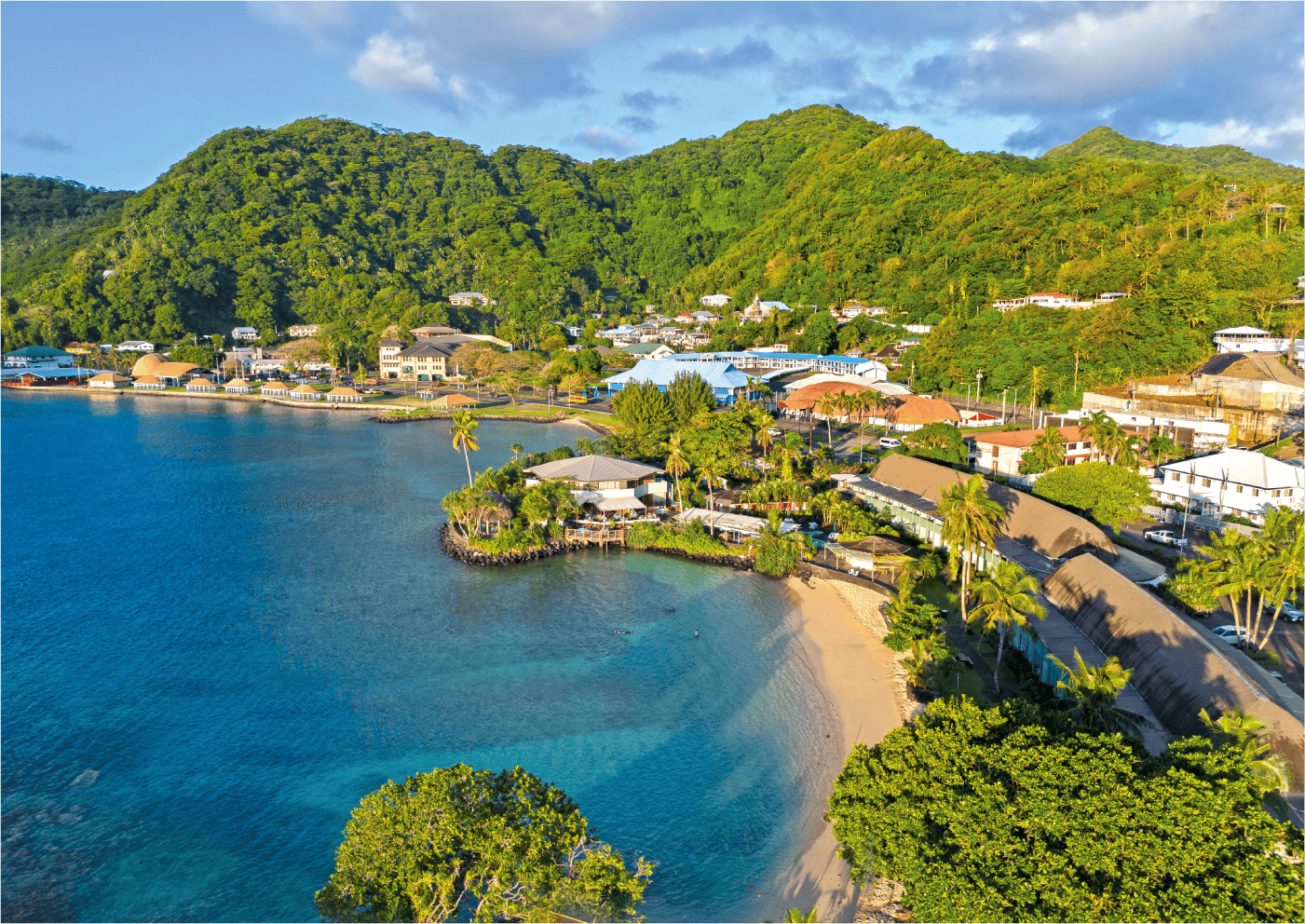
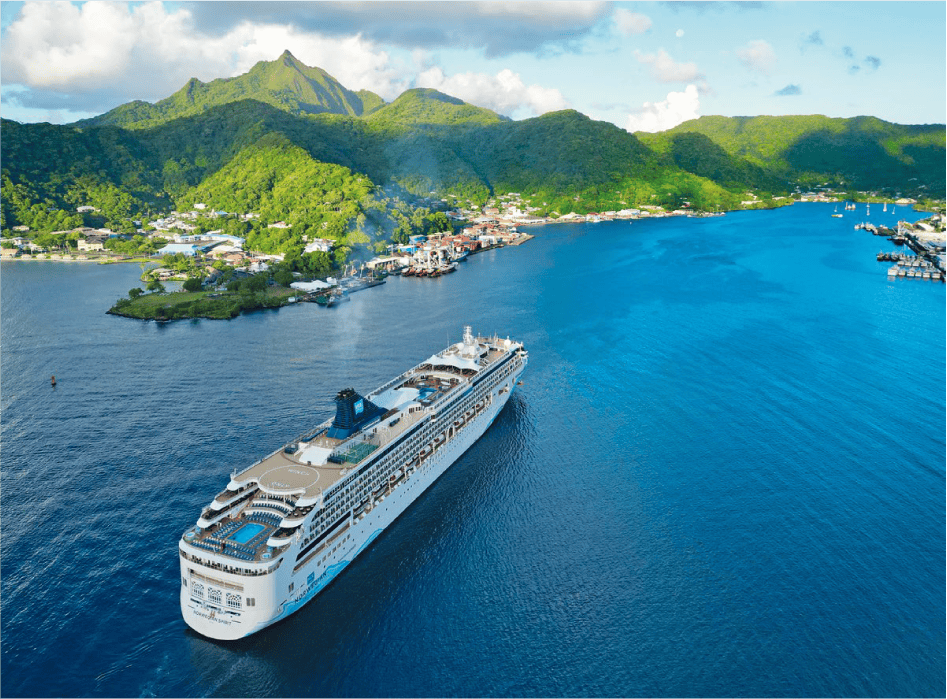
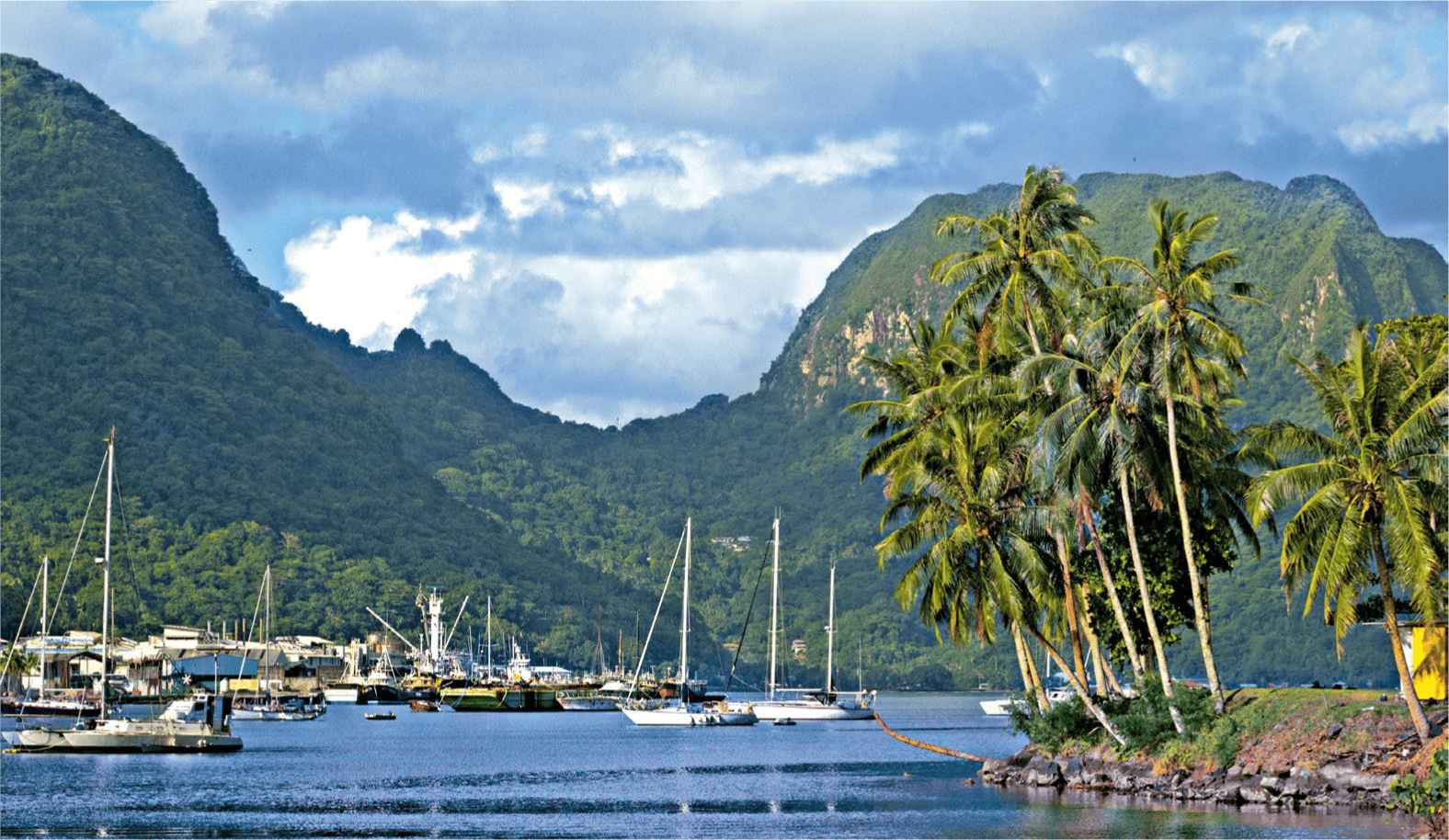
The capital Pago Pago, pronounced ‘pango pango’, sits on a beautiful harbour that can be seen from Mount Alava. Fagatogo Village is the Town Area, home to the Court House, Parliament House, and a few Government Agency offices. Utulei Village nearby, is home to the Executive Office Building (EOB) which houses the majority of the Government offices as well as the Governor’s Office. The Governor’s Mansion, an old colonial structure still used today, is also found in Utulei. Tafuna is where the airport is located, as well as a majority of businesses and major shopping centers such as Cost-U-Less and The PX for military service members and vets.
Tafuna stands as the most populous and dynamic village in the region. As the principal area for both residential and industrial development in American Samoa, Tafuna offers an abundance of opportunities for businesses, investors, and residents alike. Known for its significant availability of freehold land, it remains one of the few places on the islands where individuals can own land with full rights—an attractive proposition for those seeking long-term investments.
The Pago Pago International Airport is located nearby, connecting American Samoa to the global economy, while public utilities serve to support the growing needs of the community. The village is also the site of light industrial activity, positioning it as a key area for business development and innovation.
THE PEOPLE & CULTURE
Samoans have lived here for more than 3000 years and are of Polynesian extraction. Most speak Samoan and English.
American Samoa’s islands make up the eastern part of the Samoan Archipelago. Archaeologists state early Polynesians travelled from South East Asia into the Pacific, populating the islands of the western Pacific from Papua New Guinea to Tonga and Samoa. It was from Tonga and Samoa, sometime later, that they migrated east and populated the Cook Islands, Niue, Tahiti and Rapanui (Easter Island) before heading north to Hawaii and south to Aotearoa (New Zealand) on the last legs of the great Polynesian migration.
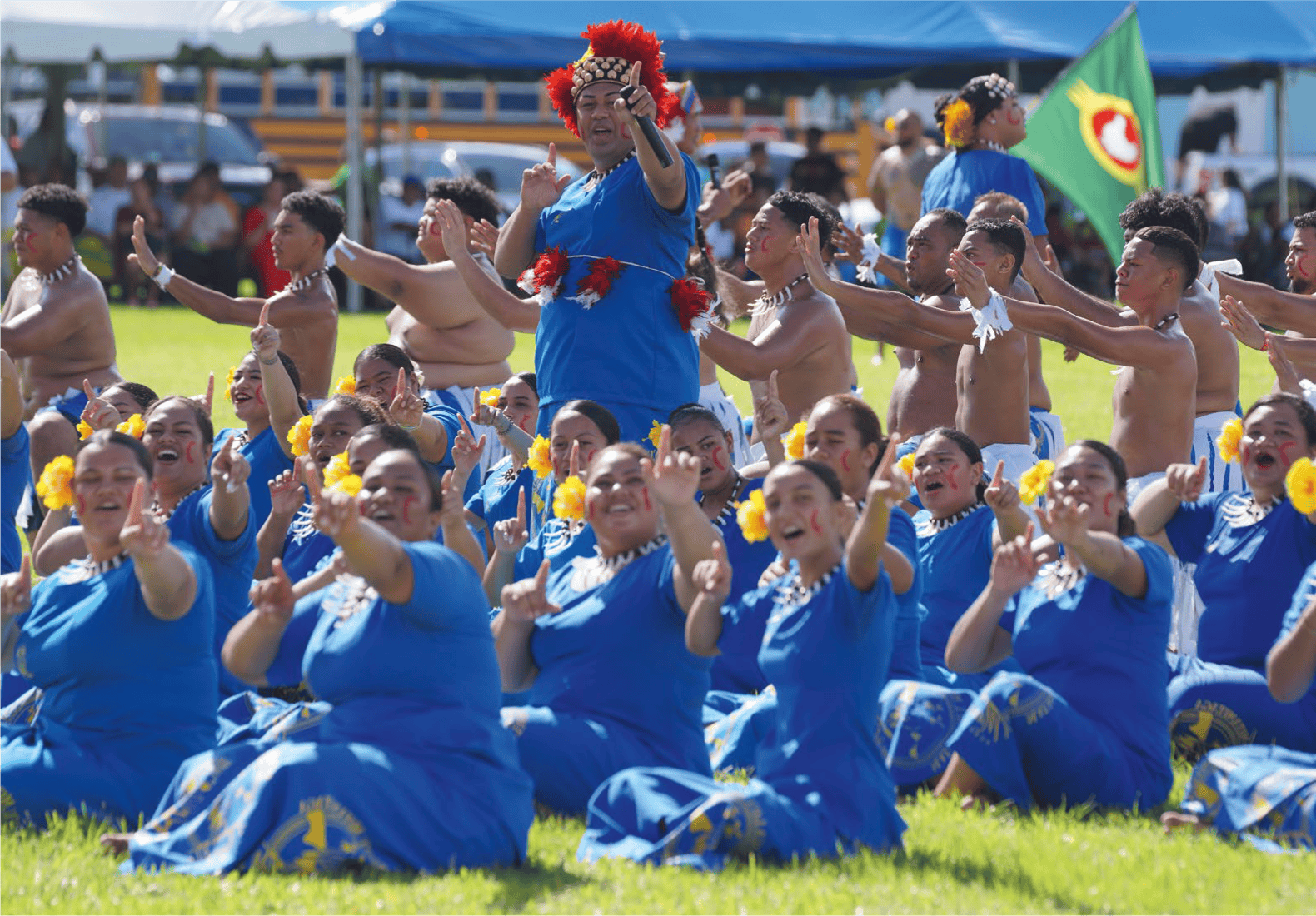
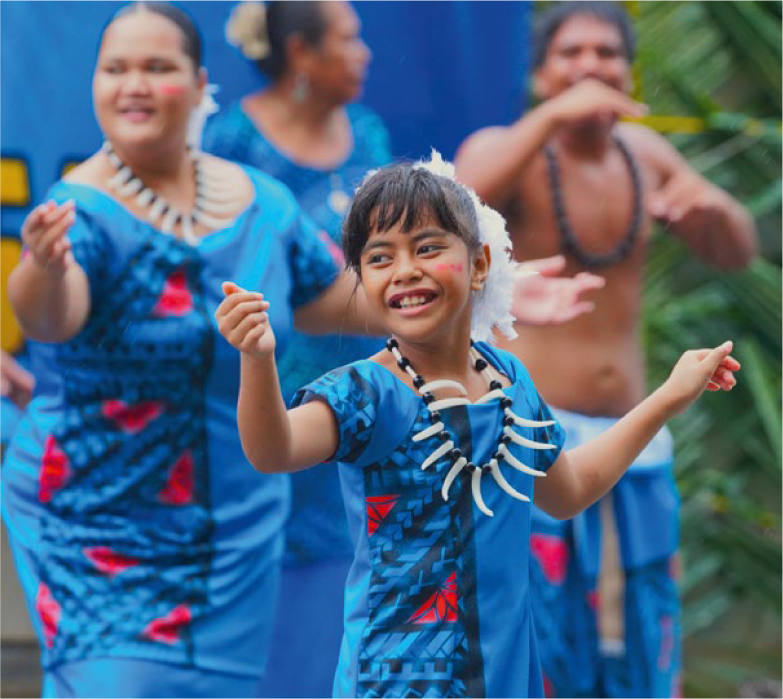
Today Samoans are regarded as the largest full blooded Polynesian race left in the world. The people of American Samoa are known for their strong sense of community, deep-rooted traditions, and warm hospitality. As a proud Polynesian society, Samoans uphold the fa’a Samoa (the Samoan way), a cultural framework that emphasizes respect, family, and service. Elders are highly respected, and communal living remains a cornerstone of daily life, with extended families often living together and supporting one another. The siva Samoa (traditional dance), tatatau (traditional tattooing), and fiafia (celebratory feasts) showcase the vibrancy of Samoan culture, while the importance of the church plays a central role in social gatherings. Despite modern influences, American Samoans continue to preserve their customs and language, blending tradition with contemporary life in a way that reflects both resilience and pride in their heritage.
HISTORY
Human history in American Samoa dates back about 3,000 years, making the Samoan culture the oldest in Polynesia. Archaeological evidence dating to that time has been found at eastern Tutuila Island and on Ofu Island. With the exception of Ta’u, the Samoan islands were under Tongan conquest from 1200 to 1400 CE.
The first European contact came in 1722 and 1768 when Dutch explorer Jacob Roggeveen and French explorer Louis-Antoine de Bougainville traded with islanders in the Manu’a island group. Subsequent outside visitors included other European explorers, Christian missionaries, and whaling ships. From the 1850s on, a steadily increasing number of European and American traders operated on Tutuila, while Manu’a remained relatively isolated.
By the 1880s, Britain and Germany had laid claim to the islands. In March 1889, German, English, and American warships stood ready to go to war over possession of the islands, but the impending battle never took place because of a hurricane. In 1899 (though not effective until February 16, 1900), Germany, England, and the United States signed a tripartite agreement that granted control of Upolu and Savai’i to Germany and control of Tutuila, Aunu’u, and Manu’a to the United States.
That year, the US Department of the Navy assumed administration of ‘Tutuila Station’. The matais, or chiefs, of Tutuila and Aunu’u ceded these islands to the US on April 17, 1900. The king and matai of Manu’a did not sign a deed of cession for Ta’u, Ofu, Olosega, and Rose Atoll to the US until 1904. Several years later, the Navy began to refer to the region as ‘American Samoa’.
Although American Samoa remained largely insulated from World War I, during World War II, the American Samoa Defense Group was the largest defence group in the Pacific and experienced Japanese scout overflights and submarine fire. In 1951, per Executive Order 10264, administration of American Samoa transferred from the Department of the Navy to the Department of the Interior. The Secretary of the Interior enabled American Samoans to draft a constitution, under which the government of American Samoa now functions.
NATURE
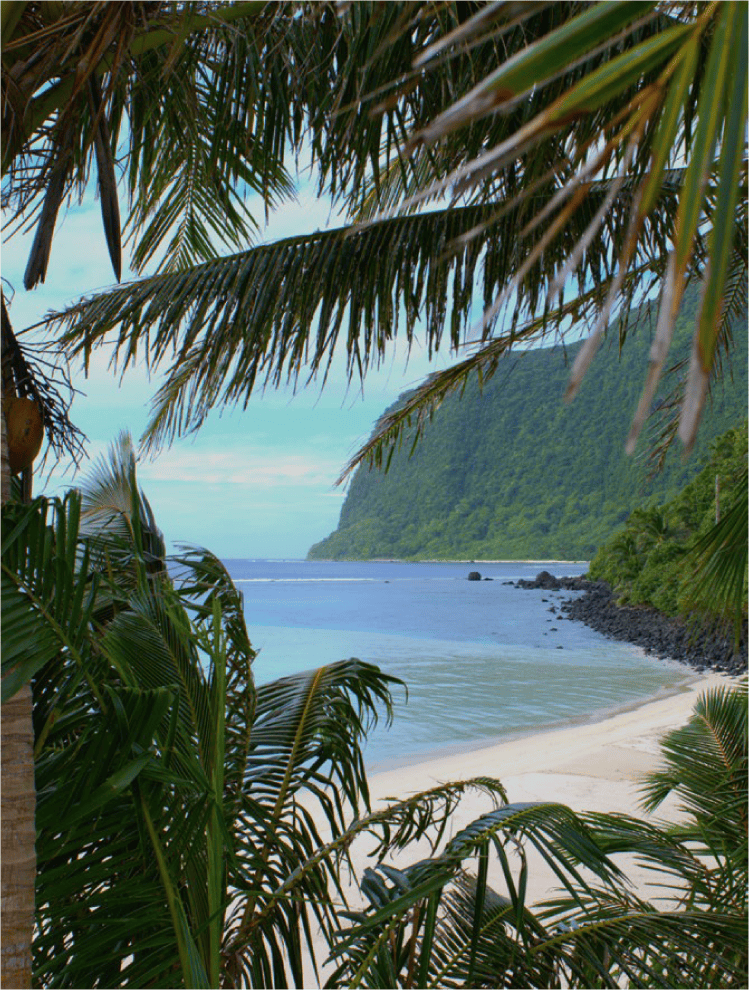
The Territory of American Samoa has a total land area of 76 square miles made up of five volcanic islands (Tutuila, Aunu’u, Ofu, Olosega and Ta’u) and two atolls (Rose and Swains Island). Including the marine waters and 200-mile exclusive economic zone, the Territory’s total area is 117,500 square miles. With steep volcanic mountains, the tallest peak Mount Lata at 3170 feet is on Ta’u Island while Mount Matafao, at 2142 feet, is the tallest on Tutuila Island.
American Samoa is a tropical paradise and the climate averages 82°-83° Fahrenheit all year round and the ocean waters that surround the islands average 82°-86° Fahrenheit. With 90 percent of its islands covered in untouched tropical rainforest, the flora and fauna are unique.
NATIONAL PARK OF AMERICAN SAMOA
The National Park of American Samoa is a unique destination located on three tropical islands—Tutuila, Ta’u, and Ofu—in the South Pacific. As the only US national park south of the equator, it offers a rare blend of natural beauty and cultural heritage. Visitors can explore lush rainforests, pristine coral reefs, and volcanic landscapes, while also experiencing the traditional Samoan way of life, known as fa’asamoa. The park is a paradise for hikers, snorkelers, and cultural enthusiasts alike. A unique fact about the American Samoa National Park is that it is not federally owned, it is leased.
NATIONAL MARINE SANCTUARIES
The National Marine Sanctuary of American Samoa is a vast and ecologically rich protected area that covers approximately 13,581 square miles, making it the largest of all US marine sanctuaries.
The sanctuary protects diverse marine ecosystems, including some of the world’s oldest and largest coral heads, deep-water reefs, and hydrothermal vent communities.
THE SIGHTS
Mt Alava and Afono Pass provide stunning views of the harbour. Visit Tutuila’s National Park to enjoy world-class diving areas as well as tropical rainforests, and historic sites. National historic building, the Jean P. Haydon Museum of American Samoa (named after the wife of 1969 – 1971 Governor John Morse Haydon, formerly the United States Navy Commissary during WWII), was officially dedicated by famous anthropologist Margaret Mead, author of the controversial book, Coming of Age in Samoa. Blunts Point Battery, also known as the Matautu Ridge Gun Site, is a historic coastal defense site located near Pago Pago, on Matautu Ridge. This World War II-era battery, featuring two 6-inch naval guns, was established as part of fortifications built following the attack on Pearl Harbor to protect the islands. The battery was designated a National Historic Landmark in 1987. The guns were first tested on August 28, 1941, when they fired 16 rounds at a floating target in the harbor. As the war progressed, American Samoa’s importance grew as a supply and training base, prompting further fortification, although it was never attacked. Today, the Blunts Point Battery is accessible via a moderately challenging hiking trail, with the guns and surrounding structures offering a glimpse into the military history of the Pacific.
WHERE TO STAY
American Samoa offers affordable accommodation and services – from boutique lodges, apartments or a hotel suite – all 100 percent locally owned and operated. Several Airbnbs are located around the island and all information can be found at www.americansamoa.travel.
IMMIGRATION
American Samoa has its own Immigration Laws for all foreign visitors entering the Territory. US Passport holders can travel freely to and from the Territory. To qualify for the entry under the Entry Permit Waiver Program, a foreign traveller must provide: A Non Expired Machine Readable Passport valid for at least 6 months after planned departure from American Samoa; Confirmed roundtrip ticket to point of origin or onward passage; Payment of US$40 processing fee and apply and pay online at www.legalaffairs.as.gov for an “OK to Board” before travelling. Travellers entering American Samoa to board fishing vessels or other commercial vessels are NOT eligible for the EPWP. Travellers and crew arriving on cruise ships visiting for one day (less than 24 hours) do not need an entry permit as a TRANSIT PERMIT is automatically issued. For any EPWP questions contact the Office of the Attorney General, Phone +1 (684) 633-4163 or +1 (684) 633-4164 or Email okboard@la.as.gov.
Travelers with passports not covered under the EPWP must apply for a permit to enter the country. To make the process smoother, some local travel agents offer permit assistance services.
VISAS AND HEALTH
Visas are not required for stays of less than 30 days if you have an onward ticket. No vaccination certificates required. An OK Board may be required depending on the passport you carry.
CURRENCY
The United States Dollar is the currency of American Samoa. Major foreign currencies can be exchanged at local bank branches or Western Union Foreign Money Exchange. American Samoa has one bank on the island – Territorial Bank of American Samoa.
GETTING AROUND
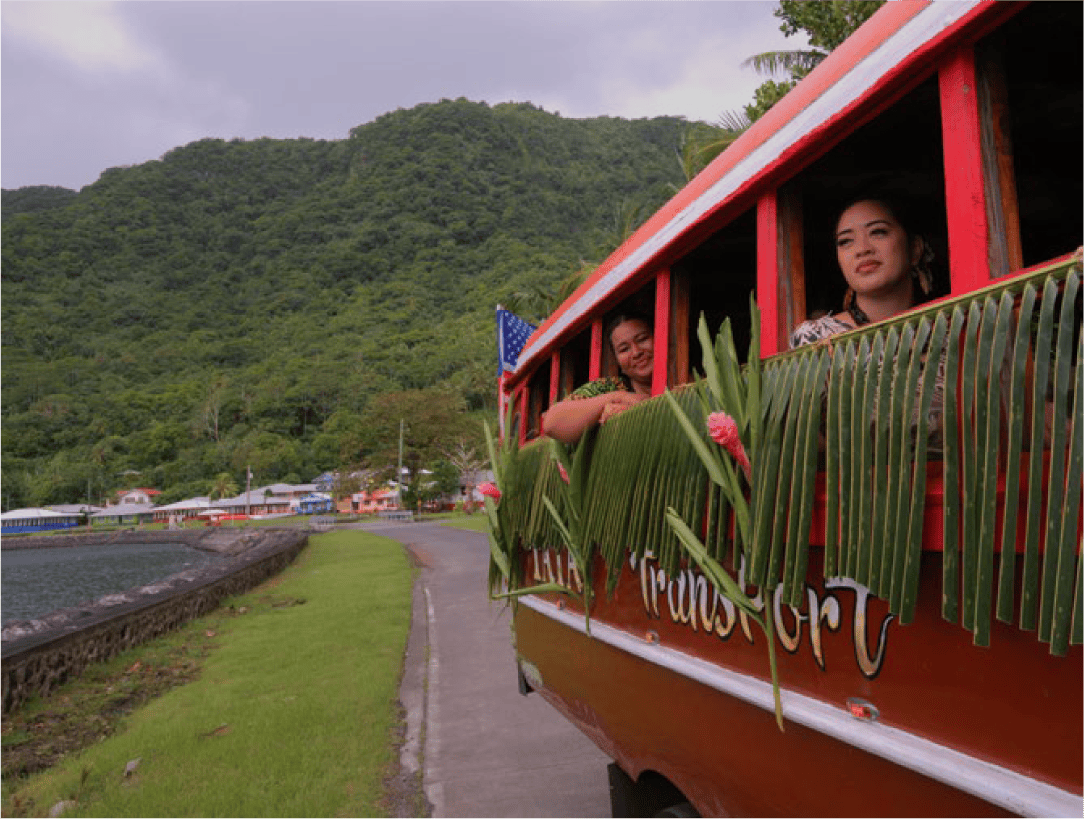
Taxis and rental cars are available. A fleet of ‘aiga’ local family buses run unscheduled services. Bus stops are found throughout the main island of Tutuila, but you can catch a bus simply by waving it down.
HOW TO GET HERE
Three airlines fly to American Samoa from Hawaii, USA and Samoa. Hawaiian Airlines offer 3 flights a week from Honolulu to Pago Pago, while both Samoa Airways and Talofa Airways operate daily services from Apia, Samoa.
NEW PROJECTS
Maloata Beachfront Renovations:
Located on the beach in the village of Maloata, two beachfront Airbnb houses are undergoing renovation, one of which re-opened in mid-2025. These properties are designed to offer a blend of comfort and natural surroundings.
Accommodations will be comfortable, with an outer deck providing views of the ocean.
In addition to the accommodations, these properties offer experiences rooted in local culture and nature. Guests can explore the streams of Maloata or participate in a greenhouse tour led by Peter Gurr, who oversees Island Flowers by Liana. This tour includes a look at over 40,000 orchids and anthuriums. Cultural activities, such as weaving workshops and traditional cooking demonstrations, are also available, providing insight into the island’s heritage. Nearby is a prehistoric village site listed on the US National Register of Historic Places which includes a variety of stone features, with excavation evidence of human occupation dating back to 550 CE.
Docking facilities are available for boats and yachts, with a built-in ramp for easy access. These beachfront houses serve as a base for experiencing the life and environment of American Samoa.
ANNUAL FESTIVALS & ACTIVITIES
FLAG DAY – April 17
Flag Day in American Samoa is celebrated every year on April 17 to commemorate the day American Samoa became a U.S. territory in 1900. This important holiday is marked by a week of vibrant festivities that showcase the territory’s rich culture and strong community spirit.
Celebrations start with the ’Ava Ceremony, which is one of the most important and sacred cultural rituals in Samoan culture. It is a formal ceremony used to mark significant occasions such as the installation of a chief (matai), welcoming of important guests, or opening of major events.
At the heart of the ceremony is the preparation and serving of ’ava—a traditional drink made from the root of the Piper methysticum plant, which has calming, mildly sedative effects. The drink is mixed and served in a large wooden bowl called a tanoa, and carefully distributed by a designated tautua’ava (ava server) to each honored guest in a ceremonial order, reflecting rank and status.
The ceremony includes formal speeches, chants, and blessings, and is deeply rooted in respect, protocol, and communal values. It is a powerful expression of Samoan identity, social structure, and hospitality.
Other Flag day activities include traditional fiafia performances featuring Samoan dance, music, and singing, as well as the fautasi (traditional longboat) races that bring villages together in friendly competition on the water. There are also flag-raising ceremonies, church services, cultural exhibitions, sports tournaments – like the Annual I’a Lapoa Fishing Tournament, and parades. Government leaders, dignitaries, and visiting guests often attend, highlighting the significance of this day in American Samoa’s history.
Flag Day is not just a public holiday—it’s a proud celebration of heritage, unity, and the enduring relationship between American Samoa and the United States.
MANU’A FLAG DAY – JULY 16
Manu’a Flag Day is a treasured celebration held each year on July 16 in the Manu’a Islands of American Samoa, commemorating the day in 1904 when the islands officially became part of the U.S. territory. The Manu’a group consists of three small islands—Ta’ū, Ofu, and Olosega—each rich in cultural heritage and tradition.
This special day honors the proud history and deep-rooted customs of the Manu’a people. The celebration typically begins with a church service, featuring heartfelt performances by youth groups from various Manu’a villages. Government agencies also take part by organizing a variety of community activities, primarily on the island of Ta’ū.
Manu’a Flag Day is not only a time of cultural pride, but also a homecoming for many. People originally from Manu’a who now live in Tutuila or abroad often return to reconnect with their roots and join in the festivities. Among the most anticipated events is the lively cricket tournament, a favorite tradition that brings the community together in friendly competition and joyful celebration.
MOSO’OI MONTH – OCTOBER
The Moso’oi Festival of Arts & Humanities is an annual celebration that honors and showcases the rich cultural and artistic traditions of American Samoa. Named after the fragrant moso’oi flower, which symbolizes resilience and marks the arrival of the prized palolo (local delicacy known in English as eunicid worm) during the month of October, the festival is deeply rooted in Samoan heritage and pride.
Spanning the entire month, the Moso’oi Festival features a variety of events that reflect the vibrant spirit of the Samoan people. These include traditional fa’afiafiaga performances, storytelling, poetry, art displays, and fashion shows that celebrate both contemporary creativity and cultural expression. Community members of all ages are encouraged to participate, making the festival a unifying experience across generations.
A highlight of the celebration is the High School Siva competition, where students perform traditional dances, promoting cultural pride and learning among youth. The festival also concludes with the Mr. & Ms. Moso’oi Scholarship Pageant, which emphasizes cultural knowledge, talent, and the importance of education.
More than just a series of events, the Moso’oi Festival serves as a living platform for preserving the Samoan way of life. It fosters a deeper understanding of Samoan identity through language, tradition, and the arts, ensuring that the cultural legacy of American Samoa remains vibrant and strong for future generations.