
The Cook Islands lie in the centre of the Polynesian triangle and are now easily reached from Australia with direct service from Sydney (6 hours) or via Auckland with Air New Zealand and Jetstar, and Hawaii once a week with Hawaiian Airlines direct from Honolulu. From the Cook islands, Air Rarotonga and Air Tahiti offer flights to Tahiti with connecting routes to Europe.
There are also seasonal flights with Air NZ via Christchurch and, starting in 2026, from Brisbane with Jetstar. Information on flights: cookislands.travel/how-to-book/flights.
The group is made up of 15 islands, scattered over two million square kilometres of the Pacific Ocean. They fall into two distinct groups. The Southern Group comprises nine islands including the capital, Avarua in Rarotonga, where the majority of the population resides. Domestic travel to the outer islands is provided by Air Rarotonga and six of the nine islands are accessible by regular air services. The more remote Northern Group has six islands, three of which, Manihiki, Penrhyn and Pukapuka, are accessible by air (mostly chartered flights only).
CAPITAL AND MAJOR CENTRES
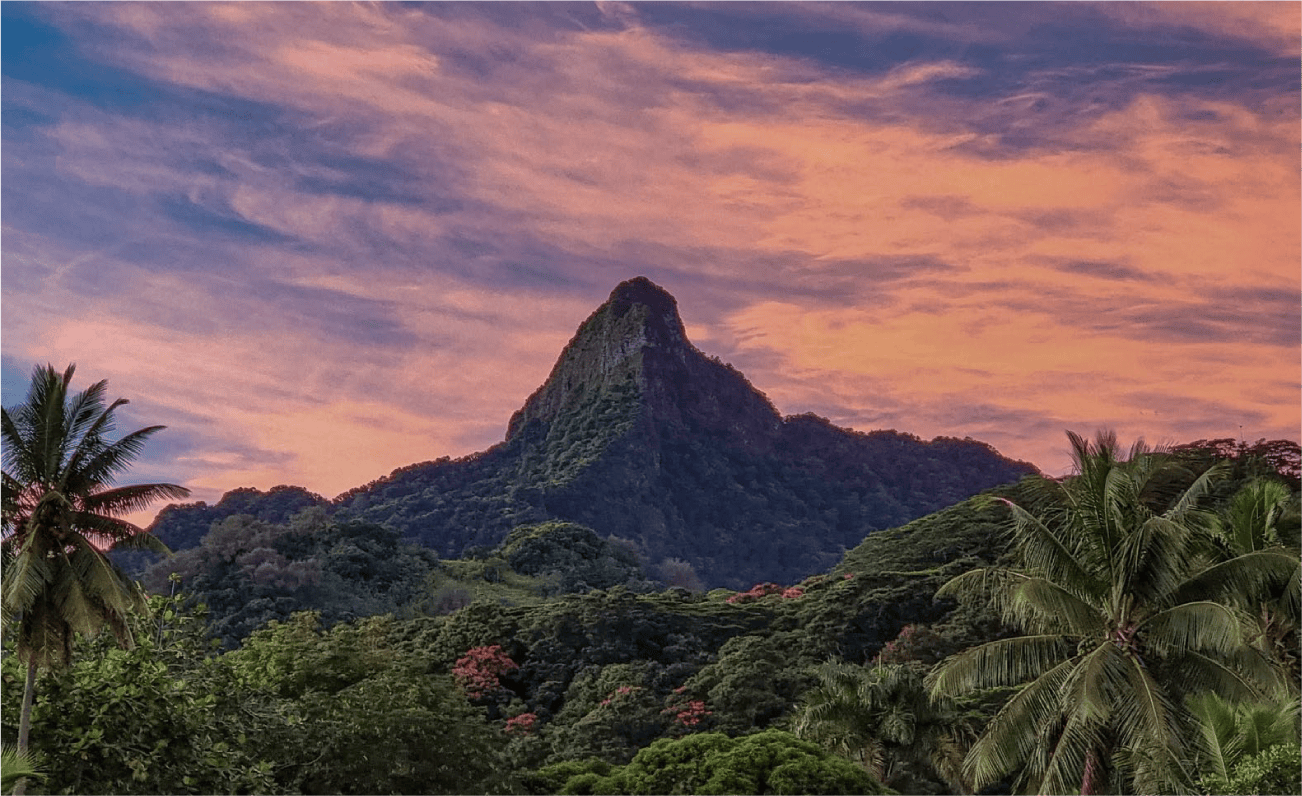
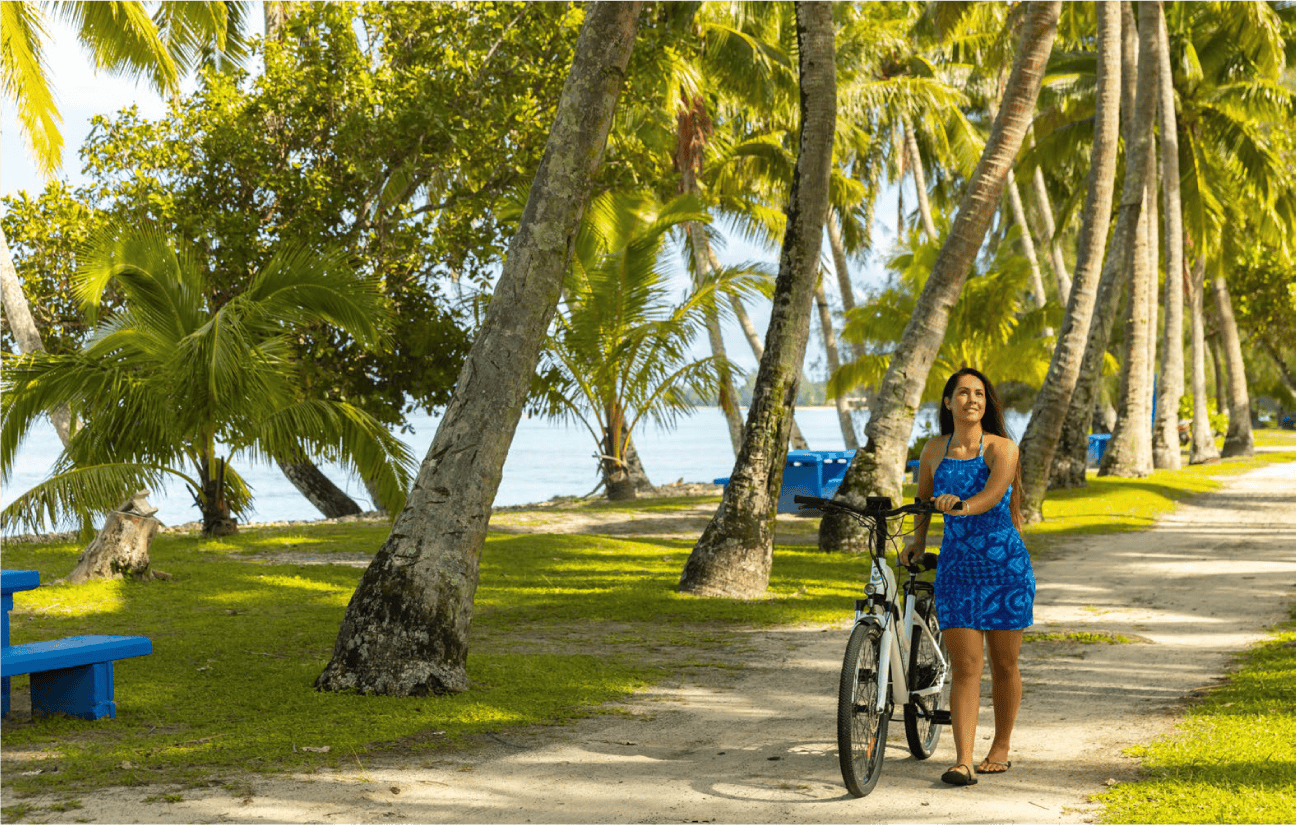
Vibrant and lively, Rarotonga is a hive of activity, and its circular shape is dominated by high mountain peaks from which lush rainforests cascade to the palm-fringed shore. All visitors are welcomed at the Rarotonga International Airport with the warm local greeting Kia Orana (Greetings, may you live on) and a fragrant flower garland or ei.
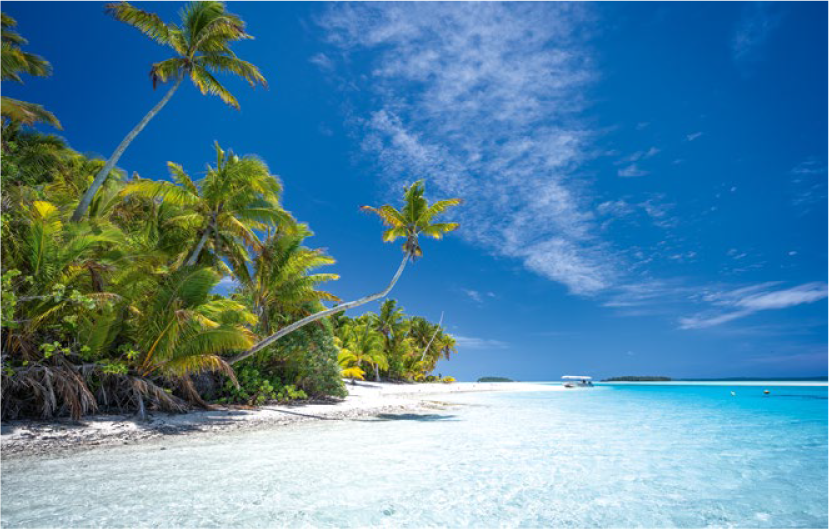
Avarua is the main town on Rarotonga, the whole island has a great selection of shops, cafes and restaurants located around the island. From Rarotonga you can visit the Sister Islands such as Aitutaki, famous for its spectacular white sand beaches and azure lagoons, only a 50 minute flight away on Air Rarotonga, with several flights daily.
Atiu, northeast of Rarotonga, offers untouched beaches and coral reefs riddled with caves. Mangaia is surrounded by a narrow fringing reef backed by the formidable cliffs of makatea (raised coral) that reach heights of up to 60 metres. Mauke has caves located in the cliffs of the coral reef and Mitiaro offers subterranean pools and freshwater lakes that are full of itiki (freshwater eels), a local delicacy.
STAYING CONNECTED IN PARADISE
Vodafone Cook Islands is the main mobile provider with 4G+ mobile data available on Rarotonga and Aitutaki. Wi-Fi is available at over 300 Wi-Fi hotspots across all the islands. Wi-Fi vouchers can be purchased from any Vodafone outlet or reseller with some accommodators and eateries offering free Wi-Fi.
Visitors can get a preloaded Vodafone Cook Islands Travel SIM card from Vodafone outlets or the airport. eSIMs are also available. It is recommended that visitors check with their providers what their roaming options and costs are before travel, as rates and process for activation vary depending on the network.
THE PEOPLE
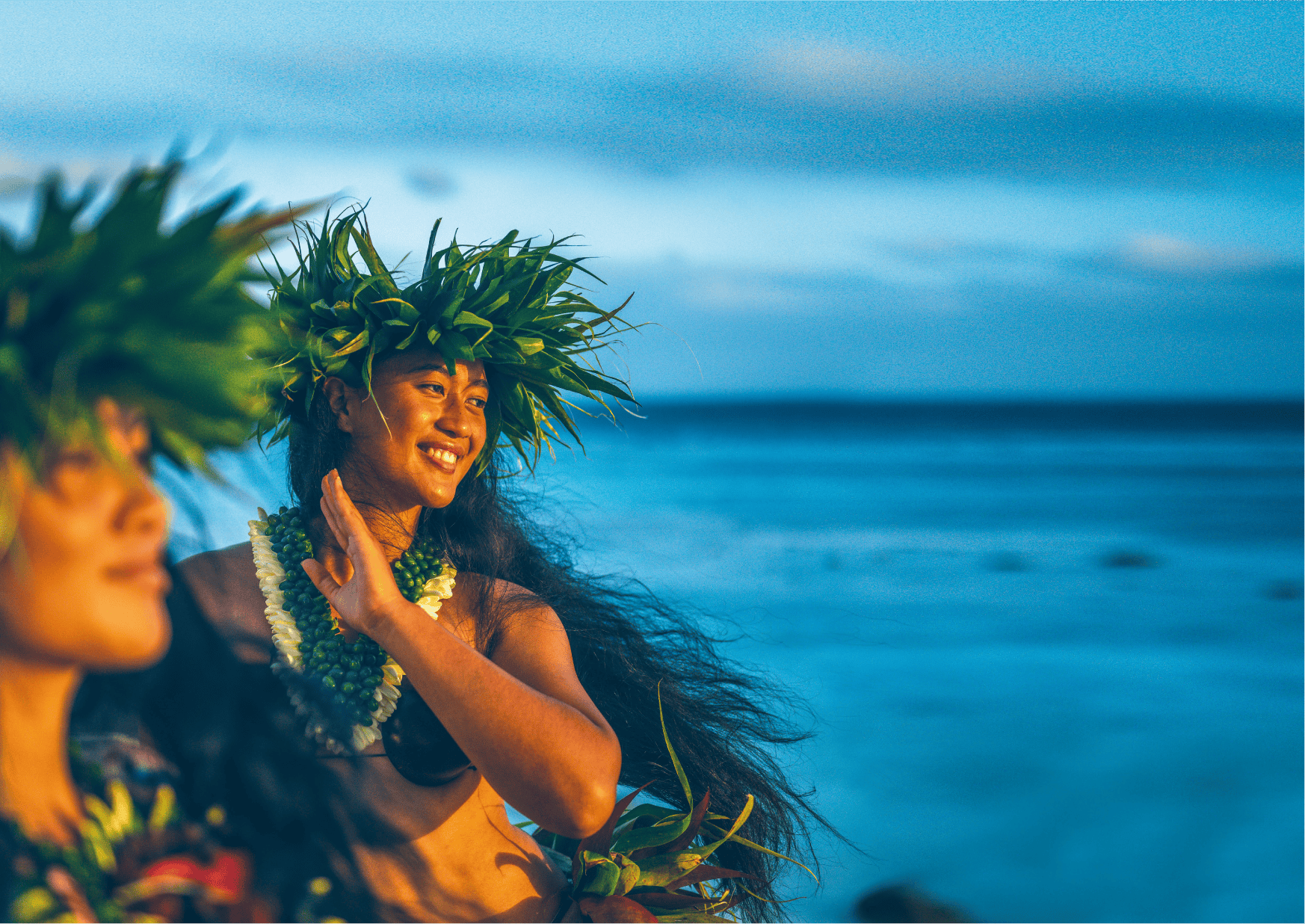
Cook Islanders are of Polynesian descent and are called Cook Island Maori. They are culturally and linguistically similar to Tahitians and New Zealand Maori and are an open, friendly people, happy to share their lifestyle and culture. Guided by their traditional values – also known as Kia Orana Values – the people of the Cook Islands invite visitors to share in the responsibility of being caretakers for the land, community and culture.
NATURE
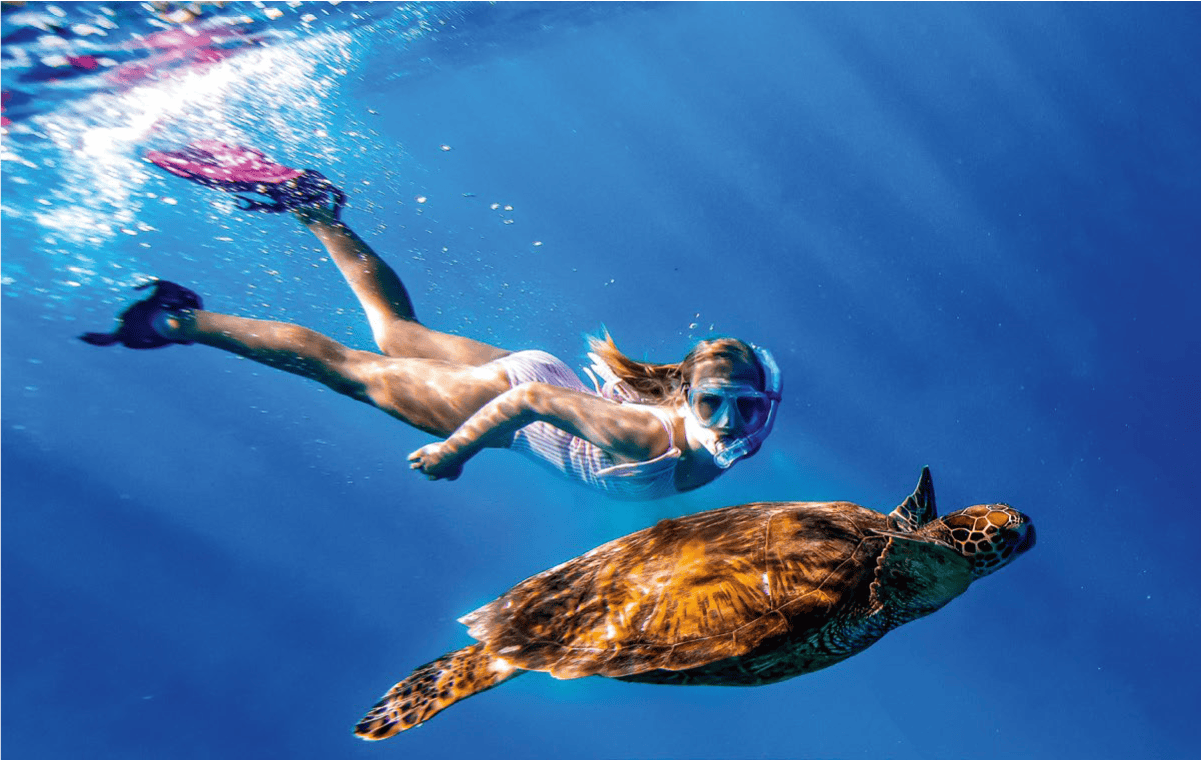
The Cook Islands host a diverse range of flora and fauna. Marine turtles can be found in the waters of the Cook Islands and humpback whales can be sighted from July through to October. A protective reef encircles the islands. The lagoons play host to a variety of vivid and interesting coral and marine life. The Cook Islands has an interesting range of geological structures, from the high volcanic peaks of Rarotonga (653 metres) to the raised coral structure of Mangaia and Atiu and the coral atoll structures of the Northern Group.
THE SIGHTS
The six CICC Churches around Rarotonga are magnificent landmarks built of coral and lime and well worth a visit, particularly on Sunday. Most people attend church, and the air is vibrant with their beautiful singing called imene tuki. The ruins of the old Sunday School, built by the missionaries, have been renovated and are now the Beachcomber Pearl and Art Gallery. In the harbour, remnants of the wreck of the SS Maitai that was sunk in 1916 remain and its main engine still protrudes from the reef.
You can trek through the Takuvaine/Avatiu valleys to see tropical vegetation or visit the Marae ‘Arai te Tonga’, a stone structure forming the royal court of the reigning ariki (high chief).
WHERE TO STAY
Rarotonga has a wide and varied selection of accommodation from boutique hotels and resorts, luxury villas and self-catering individual bungalows and holiday homes to backpacker facilities.
Aitutaki has a varied choice of accommodation, similar in quality to Rarotonga. Atiu has a varied but smaller selection of mid-range accommodation available. Standard accommodation needs are met on the islands of Mauke, Mitiaro (which has a homestay operation) and Mangaia.
VISITING MORE THAN RAROTONGA
All major inhabited islands are accessible by air. There are more than three daily flights from Rarotonga to Aitutaki. Flights to Atiu, Mangaia, Mauke and Mitiaro are scheduled many times a week. Air Rarotonga and Air New Zealand also have a code share agreement that allows you to book an international flight direct to and from Aitutaki that can be combined with the triangle route to reduce even more travel time.
In Mauke, you can explore the jungle-covered limestone rocks to find the famous Maire plant and organic tropical garden lush with fruit. Mitiaro is ringed with beach coves and underground swimming caves with natural healing properties. Mangaia is dominated by raised limestone coral and has numerous caves that stretch into giant underground caverns. At 18-million plus years, it is believed to be one of the oldest in the Pacific.
GETTING AROUND
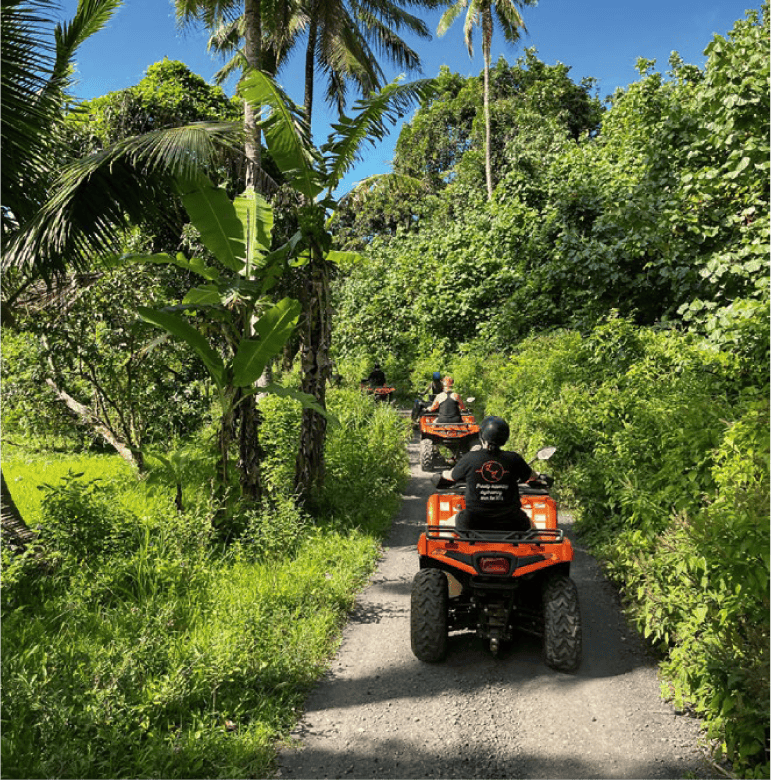
Rarotonga is only 32 kilometres in circumference and one main road encircles the entire island, making it fairly easy to get around. Cook’s Buses, the local bus service, offers great public transport operating around Rarotonga in both directions, on regular day and evening schedules. The clockwise or anti-clockwise bus will pick you up and set you down anywhere on request.
Vehicles are driven on the left-hand side of the road. By law, (in Rarotonga only) safety helmets must be worn on motor scooters and motorbikes by all drivers and passengers. Drivers of all types of vehicles are required to have either a current international licence or a Cook Islands driver’s licence which can be obtained from the Police station in downtown Avarua.
FOOD AND ENTERTAINMENT
Nightspots and bars will, on occasion, have live entertainment. A highlight of the Cook Islands is the Polynesian feast, umu kai, prepared in the traditional style with foods such as ika mata (marinated fish with coconut sauce), eke (octopus), taro (tuba vegetable), rukau (cooked taro leaves similar to spinach), and kumara (sweet potato). An umu kai is usually part of an island night show featured at major hotels. The delectable buffet and traditional dancing are all part of the culture of the Cook Islands, and you can also experience this at the Highland Paradise and Te Vara Nui cultural attractions.
Wining and dining in Rarotonga is a treat with many excellent restaurants offering Polynesian-infused and international cuisine in some very romantic locations.
ACTIVITIES AND SHOPPING GUIDE
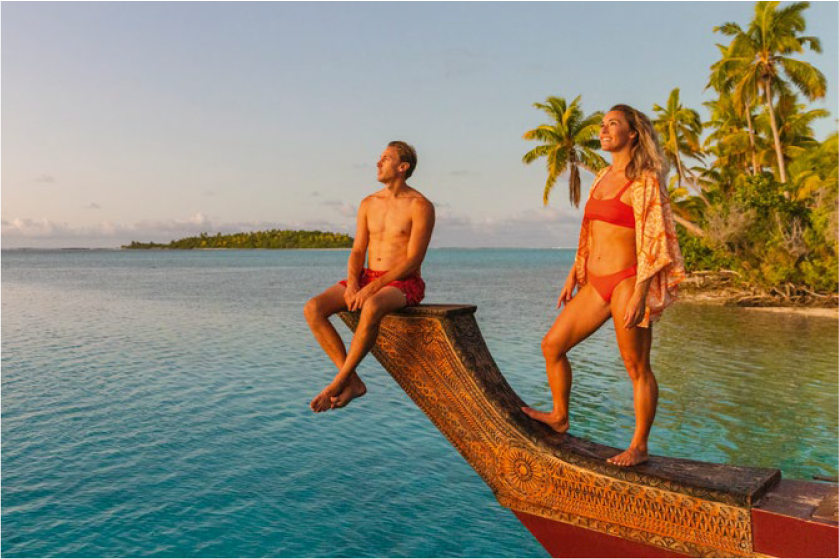
There are a variety of activities on offer to suit any traveller. Relaxing lagoon cruises are available on two of the world’s most beautiful lagoons, Muri Lagoon on Rarotonga and the world famous Aitutaki Lagoon. Popular pastimes include sailing, windsurfing, stand-up paddle boarding, snorkelling and scuba diving. Boats are available for charter for deep-sea and game fishing. Shops are generally open 8am to 4pm Monday to Friday, and 8am to noon on Saturdays. There are three 24-hour convenience stores and petrol stations on Rarotonga: Super Brown Tupapa; Super Brown Nikao; and Wigmores.
There is also TEM Store Muri that is 24 hours but is only a convenience store – petrol is not available. On Saturday mornings the popular local marketplace, Punanga Nui, in downtown Avarua offers a range of tropical delicacies and local craft items and souvenirs.
CLIMATE AND CLOTHING
It’s always a good time to visit. The Cook Islands enjoy a pleasant warm and sunny climate all year round. The drier months are from April to November with an average temperature of 26°C. November to March marks the warmer season, with slightly higher humidity and occasional rainfall between December and March when the temperature ranges between 22°C (min) and 30°C (max). However, don’t be put off by rainfall in the summer months as it’s typically brief morning or afternoon tropical showers. Overall, the shoulder months of April, May, September, and October are a great time to visit as the weather in these months is usually the perfect balance of warm temperatures and dry skies.
Casual brief swimwear should be kept for beaches or poolside. Modest, tidy casual clothing is expected for church services and swimwear is not appropriate for shops and restaurants. Nude and topless sunbathing are unacceptable.
CURRENCY
The NZ dollar, supplemented by local coinage (not negotiable outside the Cook Islands). The dollar coin bearing the symbol of the traditional god, Tangaroa, as well as the two dollar triangle, is popular with coin collectors, as is the $3 note. There are ATMs located in Rarotonga and Aitutaki. EFTPOS is available at most retail stores however it is recommended to have cash on hand for roadside stalls and market vendors. Tipping is not customary but is appreciated.