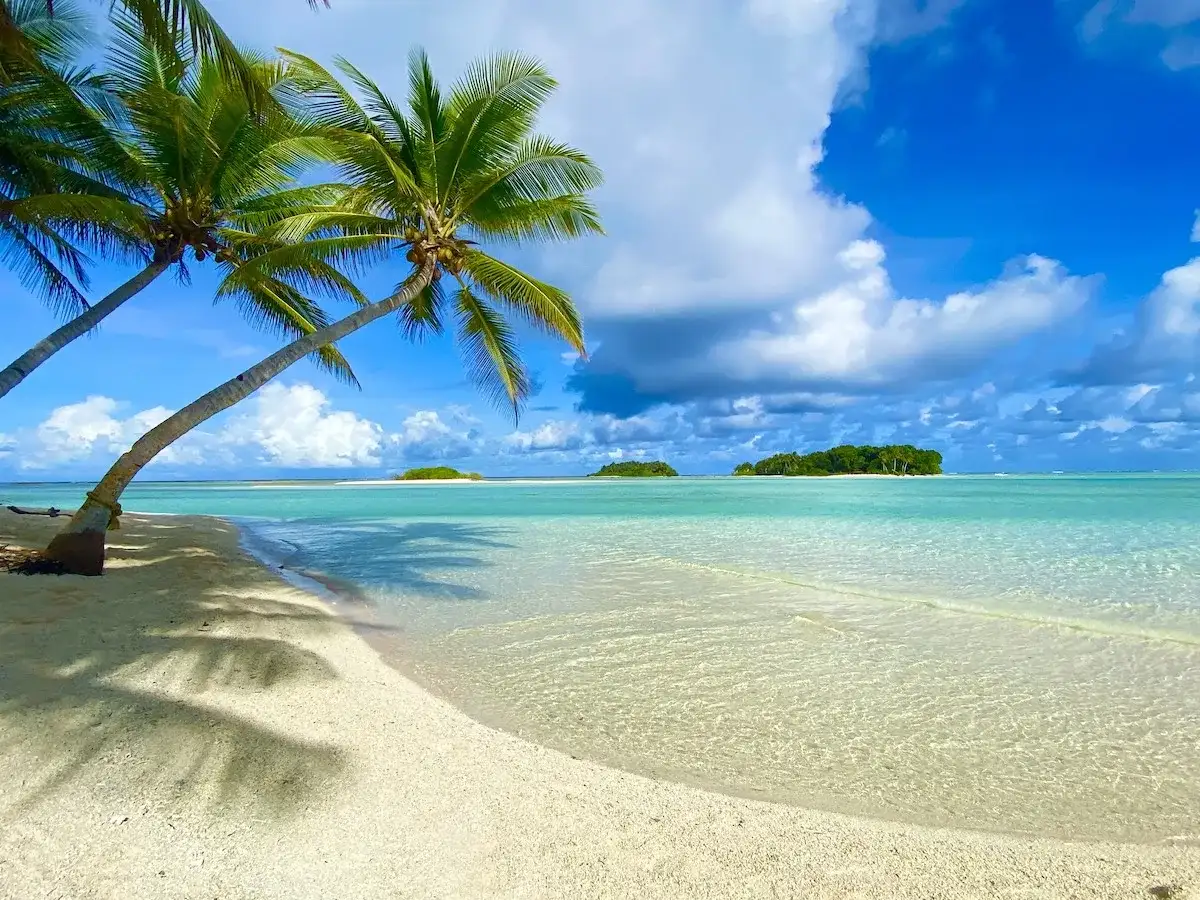
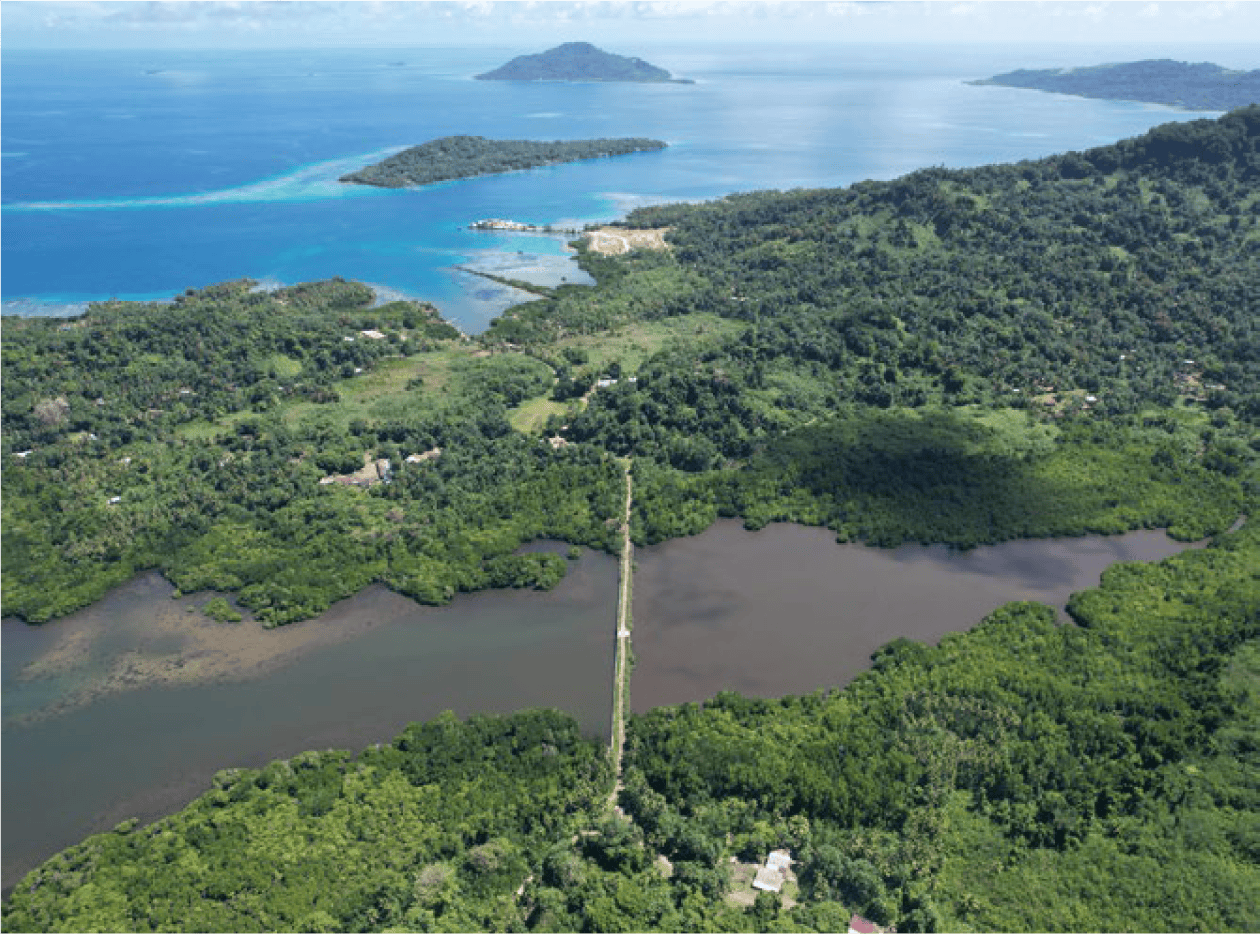
Chuuk Atoll, located in the Caroline Islands, has one of the largest lagoons in the world.
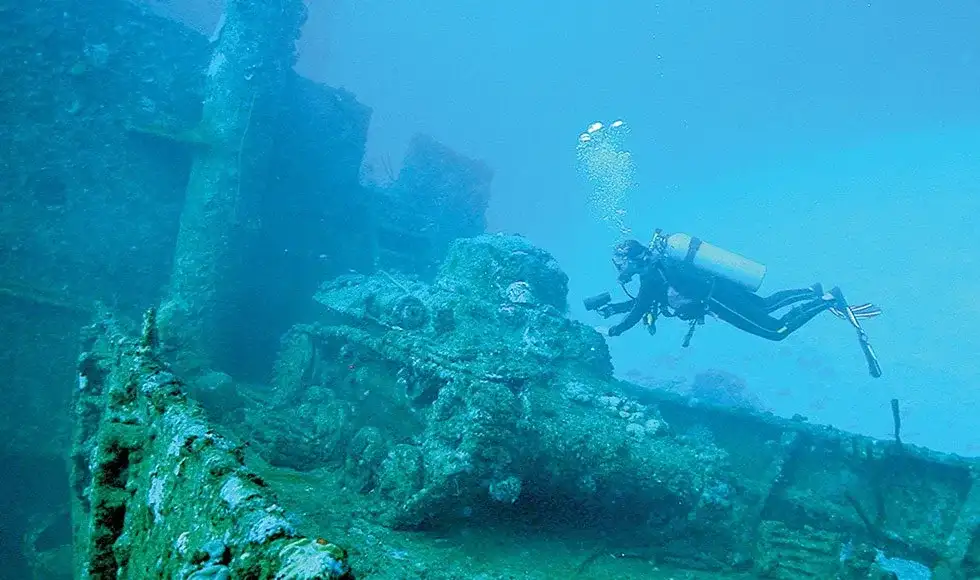
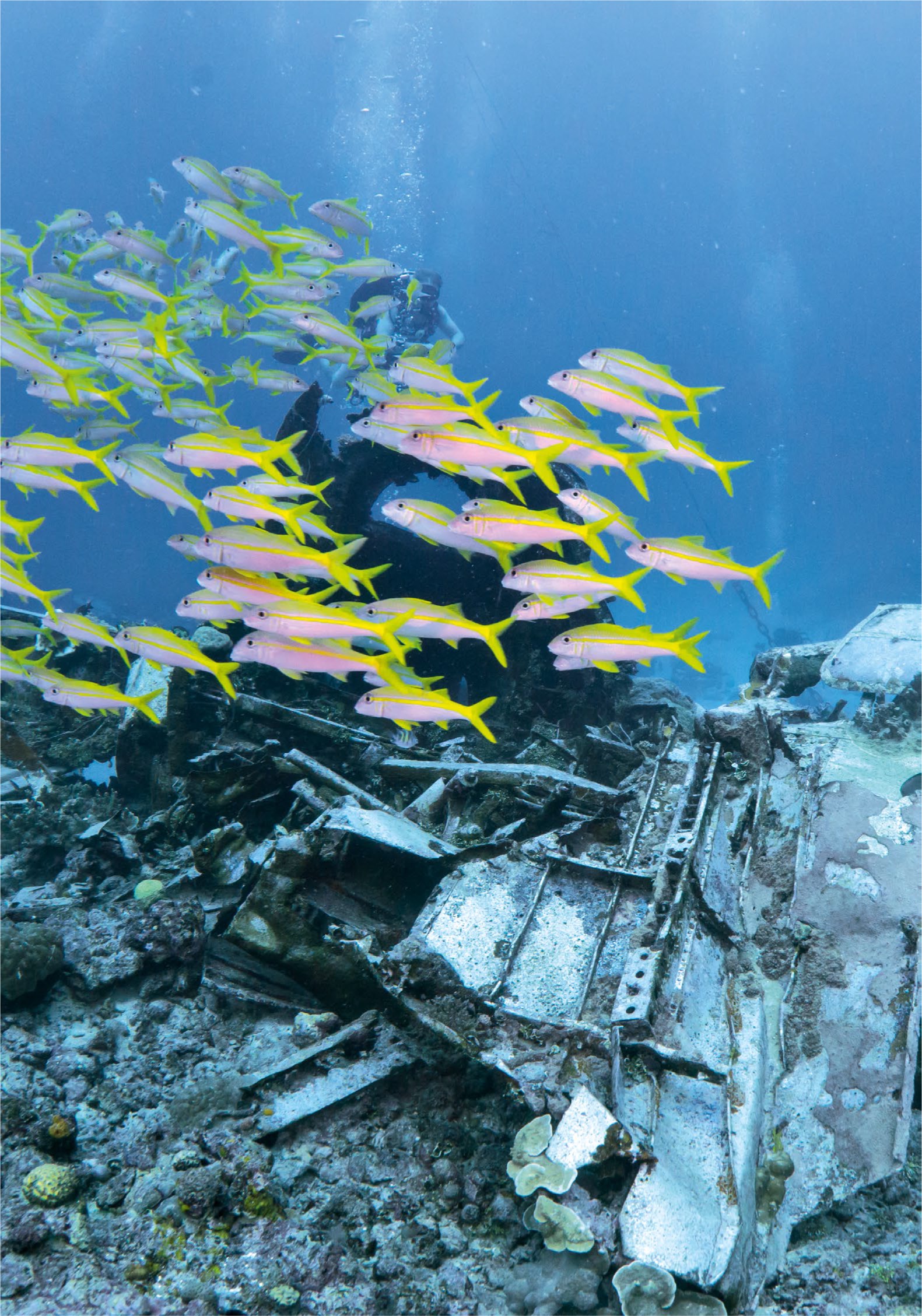
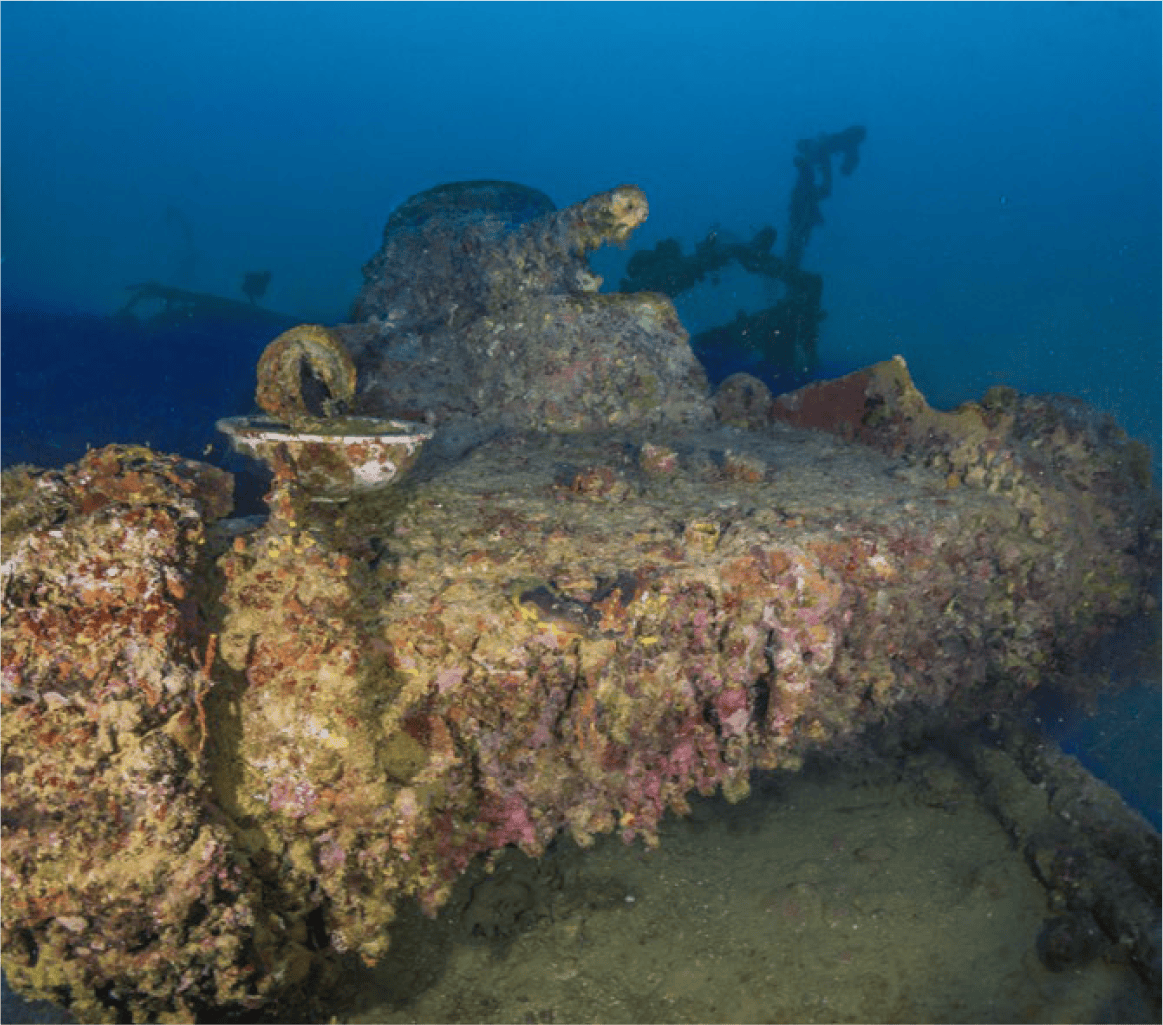
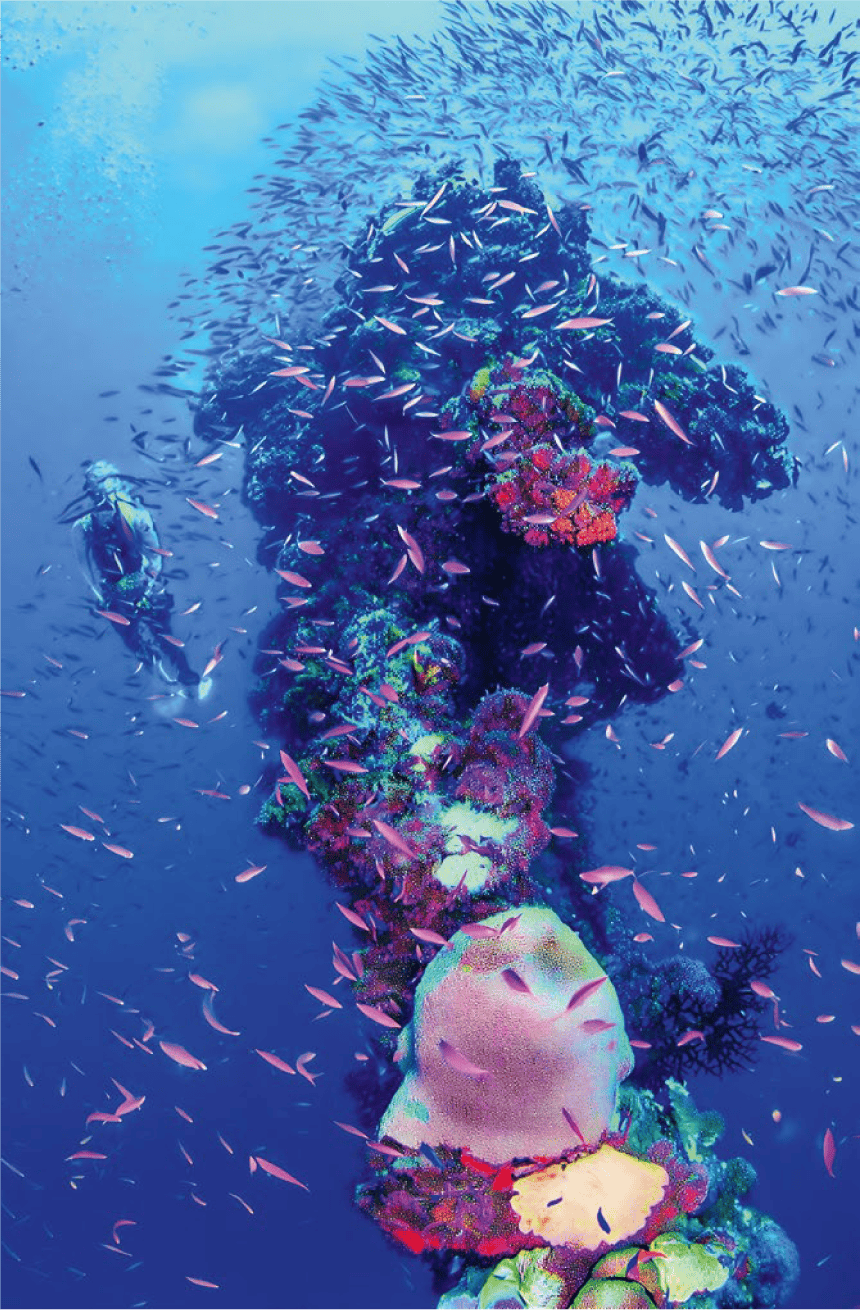
Beneath the blue waters of the lagoon, encrusted with coral, are more than 60 sunken ships from the Japanese WWII fleet. Lashed to the decks of freighters are the rusty remains of fighter planes and trucks.
The lagoon has been declared a monument, with the salvage and taking of relics prohibited by law. Divers must obtain a permit before diving around the ships.
One of the top two scuba diving locations in the world, Chuuk’s water temperatures are 29°C and incredibly calm between the periods of October – November and April to June. The average temperature above water is 30°C.
The main island of Weno is the capital and commercial centre, and Chuuk’s State Centre is where visitors can experience a taste of island life by visiting the local stores jammed with everything from kerosene stoves to ladies’ wear and handicrafts.
VIEWS OF HISTORY
For an outstanding view of Weno and the lagoon climb into the old lighthouse built during the Japanese occupation, and visit the Blue Lagoon Resort for a stroll in the coconut palm grounds with splendid views across the water to Dublon Island, formerly the Japanese military headquarters.
The Japanese Wartime Communications Center is the principal structure in the complex of buildings that now comprise Xavier High School. Built of reinforced concrete with walls three-to-four feet thick, the massive building sustained little damage despite direct hits from US bombers.
The property on which the building stands had been purchased by the Catholic Church prior to the war, and today the complex includes classroom buildings, a chapel, a study hall, and gymnasium.
The Tonata Guns and Caves serve as other reminders of wartime. Japanese Forces fortified many natural caves on Weno and other islands in Chuuk.
The highest peak on Weno is Tonachaw Mountain (also known as Mt Iras) at 229 meters. This mountain is the legendary home of the god Souweras and his divine son. Situated by the Wichon River and Falls, the Wichon Men’s Meeting House is the spot where Weno chiefs are reported to have met with Poowere, eldest of the six brothers who were the first chiefs in one specific ancient system known to ethnographers.
The shallow pool at the base of the Falls is still used for bathing and sport, just as in historic times. Numerous petroglyphs are etched in the exposed basalt above the Falls.
Nefo Cave, just 50 meters from the Governor’s Residence, is about 10 feet wide, 6 feet high and 78 feet long. The cave contains a gun used by Japanese soldiers to guard entry to the north pass, and many soldiers lived there.
Nemwes and Fouman Rocks, in Tunuk and Onip on Udot Island, are associated with the tales of the ancient exchanges between Chuuk and Yap, the island group that lies to the southwest.
Ocean excursions and adventure trips to other pristine locations can be arranged through hotels and the Chuuk Visitors Bureau. Sunrise and sunset cruises of the lagoon or to the outer islands are gladly serviced via small aircrafts within the Caroline Island Air, wings of the Federated States of Micronesia.
NATURAL BEAUTY
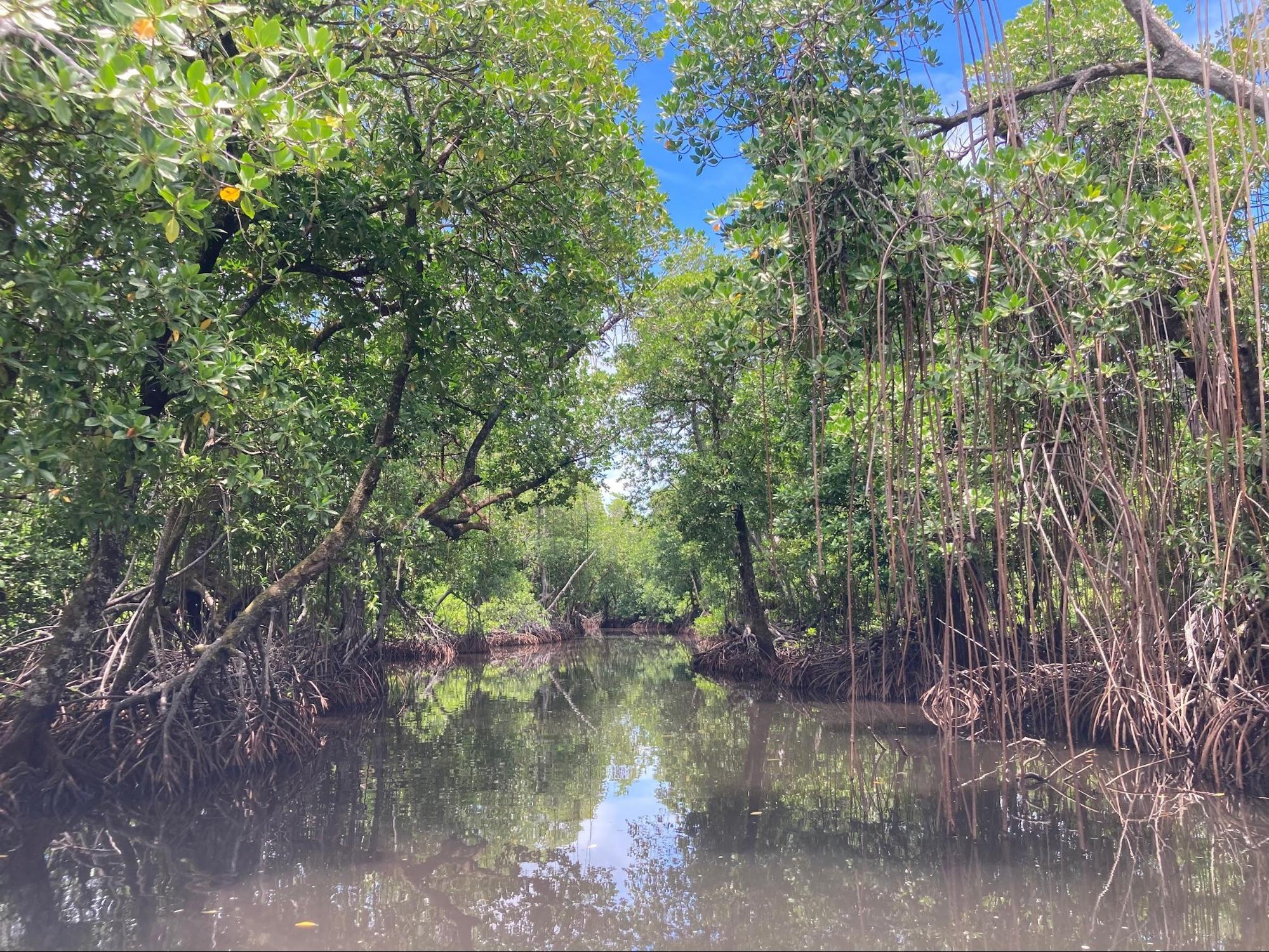
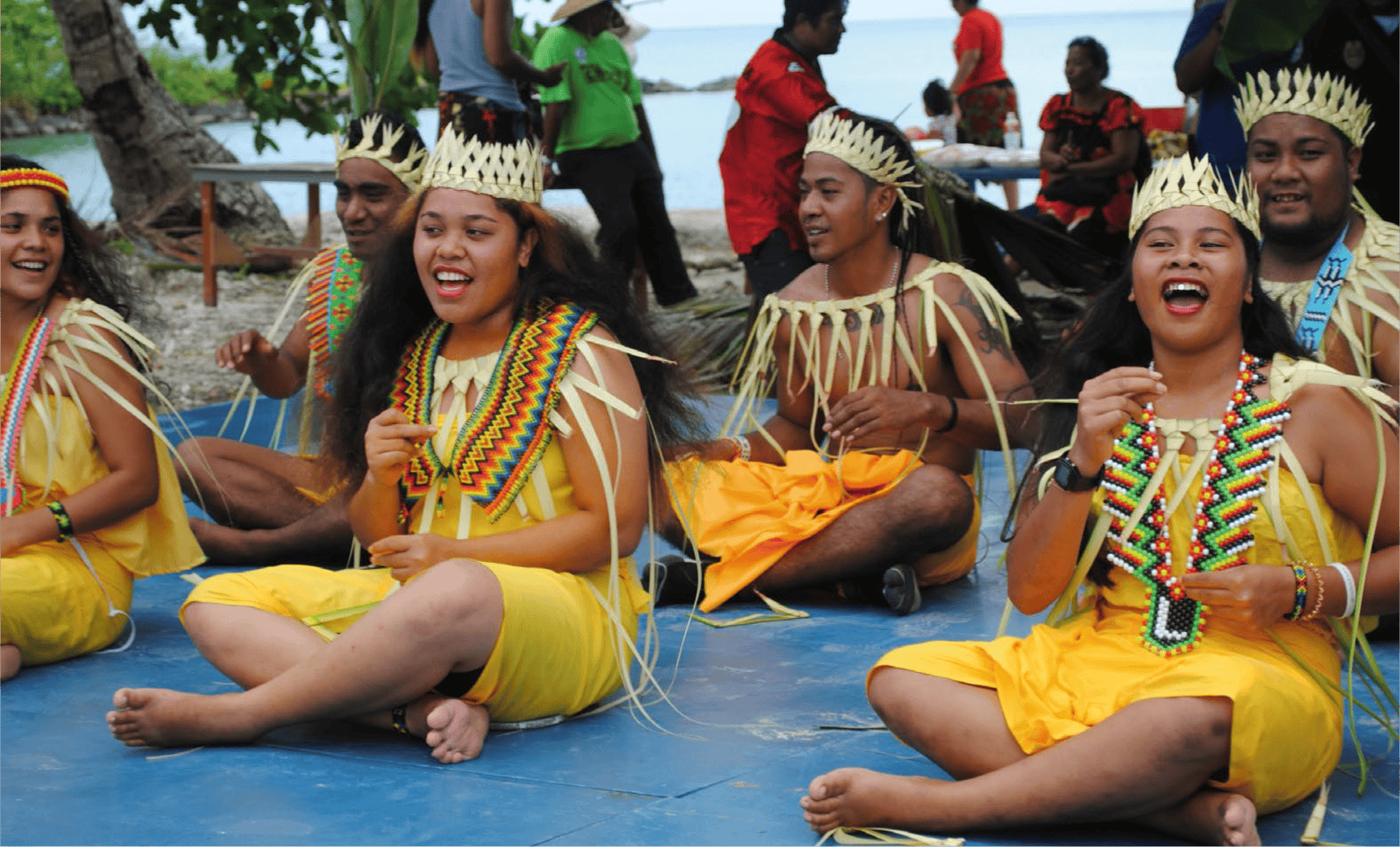
The many islands within this huge atoll are adorned with natural beauty. Many have lush vegetation that shelters rare birds. Wild orchids and other flora are found in the scenic and often rocky terrain. Life here is lived close to nature and in harmony with the land and the sea. For many, fishing, weaving and tending gardens often take over from the subsistence lives on individual islands.
Open hearth fires are still used to cook the meals, especially during festive occasions. Boat makers create vessels high in the hills of the inner islands and take them down to the sea when they’ve finished building them. Carvers here are famous for using beautiful local woods to carve warrior masks and busts. The Chuukese love stick is part of a legendary practice of courtship unique to this island group.
The famous Paata Turtle Cave is a natural structure with an intriguing ancient heritage. Traditional lore describes how it was built by two turtles during prehistoric times, the cave providing a passageway for villagers on Paata Island to bring tributes to their island chief without being terrorized by the massive ghost Oneiap from nearby Oneisomw Island. Before the turtles came to the villagers’ rescue, Oneiap could see from afar and would wade through the ocean between Paata and Oneisomw to snatch the food tributes away to his place, leaving the chief and his people hungry. A magician from the island summoned the two turtles, one male and one female, to help dig the hole through the mountain base to allow movement between villages out of sight of Oneiap. That cave is known today as Fouimw and runs in a straight direction so, depending on where people enter, from east-to-west or west-to-east, directly to the opposite side. It is one of the largest, naturally occurring tunnels in Micronesia.
American dollars are used while traveler’s cheques and currency can be changed at banks and at some hotels. When visiting traditional areas, respect local customs.