Rota

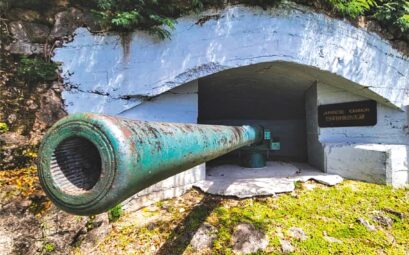
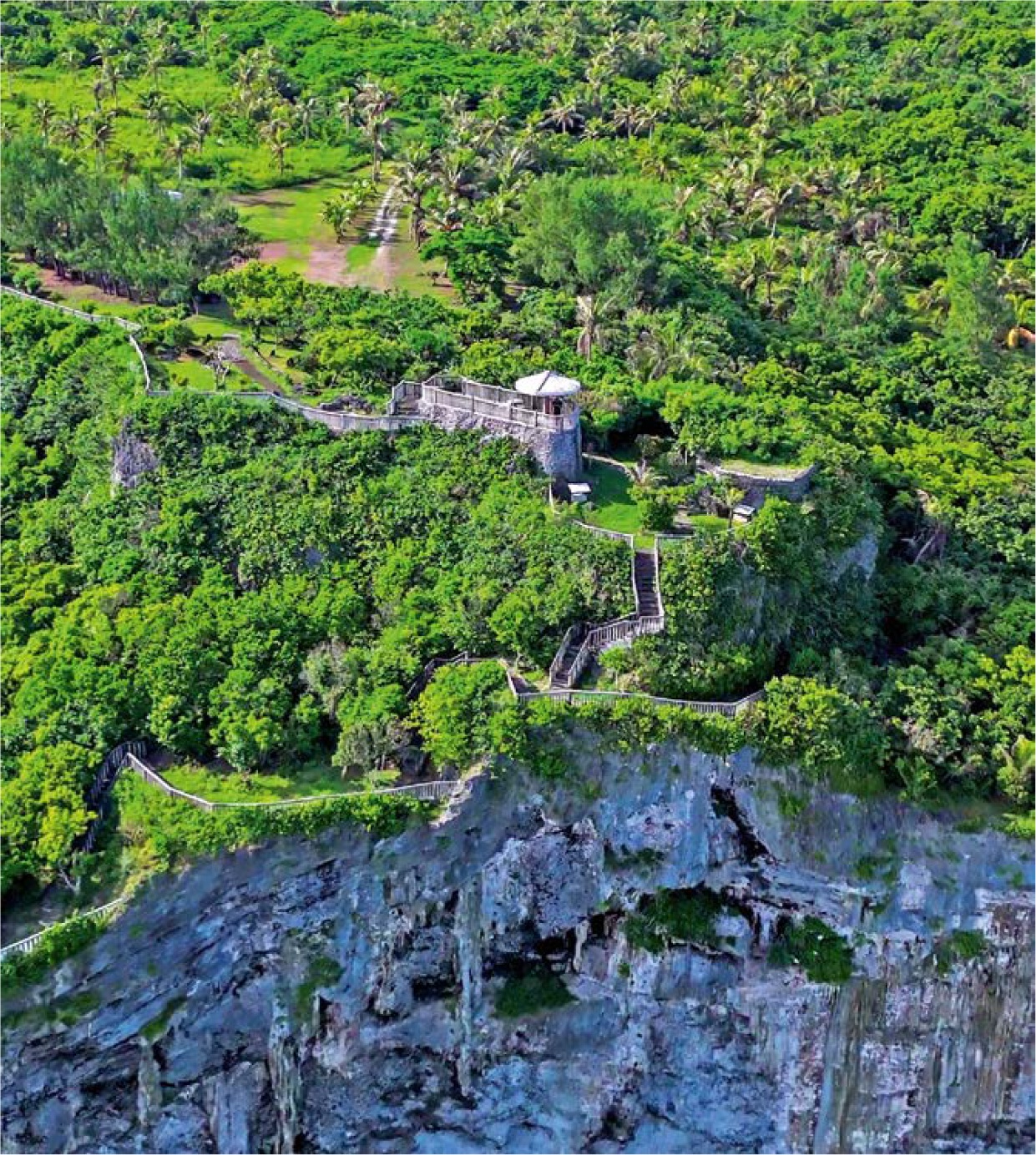
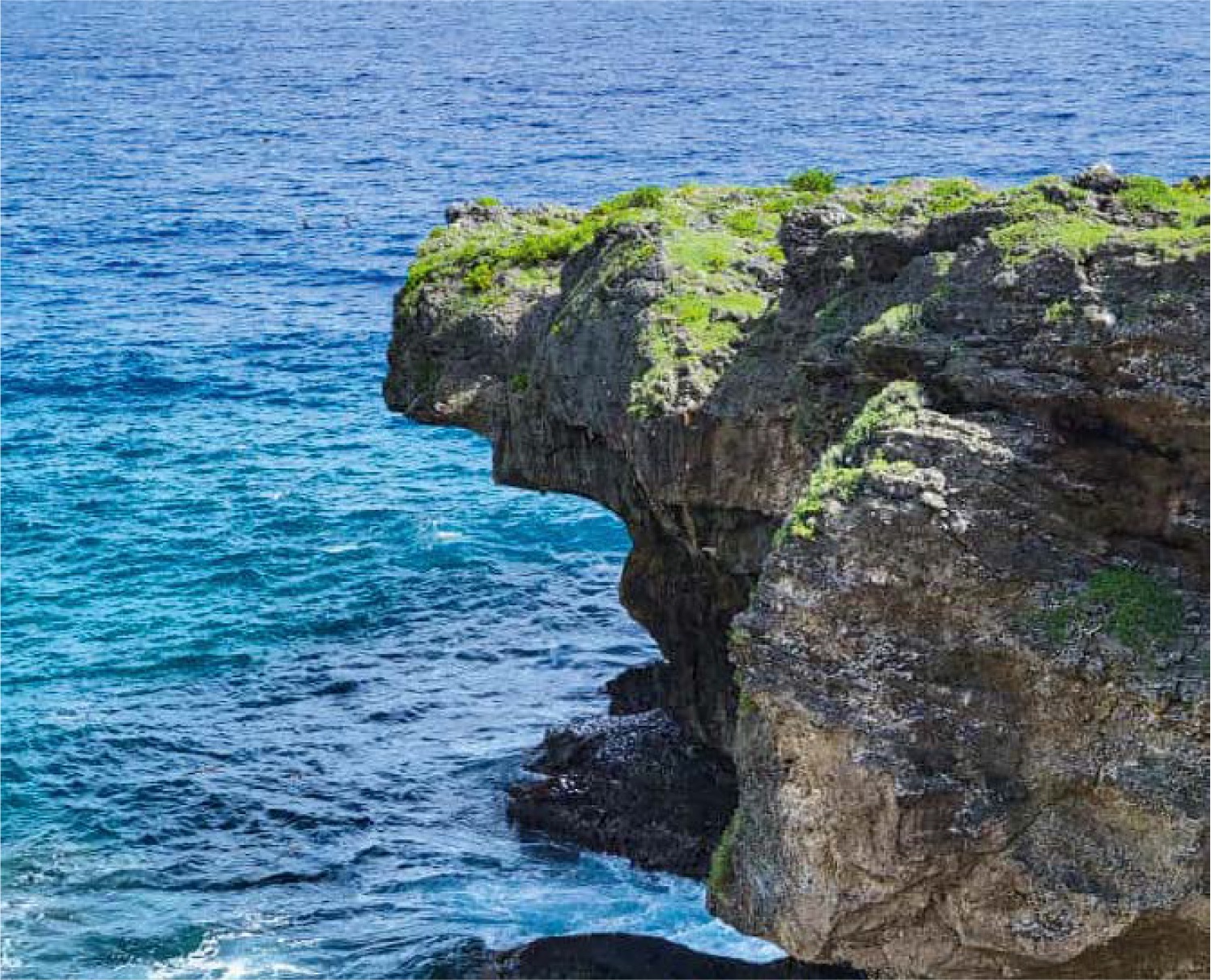
High above the cliffs of Rota, the Japanese Canon Overlook is a place where time seems to stand still. The journey there is part of the charm. A winding road that disappears beneath a lush green canopy, where sunlight filters through the leaves and the air is thick with the scent of rain-soaked earth and wild orchids. It’s the kind of drive that makes you slow down, roll down the windows, and let the island’s serenity sink in.

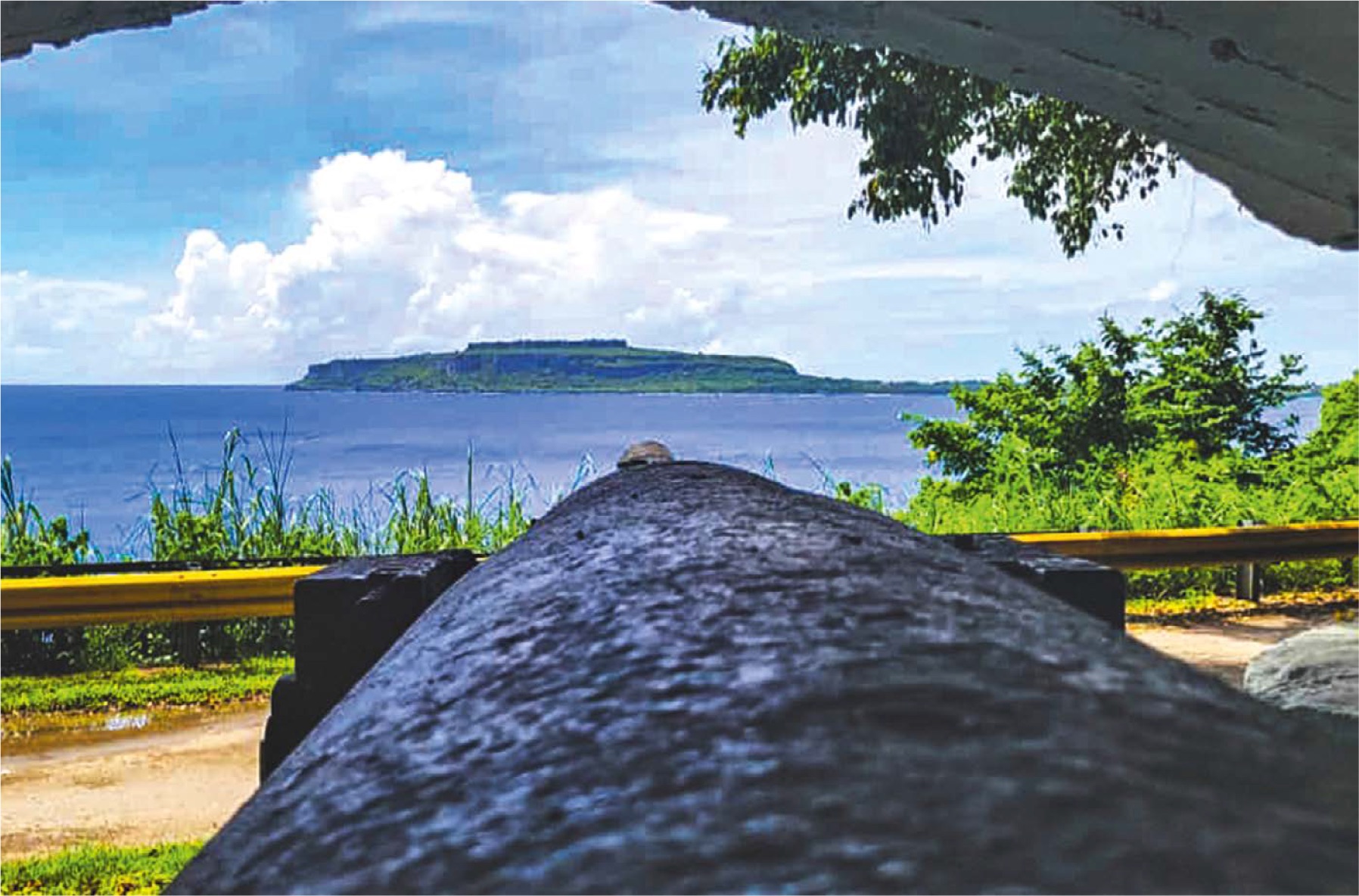
When the forest finally opens up, the view takes your breath away. Before you lies an endless stretch of the Pacific, its deep blues merging seamlessly with the sky. On clear days, you can even make out the faint silhouette of Guam on the horizon.

But what makes this overlook truly special is the silent sentinel that stands watch, a Japanese coastal defence cannon left behind from World War II. Once positioned here to guard against approaching Allied forces, the cannon never saw combat.

Now, rusted and weathered, it rests peacefully against a backdrop of sea and sky, a quiet reminder of Rota’s layered past. Standing at the edge, with the ocean breeze brushing your face and the waves crashing below, you can’t help but feel the weight of history mingling with the island’s unshakable calm.

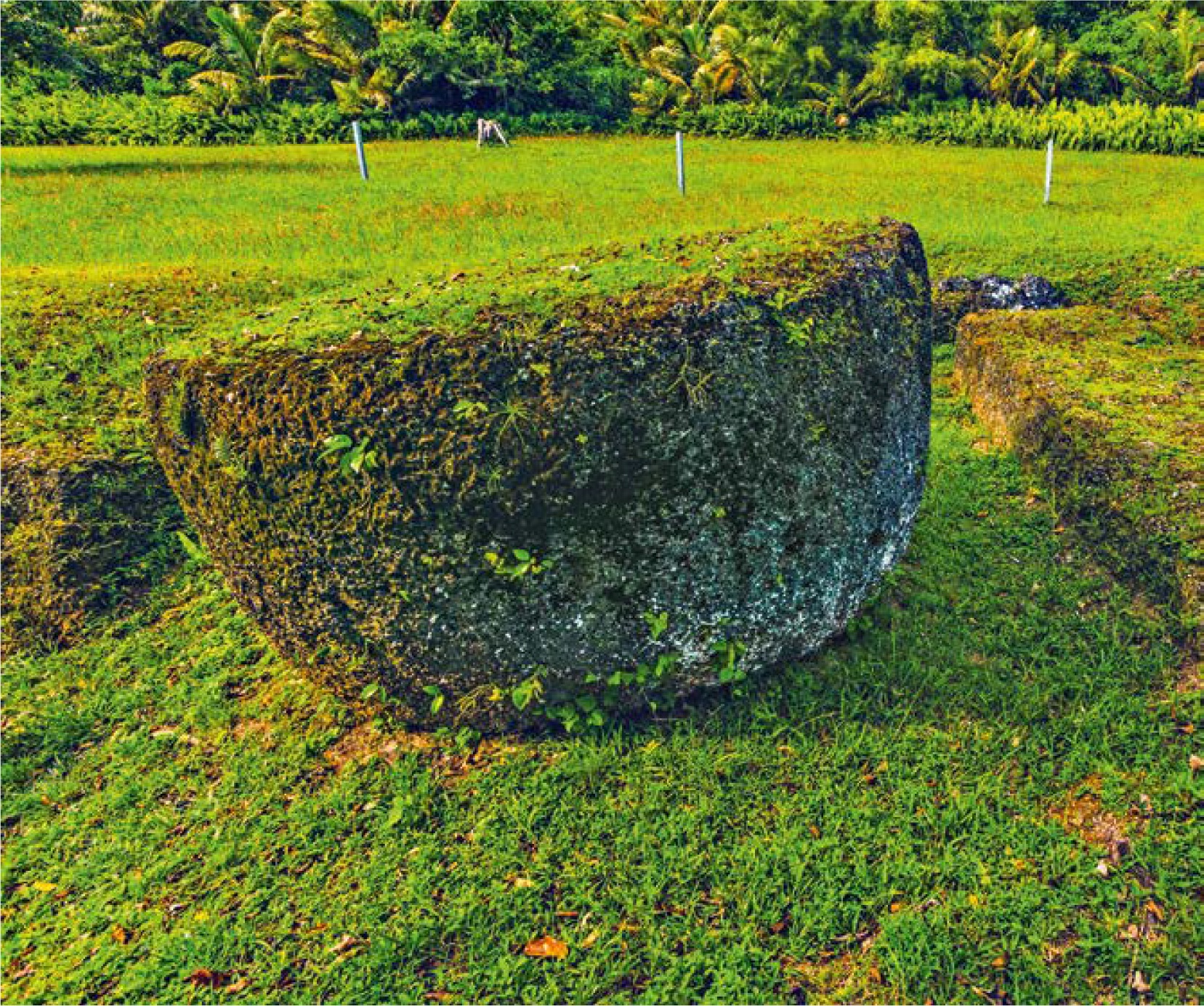
Hidden beyond the familiar sights, the latte stone quarry reveals the island’s true legacy—a place where culture and history are carved in stone. Among
its treasures lies a colossal latte stone that, if ever erected, would have stood as the tallest in the Northern Mariana Islands—a testament to the remarkable craftsmanship and enduring spirit of the ancient Chamorros. Massive stone pillars that once held up their homes, temples, and meeting places. These stones, known as latte, are more than architectural feats—they are symbols of identity, resilience, and connection to the land.
As you walk through the quarry, you’re not just exploring a historic site—you’re stepping into the living past. Unfinished stones lie where they were abandoned centuries ago, still bearing the chisel marks of the ancestors. The air feels still, almost sacred, as if the land remembers.

For travellers seeking more than just sightseeing, a visit to the latte stone quarry offers a rare, authentic encounter with Rota’s rich heritage. It’s a journey into the roots of island life—where every stone tells a story, and every step brings you closer to the spirit of the Chamorro people.
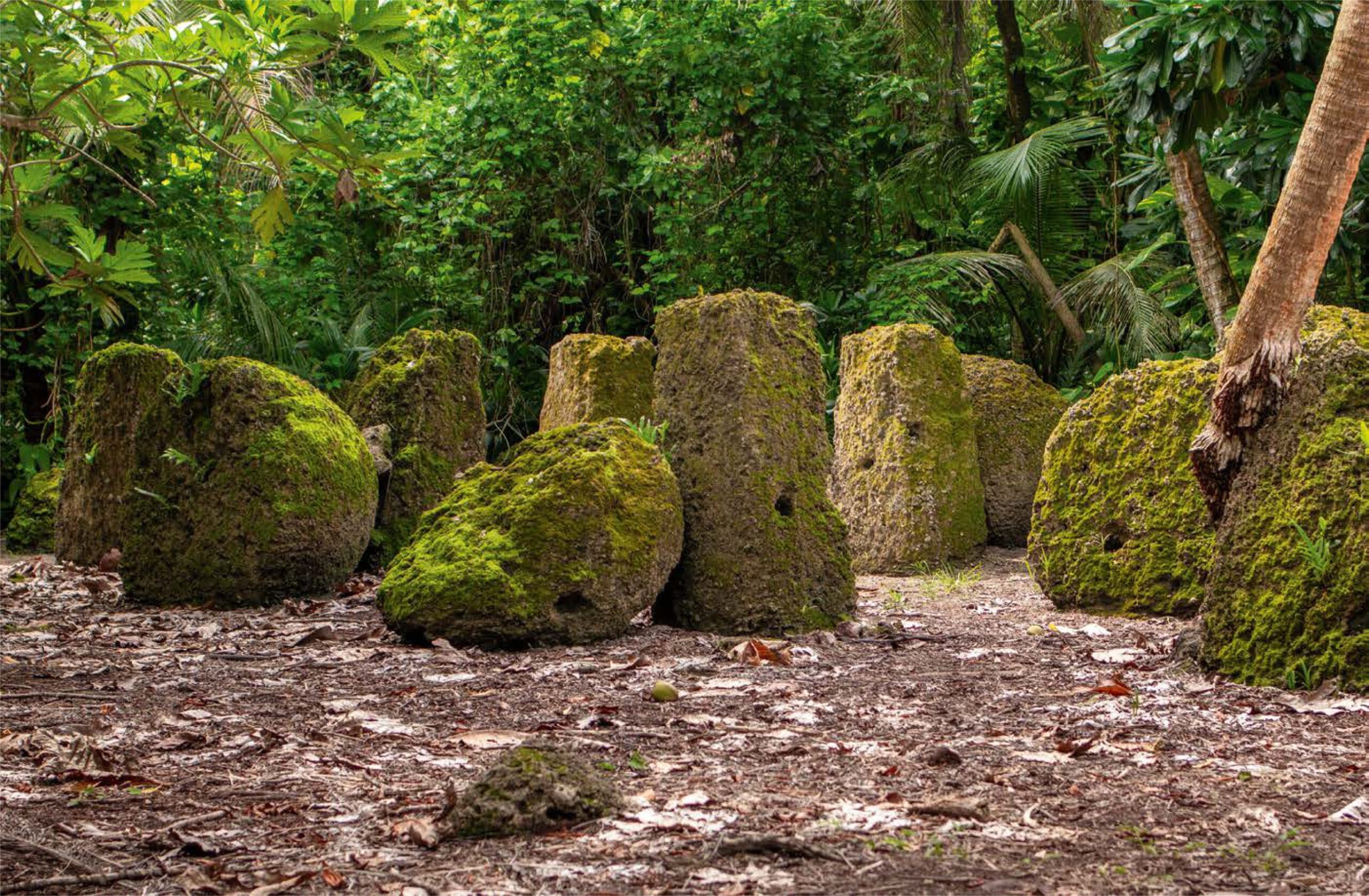
Tucked along the quiet northern coast of Rota, just a breath away from the shoreline, lies the Ancient Mochong Latte Village—a place where time lingers and the past speaks softly through stone. As you walk among the towering latte stones, some still standing tall while others rest where centuries have placed them, there’s an unmistakable sense of reverence in the air. These stone pillars, once the foundation of Chamorro homes, echo with stories of a people who lived in harmony with the land and sea. The site is one of the most intact and extensive latte villages in the Mariana Islands, offering a rare and tangible connection to the island’s pre-colonial history.

Surrounded by whispering coastal trees and the distant hum of ocean waves, the village invites quiet reflection. The earth beneath your feet holds the footprints of ancestors, and the tropical breeze seems to carry their songs. Wandering through Mochong, you don’t just see history—you feel it. It’s in the worn surfaces of the stones, the layout of ancient dwellings, and the spirit of resilience that still lingers. Visiting this sacred site is less about sightseeing and more about stepping into a living memory—one that honours the enduring legacy of Rota’s first people.

Step into nature at the Rota Bird Sanctuary, one of the island’s most peaceful and captivating spots. Here, rare island birds like the Marianas Crow, Fruit Dove, and Ko’ko’ bird thrive in their natural home, endangered species you can’t really find anywhere else in the world. As evening falls, you’ll be able to see all kinds birds including the Marianas Fruit Bat fly around, adding a touch of magic to the island sky.

It’s the kind of place that can “make you feel like you’re in a National Geographic,” peaceful, untouched, and alive with colour and sound. Whether you come to birdwatch, take photos, or simply breathe in the calm fresh air, the sanctuary is a reminder of why Rota is known as the peaceful and beautiful island.

Hidden along the rocky coast of Rota, the Rota Swimming Hole is a hidden gem revered by both locals and visitors for its breathtaking natural beauty and refreshing waters. This serene oasis is not your typical beach or man-made pool—it’s a naturally formed swimming hole sculpted by volcanic rock and fed by a unique blend of ocean water and freshwater that filters through the porous limestone. The result is an inviting, crystal-clear pool that stays remarkably cool and clean, offering swimmers a one-of-a-kind experience. Surrounded by dramatic rock formations and the vibrant hues of tropical foliage, the setting is as picturesque as it is tranquil.
What makes the Rota Swimming Hole truly special is the way it blends the power of nature with a sense of calm. The ocean tides gently refresh the pool with each wave, while freshwater trickling in from inland sources creates a purifying effect, making the water feel softer and less salty than the surrounding sea. It’s a favourite spot for swimming, snorkelling, and simply relaxing under the island sun.

The natural rock formations act like protective walls, sheltering swimmers from rough surf while still maintaining a close connection to the ocean. Whether you’re looking to cool off after exploring Rota’s scenic trails or seeking a quiet place to float and take in the view, the Rota Swimming Hole delivers an unforgettable escape into nature’s design.

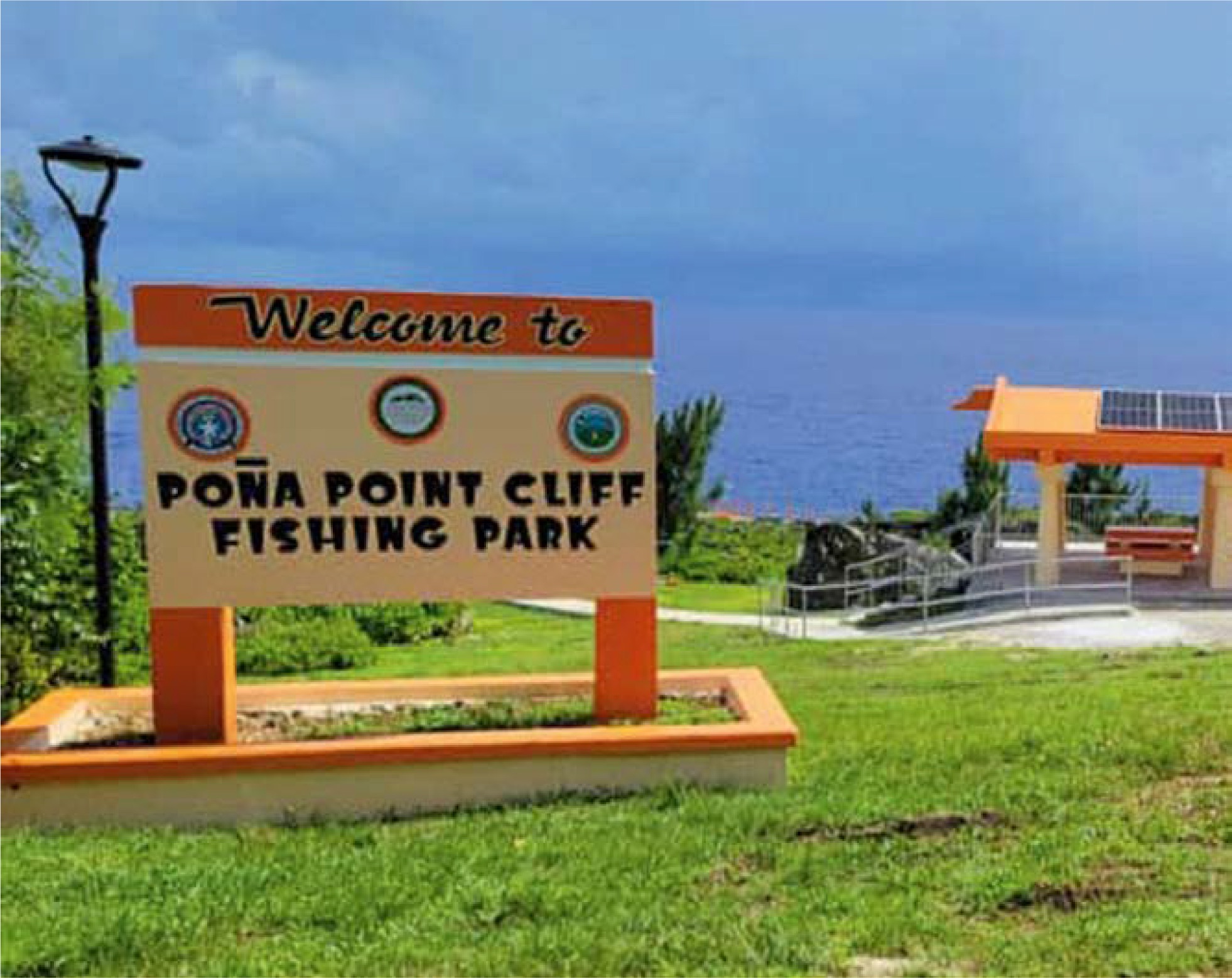
The eastern tip of the Sasanhaya Bay of Rota, Pona Point Cliff Fishing Park is where nature’s drama unfolds in breathtaking detail. Here, the wind carries the tang of sea salt, and waves crash with rhythmic power against the reef-strewn base of the cliff, sending a misty spray into the air. It’s a beloved gathering place for both residents and travellers who come to cast their lines into the deep, watch for sea turtles gliding below, or spot flashes of parrotfish weaving through coral gardens. With the vast Pacific stretched endlessly before you and the island’s verdant mountains rising protectively behind, it feels as though the world pauses at Pona Point—just long enough for you to breathe it all in.
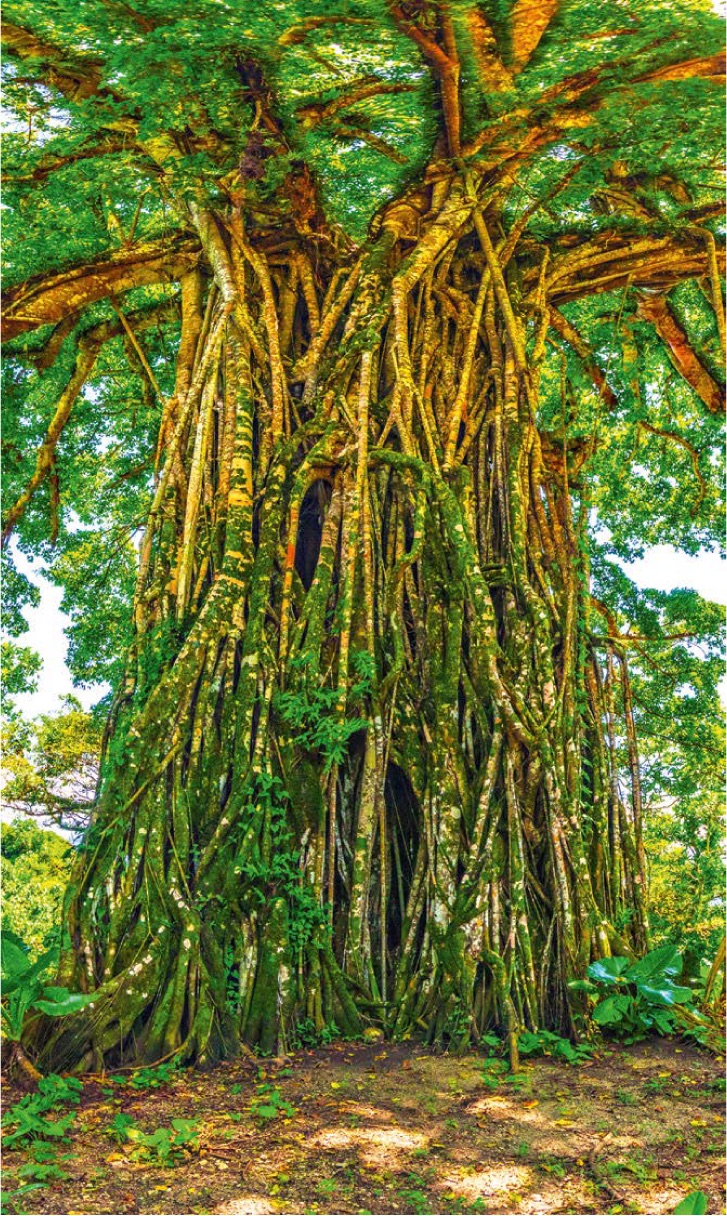
The largest banyan tree in the Marianas stands proudly on the island of Rota, a living monument to time, resilience, and nature’s quiet majesty. Known locally as one of Rota’s most iconic natural landmarks, this massive banyan tree spreads its aerial roots wide and deep, forming a network of trunks and branches that create a shaded cathedral beneath its canopy. Its twisting roots and sprawling limbs have grown for generations, serving as both a natural wonder and a cultural symbol for the people of Rota.

For many locals and visitors alike, the tree represents strength, connection, and the enduring bond between nature and the Chamorro people. Beneath its branches, one can feel the stillness of the island — a reminder of Rota’s untouched beauty and deep-rooted heritage. Whether viewed as a sacred space, a natural marvel, or simply a breathtaking sight, Rota’s great banyan tree continues to inspire awe and reverence as the largest of its kind in the Mariana Islands.
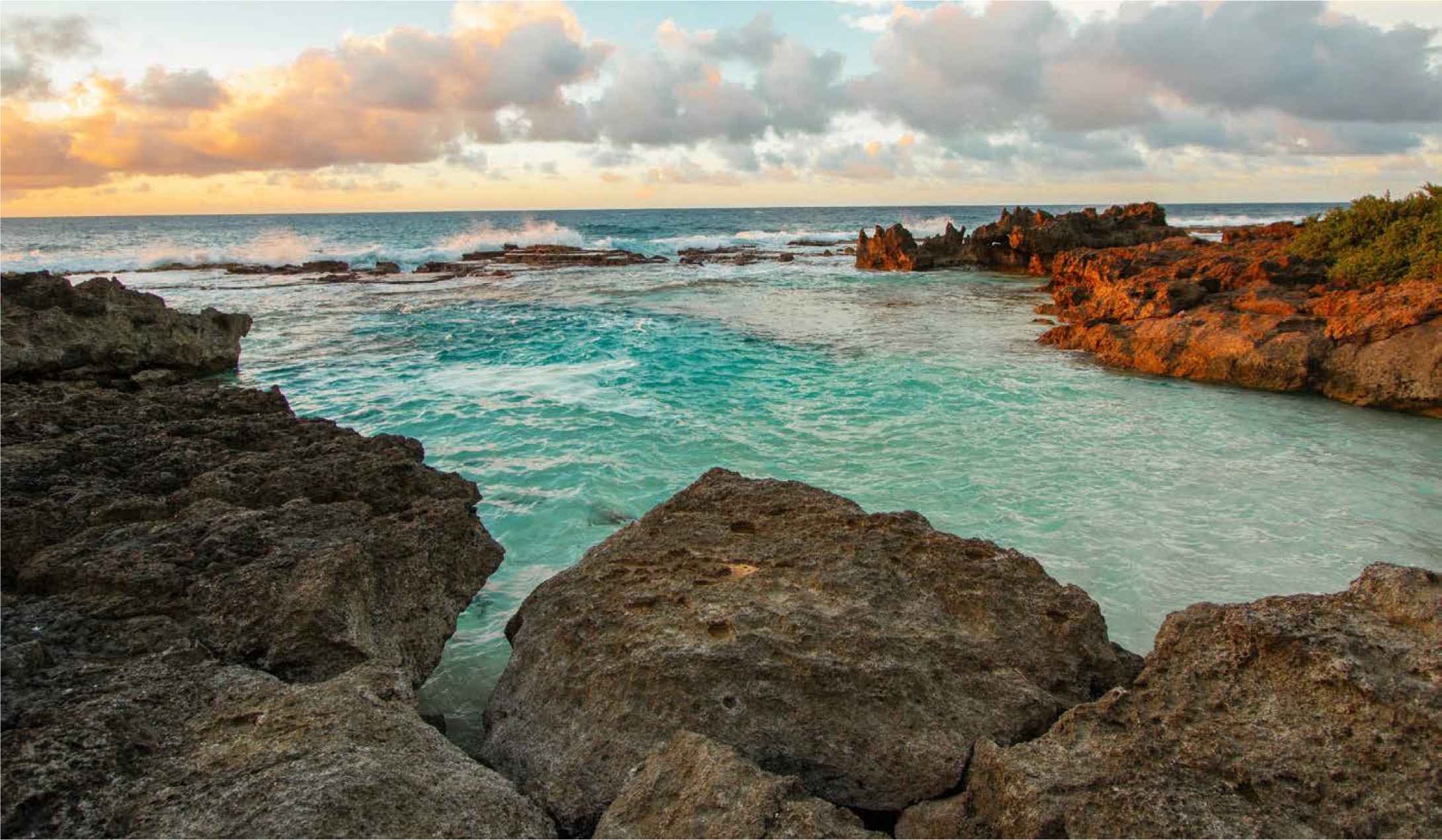
But beyond its scenic allure, Pona Point cradles something rarer still—life teetering on the edge of extinction. This cliffside haven is one of the last places on Earth where the native Nesogenes Rotensis blooms, its delicate form defying time and tide. Nearby, the ancient Cycas Micronesia, a resilient remnant of a distant past, clings to the soil, quietly bearing witness to the rhythms of wind and wave. Pona Point is not just a place to visit—it’s a place to feel deeply, to fish and reflect, to marvel and protect. It’s where the spirit of Rota speaks in the language of water, rock, and rare life.

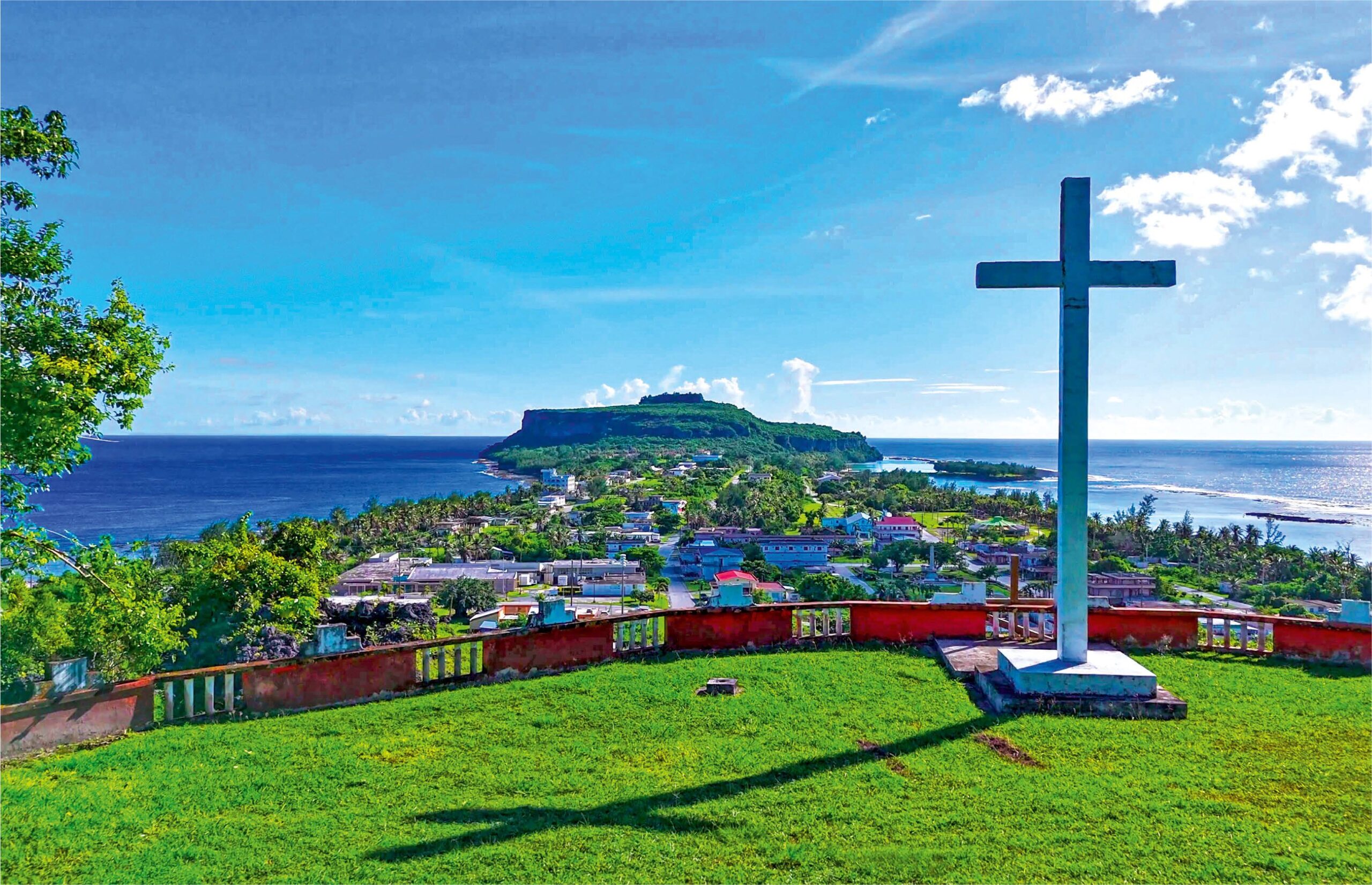
Overlooking the heart of Sonsong Village, the Cross Overlook is one of Rota’s most scenic and serene viewpoints. As you make your way up, the breeze gets cooler, the sounds of the village fade away, and the island’s beauty slowly unfolds beneath you. The short drive (or hike) rewards you with a breathtaking view of the whole village below – charming homes, winding roads, the calm blue ocean, and the peaceful island breeze all around you. It’s one of those spots where time slows down, and you can just soak in the beauty of island life.

Whether you visit in the soft flow of the morning, under the bright midday sun, or as the sky turns golden in the evening, the view from the Cross Overlook never disappoints. Any time of day, you’ll be treated to a sweeping island view with Mt. Taipingot – better known as Wedding Cake Mountain – rising gracefully in the distance. It’s a peaceful place to reflect, snap a few photos, or simply take in the quiet charm that makes Rota so special.
Across the island of Rota, statues rise like whispers of heritage—each one telling a story of strength, spirit, and nature’s grace. The Statue of Chief Taga stands tall, honoring the legendary Chamorro chief whose might and legacy still echo through the island’s heart. Nearby, the Marianas Fruit Dove spreads its wings in quiet beauty, a symbol of peace and island pride.

The Fruit Bat hangs in eternal stillness, guardian of the forests and provider of plenty, while the Deer stands alert amid Rota’s green hills, a nod to the island’s living traditions. The Coconut Crab, strong and enduring, reminds all of resilience drawn from the land. And high above, the Marianas Crow watches with wisdom, a keeper of stories untold.

Together, these statues form a timeless circle of life—where culture meets nature, and the spirit of Rota lives on in stone and sky.
Aqua Resort Club Saipan

Escape to the premier beachfront getaway of Aqua Resort Club Saipan, where luxury and relaxation await you. The resort is nestled on the picturesque Achugao Beach of Saipan, offering stunning views of the Pacific Ocean that will take your breath away. With exceptional service and amenities, the resort provides an unforgettable experience for all guests.

ULTIMATE LUXURY

Experience the ultimate in luxury. The beautiful accommodations are designed to provide the perfect retreat from the hustle and bustle of city life. Relax in spacious rooms featuring modern amenities, including free Wi-Fi, flat-screen TVs, and air conditioning. Step out onto your private balcony to take in the stunning ocean views and breathe in the fresh sea air.

Savor delicious cuisine with various fine dining options, where talented chefs prepare international cuisines using only the finest ingredients, with a beachfront picture-perfect view of Saipan’s beautiful sunsets.

The resort also features a wide range of activities and facilities, including large swimming pools, jacuzzi and spa, fitness center, wellness activities and aqua marine sports activities.

With so much to see and do, Aqua Resort Club Saipan is the perfect place to unwind and create unforgettable memories. Book your stay today and discover the ultimate beachfront getaway.

Saipan

Nestled in the Western Pacific Ocean, Saipan is the largest island in the Commonwealth of the Northern Mariana Islands (CNMI), offering visitors a unique blend of pristine tropical beauty, historical significance, and multicultural charm. This U.S. commonwealth territory presents an accessible yet exotic destination where American convenience meets Pacific island serenity.

Ancient & Colonial History

Saipan’s human story began approximately 4,000 years ago when seafaring Austronesian peoples from Island Southeast Asia arrived in outrigger canoes, establishing what would become the Chamorro civilization. These indigenous inhabitants developed a sophisticated culture marked by impressive latte stone pillars — megalithic structures featuring hemispherical capstones that remain iconic symbols of the island today. The arrival of Ferdinand Magellan’s Spanish galleons in 1521 marked the first contact between Europeans and Pacific islanders, initiating centuries of Spanish colonial rule. The Spanish period tragically decimated the Chamorro population through disease and conflict, with numbers plummeting from an estimated 50,000-100,000 in the early 17th century to fewer than 1,000 by 1820.

Pivotal Battle of World War II

The Battle of Saipan (June 15 – July 9, 1944) represents one of the Pacific War’s most significant and harrowing campaigns. More than 71,000 American troops invaded the island, facing fierce resistance from 32,000 Japanese defenders. The 24-day battle claimed over 46,000 military casualties and at least 8,000 civilian deaths. The island’s northern cliffs witnessed unspeakable tragedy as thousands of Japanese soldiers and civilians chose death over surrender — jumping from locations now known as Suicide Cliff and Banzai Cliff. Today, visitors can explore numerous WWII memorials, battle-scarred Japanese military fortifications, and the Last Japanese Command Post, ensuring this history remains vividly preserved.

US Political Union

In 1975, the Northern Marianas entered into a covenant with the United States, establishing a self-governing commonwealth. This unique political arrangement, approved in 1978 and fully implemented in 1986, grants CNMI residents U.S. citizenship while maintaining local governance autonomy in certain areas including taxation and immigration.

VISA Requirements & Getting There

For U.S. citizens, visiting Saipan requires only a valid passport — no visa needed. International travelers from countries including Australia, Japan, South Korea, Taiwan, and several others can enter visa-free under the Guam-CNMI Visa Waiver Program for stays up to 45 days. Chinese citizens can apply for the G-CNMI ETA online prior to travel. Saipan International Airport (SPN) serves as the main gateway, with direct flights from Seoul, Tokyo, and connections through Guam, plus routes from major U.S. cities. The airport is approximately 10 kilometres from the main city of Garapan, with taxi transfers taking 12-18 minutes.

Natural Attractions & Activities

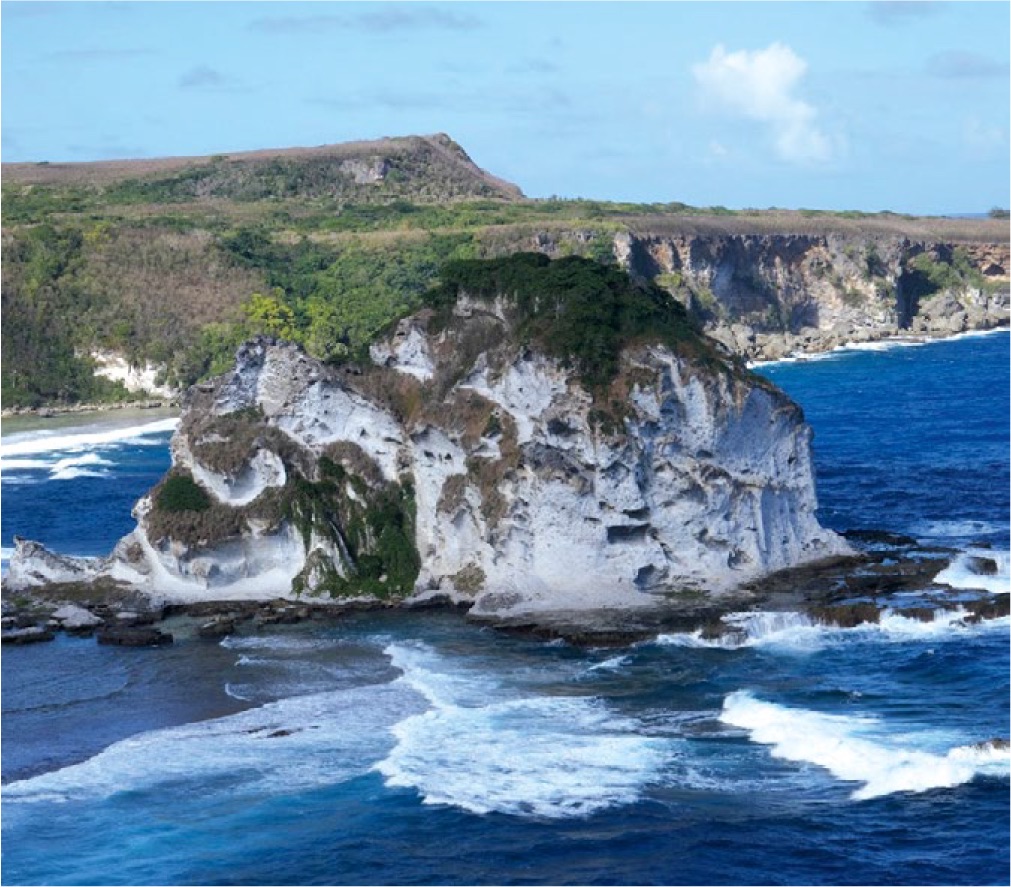
Saipan’s spectacular natural beauty centres on world-class diving and pristine beaches. The Grotto, ranked among the world’s top diving sites, features an underwater limestone cavern with three tunnels opening to the ocean, bathing divers in ethereal blue light. Managaha Island, a small paradise offshore from Garapan, offers perfect white sand beaches and crystal-clear waters. Lau Lau Beach provides easy shore diving with diverse marine life including sea turtles, rays, and vibrant coral reefs. Adventure seekers can hike to Forbidden Island’s hidden tide pools and caves, while Bird Island offers postcard-perfect photo opportunities.

Climate Considerations

Saipan enjoys warm tropical weather year-round, with temperatures ranging from 75-87°F (24-31°C). The dry season from December to June provides ideal conditions, while July through October brings heavier rainfall and occasional typhoons. Sea temperatures remain pleasant at 79-86°F throughout the year, perfect for water activities.

Culinary Delights

Chamorro cuisine showcases the island’s cultural fusion with signature dishes such as kelaguen — chicken, beef, or seafood marinated in lemon juice and fresh coconut. The local food scene also reflects strong Japanese, Korean, and Filipino influences.

Beaches and diving are the primary draws of Saipan, that are complemented by excellent restaurants, hotels, nightspots, shopping, monuments and golf. Saipan balances its tragic wartime legacy with natural splendor and vibrant culture, offering travelers an unforgettable Pacific experience.


China Star Hotel & Restaurant

Located in Pohnpei’s capital of kolonia, China Star Hotel offers air-conditioned accommodations ranging from single rooms to suites – some featuring sea views, and each with a private bathroom, flat- screen TV, and free Wi-Fi.

After enjoying the many interesting sites of Pohnpei, guests can unwind in these well-appointed rooms that combine modern amenities with traditional charm.

The property offers room service, a 24-hour front desk and currency exchange for guests and China Star Hotel is also pet friendly.

Authentic Cuisine

Renowned for delicious and authentic Chinese cuisine, China Star’s on-site restaurant has a menu that celebrates such culinary traditions – from savory stir-fries to delectable dim sum, each dish crafted from fresh ingredients. Try such signature dishes as Kung Pao Chicken. The inviting ambiance is ideal for romantic meals and family dinners.

Or socialise in the bar area – over local beverages or cocktails; for a wonderful treat do indulge in the cocktail specials.

Whether for pleasure or business, China Star Hotel offers comfortable accommodation with Pohnpei International Airport conveniently only metres away.

Blue Lagoon Resort And Dive Shop

This pioneer resort is situated on one of the most naturally beautiful peninsulas in all of Micronesia at the southwest tip of Weno Island, Chuuk, in the Federated States of Micronesia.

First built by Continental Airlines in the 1970s, the grounds are highlighted by towering coconut trees, and the sun always sets in clear view, giving visitors an amazing show.

Blue Lagoon Resort is one of those places that visitors love to return to. The rooms are newly renovated and air-conditioned with in-room Wi-Fi, and each offers a balcony view of the lagoon. Guests enjoy a tropical setting and there is snorkeling right from the shore. An added attraction is lagoon island glamping at nearby Jeep and Fonomu Islands.

The full Dining Room features a large menu offering international as well as local dishes. The grounds are well-manicured and on-site are a beauty salon, massage therapist, business center, the famous Sunset Bar, kayak and SUP rentals, and an island gift shop.

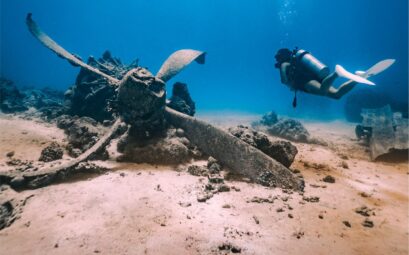
Offering coral-laden historical shipwrecks, scuba enthusiasts from around the world visit Blue Lagoon, the shipwreck capital of the world. Artifacts, beautiful corals and abundant marine life reward divers who descend the tranquil lagoon waters. The resort was purchased by the family of Hall of Fame Chuukese diver Kimiuo Aisek and continues to be family-run to this day.

BLUE LAGOON DIVE SHOP

Chuuk’s first and most experienced dive shop, Blue Lagoon Dive Shop is staffed by qualified Chuukese guides who know the wrecks extremely well. Air, Nitrox TriMix and Mixed Gas are all available for recreational divers to experienced TEK & CCR divers. The Blue Lagoon shop also offers an array of souvenir T-shirts, caps and other wearables. Visit with the staff and learn about the World War II coral-covered shipwrecks of Truk Lagoon.

KIMIUO AISEK

The late Kimiuo Aisek founded Blue Lagoon Dive Shop. It is the pioneer diving business in Truk Lagoon, hosting journalists, television crews and special projects plus many enthusiastic divers from all over the world. Known as “Micronesia’s Ambassador”, Kimiuo was the first Micronesian to be inducted into the International Scuba Diving Hall of Fame. The Aisek family has continued his amazing legacy. The Kimiuo Aisek Memorial Museum was built in his honor and opened on the resort grounds on 13 September 2014.

7 Stars Inn

Let 7 Stars Inn be your home while visiting Pohnpei.

Located in downtown Kolonia, the newly-renovated 7 Stars Inn is a familyrun business that features clean, comfortable and affordable rooms, an in-house bar and restaurant, and a 24- hour front desk served by friendly staff.

The 7 Stars Inn offers complimentary airport pickup and guest parking. It’s a good option for those stopping in Pohnpei on the popular United Airlines Island Hopper.

Each room type offers a private bathroom, air-conditioning, a refrigerator (full-sized or small) and some include a kitchen or kitchenette, small dining and comfortable living rooms. There’s a choice of Suite, Deluxe, Double and Single Rooms offering combinations of king-size and queen-size beds as well as twin beds. There’s also cable television and Wi-Fi access, a small desk with chair, a closet, and dresser.

BEST EXPERIENCE

The on-site Riverside Restaurant is most convenient for guests. Serving three meals a day, it offers a mix of delicious American and Filipino cuisine as well as local dishes and the bar is open from 5 pm to 10 pm. Guests can pay by cash or credit card. For those looking to avoid stairs when going to the restaurant, the front door to the ramp gives easy access to the guest parking lot behind the hotel.

7 Stars Inn is committed to giving guests the best experience possible

Internet speed in Palau

Internet in Palau

When you land at the airport and line up in the immigration area, you can start using the free PNCC WiFi from Palau National Communications Corporation.  The coverage extends to the baggage claim area and the arrival lobby.

Note, there is also free PNCC WiFi in the airport departure lounge (second floor), but not at the departure check-in area on the first floor.

PNCC offers visitors the following options for internet access in Palau: international roaming, mobile data, 4G Pocket WiFi, and WiFi Hotspots.

  • For international roaming select 55201 or PLW01.
  • Nationwide mobile service, with 4G/3G coverage in Koror, Airai, Peleliu, Melekeok, Ngarchelong, Ngaremlengui, Ngatpang, and Ngchesar, and 3G in other states.
  • PNCC also offers 70 WiFi Hotspots that can be accessed with prepaid Internet cards, which are sold at 100 retail locations and online at www.pnccpalau.com/online-store. Visit the Internet page to download a list of WiFi Hotspot locations: https://www.pnccpalau.com/products-and-services/internet
  • 4G Pocket WiFi devices can be purchased at the PNCC Retail Store for use on the national mobile network.
  • Coming soon! PNCC Mobile System Upgrade to 5G

Lava Hotel

Lava Hotel is a business hotel located in the heart of Apia, Samoa. Ideally situated within walking distance of Government buildings, the market, the bus station, shops, and the Samoa Tourism Authority, it offers unparalleled convenience for business travellers and those on a working holiday, both local and international.

Directly across the road from Lava Hotel lies the iconic Sea Wall, where guests can enjoy the refreshing scent of the sea and the gentle breeze drifting in from the water. Early risers often start their day with a jog along the Sea Wall, taking in the serene coastal views.

PICTURESQUE ATMOSPHERE

Behind the hotel is a lush green garden, a tranquil escape that provides a beautiful backdrop of Samoan nature. From here, guests can also enjoy views of the verdant mountains, adding to the hotel’s calm and picturesque atmosphere.

With 49 well-appointed rooms, including interconnecting rooms, king rooms, queen rooms, and twin rooms, Lava Hotel offers a comfortable and functional environment for both work and relaxation. Each room features air-conditioning, free high-speed Wi-Fi (available throughout the hotel), and a 43″ smart TV with Chromecast, ensuring you stay connected and entertained.

Guests also enjoy a complimentary breakfast buffet, adding to the value of their stay. Customers consistently praise the hotel’s warm ambience, and the premium beds designed for restful nights.

For dining, on-site restaurant and bar, Eatery 1905, offers a variety of local and international dishes. Whether you’re stopping by for a quick bite or sitting down for a leisurely meal, Lava Hotel’s team provides an exceptional culinary experience.

STATE-OF-THE-ART FACILITIES

Lava Hotel is also equipped with state-of-the-art facilities for meetings and events, offering a professional setting to meet your business needs. Whether you’re planning a small meeting or a larger event, the conference spaces are designed to make it a success.

When it’s time to unwind, the pool area and inviting lobby, with its scenic pool garden view, provide ideal spaces to relax or continue working in comfort.

Lava Hotel focuses on convenience, comfort, and quality service, ensuring your stay is both productive and stress-free.

Manta Ray Bay Resort & Yap Divers

For more than four decades, Yap has earned its place as a premier destination for year-round mantas and holds the distinction of being the world’s first Manta Sanctuary.

This sanctuary was established by Bill Acker, who founded and still operates Yap Divers, the island’s first dive shop. Bill is an inductee to the International Scuba Diving Hall of Fame. And there is so much more to discover in Yap beyond its majestic mantas.

SURROUNDING REEF

One of the most remarkable aspects of Yap is the variety of dive sites that ring the entire island. This surrounding reef provides an extraordinary range of underwater experiences, from vibrant coral gardens teeming with reef fish to exhilarating drift dives along the island’s walls. For larger marine life, Yap offers opportunities to see everything from manta rays and reef sharks to barracudas and schools of jacks. Smaller marine life can be found in Yap’s abundance of macro photography subjects, from nudibranchs and shrimp to octopus and other unique species.

DIVERSITY & TRANQUILITY

Each of Yap’s 50+ dive sites offers a unique experience, catering to divers of all levels — from beginners to advanced. The diversity of these sites ensures that photographers, videographers, and marine life enthusiasts alike will find dive sites suited to their interests and camera settings. The tranquil environment of Yap’s pristine waters allows divers to explore at their own pace.

BLACKWATER DIVING

Manta Ray Bay Resort & Yap Divers is treading into new waters with the latest addition of blackwater diving. Yap is home to the world’s deepest ocean trench with a maximum depth of 27,976 feet (8,527 metres). Blackwater diving takes divers to a mysterious world of alien-like creatures that can be seen just beneath the surface after migrating up from the depths. This new dive gives divers an adventurous experience in this pitch-black deep-sea environment, giving a diver a newfound perspective of the ocean. Yap’s blackwater diving is best done in the non-tradewind season, which is generally from June to the end of November. Manta Ray Bay Resort & Yap Divers offers seasonal blackwater diving weekly and upon request.

A UNIQUE CULTURE

Yap’s culture is rich with tradition, passed down orally through generations. The island’s unique system of chiefdoms preserves these practices, with local leaders guiding their communities. Every year on / around March 1 is Yap Day — a vibrant cultural festival showcasing traditional dances, crafts, and competitions. This celebration brings Yap’s past to life, inviting visitors to immerse in the island’s enduring heritage. Photos by Tim Rock, Sheila Ott, David Fleetham, Michele Westmorland, and Marty Snyderman, respectively.

The Penthouse Hotel

The Penthouse hotel is a 100% locally owned business located in the heart of Koror, the capital of Palau.

With 23 fully furnished rooms, The Penthouse offers a cozy and relaxing atmosphere for its guests.

INTERNATIONAL & LOCAL DELICACIES

The in-house restaurant boasts a wide variety of menus, from international cuisines to staple local delicacies – that are a must-try when visiting Palau. The hotel also boasts a beauty shop offering services at affordable rates.

Former First Lady Dilbuked Christina “Tina” Salii opened The Penthouse Hotel & Restaurant in 1991 with the idea of creating a home-away-from-home for her local friends and family, along with her friends from across the Micronesian/Pacific region.

When the business first opened, Tina was a one-woman operation. She operated as the chef, waitress, dishwasher, hotel receptionist, managed reservations, and everything in between.

As the business started growing in popularity, she brought on a handful of her sisters, relatives, and close friends to help.

YOUR HOME IN PALAU

Today, The Penthouse team has grown significantly. However, the familiar homely atmosphere still thrives as Tina’s children, grandchildren, nieces and nephews help run the operation along with employees who have been with the company for decades.

All of this ensures that The Penthouse stays true to its slogan,
“Your home in Palau”.