
Like an emerald glistening in a velvet blue jewel case, the green peaks of Guam emerge from the surrounding waters of the Western Pacific.
Guam is the largest and most southern island in the Mariana Islands archipelago in the northern area of the Pacific Ocean, covering 540-549 square kilometres and with a population of approximately 167,000 people.
Situated approximately 2494 kilometres south of Japan and 6115 kilometres west of Hawaii, Guam has pristine beaches, championship golf courses, world-class diving and snorkelling.
Visitors can experience a variety of cultural and historical sites, outdoor activities as well as recreational events.
As the largest and most developed island in Micronesia, Guam serves as a transportation and communications hub and is the gateway to Micronesia, a region of 2000 islands and atolls spread over five million square kilometres of the Pacific.
Guam is also America’s airline link to Asia with an average flight time of around three hours to most Asian cities.
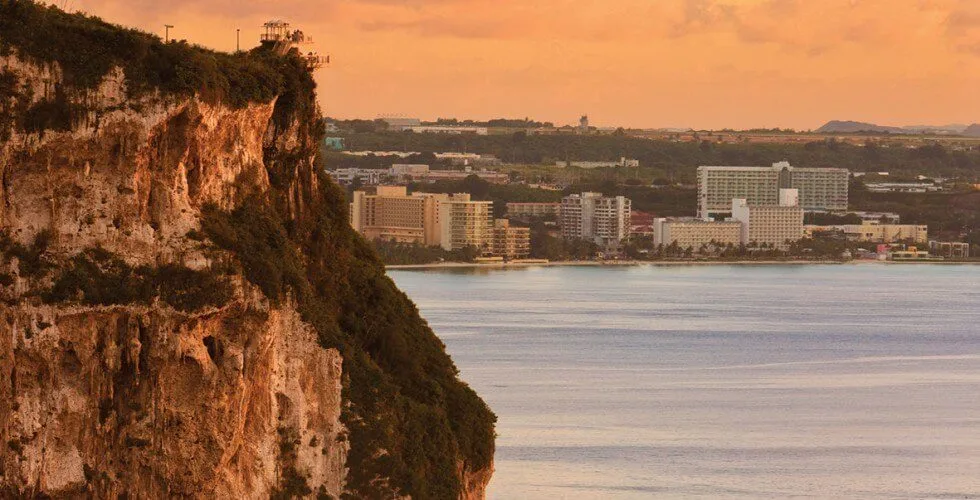
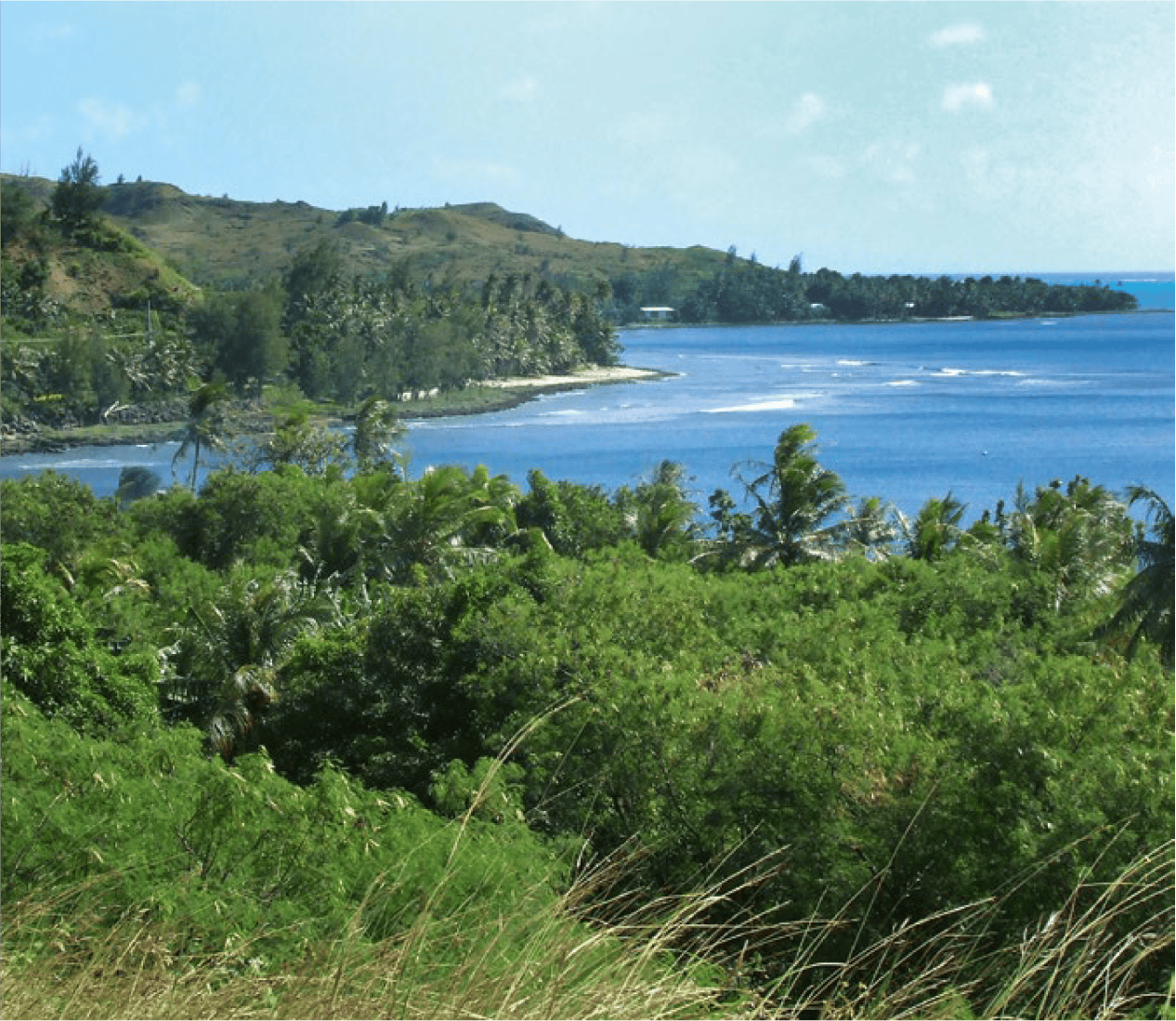
The terrain of Guam is a startling contrast of limestone plateaus. The steep cliffs and narrow coastal shelves in the central and northern parts of the island are wonderful to observe.
Volcanic hills range up to 204 metres which is the height of Mount Lamlam that is the tallest mountain in the world from below sea level as a result of Guam’s proximity to the Mariana Trench.
Southern Guam features lush jungles and quiet seaside villages. The central area of the island has all the modern conveniences of suburban living, with restaurants, bars, shopping centres and international class resort hotels fronting Tumon and Agana Bays.
Guam’s earliest settlers were the Chamorros who make up about 37 percent of the island population today. They are thought to have travelled by canoe from South-East Asia to the Mariana Islands, where they lived isolated from the rest of the world for centuries.
The Chamorros flourished as an advanced fishing, horticultural, and hunting society and were skilled craftsmen who built unique houses and canoes well suited to this region of the world. They are also skilled in intricate weaving and detailed pottery making.
In 1521, Ferdinand Magellan, the explorer sponsored by the Spanish court, arrived on Guam and forged a link between Spain and the Chamorros.
The Spaniards’ influence lasted more than 300 years until the island became a US Territory in 1898 after the Spanish-American War. The Japanese briefly occupied the island until 1944 when it was liberated by American forces.
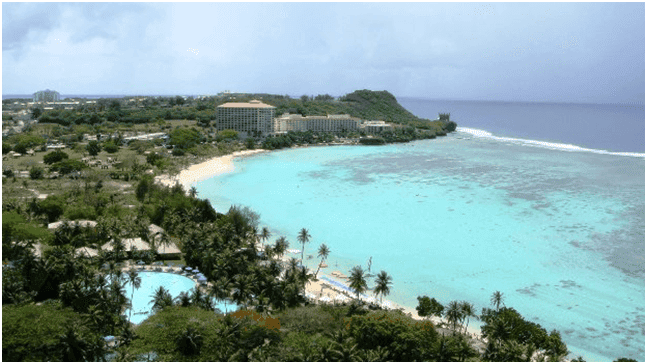
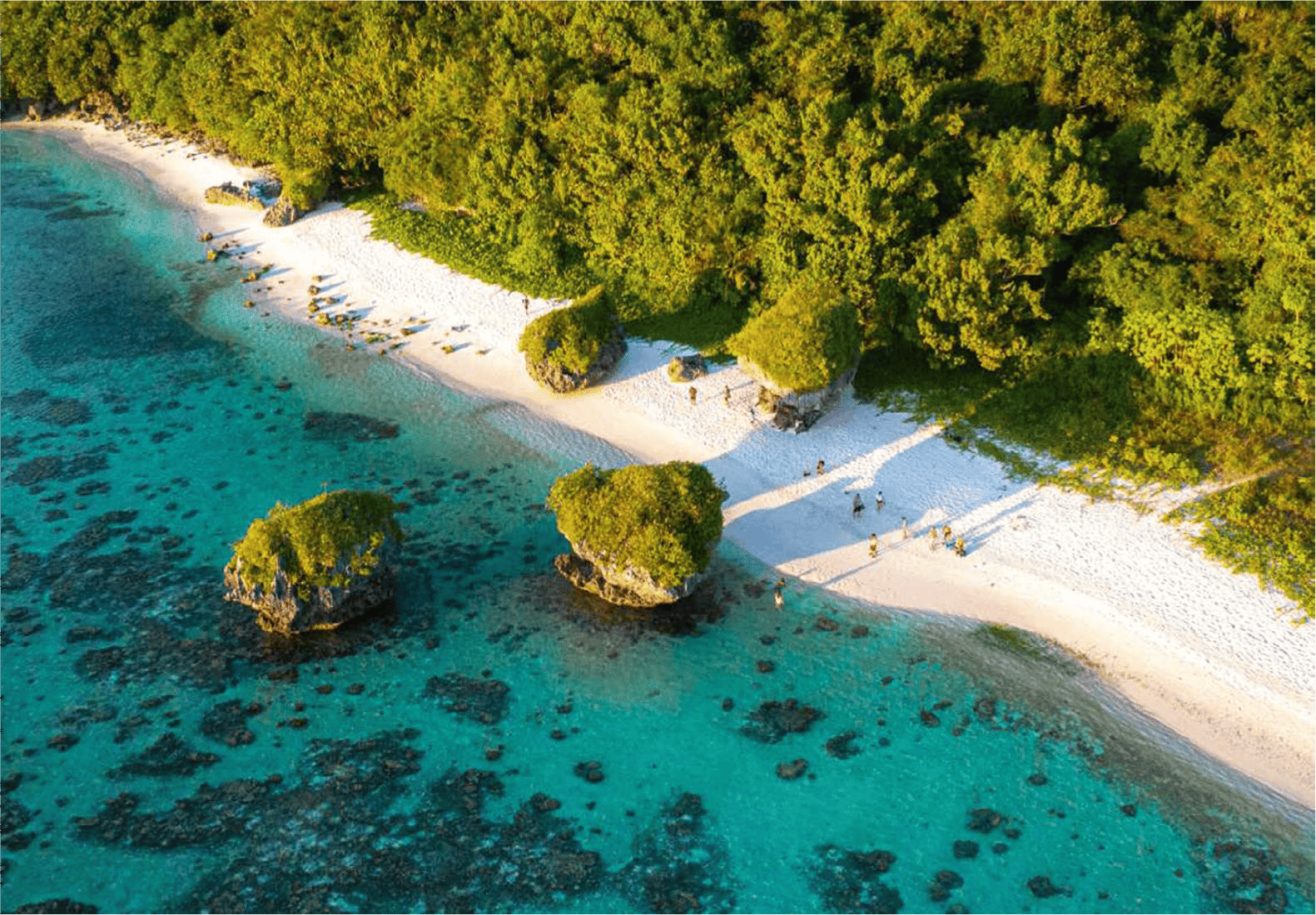
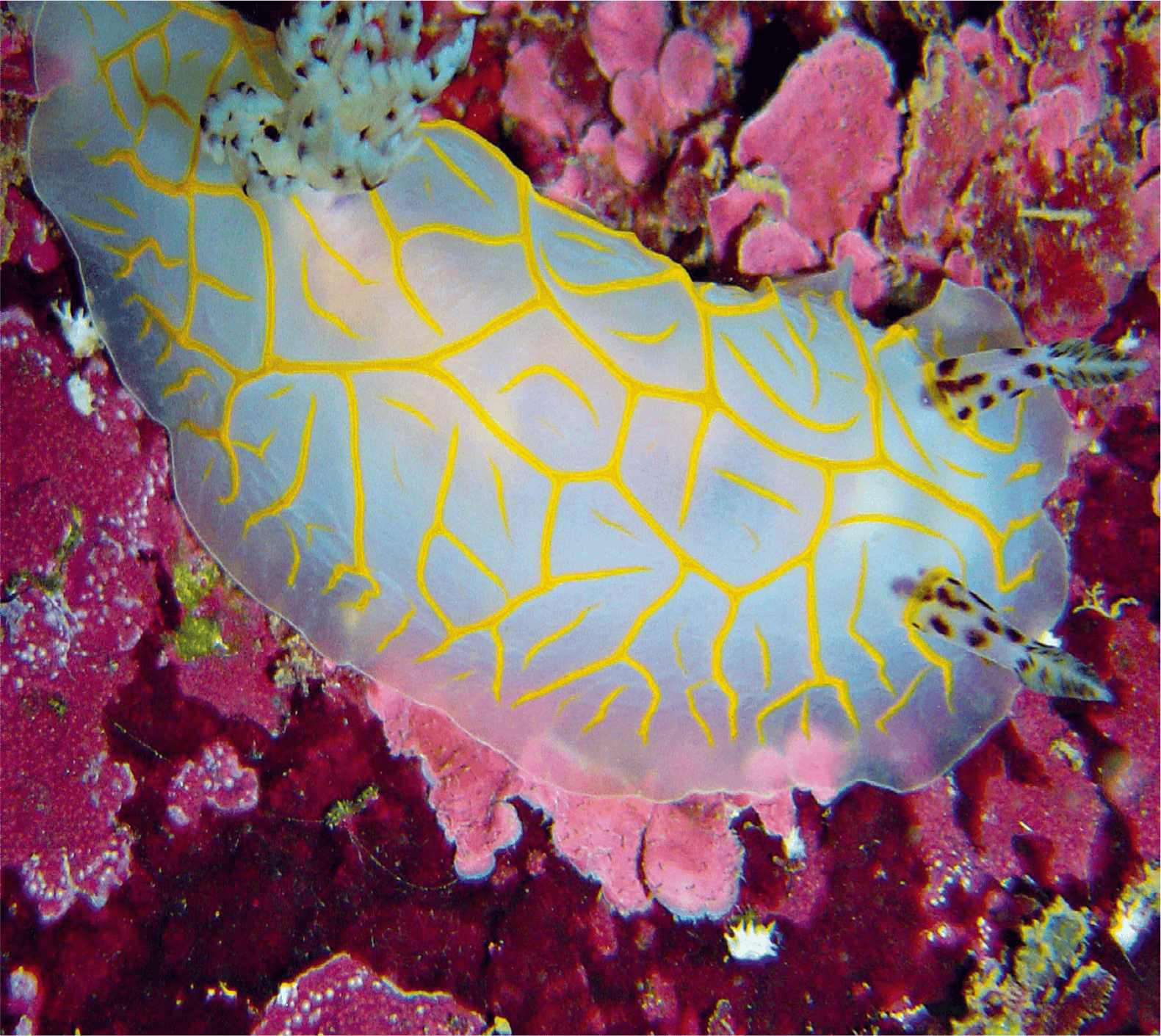
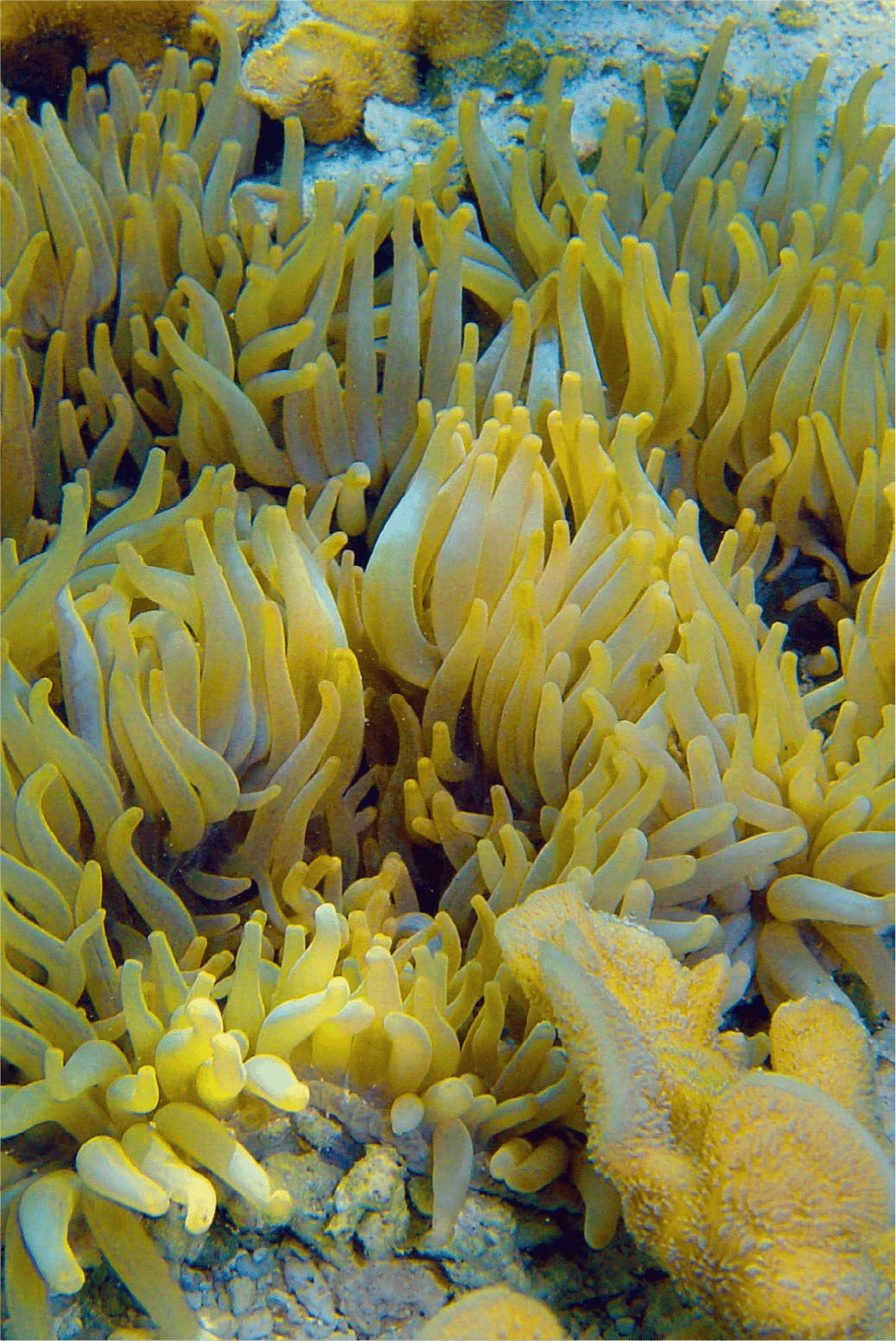
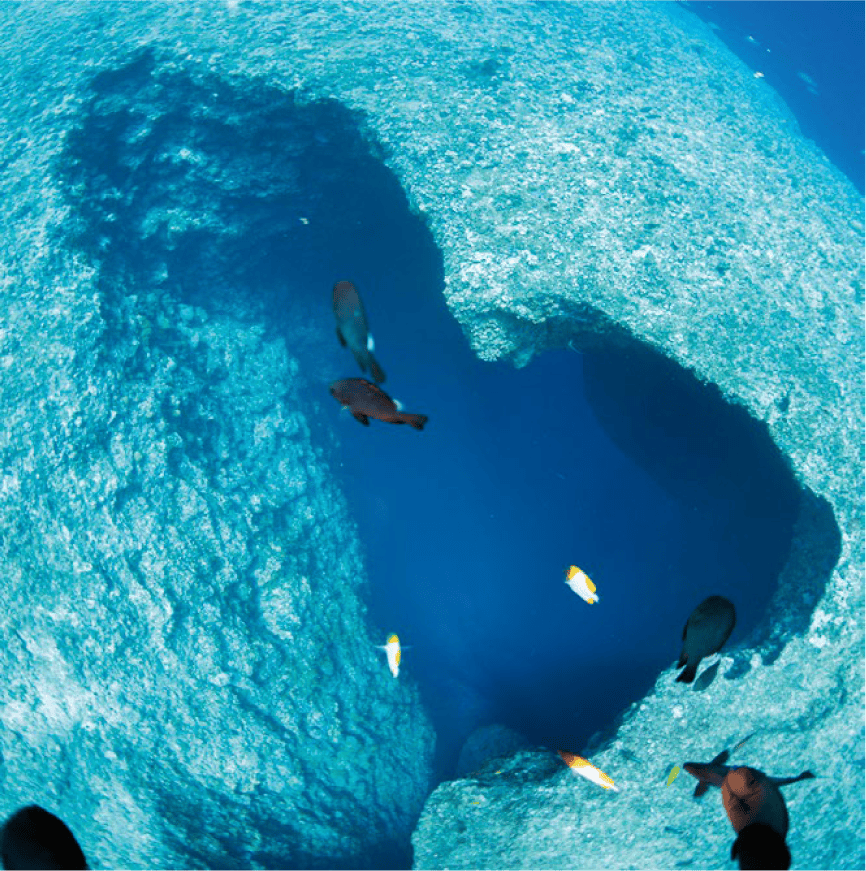
Today, even with modern suburban living, Guam still offers abundant natural beauty. The island is blessed by year-round balmy tropical weather and cooling trade winds. Stunning coral reefs and clear crystalline blue lagoons, teeming with colourful aquatic life ring Guam’s white sand coastline. Its verdant interior is lush jungle with hidden waterfalls, rivers and volcanic ridges.
Guam’s natural offerings have something for everyone above and below water. There is fishing, hiking, golf, kite and windsurfing, parasailing, scuba diving, snorkeling, jet-skiing, dolphin watching and cultural tours to name but a few.
SEA LIFE UP CLOSE
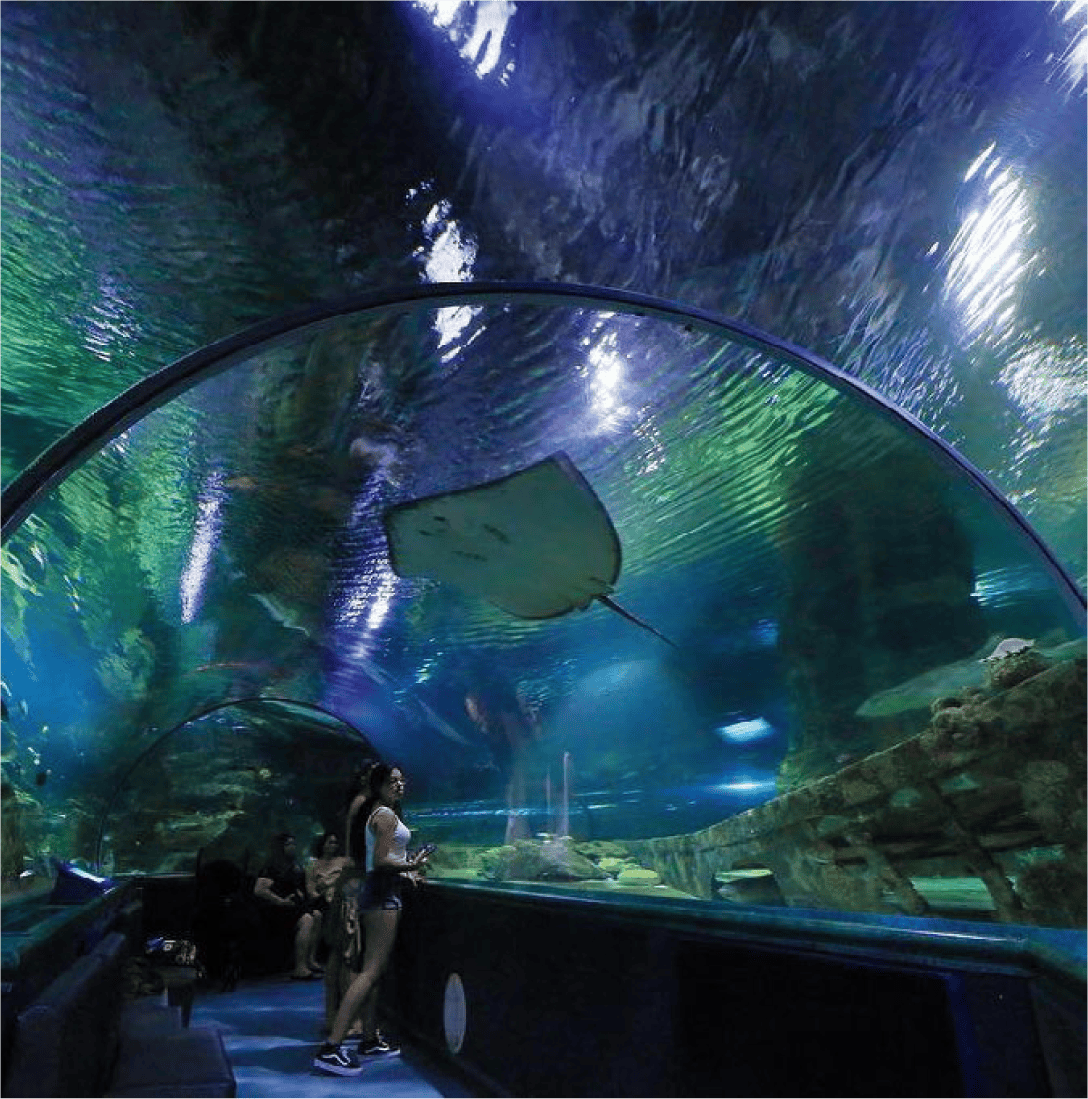
The Fish Eye Marine Park Underwater Observatory is the only facility of its kind in Micronesia. Through underwater windows, visitors can view the pristine beauty of Guam’s undersea world – its diverse coral formations as well as stunning tropical fish.
To get up even more close and personal to the sea life, take the eco-snorkeling tour and witness the impressive fish diversity in Piti Bay, Guam’s most well-known and visited marine preserve.
The snorkeling area is home to over 200 colourful species of fish. An easy walk on the sea bridge and down steps to the site ensures convenient access.
Seeing wild dolphins up close is another attraction. Guam is one of the special places in the Pacific that hosts a resident population of wild dolphins just offshore – visitors can view them from the comfort of a boat. The trip takes viewers along Guam’s beautiful coastline and when the pod is located, these playful marine mammals can be observed swimming at the bow and surfacing to play. Usually spinner dolphins appear – famous for their leaps, jumps, and spins out of the sea.
CULTURE & CUISINE
An island cultural show is also offered at The Observatory – performed by Fish Eye’s legendary Manahune dance group. While enjoying the show, indulge in a dinner buffet of delicious island cuisine including a variety of regional dishes, all enjoyed within the ambiance of the Garden Restaurant, surrounded by a lagoon, waterfall, and lush tropical plants.
HISTORY ON SHOW
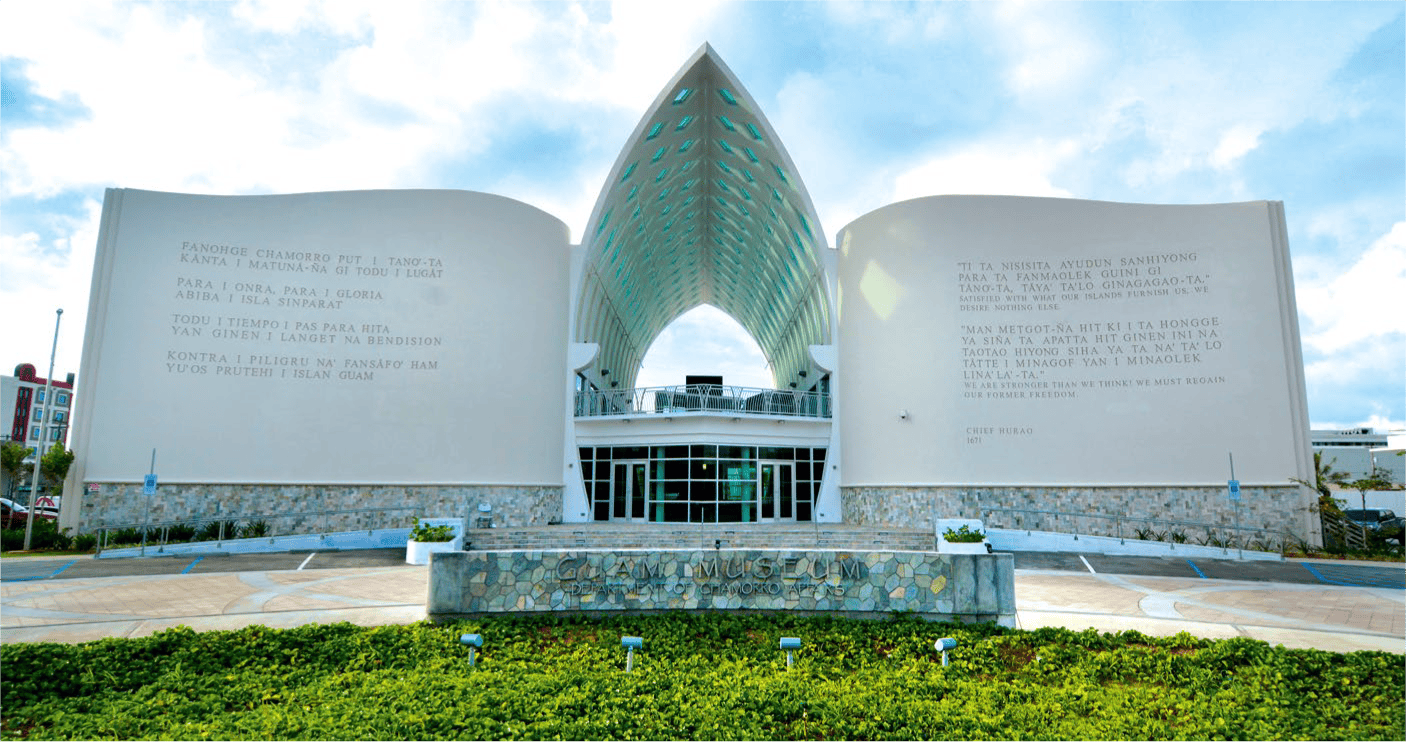
Walk through Guam’s history by visiting the new permanent exhibit at the Senator Antonio M. Palomo Guam Museum and Chamorro Educational Facility in Hagåtña. The first of its kind on the island, this 6,200 square foot ($576m^2$) gallery, located on the second floor of the Guam Museum, features interactive, state-of-the-art technology and the most complete display of the history and culture of Guam in the Chamorro language to date.
The exhibit is designed to educate and entertain audiences of varying ages, backgrounds, and languages. Over 300 curated artifacts, thousands of images, multiple audios, and short films have been carefully pieced together across seven galleries to guide visitors through the historical, Chamorro narrative of Guam. Descriptive panels are written in English and Chamorro and are accompanied by QR codes that translate the text into Japanese, Mandarin Chinese, and Korean.
Galleries feature local artwork in various mediums, and depict notable eras from Guam’s history, culture, and society. Some of Guam’s oldest artifacts, including slingstones, pottery sherds, and pounding stones are displayed.
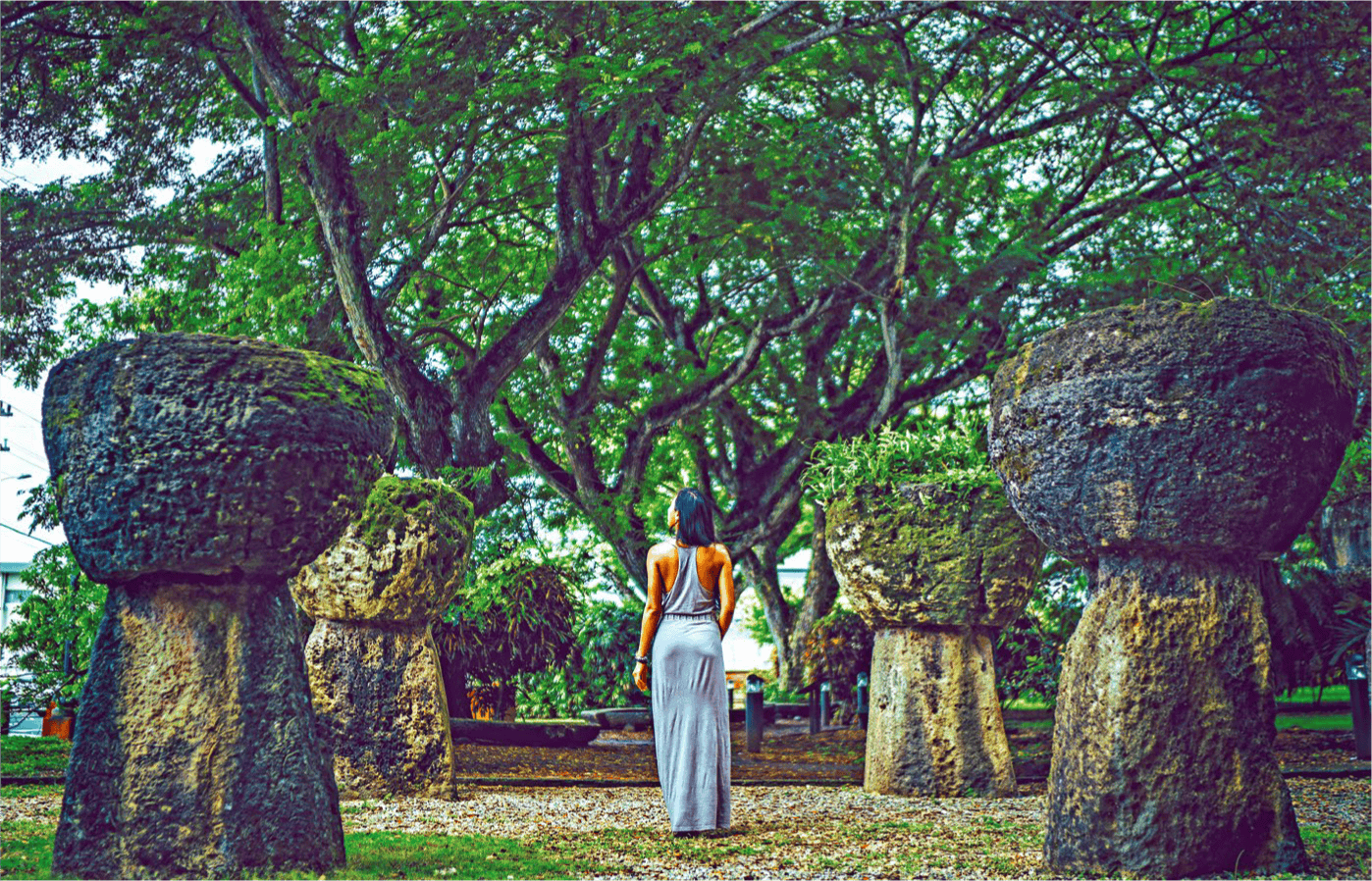
There are also displays illustrating the ancient Chamorro way of life with reproductions of the sakman (seafaring outrigger canoe), guma higai (pole-and-thatch hut) and guma latte (latte house).
Also portrayed is the arrival of the Spanish then the Americans, detailing the impact of modernism and the Western influence on Chamorro culture and society. Then the devastation of World War II is covered, starting with the Japanese Occupation and finishing with the American Liberation of the island. Interestingly, a display can be viewed of the effects of Sergeant Shoichi Yokoi – a Japanese soldier who hid in the jungle for 28 years after the war.
History and geography have given Guam a vibrant cosmopolitan population. The charm and warmth of the people originates from the eclectic blend of Spanish, indigenous Chamorro, Asian and Western cultures. The mix of East, West and Pacific traditions and cultures is evident and is infused in the arts and crafts, language, and especially the food of this island nation.
Guam is truly an undiscovered Pacific gem and deserves to be shortlisted as one of your next holiday destinations.