Aitutaki Lagoon Private Island Resort: What to Know Before You Stay
pranav
–
September 16, 2026
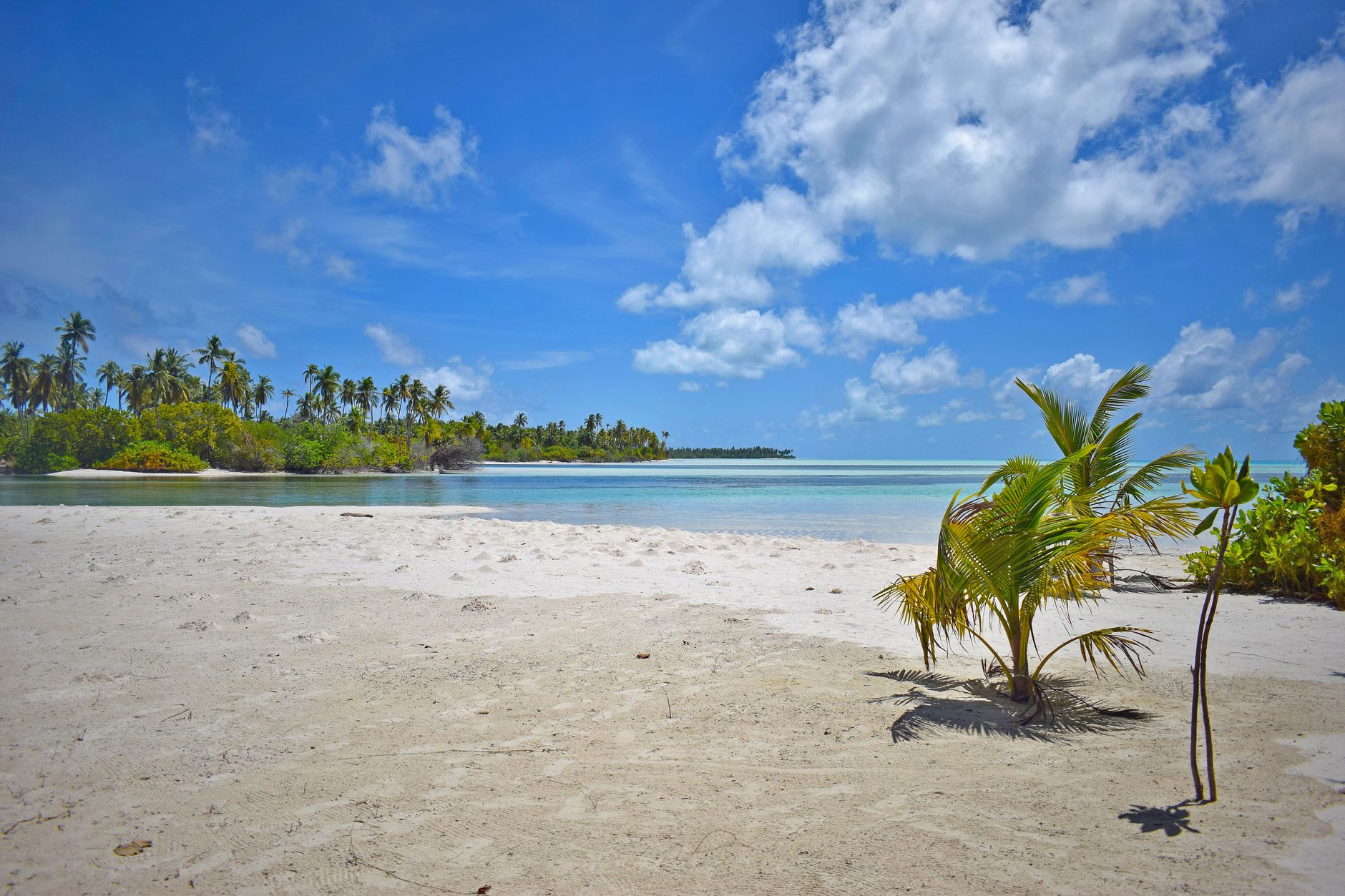
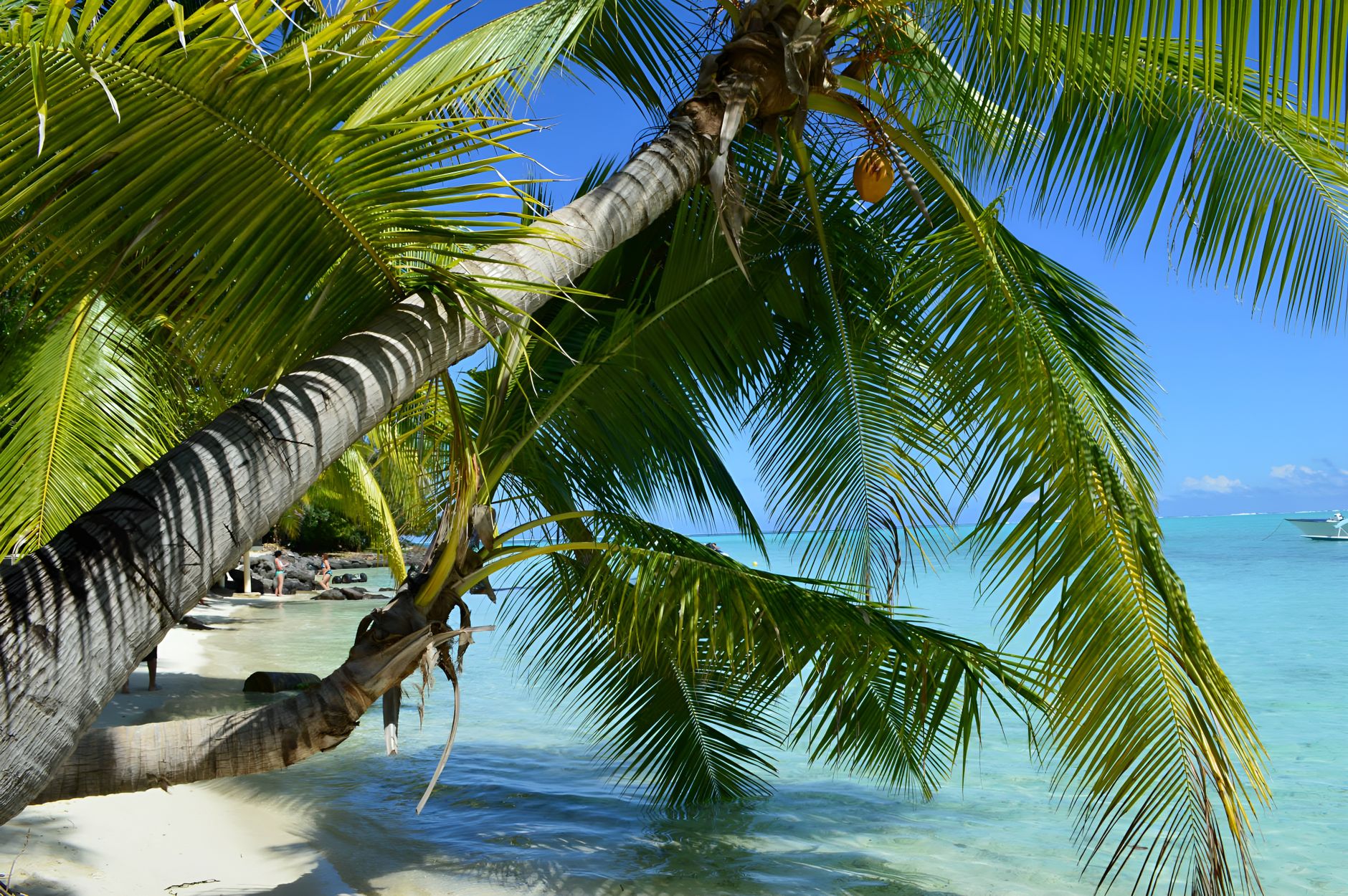
Aitutaki Lagoon Private Island Resort feels like stepping into a postcard that someone left on the beach for you to find. I spent four nights there in July, after a three‑hour flight from Auckland and a short hop on a propeller plane that rattled a bit but dropped us on the runway with a view of turquoise water. Below is everything I learned the hard way, so you can skip the guesswork.
Getting There and Getting In
The main island of Aitutaki has a tiny airport that handles about ten flights a day. I booked a morning slot with Air Rarotonga; the plane left at 07:30 and landed at 08:15, which gave me enough daylight to catch the resort’s shuttle. The shuttle departs the terminal at 08:30 sharp, so be ready with your passport and a bottle of water.
If you miss the first shuttle, there’s a second one at 11:00, but you’ll have to pay a $25 extra fee for the private transfer. The driver waits in a bright orange 4×4, and the ride across the causeway takes about ten minutes. The road is dusty, and the wind can kick up sand, so keep your sunglasses on.
Once you arrive at the resort, you’ll find a small reception desk staffed by a couple of locals who speak fluent English and a bit of French. They ask for a copy of your passport and a credit card for incidentals; the hold is usually $200 per room. The check‑in time is 15:00, but if you’re early they’ll store your bags in a cool room until your bungalow is ready.
The resort’s Wi‑Fi password is scribbled on a card tucked into the welcome folder, “Aitu2024”. It’s decent for checking emails, but streaming movies gets choppy after 30 minutes. I found the best signal on the upper deck of the main lodge, where the antenna is highest.
Transportation around the island is limited to golf carts and a handful of bicycles you can rent for $10 a day. The carts run on a loose schedule, and the driver will often stop to chat about the best fish to try that night. If you want to explore the northern tip, ask for a private boat; it costs $120 for a half‑day and includes a snorkel set.
A quick tip: bring a small amount of cash in Cook Islands dollars (CI$) for the resort’s small shop. They accept credit cards, but the exchange rate on the card is a bit higher than the local bank rate. I exchanged $200 at the airport and got a handful of bills that lasted the whole stay.
First flight lands at 08:15; shuttle leaves terminal at 08:30.
Missed shuttle? Private transfer $25 extra.
Check‑in at 15:00; early bag storage free.
Wi‑Fi okay for email, not for HD video.
Cash in CI$ useful for small purchases.
Accommodation and Room Types
The resort offers three main categories: Beach Bungalows, Overwater Villas, and the Family Suite. I chose a Beach Bungalow for $280 per night, all‑inclusive, which includes meals, drinks, and most activities. The room is a raised wooden platform with a mosquito net that you have to zip up each night; the net is a bit flimsy, so I tucked a towel inside to keep the bugs out.
Overwater Villas start at $560 per night and come with a private deck and direct ladder into the lagoon. The water is shallow enough to wade in from the deck, but the ladder can be slippery after a rain shower, so wear shoes with good grip. The villa’s bathtub is a claw‑foot model that fills with warm water from a separate heater, a nice touch, though the water temperature sometimes drifts a few degrees lower than the thermostat setting.
The Family Suite is a two‑bedroom unit designed for groups up to six. It costs $720 per night and includes a small kitchen with a gas stove, a fridge that runs on a backup generator, and a separate living area. The generator kicks in at 02:00 for about ten minutes, which can be a bit startling if you’re a light sleeper.
All rooms have a small balcony with a wooden table and two chairs. I liked the view of the reef at sunset; the sky turns a deep orange that reflects off the water. The balcony also has a hook for hanging towels, but the hook sometimes detaches, so I used a carabiner from my bag to keep my towel from blowing away.
Housekeeping comes twice a day, morning and evening, and they leave a fresh set of towels each time. The staff uses a scented spray that smells like coconut, which is pleasant but can be strong if you’re sensitive to fragrances. I asked for a fragrance‑free option and they obliged without any fuss.
Bathrooms are simple but clean, with a separate shower stall and a sink that has a low flow tap to conserve water. The shower pressure is modest; it’s enough for a quick rinse but not a full blast. I kept a travel-sized loofah handy to make the most of the water.
Beach Bungalow $280/night, all‑inclusive.
Overwater Villa $560/night, private deck.
Family Suite $720/night, includes kitchen.
Balcony hook may need a carabiner.
Generator runs briefly at 02:00.
Food, Drink and the Lagoon
Breakfast is served buffet style from 07:00 to 10:00 in the main dining hall. The spread includes fresh fruit, tropical smoothies, and a hot station where you can order eggs any style. I tried the papaya salad with a drizzle of lime; it was crisp but a little too salty for my taste.
Lunch is a lighter affair, mostly grilled fish or chicken with a side of rice and beans. The grill is open air, so you can watch the chef flip the fish while a gentle breeze carries the scent of coconut. I ordered the mahi‑mahi, which was caught the same morning and served with a mango salsa that was perfectly sweet.
Dinner is a set menu for $45 per adult, with an option to add a la carte dishes for an extra $15 each. The set includes a starter, main, and dessert, plus a glass of house wine. I opted for the lobster bisque, followed by a grilled snapper with a herb butter, and finished with a passion‑fruit panna cotta that was a bit too tart for me, but the view of the lagoon at night made up for it.
The bar is tucked beside the pool and serves a decent range of cocktails. Their signature drink, the “Lagoon Breeze,” mixes rum, pineapple, and a splash of blue curacao, it looks like the water outside. I found the ice a little coarse, but the bartender will gladly crush it fresh if you ask.
If you have dietary restrictions, the kitchen can accommodate gluten‑free and vegetarian meals with a day’s notice. I mentioned I was lactose intolerant, and they served a coconut‑based cream for the dessert without any issue. The staff are eager to help, but they do ask you to fill out a short form at check‑in to avoid any mix‑ups.
The lagoon itself is a giant swimming pool with gentle currents. I spent an hour each morning floating on a rented inflatable, which the resort provides for $8 per day. The water temperature stays around 27°C year round, so a light shirt is enough even in the early morning.
Breakfast buffet 07:00‑10:00, includes fresh fruit.
Lunch: grilled fish or chicken, served open air.
Dinner set menu $45, optional a la carte $15.
Signature cocktail “Lagoon Breeze”, ask for crushed ice.
Inflatable rental $8/day, water ~27°C.
Activities and Excursions
Snorkeling is the obvious draw, and the resort provides a basic set for free. The gear fits well, but the mask tends to fog after a few minutes, so I kept a small bottle of anti‑fog spray in my bag. The best spot is a short paddle out from the dock where the coral is bright and the fish are curious.
If you want a guided tour, the resort’s marine biologist runs a half‑day reef walk for $70 per person. He points out giant clams, sea turtles, and a shy octopus that hides in a crevice. The walk lasts about two hours and includes a light lunch of fresh fish and coconut rice.
Kayaking is another popular activity; the resort offers single and double kayaks for $12 each per hour. The water is calm most mornings, but a sudden gust can make paddling a bit of a workout. I recommend renting a double kayak if you’re traveling with a partner, it’s more stable.
For a more adventurous day, you can book a full‑day island‑hopping tour to nearby islands like Tekopua and Maerua. The operator charges $150 per person and includes lunch, snorkel gear, and a guide. The boat is a modest 20‑foot catamaran; it’s not luxurious, but it’s functional and has a shaded canopy.
Sunset cruises are offered twice a week, departing at 17:30. The cruise costs $80 and includes a glass of champagne and a small cheese platter. The deck is open, so bring a light sweater, the breeze gets cooler after the sun dips.
If you’re a diver, the resort partners with a dive center on the main island. A two‑tank dive costs $180 and includes equipment, a guide, and a surface interval in the lounge. The dive sites are known for their drift dives, where you glide over the reef with the current.