
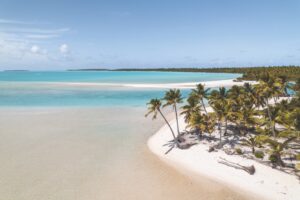
A vast Pacific region of coral atolls, rainforest-covered islands, living cultures and legendary underwater worlds.




A vast Pacific region of coral atolls, rainforest-covered islands, living cultures and legendary underwater worlds.
A SPARSE MULTITUDE OF ISLANDS AMOUNTING TO A MUST-VISIT ESCAPE

2000 living spots, each with its own distinctive features & identity
Dive or snorkel among coral gardens, dramatic drop-offs, manta rays and historic shipwrecks.

Discover navigation traditions, weaving, carving, local food and customs shaped by close connections to land and sea.
Explore waterfalls, mangroves, limestone islands and archaeological sites including Nan Madol and Lelu.
A collective of island chains, a collection of must see experiences, stunning resorts and retreats for travellers of all kinds.
We feature a series of key takeaways, vast insights and a broad array of experiences documented


When I first stepped off the plane in Micronesia, the air felt warm and salty, the kind of humidity that…

I first set foot on Micronesia in late March, after a 20‑hour hop from Honolulu with a layover in Guam.…

When I first booked a week in Micronesia I expected palm trees and cheap souvenirs. What I got was a…
Micronesia is known for its spectacular coral reefs, world-class diving, tropical islands and distinctive local cultures. Its destinations range from lush volcanic islands to remote coral atolls.
The wider Micronesian region includes destinations such as Chuuk, Yap, Pohnpei, Kosrae, the Marshall Islands, Palau, Guam and the Northern Mariana Islands. Each offers a different mix of landscapes, culture and experiences.
Chuuk is renowned for its extraordinary collection of World War II wrecks, while Yap is famous for manta rays. Pohnpei, Kosrae and the Marshall Islands also offer exceptional reefs, walls and marine life.
Yes. Beyond diving, visitors can discover traditional cultures, historic sites, tropical forests, waterfalls, beaches and significant World War II history throughout the region.
Highlights include the ancient stone city of Nan Madol in Pohnpei and Yap’s traditional stone money and village culture. Across several islands, historic sites and underwater wrecks also preserve important chapters of Pacific and World War II history.
Accommodation varies considerably between islands. More developed destinations offer international hotels and resorts, while remote islands may feature smaller locally run properties and simpler traditional accommodation.
Micronesia has a tropical climate with relatively little seasonal temperature change. Temperatures are warm throughout the year, averaging around 30°C across the islands.
The US dollar is widely used throughout the Micronesian destinations covered by Paradises. Credit card acceptance can be more limited on remote islands, so carrying some cash is useful when travelling beyond the larger tourism centres.
Beyond the familiar Pacific – Journey through legendary reefs, remote islands and cultures shaped by the ocean.


