




Best Time to Visit Micronesia for Diving, Beaches & Island Adventures
I first set foot on Micronesia in late March, after a 20‑hour hop from Honolulu with a layover in Guam. The air smelled of sea and diesel, the airport was tiny, and the sign read “Welcome to the Federated States of Micronesia, 4,000 islands, 3,000 miles of ocean.” That moment set the tone: this place is raw, beautiful, and a little off the beaten path.
Because the islands stretch across four time zones, the climate isn’t uniform. Knowing when the sun, wind, and currents line up can mean the difference between a calm snorkel and a storm‑chased night on the beach. Below is the timeline I learned to trust, broken down by what you want to do.
When the Weather Plays Nice

Micronesia’s dry season runs from November to April. During these months, humidity drops to the mid‑70s, and the trade winds keep the seas steady. Nights can be surprisingly cool on the outer islands, think 68 °F on Pohnpei, so a light jacket isn’t a bad idea.
The wet season, May through October, brings daily showers and occasional typhoons. A sudden downpour can flood low‑lying roads on Kosrae, turning a short drive into a muddy trek. Still, the rain rarely lasts more than an hour, and the islands stay green and lush.
If you’re flexible, the shoulder months of May and October give you the best of both worlds: fewer tourists, lower prices, and still decent diving conditions before the big storms roll in.
- Dry season (Nov‑Apr): average 8 hrs of sun, sea temps 81‑84 °F.
- Wet season (May‑Oct): 12‑15 days of rain per month, sea temps rise 2 °F.
- Peak typhoon months: August and September, keep an eye on local forecasts.
- Pack a waterproof dry bag; a cheap $15 one saved my gear twice.
- Travel insurance that covers storm cancellations is worth the $30‑$50 premium.
Peak Diving Season
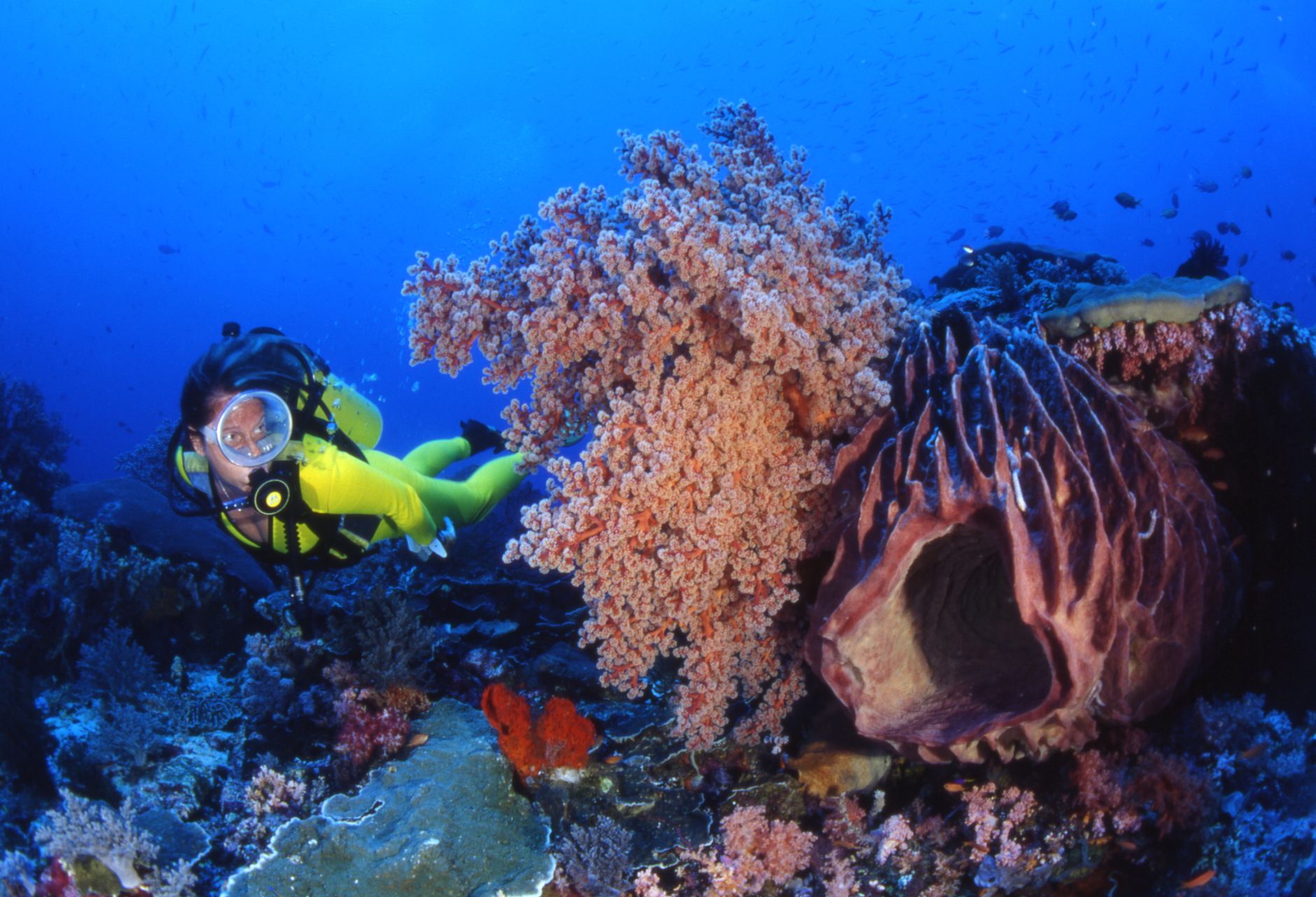
The underwater world around Chuuk Lagoon is legendary, and the best visibility comes from December through March. The water clears to 100 ft, letting you see the wreck of the Tokai Maru in startling detail. I spent three days there, and each dive cost about $120, which includes tank, guide, and a brief safety briefing.
On Yap, the currents are strongest in February, pulling you past vibrant coral walls that host schools of fusiliers and occasional manta rays. A local dive shop offered a “current dive” package for $95, but you have to be comfortable with drift diving, the boat can be out of sight for a minute.
If you’re on a budget, consider the outer islands of Kosrae in April. The reefs are less crowded, and you can rent a full‑face snorkel mask for just $8 a day. I saw a rare pygmy seahorse perched on a gorgonian, something I’d never witnessed in the more popular spots.
- Chuuk Lagoon dives: $120 per two‑tank dive, includes gear.
- Yap current dives: $95, requires basic drift‑diving skill.
- Kosrae reef snorkel rental: $8/day, no certification needed.
- Bring a reef‑safe sunscreen (SPF 30, zinc‑oxide), $12 at local markets.
- Book dive slots at least two weeks ahead; operators fill fast in December.
Beach Bliss Months
For pure sand and surf, aim for January to March on the islands of Pohnpei and the outer atolls of Palau (just a short boat ride away). The beaches are wide, powdery, and the tide is predictable, which is perfect for sunrise walks.
One of my favorite spots is Ant at Pohnpei, where the sand feels like talc and the water stays warm enough for a swimsuit all day. I paid $25 for a thatched‑roof cabana for a full afternoon, a small price for shade and a cold drink from the nearby stall.
Don’t overlook the lesser‑known beaches on the island of Mili in the Marshall Islands. In late February, the lagoon is calm, and the sandbars stretch for miles. I camped on a public campsite for $10 a night, cooking on a portable stove I bought for $20 at the local market.
- Ant beach cabana: $25 for 4 hrs, includes one cold beverage.
- Mili lagoon campsite: $10/night, bring your own stove.
- Sunrise tide times: check the local tide chart online (free).
- Pack a reusable water bottle; bottled water costs $1.50 per liter.
- Sun hats are sold for $8 at roadside stalls, worth it for skin protection.
Island‑Hopping Adventures
Micronesia’s islands are scattered like pearls, and the best way to see them is by local ferry or chartered boat. I bought a “multi‑island pass” in May for $180, which gave me three round‑trip rides between Chuuk, Yap, and Kosrae over two weeks.
The ferries run twice a week, departing early in the morning and arriving just before sunset. Seats are basic, wooden benches with a canvas roof, but the journey itself is an experience: you watch dolphins jump alongside the hull and the sky shift from gold to indigo.
If you prefer speed, a small seaplane from Guam to Kosrae costs $350 one‑way, but it saves you three days of travel time. I took the plane on a rainy afternoon; the pilot warned of a brief turbulence, but the view of the atolls from above made it worthwhile.
- Multi‑island ferry pass: $180 for 3 round trips, valid 14 days.
- Seaplane Guam‑Kosrae: $350 one‑way, includes a light snack.
- Ferry schedule: check local port office; updates posted on a chalkboard.
- Bring cash in US dollars; many islands accept only cash for transport.
- Travel light, ferries have a 20 kg luggage limit per passenger.
Getting There & Getting Around
The main entry points are Guam (U.S. territory) and Honolulu. From Guam, a direct flight to Kosrae costs around $450 round‑trip, while Honolulu to Pohnpei is about $620. I booked a round‑trip ticket in October and saved $80 by using a flexible date search.
Once on the islands, taxis are scarce. Most locals rent out motorbikes for $12 a day; they’re a practical way to zip between dive shops and beaches. I rode a 125 cc bike on Yap and learned quickly that the roads are narrow and often shared with goats.
For longer distances, the government runs a modest bus service that follows a predictable route, think of it as a shared van with a tinny radio playing old Hawaiian songs. The fare is $3 per trip, and you can hop on at any stop along the main road.
- Guam‑Kosrae flight: $450 round‑trip, 2‑hour layover in Guam.
- Honolulu‑Pohnpei flight: $620 round‑trip, 3‑hour layover.
- Motorbike rental: $12/day, helmet included.
- Bus fare: $3 per ride, cash only.
- Local SIM card: $10 for 5 GB data, useful for navigation.
Practical Tips & Costs
Budget travelers can stretch dollars by staying in guesthouses run by families. I paid $45 a night for a room with a fan, breakfast of fresh taro, and stories about the island’s history. Meals at local eateries cost $6‑$10, and a plate of grilled fish is a must‑try.
For those who want a bit more comfort, resorts on Pohnpei start at $150 per night, often including a pool and Wi‑Fi. I booked a resort room in February and got a complimentary snorkeling tour, a nice perk that saved $30.
Don’t forget to bring a small first‑aid kit; the pharmacies on remote islands have limited stock and charge $5 for a single bandage. I also carried a portable power bank (10,000 mAh), charging a phone on a boat can be a challenge, and the bank lasted me three days.
- Guesthouse nightly rate: $45, includes breakfast.
- Resort nightly rate: $150, includes pool and Wi‑Fi.
- Local meal cost: $6‑$10, try the taro and fish grill.
- First‑aid kit: $15 for a basic set, add $5 per extra bandage.
- Portable power bank: $25, essential for boat days.
Timing your trip around the dry season, planning a mix of diving, beach time, and island hopping, and keeping an eye on local costs will give you the most rewarding Micronesian experience. I left with a sun‑bleached hat, a notebook full of dive logs, and a promise to return when the next dry spell rolls in.
So, when you book your flight, check the weather, grab a motorbike, and set your calendar for November to April. Micronesia isn’t a destination you can rush through; it rewards patience, curiosity, and a willingness to get a little salty.