



Best Things to Do in Samoa: Beaches, Waterfalls, Villages & Natural Wonders
When I first stepped off the plane in Apia, the heat hit me like a warm blanket and the scent of frangipani followed me through the terminal. I spent a week hopping between beaches, waterfalls, and tiny villages, and I came away with a notebook full of practical details that most guidebooks skip.
Arriving and Getting Around

The international airport sits just a 15‑minute drive from downtown Apia, and a shared taxi will cost about $10 US each way. I booked a compact SUV from a local rental agency for $45 a day; the extra space was worth it when the family packed surfboards and a portable grill.
Public buses are cheap, $1.50 per ride, but they run on a schedule that feels more like a suggestion than a rule. For the islands of Upolu and Savai’i, the most reliable option is a 30‑minute ferry that departs twice daily from Mulifanua; tickets are $25 round‑trip.
- Airport taxi: $10 one‑way, cash only.
- Car rental: $45‑$60 per day, include insurance.
- Bus fare: $1.50, routes limited after 6 pm.
- Ferry to Savai’i: $25 round‑trip, departs 8 am and 2 pm.
- Bring a US‑style plug adapter; outlets are type I.
Beaches Worth the Sand Between Your Toes
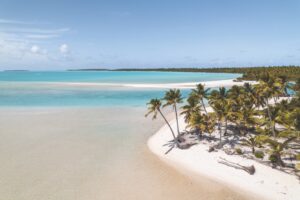
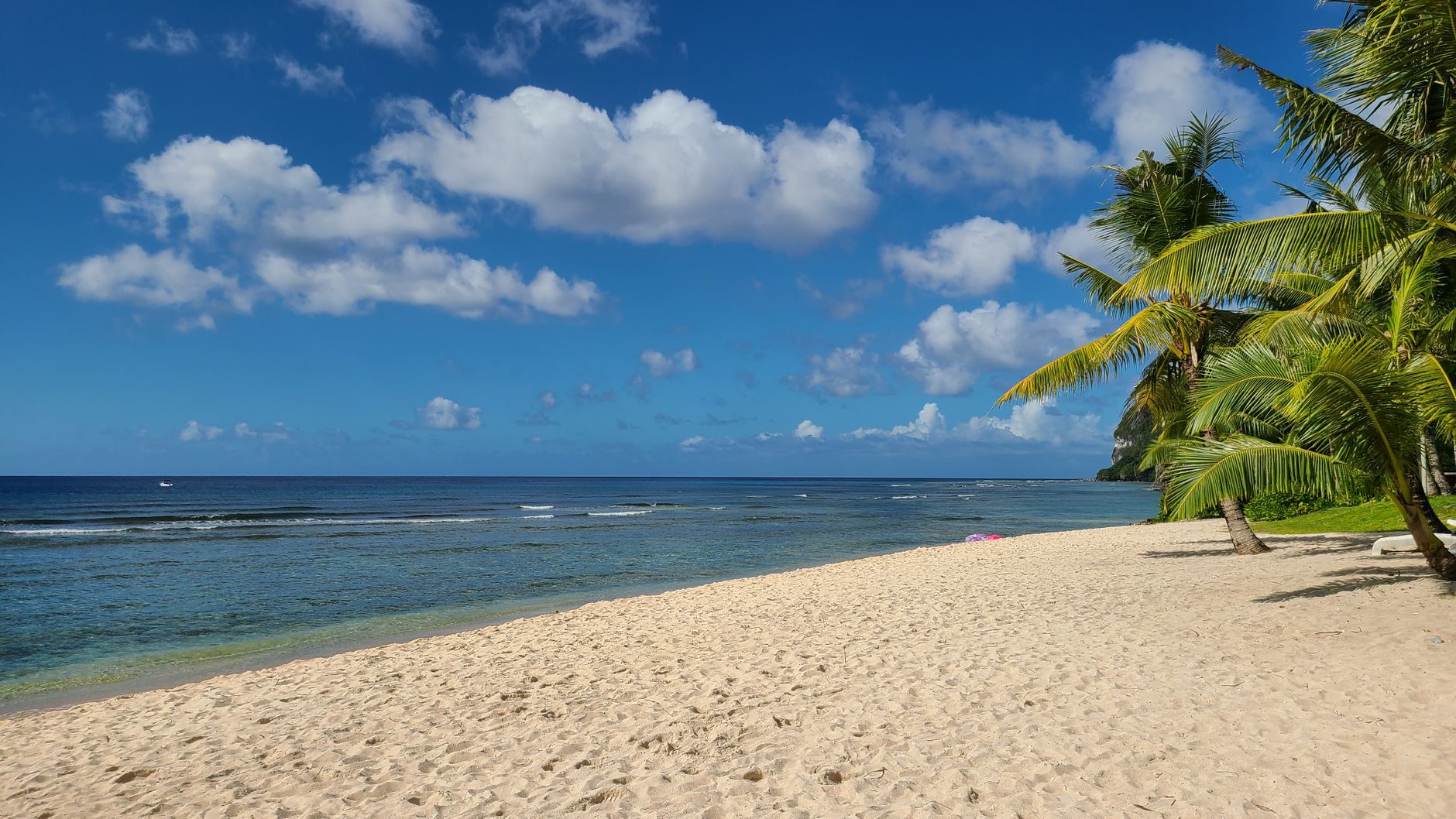
Lalomanu on the east coast is the first place I ran to after a long drive. The water is a clear turquoise that stays warm enough to swim in without a wetsuit, and the sand is soft enough that you can lie flat for hours without feeling the grit.
For a quieter spot, I headed north to Tafatafa Bay. It’s a hidden cove accessed by a narrow, unpaved road; the last 200 metres are a footpath that can be slippery after rain, but the payoff is a secluded beach where you can hear the waves and nothing else.
If you’re chasing surf, the break at Breakers on the west side of Upolu offers consistent rollers for intermediate riders. The local surf school charges $30 for a two‑hour lesson, and they’ll provide a board if you forget yours.
- Lalomanu: free entry, parking $2, best in the morning.
- Tafatafa Bay: free, rough road, bring sturdy shoes.
- Breakers surf lesson: $30 for 2 hours, includes board.
- Snorkel gear rental: $12 per day at most beach shops.
- Sun protection: SPF 50+ recommended, strong UV.
Waterfalls and Rainforest Walks
One rainy afternoon I followed the signs to Papaseea Sliding Rock, a natural waterslide carved into a limestone gorge. The hike to the base is a short 10‑minute walk, but the path can be muddy, so I slipped once and laughed it off.
Further inland, the Fuipisia Waterfall drops 30 metres into a pool that’s perfect for a quick dip. There’s no entrance fee, but a local guide will charge $15 to lead a small group, and he’ll point out the native ferns that line the trail.
The rainforest trail around the Aunuu village is a bit more demanding; it takes about two hours round‑trip and includes a steep climb to a lookout with a view of the coastline. I packed a light rain jacket because clouds gather quickly at the ridge.
- Papaseea Sliding Rock: free, bring water shoes.
- Fuipisia Waterfall guide: $15, includes map.
- Aunuu trail: 2 hours, moderate difficulty, wear sturdy boots.
- Carry 2 liters of water; streams are not always drinkable.
- Best time to visit waterfalls: after a morning rain.
Village Life and Cultural Spots

Spending a night in the village of Falefa gave me a glimpse of Samoan hospitality that you won’t find in a resort. The family I stayed with prepared an umu feast, food cooked underground in hot stones, and invited me to join a kava ceremony.
The To Sua Ocean Trench is a must‑see, even if you’re not a diver. You pay $10 for a guided walk down the limestone steps, and the plunge pool at the bottom is cool enough to soak in after a hike in the heat.
In Apia, the Robert Louis Stevenson Museum sits in the writer’s former home, complete with his original desk and a garden that still yields the same figs he wrote about. Admission is $5, and a local guide will share anecdotes that aren’t in any brochure.
- Falefa homestay: $30 per night, includes dinner.
- Kava ceremony: free, but bring a small offering.
- To Sua trench entry: $10, guided walk, bring swimwear.
- Stevenson Museum: $5 entry, open 9 am‑4 pm.
- Respect dress code in villages: cover shoulders and knees.
Natural Wonders Beyond the Coast
Mount Vaea, the final resting place of Robert Louis Stevenson, is a gentle climb that rewards you with a panoramic view of Apia Bay. I started the hike at sunrise; the trail is well‑marked but can be slippery after dew.
The volcanic crater at Lalomanu offers a short walk to a viewpoint where you can see the island’s black‑sand beaches contrasted with the deep green interior. There’s no fee, but a local caretaker asks for a small donation, about $2, to help maintain the path.
On Savai’i, the Alofaaga Blowholes shoot seawater high into the air when the tide is high. I timed my visit for a mid‑afternoon high tide; the spray was impressive enough to get my camera lens wet, so I kept a cloth handy.
- Mount Vaea hike: free, start before 7 am to avoid heat.
- Lalomanu crater view: donation $2, no formal fee.
- Alofaaga Blowholes: free, best at high tide, bring waterproof bag.
- Pack insect repellent; mosquitoes are active at dusk.
- Bring a reusable water bottle; refill stations are scarce.
All told, Samoa feels like a place where the schedule is flexible and the experiences are real. Whether you’re chasing a wave, a waterfall, or a story from a village elder, the islands reward curiosity with warm smiles and unforgettable scenery.