




Best Time to Visit American Samoa: Weather, Seasons & Things to Consider
When I first stepped off the plane in Pago Pago, the humidity hit me like a warm blanket and the scent of sea salt mixed with mango blossoms filled the air. I quickly learned that timing your visit to American Samoa is as much about the weather as it is about your budget and the activities you have in mind.
Understanding the Climate at a Glance
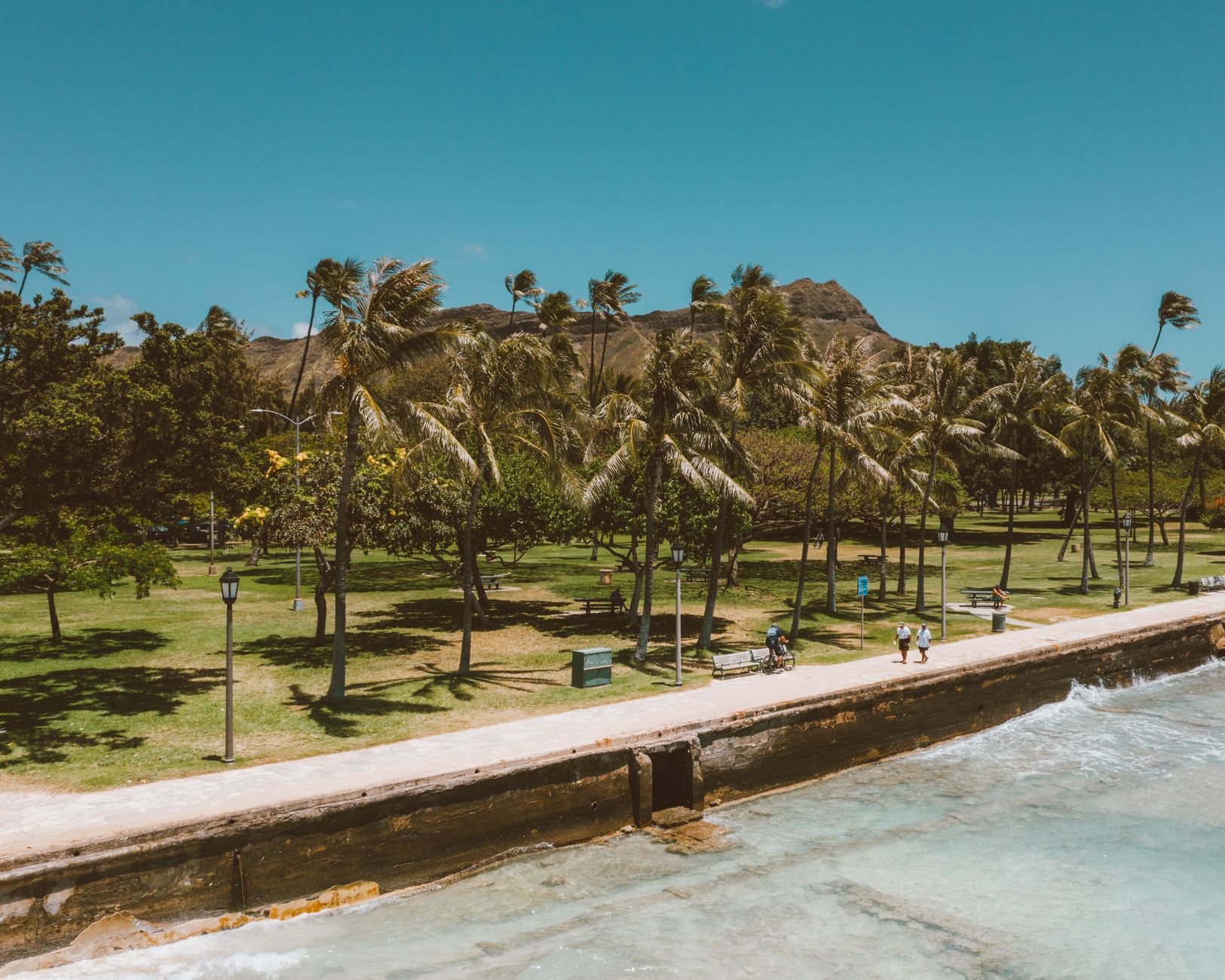
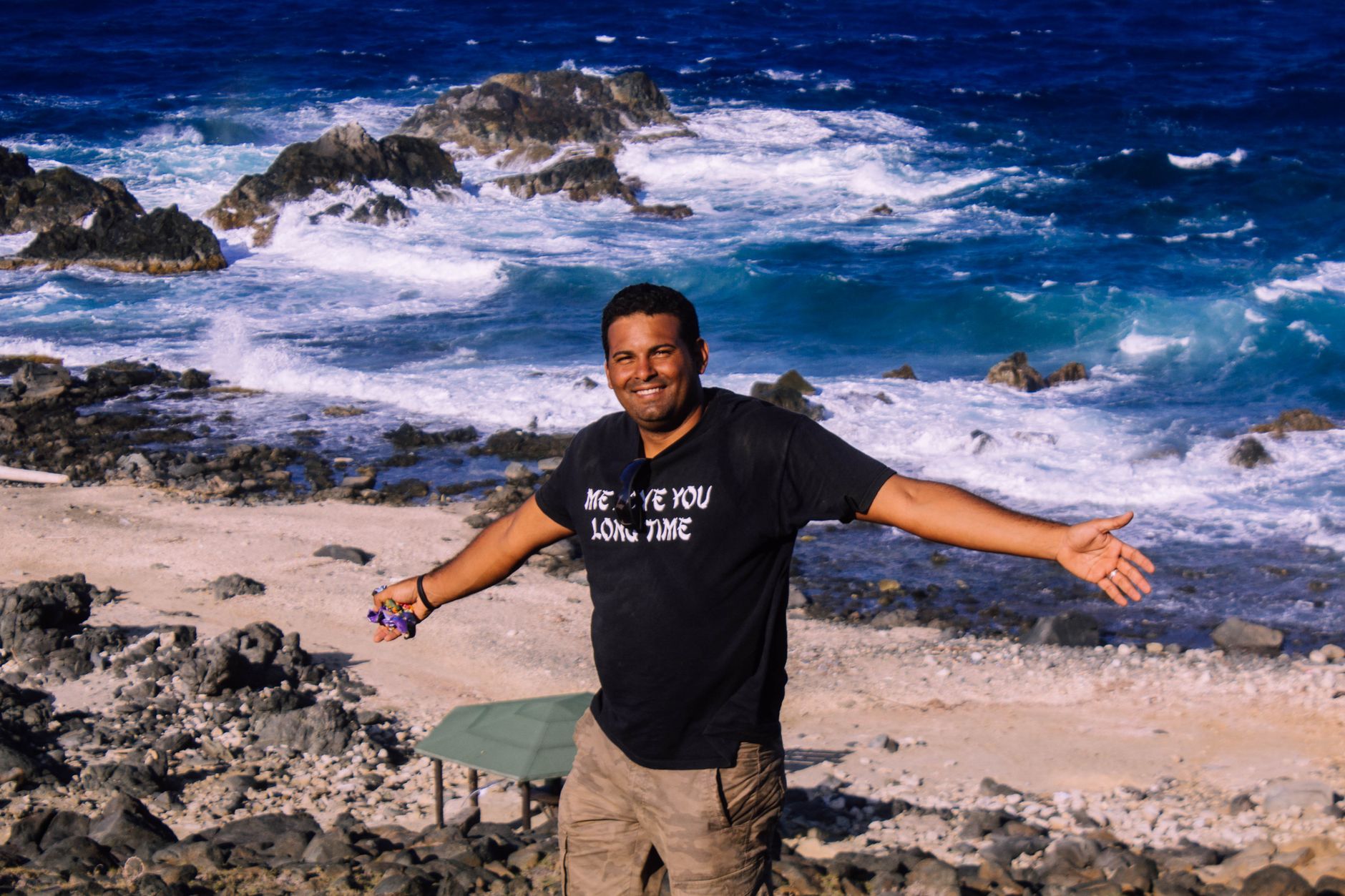
American Samoa sits just south of the equator, so it never gets cold enough to need a coat, but the islands do have a clear wet and dry rhythm. Temperatures hover between 78 °F (25 °C) and 86 °F (30 °C all year, with the inland village of Fagasā sometimes a few degrees cooler in the evenings.
The Pacific brings a steady trade wind from the southeast, especially from May through October. Those breezes keep humidity at a tolerable 70‑80 % most days, but when the wind stalls in the wet months, the air feels thick and sticky.
- Average annual rainfall: about 140 in (3,560 mm), with most falling between November and March.
- Dry season (May‑Oct) sees 2‑3 in (50‑75 mm) per month, ideal for hiking and snorkeling.
- Wet season (Nov‑Apr) can dump 15‑20 in (380‑500 mm) in a single month, often in short, heavy bursts.
- Sea temperature stays 79‑84 °F (26‑29 °C) year‑round, perfect for swimming any time.
- Hurricane season officially runs June‑Nov, but direct hits are rare; the islands usually experience peripheral rain bands.
The Dry Season: May to October
May marks the end of the rainy lull and the start of a more predictable climate. By June, the trade winds are steady, the seas are calm, and the coral reefs around the National Park of American Samoa are crystal clear.
Because it’s the high‑tourist window for neighboring islands like Fiji and Samoa (independent), flights to Pago Pago can be a bit pricier. I paid US$850 round‑trip from Honolulu in July, compared with $680 in December.
Accommodations fill up fast, especially the beachfront cottages on Ofu and the family‑run guesthouses in Leone. If you book a week‑long stay in August, expect to pay $150‑$200 per night for a modest bungalow with ocean view.
- Best months for hiking: June, July, September, trails are dry and views of Mount Matafao are unobstructed.
- Snorkeling hotspots: Ofu’s coral garden and the lagoon at Fagasa, visibility often exceeds 30 ft.
- Average daily cost for meals: $12‑$20 for a local “fa’alifu” plate of fish, rice, and taro.
- Peak travel tip: Book flights and lodging at least 8 weeks ahead; last‑minute deals are rare.
- Rainfall risk: Less than 5 mm per day on average, but occasional tropical squalls can appear.
The Wet Season: November to April
November ushers in a shift, clouds gather, humidity spikes, and the rain starts falling in sudden, heavy bursts. The landscape turns a vivid green, and waterfalls that are trickles in the dry months become roaring torrents.
Travel costs drop noticeably. I snagged a round‑trip ticket from Los Angeles for $560 in February, and a modest guesthouse in Pago Pago went for $90 per night, half the dry‑season price.
Outdoor plans need flexibility. A morning trek to the rain‑soaked rainforest may be cut short by a sudden downpour, but the same rain fuels spectacular birdwatching, the Samoan starling and the endemic white‑crowned pigeon become more active.
- Average daily rain: 150‑200 mm in December‑January, often in short, intense showers.
- Lower accommodation rates: 30‑45 % cheaper than peak season.
- Best indoor activities: visit the Jean‑Paul Sartre Museum in Pago Pago, or explore the local markets for fresh papaya and kava.
- Travel tip: Pack a lightweight rain jacket and waterproof sandals; a quick rain shower can last 15‑30 minutes.
- Cyclone awareness: While direct hits are rare, keep an eye on the Fiji Meteorological Service alerts during March‑May.
Shoulder Months and Microclimates
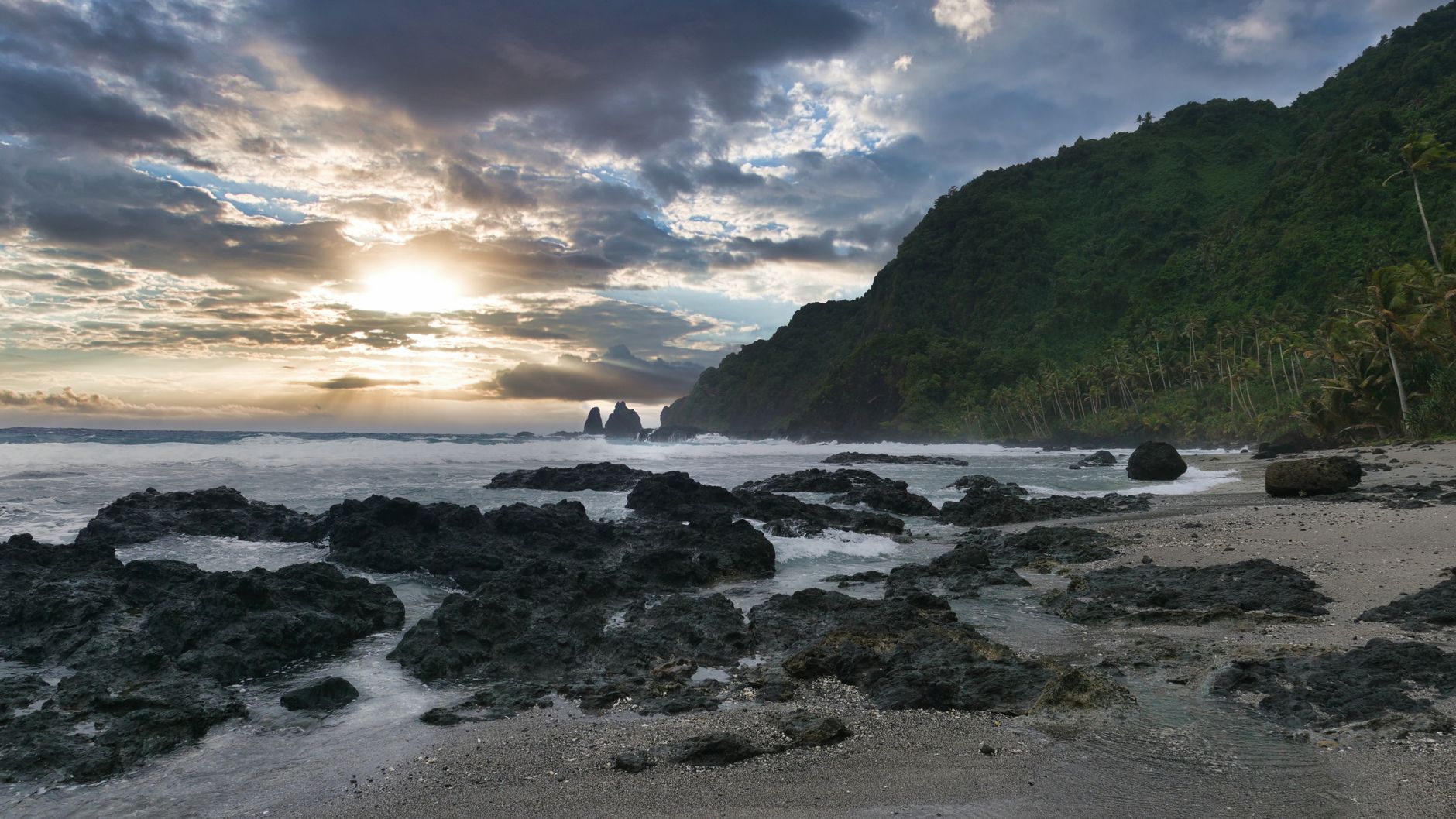
April and May, as well as October, sit in a sweet spot where the rain eases but the crowds haven’t peaked. I found the island of Ta‘ū especially pleasant in early October, the wind was gentle, and the crowds were thin.
Microclimates matter. The western side of Tutuila, where Pago Pago sits, gets more wind and slightly less rain than the eastern villages like Faga‘alu. If you’re staying in the capital, pack a light sweater for the occasional breezy evening.
Highland areas such as the interior of Ofu experience cooler temperatures at night, sometimes dropping to 70 °F (21 °C). A thin hoodie can make a big difference after a day of sun‑baked beach walking.
- Ideal months for combined activities: Late April, early May, late September, early October.
- Temperature swing: Coastal 78‑84 °F, inland highlands 70‑75 °F after sunset.
- Rainfall during shoulder months: 30‑60 mm per month, manageable for most outdoor plans.
- Best time for cultural festivals: The Flag Day celebrations in June and the Heiva in December.
- Travel tip: Use local taxis or the “matai” ride‑share apps; they’re cheaper in low‑season.
Practical Things to Consider
Getting there isn’t as simple as hopping on a direct flight from the mainland U.S. Most travelers connect through Honolulu, Nadi (Fiji) or Auckland. The flight from Honolulu to Pago Pago is about 2 hours and 30 minutes.
Visas are straightforward for U.S. citizens, you get a free 30‑day entry stamp on arrival. If you plan to stay longer, a short‑term extension can be arranged at the immigration office in Pago Pago for a modest fee.
Currency is the Samoan tālā (WST). I exchanged $200 at the airport and got 540 WST; most places accept credit cards, but small vendors in the villages prefer cash. ATMs are scarce outside Pago Pago, so bring enough for day trips.
- Flight cost range (US → Pago Pago): $560‑$900 depending on season and airline.
- Car rental: $45‑$60 per day for a compact vehicle; a 4×4 is advisable for off‑road hikes.
- Internet: Wi‑Fi is reliable in hotels, but cellular data can be spotty in remote areas, consider a local SIM.
- Packing essentials: reef‑safe sunscreen, quick‑dry shirts, waterproof dry bag for electronics.
- Health tip: Bring a basic malaria prophylaxis kit and any prescription meds, pharmacies are limited.
In the end, the “best” time to visit depends on what you value most. If you crave sun‑baked beaches, clear water, and don’t mind higher prices, aim for the dry months. If you’re a budget traveler who enjoys lush scenery and can roll with occasional rain, the wet season offers great value.
Whatever season you pick, American Samoa rewards patience and flexibility. The islands may be small, but they hold a depth of culture, natural beauty, and warm hospitality that feels like a secret most tourists haven’t discovered yet.