Best Time to Visit Fiji: Weather, Diving, Beaches & Peak Seasons
pranav
–
September 16, 2026
Fiji feels like a permanent holiday, but the island chain changes its rhythm with the seasons. Knowing when the sun, surf, and schools line up can save you money, keep you dry, and land you in the water at the perfect moment.
1. Weather Patterns, When to Expect Sun or Rain
The climate is tropical, so heat is a constant. Daytime highs hover between 27 °C and 31 °C year‑round, and the humidity spikes in the wet months. Nighttime never drops below 20 °C, which means you can ditch the heavy jacket any time you visit.
The year splits into two main periods: the dry season from May to October and the wet season from November to April. The dry months bring clear skies, gentle trade winds, and lower humidity, ideal for hiking and beach walks.
From November through March, the rain comes in short, intense bursts. It’s not nonstop downpour; you’ll often get a 30‑minute shower followed by sunshine. The trade‑off is that the ocean stays warm, around 28 °C, perfect for snorkeling.
If you hate humidity, aim for July or August. Those months record an average relative humidity of 70 % compared with 80‑85 % in February. The difference feels like a cool breeze on the reef.
Dry season (May‑Oct): 2‑4 mm daily rain, 70‑75 % humidity.
Wet season (Nov‑Apr): 150‑250 mm monthly rain, 80‑85 % humidity.
Average sea temperature: 26 °C (May‑Oct), 28 °C (Nov‑Apr).
Peak sunshine: 8‑9 hours per day in July.
Typical wind: 15‑20 km/h southeast trade wind in dry months.
Airfare fluctuates with the weather. Flying in June or September can be 15‑20 % cheaper than December, when airlines load up with holiday crowds. I booked a round‑trip from Los Angeles to Nadi for US$1,180 in early September; the same route in late December was $1,450.
Accommodation follows the same pattern. A mid‑range beachfront resort on the Coral Coast charges about FJD 180 (US$70) per night in May, but jumps to FJD 260 (US$100) in December. Hostels and Airbnb rooms stay under FJD 100 (US$40) even in peak months.
Travel insurance premiums also rise during cyclone‑prone months (January‑March). I paid an extra US$30 for a policy that covered flight cancellations in February; it felt worth it when a storm delayed my connecting flight from Nadi to Taveuni.
Bottom line: If you want the driest weather and lower prices, target May‑June or September‑October. If warm water and lush greenery are higher on your list, the wet season won’t disappoint, just pack a quick‑dry poncho.
2. Diving Season, Where and When the Reefs Shine
Fiji’s nickname “The Soft Coral Capital of the World” isn’t just marketing fluff. The reefs burst with pastel hues from June to November when the water clarity reaches 30‑40 meters.
The famous “Rainbow Reef” off Taveuni peaks in visibility during August. I logged a dive at 30 meters and could see a school of yellowtail snappers darting through a wall of pink and orange polyps. The dive cost US$85 for two tanks and a guide.
If you’re chasing big pelagics, the best window is October to December. Manta rays and reef sharks patrol the channels around the Yasawa Islands, and the currents are strong enough to bring in schools of tuna.
Winter months (June‑August) bring calmer seas, which is great for beginners. The “Garden of Eden” dive site near the island of Kadavu offers shallow coral gardens, perfect for a first‑time underwater photographer.
Top dive months: August‑November for visibility, October‑December for pelagics.
Average water temp: 27 °C year‑round, 28 °C in wet season.
Typical dive cost: US$70‑90 per two‑tank dive with gear.
Liveaboard rates: US$2,200‑2,800 for a 7‑day circuit in July.
Don’t forget the permit fees for certain marine reserves. The Great Astrolabe Reef requires a FJD 30 (US$14) entry fee per diver, payable at the dock. I paid the fee in cash; the ranger gave me a stamped card that let me dive three sites that day.
If you’re on a budget, the local dive shops in Nadi offer “early bird” discounts. Arriving before 9 am gets you 10 % off the standard rate, and the shops often include a free surface interval drink.
Safety note: The current can be deceptive in the “Passage” dive at the Mamanuca Islands. I was pulled a few meters deeper than planned in July and had to signal the boat for a quick ascent. Always check the daily brief and wear a dive computer.
Overall, the best time to dive depends on what you want to see. For crystal‑clear walls and soft corals, aim for August‑October; for big fish and manta encounters, book for November‑December.
3. Beach Time, Sunbathing, Surf, and Sand Quality
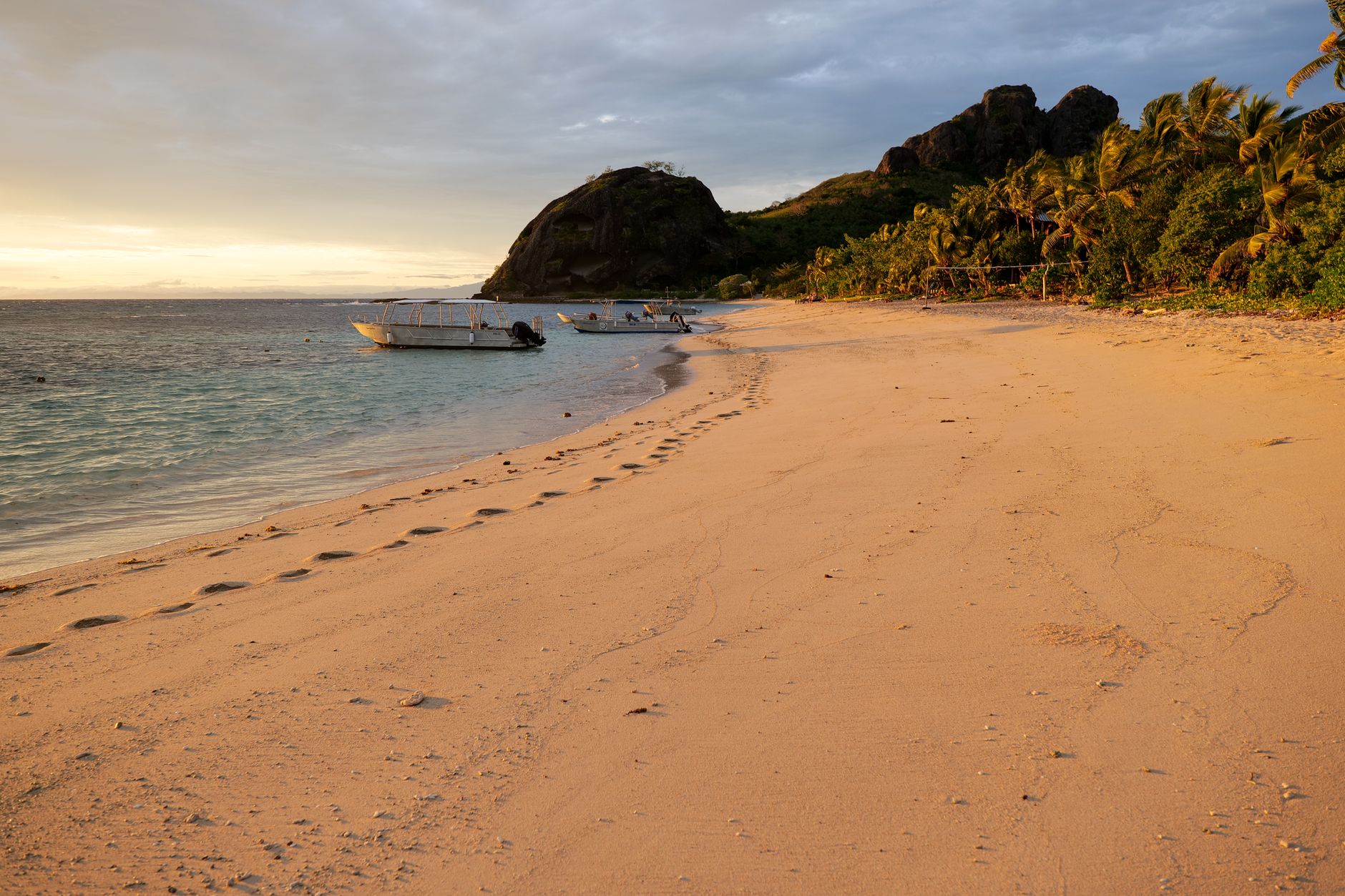
Fiji’s beaches are a mix of powdery white sand, volcanic black sand, and coral‑shattered gray. The most famous white‑sand stretch is on the island of Yanuca, just a 30‑minute ferry ride from Nadi.
If you prefer something less touristy, head to the eastern side of Viti Levu. The village of Navala offers a secluded lagoon with soft, almost sugar‑fine sand and no resort crowds. I camped there for a night in September; the only sound was the tide.
Surf season runs from April to October when the southeast trade winds create consistent swells. The break at Cloudbreak, near Tavarua Island, is world‑class but only for experienced surfers. For beginners, the gentle rollers at Natadola Beach in June are perfect.
Tide timing matters for beachcombing. Low tide in July reveals tide‑pools teeming with tiny crabs and sea urchins. I spent an hour at Coral Coast’s Sigatoka Beach watching a hermit crab parade.
Best white‑sand beaches: Yanuca (May‑Oct), Natadola (June‑Sept).
Black‑sand spots: Viti Levu’s western coast, especially near Lautoka.
Surf peaks: April‑Oct, Cloudbreak for pros, Natadola for beginners.
Sun protection: reef‑safe sunscreen, wide‑brim hat, reusable water bottle.
Entry fee: most public beaches are free; some resort beaches charge FJD 10‑15 per day.
Parking can be a surprise. The main car park at Natadola fills up by 9 am in August, and the lot charges FJD 5 for the day. I arrived early, paid cash, and got a spot right by the water.
If you’re renting a car, budget for the “fuel surcharge” that many rental agencies add in the dry season, about FJD 20 per week. It’s a small price to pay for the freedom to hop between hidden coves.
Beach vendors sell fresh coconut water for FJD 3 (US$1.30) and grilled fish for FJD 12 (US$5). The fish is usually mahi‑mahi caught that morning; it’s surprisingly cheap compared to resort restaurants.
When the wet season rolls in, some beaches develop a thin layer of seaweed. It’s not a deal‑breaker, but you’ll need water shoes to avoid stepping on sharp shells.
4. Peak Tourist Seasons, Crowds, Prices, and Local Events
The busiest months are December through February and July (school holidays in Australia and New Zealand). Hotels fill up fast, and you’ll hear multiple languages in the lobby.
If you love festivals, July is perfect. The “Bula Festival” in Suva showcases traditional kava ceremonies, fire dances, and a night market. I arrived on the 5th, joined a communal feast, and paid FJD 25 for a plate of kokoda.
Christmas and New Year bring a surge of cruise ships. The harbor at Suva can get congested, and taxi fares jump by about 30 % after the 24th. I booked a private transfer for FJD 80 (US$35) to avoid the line.
Conversely, May and early June are the sweet spot for quiet. The islands feel almost empty, and you can snag a “last‑minute” resort deal for as low as FJD 150 per night. I booked a beachfront bungalow in June for US$55, a fraction of the usual price.
High season: Dec‑Feb, Jul (prices +15‑20 %).
Low season: May‑Jun, Sep‑Oct (prices -10‑15 %).
Major events: Bula Festival (July), Fiji Day (Oct 10).
Transport tip: book inter‑island flights 4‑6 weeks ahead; last‑minute seats can be FJD 250.
Local tip: ask for “kava” in villages, it’s free and a cultural experience.
Inter‑island travel can be tricky in peak months. The domestic airline’s “Fiji Link” often has a waitlist for flights to the outer islands in August. I booked a charter seaplane for FJD 350 (US$150) to reach the Mamanuca group, which saved a day of waiting.
If you’re traveling on a strict budget, consider the “ferry‑plus‑bus” combo. The ferry from Suva to Lautoka costs FJD 25, and the local bus from Lautoka to Nadi is FJD 5. It takes longer but you’ll see more of the countryside.
Peak season also means more wildlife activity. The turtle nesting season on the island of Malolo aligns with November‑January. I joined a night patrol in December and helped relocate a nest for FJD 20.