




Best Time to Visit the Cook Islands: Weather, Crowds & Prices
When I first stepped off the plane in Rarotonga in late April, the air felt warm but not sticky, and the island was quiet enough that I could hear the waves from my hotel balcony. That balance of pleasant weather, fewer tourists, and decent prices is why I keep coming back to the Cook Islands and why I think the timing matters as much as the destination itself.
Understanding the Island’s Climate

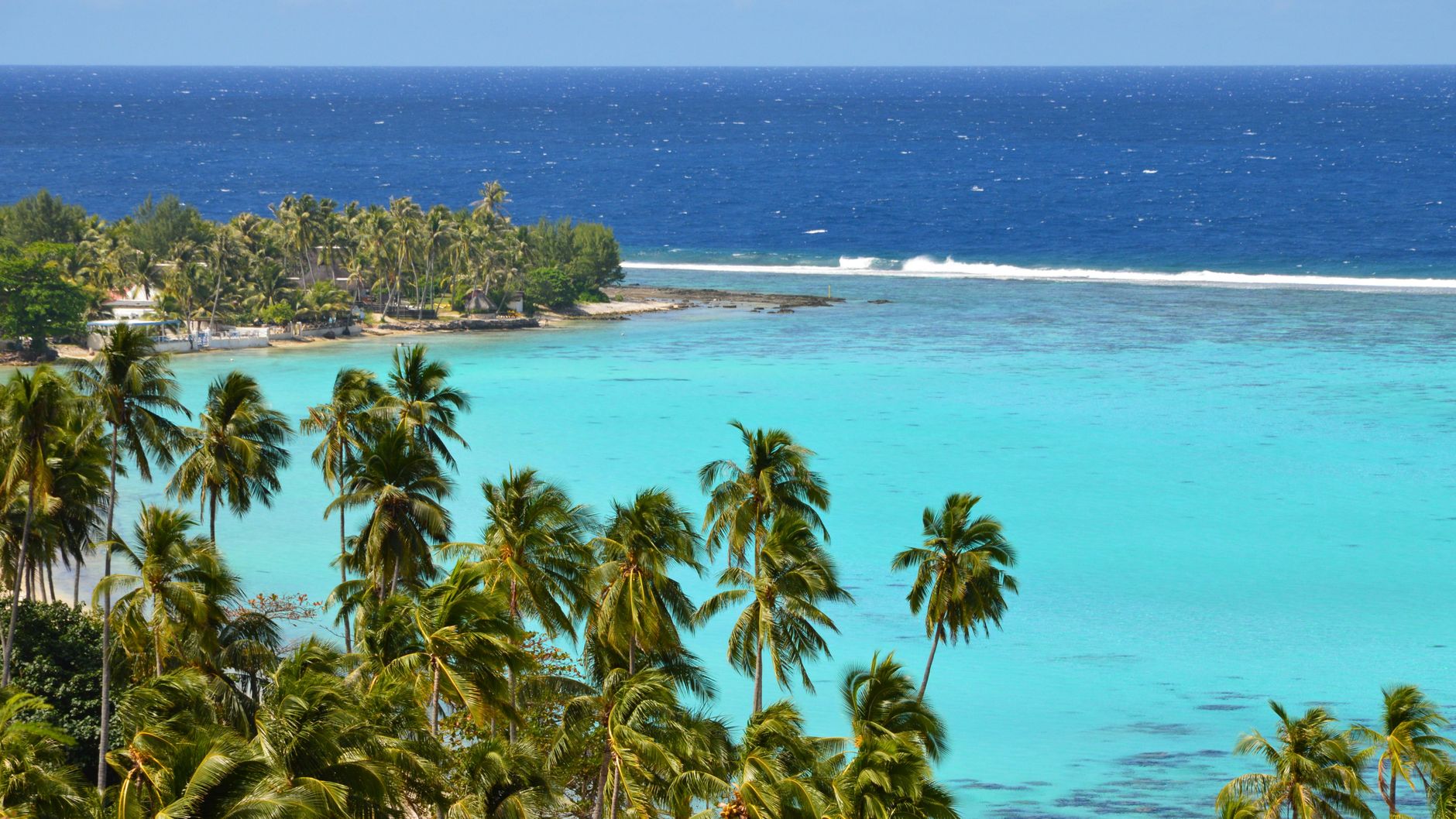
The Cook Islands sit just south of the equator, so they get a tropical feel year‑round. The real difference is in humidity and rain, not temperature. Daytime highs hover between 26 °C and 29 °C most months, and evenings rarely drop below 20 °C.
From November to March you get the wet season. Showers can be heavy in the afternoon, but they usually clear quickly. The trade winds shift a bit, making the humidity feel higher than in the dry months.
May through October is the dry season. The trade winds are steady, bringing a refreshing breeze that keeps the heat from becoming oppressive. This is also the time when the sea is calm enough for snorkeling on the outer reefs.
One thing travelers often forget is that the islands can be windy in June and July. The wind is great for kite‑surfing, but it can make beach towels flutter like flags. If you’re planning a picnic, bring a heavier blanket.
- Dry season (May‑Oct): 26‑29 °C, low humidity, calm seas.
- Wet season (Nov‑Mar): brief heavy showers, higher humidity.
- June‑July: strongest trade winds, ideal for kite‑surfing.
- Average annual rainfall: 1,800 mm, most falls in Jan‑Mar.
- Sea temperature: 25 °C year‑round, warms to 27 °C in Feb.
When the Crowds Arrive (and When They Don’t)
The Cook Islands aren’t a mass‑tourism hotspot, but they do see peaks. The biggest surge comes in late December through early January when families from New Zealand and Australia take advantage of school holidays.
During that window, popular spots like Muri Beach and the Black Pearl Market get busy, and you’ll hear more English accents than usual. If you prefer solitude, aim for early May or late September.
I remember booking a bungalow in Aroa on a Tuesday in early May; the reception was practically empty, and I got a free upgrade to a sea‑view room. The same wouldn’t have happened in mid‑December.
Mid‑week flights are also cheaper and less packed. Most airlines schedule a handful of departures on Tuesdays and Wednesdays, so you can avoid the weekend rush at the airport.
- Peak tourist period: late Dec‑early Jan.
- Quiet months: May, early June, late Sep‑Oct.
- Mid‑week flights (Tue‑Wed) are less crowded and cheaper.
- Local festivals (e.g., Te Vara Nui) attract visitors in July.
- School holidays in NZ/Aus (Apr, Jun, Sep, Dec) add modest spikes.
How Prices Shift Through the Year
Airfare is the biggest variable. From Auckland, a round‑trip ticket can be $300 NZD in May but jump to $600 NZD in December. From the US West Coast, expect $1,200 USD off‑season and $1,800 USD in high season.
Accommodation follows a similar pattern. A mid‑range hotel on Rarotonga averages $150 NZD per night in the dry season, but you can find rooms for $90 NZD during the shoulder months of May and September.
Hostels and guesthouses stay around $30‑$45 NZD per night year‑round, though some charge a small “high‑season surcharge” of $10. If you’re willing to camp, the island’s Department of Conservation rents out sites for $15 NZD per night.
Car rentals are $70 NZD per day for a compact, but many visitors opt for scooters at $25 NZD per day. In high season, some companies require a $200 NZD deposit, whereas in low season the deposit drops to $100 NZD.
- Flight from Auckland: $300‑$600 NZD (off‑peak vs peak).
- Mid‑range hotel: $90‑$150 NZD per night.
- Hostel: $30‑$45 NZD per night, year‑round.
- Car rental: $70 NZD/day, deposit $100‑$200 NZD.
- Camping fee: $15 NZD per night, reservation required.
Balancing Weather, Crowds, and Cost

If you want decent weather, fewer people, and lower prices, aim for the shoulder periods of late April to early May or late September to early October. The trade winds are still present, the sea is warm, and the island feels almost private.
During these windows, I booked a flight on a Tuesday for $340 NZD from Auckland and found a boutique guesthouse at $95 NZD per night. The restaurant I loved, The Mooring, offered a “shoulder‑season menu” with dishes for $12 NZD instead of the usual $18 NZD.
One downside is that some dive operators run limited schedules in October, so if you’re keen on underwater photography, check availability early. I called the Aitutaki Dive Centre two weeks before my trip and they reserved a slot for me without a problem.
Another tip: bring a light rain jacket even in the dry season. I once got caught in an unexpected drizzle on the road to the island’s interior, and the locals offered me a spare poncho from their market stall. It saved my day.
- Best overall window: late Apr‑early May or late Sep‑early Oct.
- Average daily cost (mid‑range): $120‑$150 NZD.
- Rain jacket: lightweight, breathable, packable.
- Check dive operator schedules in Oct; book early.
- Tuesday flights = best price, fewer crowds.
Practical Planning Checklist
Before you book, write down the exact dates you’re flexible with. I keep a spreadsheet with columns for flight price, accommodation cost, and any local events that might affect availability.
Next, decide what you want to do. If you’re chasing calm water for snorkeling, avoid the windy months of June and July. If you love wind sports, those months are perfect.
Don’t forget travel insurance that covers flight cancellations. During the wet season, a sudden tropical disturbance can delay a ferry from Aitutaki to Rarotonga, and I’ve seen travelers stranded for a day.
Finally, pack a small first‑aid kit with antihistamines. The islands have limited pharmacies, and the local shops often run out of allergy meds during the high‑tourist months.
- Create a flexible date spreadsheet before booking.
- Match activity (snorkeling vs wind sports) to season.
- Buy travel insurance with flight cancellation coverage.
- Pack antihistamines and basic first‑aid supplies.
- Check ferry schedules if traveling between islands.
In short, the Cook Islands reward travelers who time their visit right. Whether you’re chasing sunshine, solitude, or savings, the island’s calendar offers a sweet spot. Plan with the weather, crowds, and prices in mind, and you’ll get the most out of this Pacific gem.