



Best Time to Visit the Solomon Islands for Diving, Beaches & Adventure
Adventure Beyond the Shore: Hiking, Culture and Logistics
One afternoon I trekked up to the summit of Mt Popomanaseu on Guadalcanal. The trail started at a village where kids offered me fresh banana chips, then turned into a steep, muddy climb that took about three hours. At the top, the view stretched over dense rainforest and the blue expanse of the Pacific, a reminder that the Solomons aren’t just about water.
Getting around is part adventure, part negotiation. Ferries between major islands run irregularly; the Thursday morning boat from Honiara to Gizo left at 07:30 but was delayed by an hour because of a sudden squall. Renting a 4×4 costs about US$80 a day, fuel is pricey at roughly US$1.50 per litre, and you’ll need a local driver if you want to explore interior villages.
- Hiking gear: sturdy boots, rain jacket, and a mosquito net for night stays.
- Transport: inter‑island ferry tickets US$25‑35, 4×4 rental US$80‑100 per day.
- Culture: respect local customs, especially during “kava” ceremonies.
- Travel insurance: essential for dive‑related injuries and remote evacuations.
- Health: take anti‑malaria tablets; a single dose of doxycycline daily is common.
Practical Tips for Planning Your Trip
Before you book, check the entry requirements. As of 2026, a tourist visa is granted on arrival for most nationalities, but you’ll need a passport valid for at least six months and proof of onward travel. I booked a round‑trip flight through Air Niugini; the fare was US$950 from Auckland, which is about what most travelers pay.
Accommodations range from simple beachfront huts to boutique lodges. I stayed at a family‑run guesthouse in Gizo for US$45 a night; the owners cooked fresh fish with coconut milk and shared stories about the island’s WWII history. For a splurge, the eco‑resort on Malaita charged US$180 per night and offered guided night dives.
- Visa: free on arrival for 30 days, extendable for another 30 at immigration.
- Flight cost: US$900‑1 100 from major Australian or New Zealand cities.
- Currency: Solomon Islands dollar (SBD), but Australian dollars are widely accepted.
- Packing list: reef‑safe sunscreen, reef‑compatible snorkel mask, lightweight rain jacket.
- Connectivity: SIM cards cost US$10 for 5 GB data, bought at Honiara airport.
Timing your visit around the dry season gives you the best chance at calm seas, clear reefs, and dry trails. It also means you’ll share the islands with more travelers, which can be a plus if you enjoy a lively atmosphere. Whatever month you choose, the Solomon Islands deliver a mix of underwater wonder, sun‑kissed beaches, and rugged adventure that feels untouched.
Beach Time: Sun, Sand and Sea Conditions
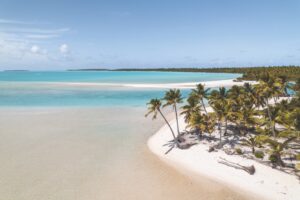
When I hopped on a small motorboat to the island of Savo, the white‑sand beach was almost empty. The water was a turquoise that seemed too bright to be real, and the tide was low enough to wade out a few meters without a mask. The dry season keeps the sea calm, so you can snorkel right from the shore.
In contrast, a trip to the remote island of Rennell in February meant battling a short, sharp swell. The waves broke in a steady rhythm that was great for a quick surf session, but the sand got churned up and the water turned a milky green. If you’re after picture‑perfect beach days, aim for July‑September.
- Top beach spots: Marovo Lagoon, Munda Beach, and Rennell’s Lake.
- Shallow snorkeling: 0‑3 m depth, best in dry months.
- Beach accommodation ranges from US$30 a night in guesthouses to US$150 in eco‑resorts.
- Sun protection: SPF 50, hat, and a reusable water bottle, tap water isn’t safe to drink.
- Local tip: Carry cash in Australian dollars; many islands don’t accept cards.
Adventure Beyond the Shore: Hiking, Culture and Logistics
One afternoon I trekked up to the summit of Mt Popomanaseu on Guadalcanal. The trail started at a village where kids offered me fresh banana chips, then turned into a steep, muddy climb that took about three hours. At the top, the view stretched over dense rainforest and the blue expanse of the Pacific, a reminder that the Solomons aren’t just about water.
Getting around is part adventure, part negotiation. Ferries between major islands run irregularly; the Thursday morning boat from Honiara to Gizo left at 07:30 but was delayed by an hour because of a sudden squall. Renting a 4×4 costs about US$80 a day, fuel is pricey at roughly US$1.50 per litre, and you’ll need a local driver if you want to explore interior villages.
- Hiking gear: sturdy boots, rain jacket, and a mosquito net for night stays.
- Transport: inter‑island ferry tickets US$25‑35, 4×4 rental US$80‑100 per day.
- Culture: respect local customs, especially during “kava” ceremonies.
- Travel insurance: essential for dive‑related injuries and remote evacuations.
- Health: take anti‑malaria tablets; a single dose of doxycycline daily is common.
Practical Tips for Planning Your Trip
Before you book, check the entry requirements. As of 2026, a tourist visa is granted on arrival for most nationalities, but you’ll need a passport valid for at least six months and proof of onward travel. I booked a round‑trip flight through Air Niugini; the fare was US$950 from Auckland, which is about what most travelers pay.
Accommodations range from simple beachfront huts to boutique lodges. I stayed at a family‑run guesthouse in Gizo for US$45 a night; the owners cooked fresh fish with coconut milk and shared stories about the island’s WWII history. For a splurge, the eco‑resort on Malaita charged US$180 per night and offered guided night dives.
- Visa: free on arrival for 30 days, extendable for another 30 at immigration.
- Flight cost: US$900‑1 100 from major Australian or New Zealand cities.
- Currency: Solomon Islands dollar (SBD), but Australian dollars are widely accepted.
- Packing list: reef‑safe sunscreen, reef‑compatible snorkel mask, lightweight rain jacket.
- Connectivity: SIM cards cost US$10 for 5 GB data, bought at Honiara airport.
Timing your visit around the dry season gives you the best chance at calm seas, clear reefs, and dry trails. It also means you’ll share the islands with more travelers, which can be a plus if you enjoy a lively atmosphere. Whatever month you choose, the Solomon Islands deliver a mix of underwater wonder, sun‑kissed beaches, and rugged adventure that feels untouched.
Landing in Honiara after a 12‑hour flight from Sydney, the first thing that hits you is the humidity, a reminder that you’re far from the temperate climes you’re used to. I spent a week there in late July, and the weather felt like a steady, warm blanket, perfect for the activities I had on my list: diving, beach hopping, and a bit of inland trekking.
When the Weather Plays Nice: Dry vs Wet Seasons
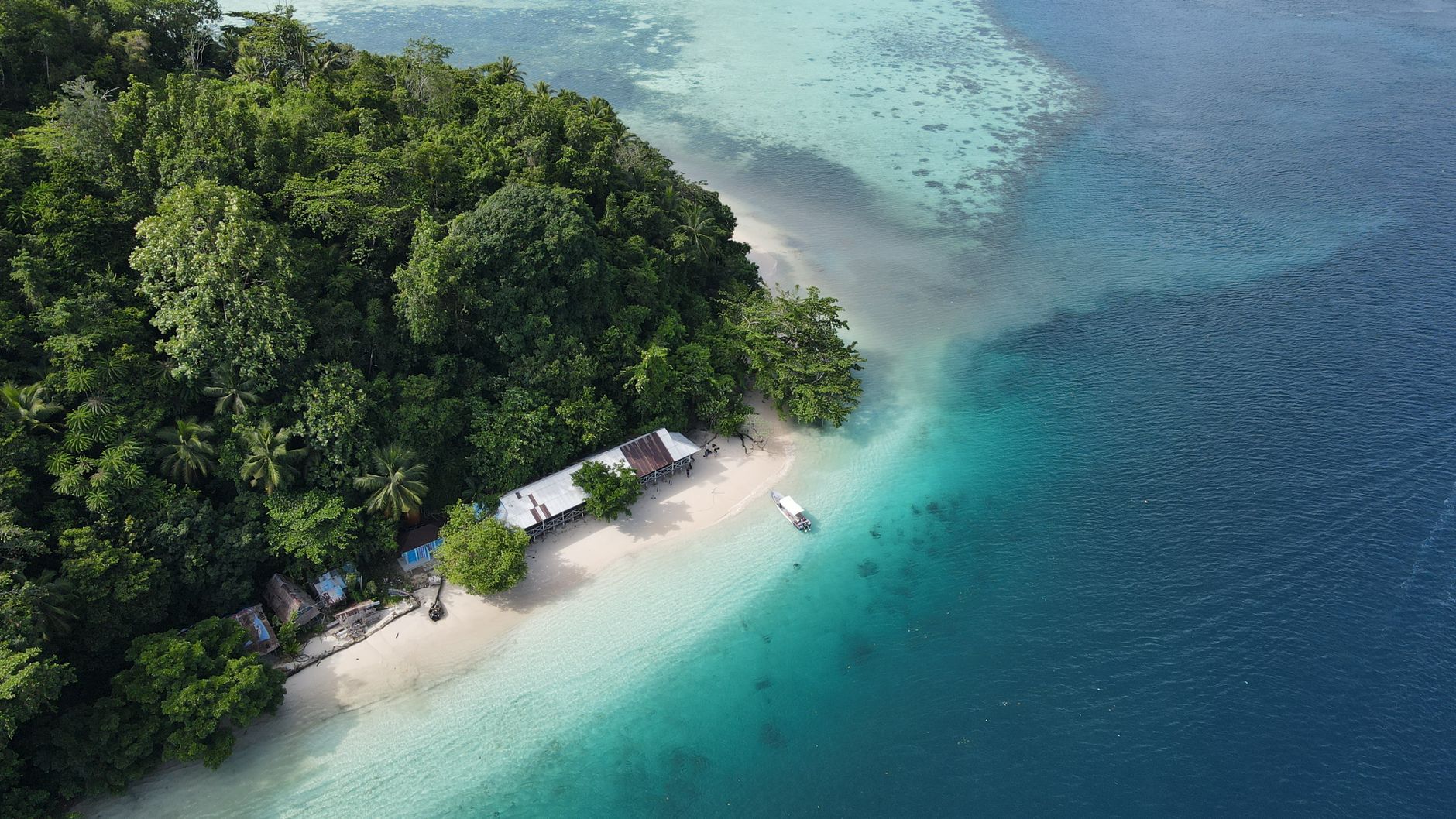
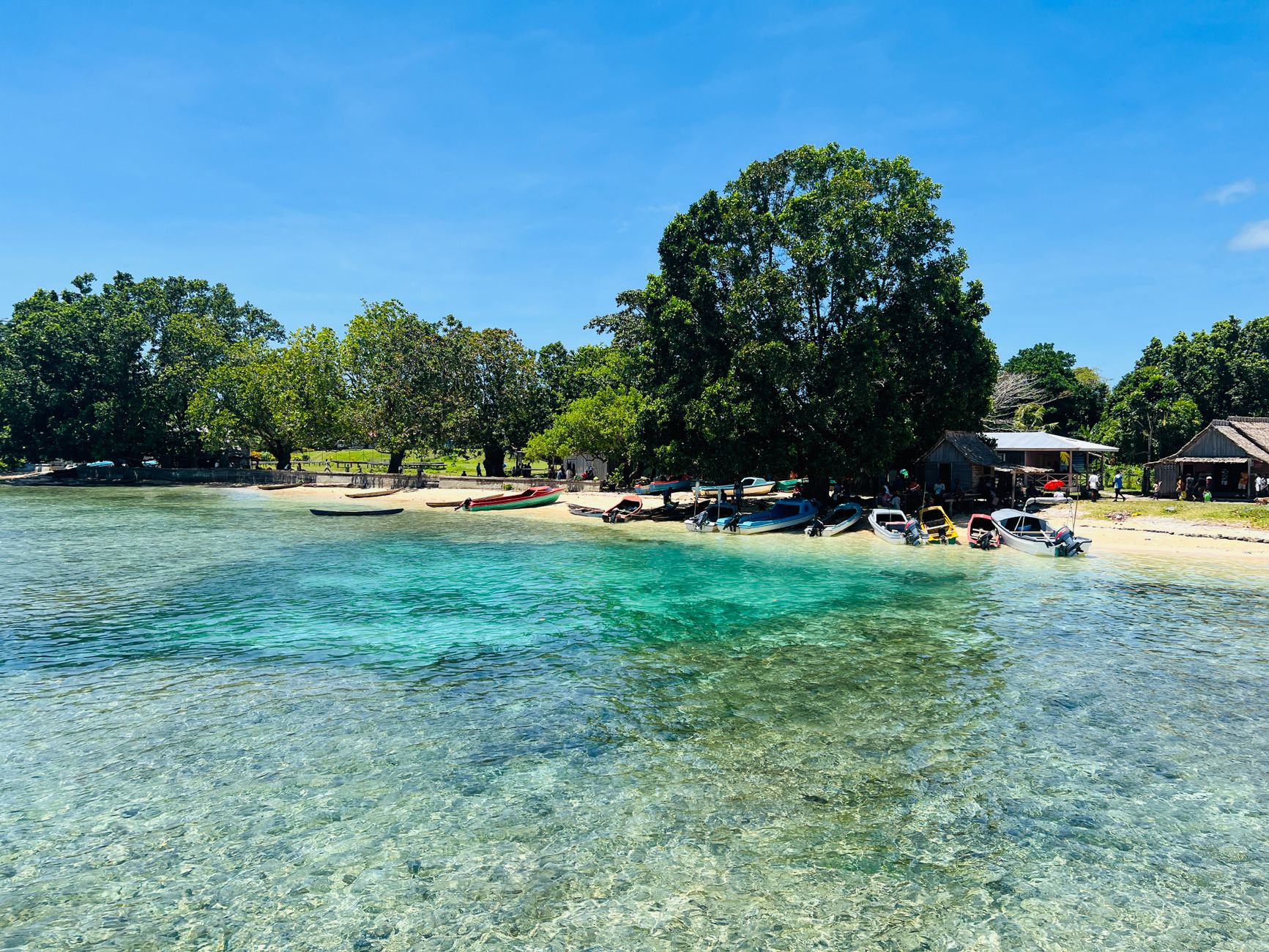
The Solomon Islands sit just south of the equator, so temperature swings are modest. Daytime highs linger between 27 °C and 30 °C year‑round, and night lows rarely dip below 22 °C. The real difference is rain. The dry season runs from May to October, while the wet season stretches from November to April.
During the dry months the sky stays mostly clear, trade winds sweep in from the southeast, and the sea is calm enough that you can see a fish’s silhouette from the shore. In the wet months, thunderstorms roll in daily, humidity spikes, and the ocean can turn choppy, not ideal for diving, but the waterfalls become spectacular.
- Dry season (May‑Oct) offers 6‑8 hours of sunshine daily.
- Wet season (Nov‑Apr) sees 15‑20 mm of rain per day on average.
- Trade winds average 12‑15 knots, easing boat rides in dry months.
- Sea temperature stays around 28 °C year‑round, no wetsuit needed.
- Peak tourist numbers: July and August, so book early.
Peak Diving Windows and What to Expect Underwater
I dove at Munda’s Munda Passage in early August, and the visibility was a solid 25 meters. That’s the best you’ll see in the Solomons, the dry season brings steady currents that flush out plankton, leaving the water crystal clear. Dive operators charge about US$120 for a two‑day live‑aboard package, which includes meals and gear.
The marine life is a mix of WWII wrecks and pristine reefs. The wreck of the SS Goya near Guadalcanal is a favorite; you’ll see giant trevallies, schools of fusiliers, and occasionally a shy manta ray cruising the wreck’s shadow. If you’re lucky in the dry months, you might spot a reef shark patrolling the outer slope.
- Best dive months: June‑Sept for 20‑30 m visibility.
- Typical dive cost: US$60‑70 per two‑hour shore dive.
- Live‑aboard rates: US$110‑130 per night, meals included.
- Key sites: Munda Passage, Bloody Bay, and the wreck of SS Goya.
- Bring a reef‑safe sunscreen; many dive shops sell reef‑friendly brands.
Beach Time: Sun, Sand and Sea Conditions
When I hopped on a small motorboat to the island of Savo, the white‑sand beach was almost empty. The water was a turquoise that seemed too bright to be real, and the tide was low enough to wade out a few meters without a mask. The dry season keeps the sea calm, so you can snorkel right from the shore.
In contrast, a trip to the remote island of Rennell in February meant battling a short, sharp swell. The waves broke in a steady rhythm that was great for a quick surf session, but the sand got churned up and the water turned a milky green. If you’re after picture‑perfect beach days, aim for July‑September.
- Top beach spots: Marovo Lagoon, Munda Beach, and Rennell’s Lake.
- Shallow snorkeling: 0‑3 m depth, best in dry months.
- Beach accommodation ranges from US$30 a night in guesthouses to US$150 in eco‑resorts.
- Sun protection: SPF 50, hat, and a reusable water bottle, tap water isn’t safe to drink.
- Local tip: Carry cash in Australian dollars; many islands don’t accept cards.
Adventure Beyond the Shore: Hiking, Culture and Logistics
One afternoon I trekked up to the summit of Mt Popomanaseu on Guadalcanal. The trail started at a village where kids offered me fresh banana chips, then turned into a steep, muddy climb that took about three hours. At the top, the view stretched over dense rainforest and the blue expanse of the Pacific, a reminder that the Solomons aren’t just about water.
Getting around is part adventure, part negotiation. Ferries between major islands run irregularly; the Thursday morning boat from Honiara to Gizo left at 07:30 but was delayed by an hour because of a sudden squall. Renting a 4×4 costs about US$80 a day, fuel is pricey at roughly US$1.50 per litre, and you’ll need a local driver if you want to explore interior villages.
- Hiking gear: sturdy boots, rain jacket, and a mosquito net for night stays.
- Transport: inter‑island ferry tickets US$25‑35, 4×4 rental US$80‑100 per day.
- Culture: respect local customs, especially during “kava” ceremonies.
- Travel insurance: essential for dive‑related injuries and remote evacuations.
- Health: take anti‑malaria tablets; a single dose of doxycycline daily is common.
Practical Tips for Planning Your Trip
Before you book, check the entry requirements. As of 2026, a tourist visa is granted on arrival for most nationalities, but you’ll need a passport valid for at least six months and proof of onward travel. I booked a round‑trip flight through Air Niugini; the fare was US$950 from Auckland, which is about what most travelers pay.
Accommodations range from simple beachfront huts to boutique lodges. I stayed at a family‑run guesthouse in Gizo for US$45 a night; the owners cooked fresh fish with coconut milk and shared stories about the island’s WWII history. For a splurge, the eco‑resort on Malaita charged US$180 per night and offered guided night dives.
- Visa: free on arrival for 30 days, extendable for another 30 at immigration.
- Flight cost: US$900‑1 100 from major Australian or New Zealand cities.
- Currency: Solomon Islands dollar (SBD), but Australian dollars are widely accepted.
- Packing list: reef‑safe sunscreen, reef‑compatible snorkel mask, lightweight rain jacket.
- Connectivity: SIM cards cost US$10 for 5 GB data, bought at Honiara airport.
Timing your visit around the dry season gives you the best chance at calm seas, clear reefs, and dry trails. It also means you’ll share the islands with more travelers, which can be a plus if you enjoy a lively atmosphere. Whatever month you choose, the Solomon Islands deliver a mix of underwater wonder, sun‑kissed beaches, and rugged adventure that feels untouched.