



Beyond Wreck Diving: Beaches, Culture & Experiences in Chuuk
When I stepped off the small propeller plane onto the tarmac of Chuuk International Airport, the humid air hit me like a warm hand. The island felt quiet, almost like a secret waiting to be explored beyond the famous wrecks that most divers chase.
Getting There: Flights, Visas, and First Impressions
The most reliable route is a two‑hour flight from Guam on United Airlines or a local carrier like Caroline Islands Air. I booked a round‑trip ticket for $380 in June; prices dip to $320 in the off‑season but seats fill fast.
Chuuk still requires a visa on arrival for most nationalities, $30 cash at the airport desk, no credit cards accepted. The process is quick, but keep a few extra US dollars handy for the small receipt.
Transportation from the airport to the town of Weno is a shared taxi that costs about $5 per person. The ride is cramped, the driver chats in Chuukese, and you’ll see the first glimpse of tin‑roofed houses perched on the lagoon’s edge.
If you’re bringing a rental car, the agency on the second floor of the airport office offers a compact sedan for $45 a day, full‑tank. The roads are narrow, and you’ll need to watch out for stray chickens crossing at intersections.
Travel insurance that covers scuba accidents is a must; I paid $70 for a basic policy that also includes medical evacuation. The nearest hospital is on Weno, but serious dive injuries require evacuation to Guam.
- Round‑trip flight from Guam: $320‑$380, book 2‑3 months ahead
- Visa on arrival: $30 cash, keep change for small purchases
- Shared taxi to Weno: $5 per person, 10‑minute ride
- Car rental: $45/day, compact, manual transmission common
- Travel insurance: $70 for basic dive coverage, check evacuation clauses
The Dive Legacy: Why the Wrecks Aren’t the Whole Story
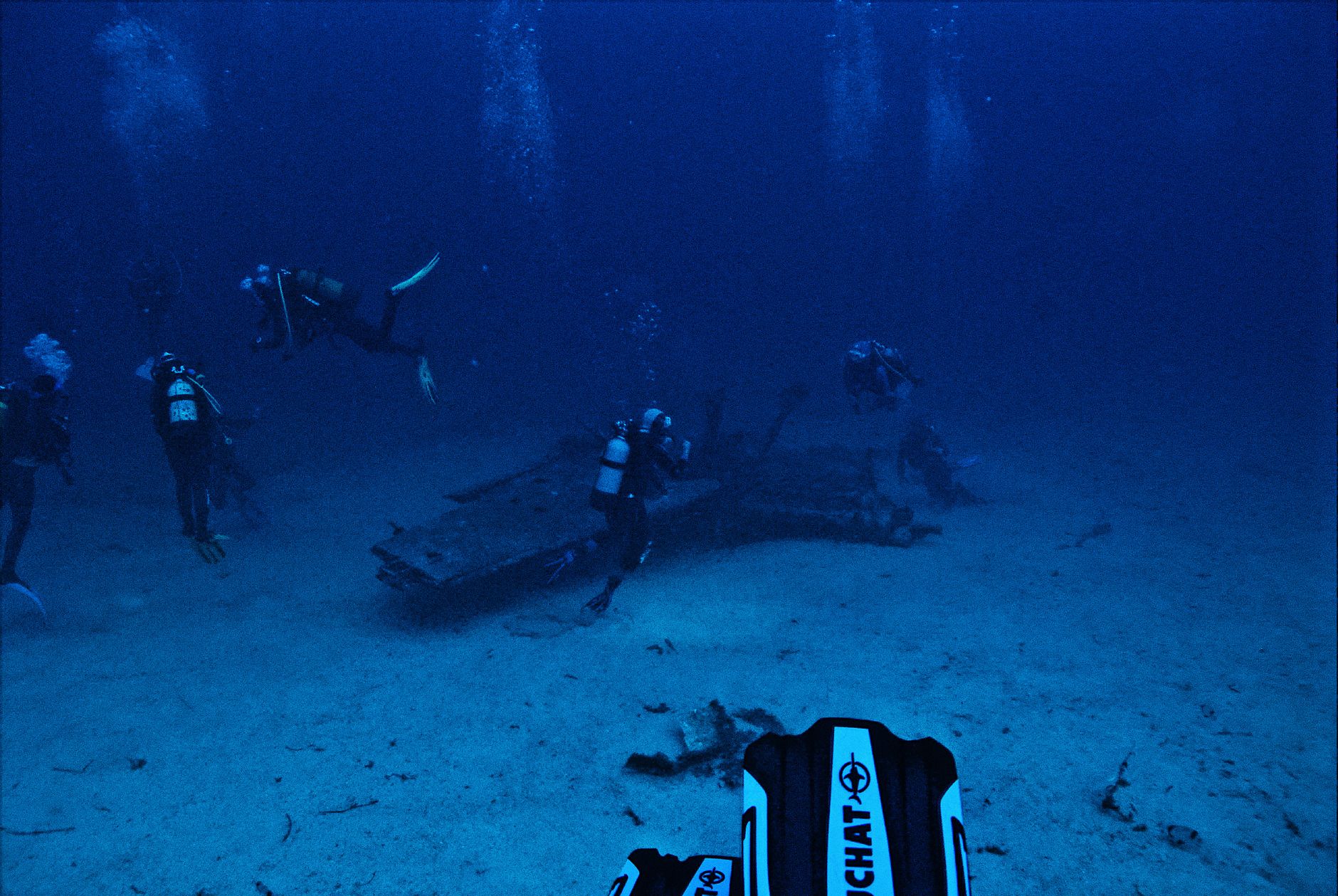
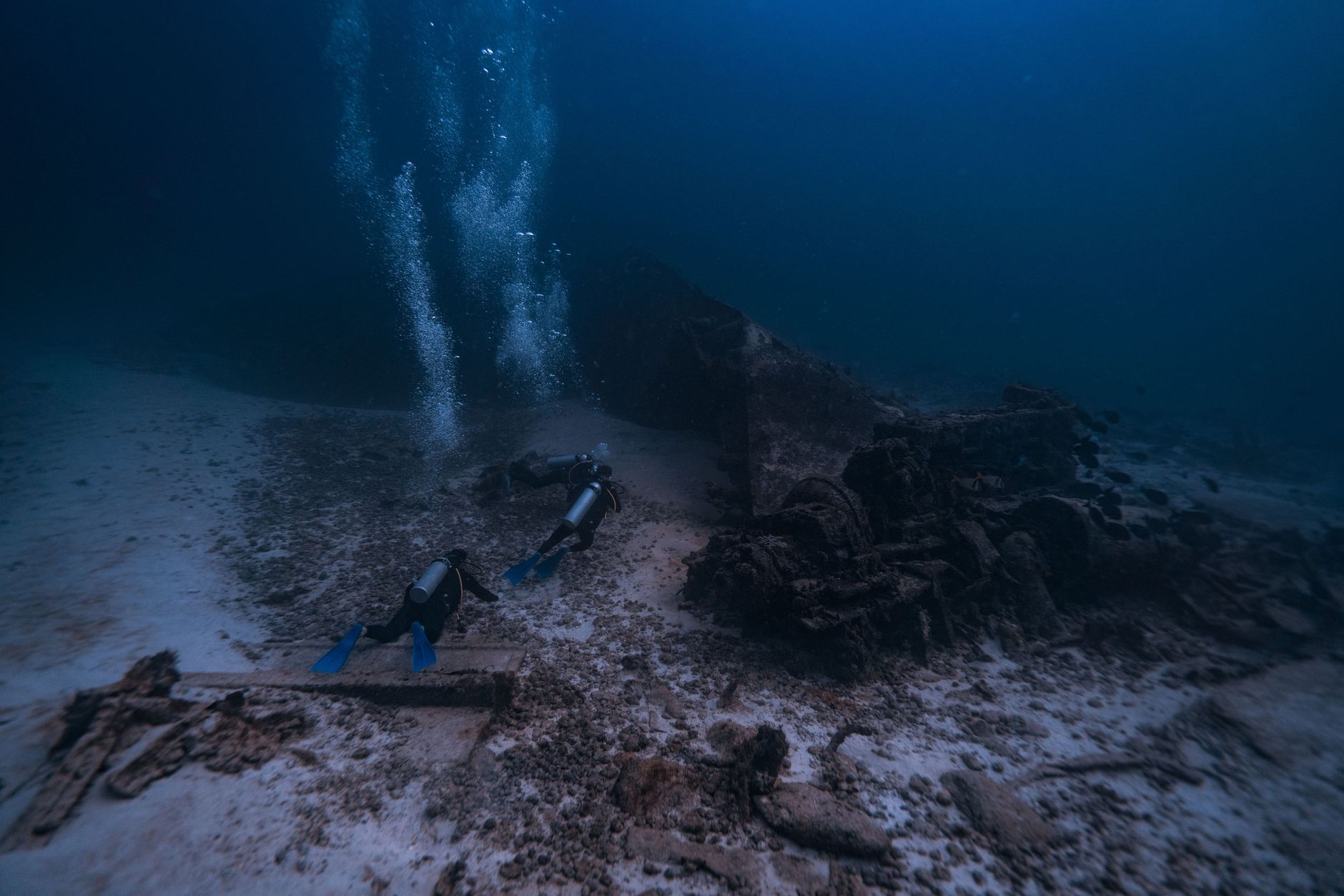
Chuuk’s underwater museum of WWII wrecks is legendary; the USS Johnston and Katori Maru sit side by side in the lagoon. I spent two mornings on a dive boat with a crew that charged $150 per two‑tank dive, gear included.
Even seasoned divers will tell you the water can be murky after a rainstorm. I learned the hard way that a sudden downpour can push silt onto the wrecks, reducing visibility to under ten meters.
If you’re not a wreck enthusiast, the same boat offers reef dives on the outer lagoon wall for $120 per two‑tank dive. The coral there is hardier, and the fish are less accustomed to humans, so you get a quieter experience.
Most dive shops require a valid certification card and a medical questionnaire. I filled out a one‑page form on the boat; they keep a copy for insurance purposes.
Renting a dive computer locally costs $8 per day, a good deal compared to $15 in the US. The shops also sell single‑use dive masks for $12 if you prefer not to bring your own.
- Wreck dive (two‑tank): $150, includes gear, guide, boat fuel
- Reef dive (two‑tank): $120, less crowded, better visibility
- Gear rental: $8/day for dive computer, $12 for disposable mask
- Certification: bring current card, complete short medical form
- Visibility tip: avoid diving the day after heavy rain
Beaches and Island Hopping: Sun, Sand, and Slightly Rough Roads
Beyond the lagoon, the outer islands offer white‑sand beaches that feel untouched. I caught a local ferry from Weno to Fefan for $12 one‑way; the boat left at 7 am and returned at 5 pm.
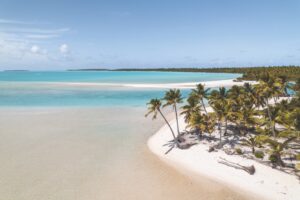
Fefan’s main beach, called Tol, stretches for a kilometer and is lined with coconut palms that sway in the gentle breeze. The sand is fine, but there are occasional sea urchins hidden in the shallow water, so wear water shoes.
If you want a more private spot, hire a motorboat from the village for $70 a day. The skipper knows the best hidden coves, and you can stop for a swim wherever you like.
The road to the southern tip of Fefan is a gravel track that rattles under a small sedan. I drove it twice; the first time I got a flat tire and had to patch it with a spare tube from the local shop.
Snorkeling at the lagoon’s edge near the old airstrip is free, but bring your own reef‑safe sunscreen, the only brand sold locally is $6 for a 100 ml bottle.
- Ferry Weno‑Fefan: $12 one‑way, departs 7 am, returns 5 pm
- Motorboat hire: $70/day, includes driver, fuel, flexible stops
- Beach tip: wear water shoes to avoid sea urchin stings
- Road condition: gravel, carry a spare tire and basic tools
- Sunscreen: $6 for reef‑safe 100 ml, apply liberally
Culture and Community: Markets, Meals, and Meaningful Interactions

The weekly market in Weno, held every Thursday, is a sensory overload of colors and smells. I arrived early to snag fresh mangoes for $0.30 each and a kilo of taro for $1.20.
Local food stalls serve “pancit” (noodle soup) and “tuba” (palm wine) for $2 a bowl and $1.50 a cup respectively. The tuba is mildly alcoholic and best enjoyed with a friendly local who will explain its cultural significance.
Visiting a village on the island of Poluwat required a small donation of $5 to the community council. In return, I was invited to a traditional dance where men wore feathered headdresses and women sang in a language I could not understand.
Learning a few basic Chuukese phrases goes a long way. “Yo’” means hello, “Kasei” is thank you, and “Mwi” means yes. I used “Kasei” every time I bought a souvenir, and vendors smiled wider each time.
Internet access is limited to a few cafés in Weno; the Wi‑Fi password changes daily, and the connection is slow enough that loading a picture takes a minute. I downloaded maps offline before arrival to avoid getting lost.
- Market day: Thursday, fresh fruit $0.30‑$1.20, arrive early
- Local meals: pancit $2, tuba $1.50, try both for authentic taste
- Village visit: $5 donation, includes dance and cultural talk
- Language tip: “Yo’”, “Kasei”, “Mwi”, simple words appreciated
- Internet: limited cafés, expect slow speeds, download offline maps
Off‑the‑Beaten‑Path Experiences: Hiking, Kayaking, and Nighttime Wonders
One morning I rented a kayak from a small shop on Weno for $25 a day and paddled out to the abandoned airstrip on Fefan. The water was calm, and the sunrise painted the sky in soft pinks.
For a land adventure, I joined a local guide to hike Mt. Tonowas, the highest point on the main island. The trail starts at a village school, and the guide charged $30 for a four‑hour trek, including a packed lunch of rice and fish.
The summit offers a panoramic view of the lagoon, dotted with wrecks like tiny toys. On clear days you can see Guam’s distant outline; on cloudy days the view is limited to the treetops, but the hike is still rewarding.
Night snorkeling at the “Blue Hole” near the southern reef is an unforgettable experience. I booked a guided night dive for $80, which included a flashlight and a brief safety talk.
During the night swim, I saw tiny bioluminescent plankton light up with each kick. It felt like swimming through a galaxy, and the guide pointed out a shy octopus that blended into the coral.
Finally, I attended a small “Mwar” ceremony on a remote islet, where elders told stories of WWII battles around a fire. The gathering lasted two hours, and the host offered fresh coconut water for $0.80 a cup.
- Kayak rental: $25/day, includes paddle and basic safety gear
- Mt. Tonowas hike: $30 guide fee, four hours, packed lunch provided
- Night snorkel: $80, flashlight, guided, bioluminescent plankton
- Mwar ceremony: free entry, optional coconut water $0.80
- Best time: dry season (December‑April) for clear skies and calm seas