




Cook Islands Travel Guide: Everything to Know Before Visiting
My first flight into Rarotonga felt like stepping onto a postcard that had been left open to the sun for too long; the air was warm, the scent of frangipani mixed with diesel from the airport shuttles, and the island’s laid‑back vibe hit you before you even left the terminal. I spent a week hopping between the main island and a couple of outer atolls, and I learned the hard way which little details can make or break a trip.
Getting There: Flights, Visas and First Impressions
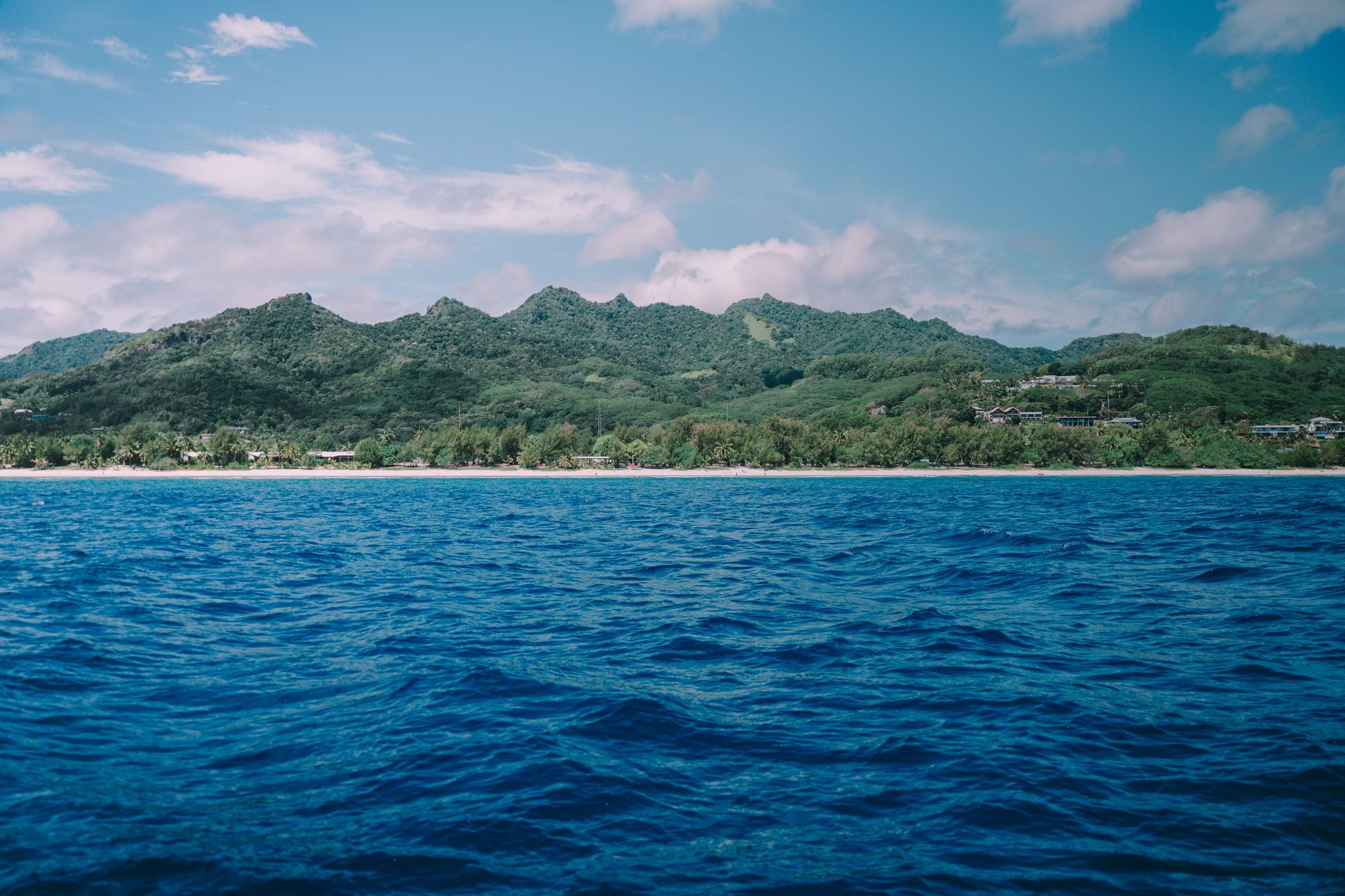

Most visitors arrive via a connecting flight from Auckland, Los Angeles or Fiji; the direct Auckland‑Rarotonga route is serviced by Air New Zealand and a few charter operators, and the flight is just under three hours. If you’re coming from the US, expect a layover in Auckland that can stretch to twelve hours, so pack a spare change of clothes and a good book.
Cook Islands citizens enjoy visa‑free entry for up to thirty‑nine days, and most tourists from the US, Canada, UK and EU get the same treatment. The immigration officer will ask about your accommodation and a return ticket, so keep a printed copy of your Airbnb reservation handy.
Customs is straightforward: you can bring in up to ten liters of alcohol, a reasonable amount of tobacco, and personal items without paying duty. I tried to bring a surfboard and was told to declare it; they charged a $30 handling fee and a $15 storage fee if you left it at the airport for later pickup.
- Round‑trip airfare from Auckland averages NZ$450 in low season, NZ$750 in high season.
- Visa‑free stay up to 39 days for most nationalities.
- Bring a printed accommodation confirmation for immigration.
- Declare large sports equipment to avoid surprise fees.
- Airport Wi‑Fi is free but slow; consider a local SIM for reliable data.
Getting Around: Cars, Buses and Boats
Rarotonga’s ring road circles the island and is the easiest way to explore; most visitors rent a car for $55 a day, which includes basic insurance. I booked through a local agency on the day of arrival and got a compact Toyota Yaris that fit two suitcases and a snorkeling kit without a hitch.
If you prefer not to drive, the island’s public bus system runs every hour from the main town of Avarua to the southern villages. The fare is a flat $2.50 per ride, and you can buy a weekly pass for $12, which saved me a few dollars when I made spontaneous stops at beaches.
To reach the outer islands, you’ll need to catch a small plane or a boat. The inter‑island flight to Aitutaki costs about NZ$250 round‑trip and takes 30 minutes; the seaplane offers spectacular views of turquoise lagoons, but the schedule is limited to mornings and afternoons. The ferry to Mauke runs twice a week and is cheaper, around $70 round‑trip, but the ride is bumpy and can be delayed by weather.
- Car rental $55/day, includes basic insurance.
- Public bus $2.50 per ride, weekly pass $12.
- Inter‑island flight to Aitutaki $250 round‑trip.
- Ferry to Mauke $70 round‑trip, twice weekly.
- Drive on the left; road signs are in English.
Where to Stay: From Resorts to Homestays
I split my stay between a mid‑range resort in Muri and a family‑run guesthouse on Aitutaki. The resort cost NZ$180 per night for a sea‑view room with breakfast, and the staff arranged a morning kayak tour that cost an extra $20.
The guesthouse on Aitutaki was a stark contrast: a bamboo bungalow for NZ$120 per night, no air‑conditioning, but a private deck that overlooked the lagoon. The owners cooked a simple dinner of fresh fish, coconut rice and a side of taro chips for just $15, which felt like a cultural exchange more than a transaction.
Booking platforms can be tricky; many listings on global sites don’t show the exact location, and some “beachfront” rooms are actually a short walk from the water. I recommend confirming the distance to the beach and whether the property has a generator, because power cuts are common after 10 pm on the outer islands.
- Mid‑range resort $180/night, includes breakfast.
- Family guesthouse $120/night, no AC, private lagoon view.
- Confirm beach distance; “beachfront” can be vague.
- Ask about generator backup for evenings.
- Book at least two months ahead in high season.
Things to Do: Beaches, Culture and Adventure
The first morning I rented a stand‑up paddleboard at Muri Bay and glided across water that was clear enough to see the reef’s fish skeletons. The board rental was $25 for three hours, and the staff gave a quick safety briefing that saved me from a nasty wobble near a reef break.
For a deeper cultural experience, I visited the Te Vara Nui Village on Rarotonga. The evening show cost $55 and included a traditional dance performance, a fire‑knife display, and a buffet of local dishes. Arriving early gave me a chance to chat with the performers, who explained the meaning behind each dance step.
A day trip to the Blue Lagoon on Aitutaki is a must; the lagoon is often described as the “largest natural aquarium in the world.” I booked a half‑day tour for $95, which included a snorkel kit, a guide, and a light lunch of grilled mahi‑mahi. The water temperature stayed at a comfortable 27 °C, so you can stay in all day without a wetsuit.
- Stand‑up paddleboard $25 for three hours at Muri Bay.
- Te Vara Nui cultural show $55, includes dinner.
- Blue Lagoon half‑day tour $95, snorkel gear provided.
- Hiking the Cross Island Trail takes 4‑5 hours, moderate difficulty.
- Night market in Avarua every Friday, great for local crafts.
Practical Tips: Money, Health and Packing
Cook Islands dollars (NZ$) are the official currency, but US dollars are accepted in most tourist spots at a rate of roughly 0.65 NZ$ per US$. I kept a mix of cash and a debit card; ATMs on Rarotonga dispense NZ$ and charge a $3 fee, while the outer islands have no ATMs, so withdraw enough before you leave.
Health-wise, the islands have a small clinic in Avarua that handles minor injuries and common illnesses. I caught a mild case of “summer flu” after a night out at the local bar; the doctor prescribed a short course of antibiotics and a bottle of rehydration salts for $30 total.
Sun protection is non‑negotiable; the UV index regularly hits 12, so a high SPF sunscreen, a wide‑brim hat and a reusable water bottle are essential. I also packed a pair of reef‑safe sandals because many beaches have sharp coral that can tear regular flip‑flops.
- Carry both NZ$ and US$; exchange rate about 0.65.
- ATM fee $3 on Rarotonga, none on outer islands.
- Bring reef‑safe sunscreen SPF 50+, hat and reusable bottle.
- Pack a lightweight rain jacket; showers can be sudden.
- Travel insurance that covers medical evacuation is wise.
Overall, the Cook Islands feel like a place where time slows down just enough for you to notice the details: the way the tide pulls at the sand, the rhythm of a local drum, the taste of fresh coconut water straight from the shell. With a bit of planning and an open mind, you’ll leave with more than just photos, you’ll have stories that feel personal and memories that linger long after the flight home.