




Fiji Travel Guide: Where to Go, What to See & What to Know Before You Visit
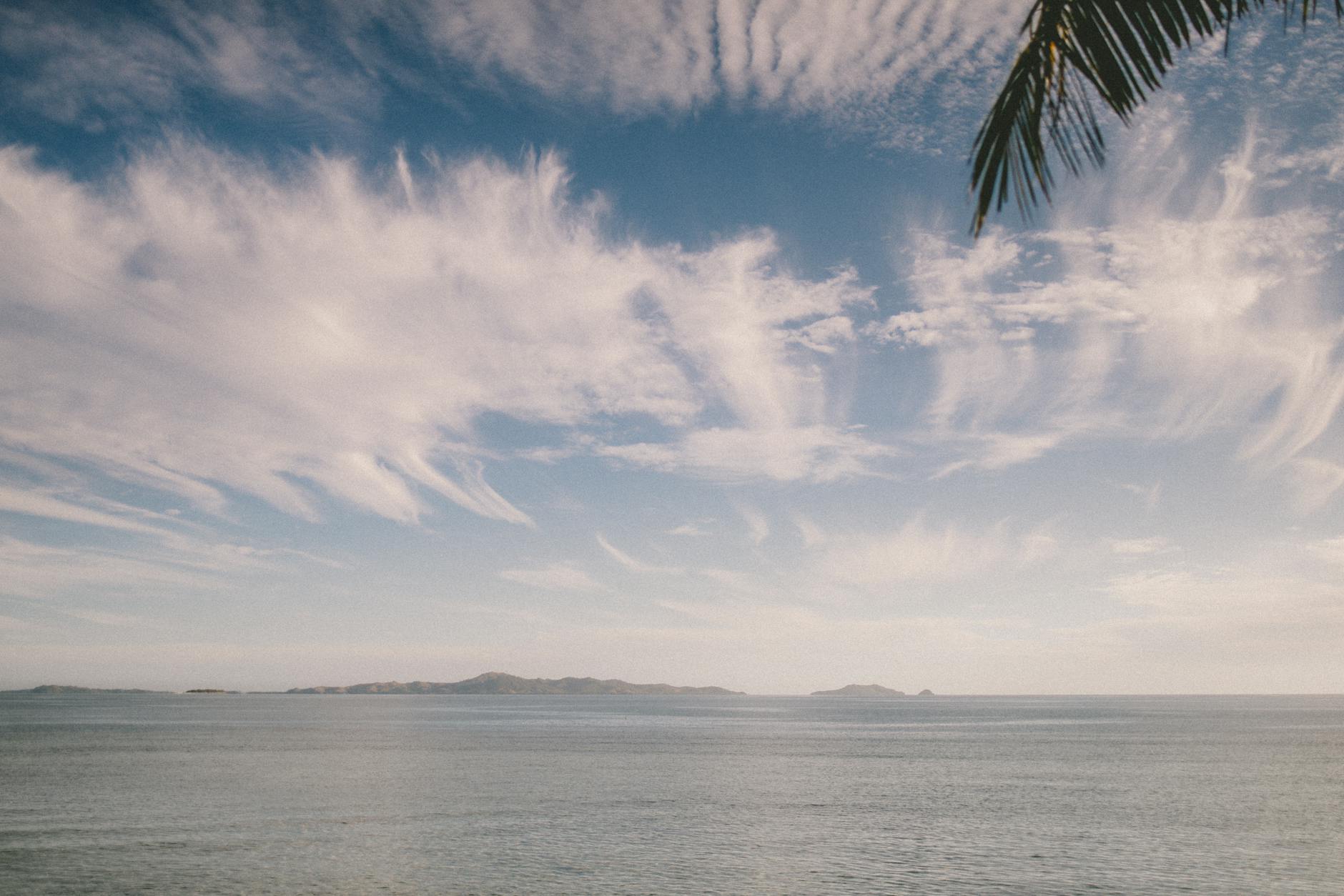
Fiji felt like stepping onto a postcard the moment the plane touched the runway at Nadi. The air smelled of salt and fresh-cut mango, and the locals greeted us with a smile that seemed to say, “you’re home now.” If you’re planning a trip, here’s the low‑down from someone who’s already been there, slept under the stars, and tried the infamous kava for the first time.
Getting There: Flights, Transfers, and First Impressions

Most visitors arrive on a direct flight from Auckland, Sydney, or Los Angeles. A round‑trip ticket from the US averages $1,200 in low season and $1,800 in high season. Once you land, the airport shuttle to Nadi town costs about $15 per person and runs every half hour.
If you’re headed to the Mamanuca or Yasawa islands, the most reliable option is a 45‑minute catamaran from Port Denarau. Tickets are $70 for a one‑way trip, and you’ll need to book at least a day in advance during the July‑August peak.
- Major airlines: Fiji Airways, Qantas, Air New Zealand.
- Visa: 4‑hour free stay for most nationalities, longer if you apply online.
- Airport transfer: $15 shuttle, $40 private taxi.
- Catamaran to islands: $70 one‑way, $120 round‑trip.
Where to Stay: From Budget Hostels to Luxury Resorts
Backpackers love the Funky Fish Backpackers in Nadi; a dorm bed is $25 a night, and the communal kitchen saves you a lot on meals. For a mid‑range option, the Coral Coast Resort offers beachfront bungalows at $150 per night, inclusive of breakfast and Wi‑Fi.
If you’re splurging, the Likuliku Lagoon Resort on Malolo Island is the only over‑water resort in Fiji. Rooms start at $650 per night, and you’ll get a private deck, snorkel gear, and a nightly cultural performance.
- Backpacker dorms: $25‑$35, shared bathrooms.
- Mid‑range hotels: $130‑$180, often include meals.
- Luxury resorts: $600‑$800, all‑inclusive packages.
- Camping: $10 per night on designated sites, bring your own gear.
Top Islands & Must‑See Spots: Mapping Your Adventure
The main island, Viti Levu, holds the capital Suva and the bustling market in Nadi. A day trip to the Garden of the Sleeping Giant showcases 2,000 orchids and a waterfall that’s perfect for a quick dip.
For pristine beaches, head to the Mamanuca chain. Malolo Island’s Turtle Bay is famous for its soft sand and easy access to reef‑safe snorkeling. In the Yasawas, you’ll find the iconic blue lagoon on Taveuni, reachable by a short hike from the village of Lavena.
- Viti Levu: capital, markets, Garden of the Sleeping Giant.
- Mamanuca: short boat rides, Turtle Bay, family‑friendly.
- Yasawa: remote, blue lagoons, budget‑friendly hostels.
- Taveuni: “Garden Island,” waterfalls, rainforests.
Water Activities: Snorkeling, Diving, and Island Hopping
Snorkeling is the easiest way to see Fiji’s marine life. The coral reefs off Natadola Beach are shallow enough for beginners, and you can rent a mask and fins for $10 at the beach shop. For certified divers, the Great White Wall in the Rainbow Reef offers a drift dive with schools of yellowfin tuna.
Kayaking through the mangroves in the Sigatoka River costs $25 per hour, and you’ll often spot kingfishers and crabs along the banks. If you’re feeling adventurous, book a night‑time squid fishing charter for $120; the crew supplies bait, and you’ll get a fresh catch cooked on deck.
- Snorkel gear rental: $10‑$15 per day.
- Dive trips: $150 for two‑tank reef dive.
- Kayak mangroves: $25 per hour, guide optional.
- Night squid fishing: $120 per person, includes dinner.
Culture, Food & Practical Tips: Getting the Most Out of Your Stay

Fijian culture is a blend of Melanesian, Polynesian, and Indian influences. Attend a kava ceremony in a village; the drink is bitter, but the experience is unforgettable. Try a lovo feast, food cooked in an earth oven, at a local market for around $12 per plate.
Street food is cheap and tasty. A plate of roti with curry costs $5, and fresh fruit smoothies are $4. Remember to carry cash; many small shops don’t accept cards. The local currency is the Fijian dollar, but US dollars are widely accepted in tourist areas.
- Kava ceremony: free, tip $5 if you enjoyed it.
- Lovo feast: $12‑$15, includes fish, pork, veggies.
- Street food: roti $5, smoothies $4.
- Cash: $100 in small bills covers most daily expenses.
When to Go & Budget Overview: Timing, Weather, and Costs
The dry season runs from May to October, with lower humidity and fewer rain showers. This is also the high‑tourist period, so accommodation prices rise about 30 %. The shoulder months of April and November offer a good compromise: decent weather and quieter beaches.
For a week‑long trip, budget travelers can manage on $1,200 total, covering flights, hostels, meals, and a few activities. Mid‑range travelers should plan $2,500, while luxury seekers easily spend $5,000 or more, especially if they book over‑water bungalows.
- Dry season (May‑Oct): best weather, higher prices.
- Shoulder months (Apr, Nov): good deals, occasional rain.
- Weekly budget: $1,200 (backpack), $2,500 (mid‑range), $5,000+ (luxury).
- Travel insurance: strongly recommended, $80‑$120 for a week.
Fiji is a place where the ocean meets hospitality, and the details matter as much as the sunsets. Pack reef‑safe sunscreen, a reusable water bottle, and a light rain jacket for the occasional downpour. With a bit of planning, you’ll leave with sun‑kissed skin, a fuller belly, and stories that sound too good to be true.