Kauai Road Trip Guide: Exploring the North Shore, East Coast & South Shore
pranav
–
September 16, 2026
Kauai feels like a secret that keeps getting louder every time you drive its winding roads. I rented a compact car for $45 a day, picked it up at Lihue Airport, and spent the next ten days hopping from one shoreline to the next. The island is small enough that you can see the whole thing in a single trip, but each side has its own personality, and the best way to experience that is on a road trip with a flexible schedule.
Before you hit the road, grab a reusable water bottle, a good sunscreen, and a paper map (the GPS can get confused by narrow mountain passes). Gas stations are plentiful on the east side but scarce on the north, so top off when you can. I kept a spare $20 for unexpected tolls on the Kaumualii Highway; they’re not common but they do appear near the old plantation bridges.
Day 1‑2: The North Shore, From Hanalei to the Kalalau Trail
The moment you turn onto Highway 560, the ocean opens up like a postcard. Hanalei Bay is the first stop, a half‑hour drive from Princeville, and the parking lot costs $5 for the day. I arrived at sunrise, the light hitting the mountains just right for that Instagram shot, and then walked the short paved path to the beach. The water was still cold, but the sand was warm enough to sit on for a while.
From Hanalei, I followed the road to the Kilauea Lighthouse. The entrance fee is $10 for adults, and you get a short ranger talk about seabird nesting. The view over the Pacific is worth the short hike up the stairs, especially when a humpback breaching in the distance catches your eye. Keep an eye out for the occasional goat that wanders onto the road; they’re friendly but can be a surprise at night.
Parking at Hanalei Beach: $5/day, cash only.
Kilauea Lighthouse entry: $10 per adult, $5 for seniors.
Fuel price on north side: $4.32 per gallon (mid‑July).
Best time for photos: sunrise or late afternoon.
Pack a light rain jacket, mountain fog rolls in quickly.
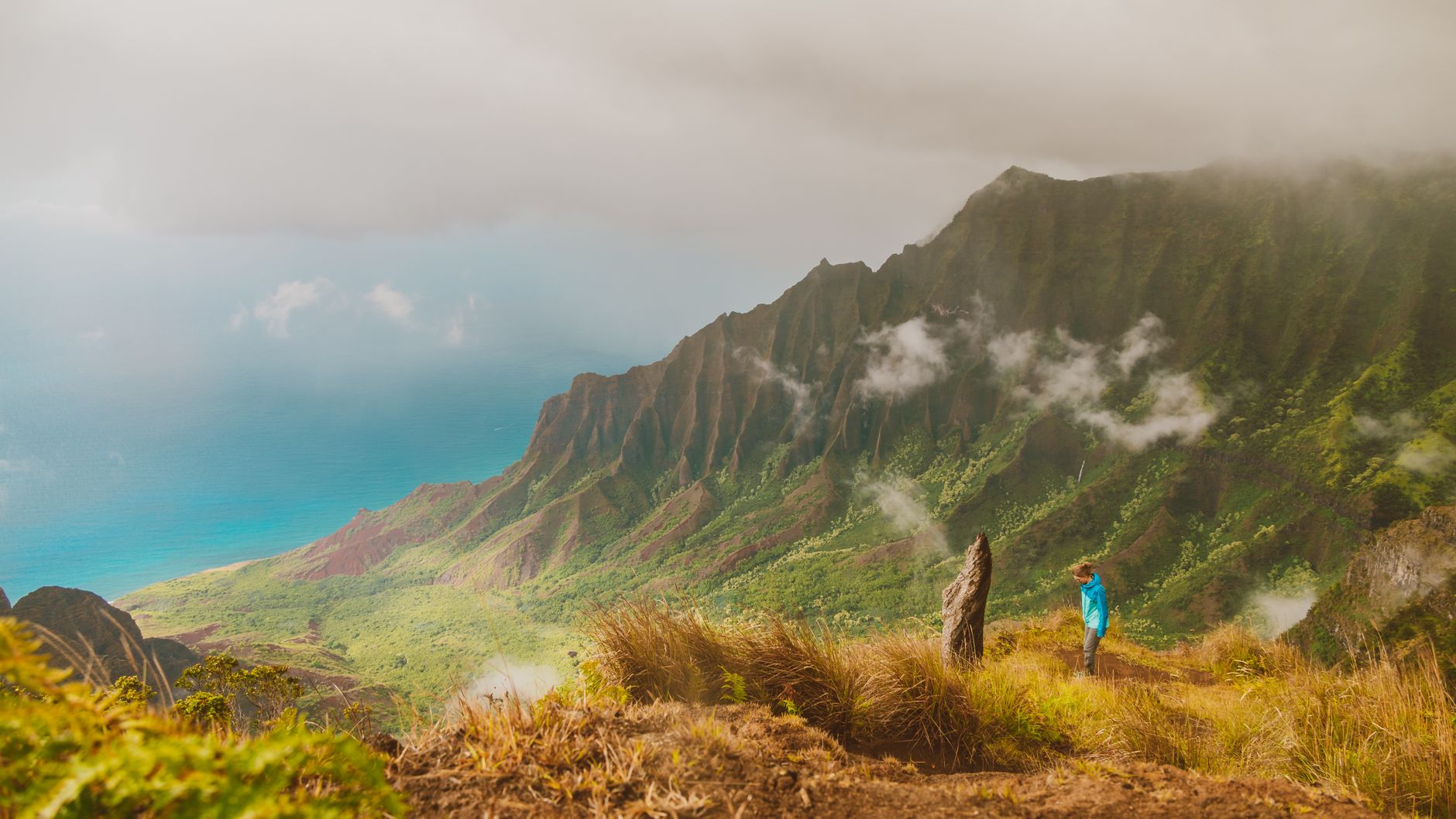
If you’re up for a challenge, drive the last 12 miles to the Kalalau Trailhead. The road narrows to a single lane, and you’ll see a “no trucks” sign; my rental was fine, but larger vehicles get turned away. The trail itself is a 22‑mile round‑trip, but even a short 2‑mile hike to Hanakapi’ai Beach feels like a reward. I paid $25 for a permit at the visitor center, and the staff reminded me that no fires are allowed on the beach.
Kalalau Trail permit: $25 per person, online reservation required.
Parking at trailhead: $5, fill up before you arrive.
Carry at least 2 liters of water per person.
Wear sturdy shoes; the trail can be muddy even after a sunny day.
Leave no trace, the area is a protected wilderness.
Day 3‑4: East Coast, Coconut Coast, Wailua River, and Beaches
Leaving the north, I took Highway 56 down the east side, a route that feels like a ribbon of green between the ocean and the mountains. The first major stop is Lydgate Beach Park, a family‑friendly spot with a protected swimming lagoon. The entry fee is $3 per car, and the restrooms are clean, a rare find on the island.
A short drive later, the Wailua River invites you to kayak. I rented a single‑person kayak for $45 for a four‑hour slot at the Wailua Kayak & Tours shop. The river is calm, and you can paddle past the Fern Grotto, a natural cave draped in ferns that the tour guides sometimes open for a brief look. The water level was perfect that morning, not too high after a night of light rain.
Lydgate Beach entry: $3 per vehicle.
Kayak rental: $45 for 4 hours, includes paddle and life jacket.
Fuel on east side: $4.28 per gallon (mid‑July).
Pack a snack, the river launch has no food vendors.
Bring a waterproof phone case for river photos.
After paddling, I headed to the town of Kapaa for lunch. The food trucks on the main street serve plate lunches for $9‑$12; the kalua pork with rice and cabbage is a solid choice. Parking in the lot behind the grocery store costs $2 for the afternoon. From Kapaa, the road continues to the “Coconut Coast” stretch, where you’ll find the iconic Coconut Marketplace. It’s a great place to pick up a fresh pineapple for $2.50 each, and the live music at sunset adds a relaxed vibe.
Plate lunch: $9‑$12, try the chicken katsu.
Parking at Coconut Marketplace: free after 5 pm.
Buy pineapples: $2.50 each, cut‑up version $4.
Stay hydrated, the east side can feel humid.
Check the tide schedule for beach access at Kealia.
Day 5‑6: South Shore, Poipu, Spouting Horn, and Koloa
The south side feels like a different island altogether. I took Highway 50, a wider road that lets you cruise at a comfortable 45 mph. The first highlight is Poipu Beach, where the parking lot fills up by 10 am in high season. I arrived early and paid $7 for a spot that lasts the whole day; the beach has a lifeguard station and a shallow lagoon perfect for kids.
Just a mile north of Poipu lies Spouting Horn, a natural geyser that shoots seawater up to 30 feet. The viewing platform is free, but there’s a small donation box for upkeep, I tossed in $2. The wind was strong that afternoon, making the spray dance in the sunlight. Nearby, the National Tropical Botanical Garden’s Allerton Garden offers a guided tour for $30, and the paths wind through exotic orchids and towering trees.
Poipu Beach parking: $7 all‑day.
Spouting Horn: free, optional $2 donation.
Allerton Garden tour: $30 per adult, $20 for seniors.
Fuel on south side: $4.30 per gallon (mid‑July).
Bring reef‑safe sunscreen, many beaches have coral warnings.
A short drive inland brings you to Koloa, the island’s first settlement. The historic Koloa Town Market opens on Saturdays, and a fresh coconut shave ice costs $5. I bought a tote bag with a hand‑painted map of Kauai for $12, a nice souvenir that also helps you remember which side you’ve already explored. The town’s vibe is relaxed, with a few art galleries and a small museum that charges $8 for entry.
Koloa market: Saturdays only, free entry.
Shave ice: $5, ask for “pineapple crush”.
Museum admission: $8 adults, $4 children.
Parking in Koloa: free street parking, watch the signs.
Evening tip: sunset at Poipu Beach is spectacular, bring a blanket.
Practical Tips, Gear, Money, and Timing
Driving in Kauai is mostly straightforward, but the island’s narrow mountain roads can surprise you. I kept a spare tire and a basic tool kit in the trunk; the rental agency charges $12 per day for a roadside assistance add‑on, which I found unnecessary after a few smooth days. A good rule of thumb is to fill the tank before you leave any major town, you’ll thank yourself when you’re stuck on a scenic overlook with a low gauge.
Cash is handy for small vendors, parking meters, and the occasional tip. Most restaurants accept cards, but a $20 tip for a table of four at a beachfront spot felt appropriate. I set a daily budget of $120 for food, fuel, and activities; it covered two meals, a kayak rental, and a couple of park fees without breaking the bank.
Rent a compact car: $45‑$55 per day, insurance $12‑$15.
Fuel budget: $60 for a week (approx. 300 miles).
Cash: $100 in small bills for tips and vendors.
Pack reef‑safe sunscreen, hat, and reusable water bottle.
Download offline maps, cell service drops in the mountains.
If you’re traveling in the summer, expect higher prices on accommodations and a busier road. I visited in early September, after the peak season, and the traffic was light, the crowds thin, and the sunsets still vivid. The island’s vibe doesn’t change much with the season, but the logistics feel smoother when you’re not fighting rush hour on the main highways.
Overall, a Kauai road trip feels like a series of small discoveries rather than a single destination. Each shoreline offers a different flavor, and the freedom to stop whenever a hidden waterfall or a roadside fruit stand catches your eye makes the journey memorable. Pack a sense of curiosity, keep the tank topped off, and let the island’s curves guide you.