




Oahu Beyond Waikiki: Beaches, Valleys & Hidden Island Experiences
When I first stepped off the plane at Daniel K. Inouye International Airport, the buzz of Honolulu felt like a warm welcome, but I was already planning to skip the crowded main strip. I had a rental car, a tote bag full of sunscreen, a reusable water bottle, and a vague map of the island’s lesser‑known spots. The goal was simple: trade the endless rows of high‑rise hotels for tide pools, taro fields, and a few secret hikes that most tourists never hear about.
Oahu’s north shore is famous for its winter surf, but the island’s east side, its interior valleys, and even a few tucked‑away coves on the leeward coast hold their own charms. You don’t need a guidebook to find them; a little curiosity and a willingness to drive a little farther than the usual tourist loop will reward you with quieter beaches, fresh fruit stands, and sunsets that feel private.
Below is a loose itinerary that I followed over three days, plus a handful of practical notes that kept the adventure smooth. Feel free to shuffle the order, add a day, or skip a stop, each location stands on its own.
Day 1: East Coast Escape, Makapu‘u, Waimanalo, and Kailua
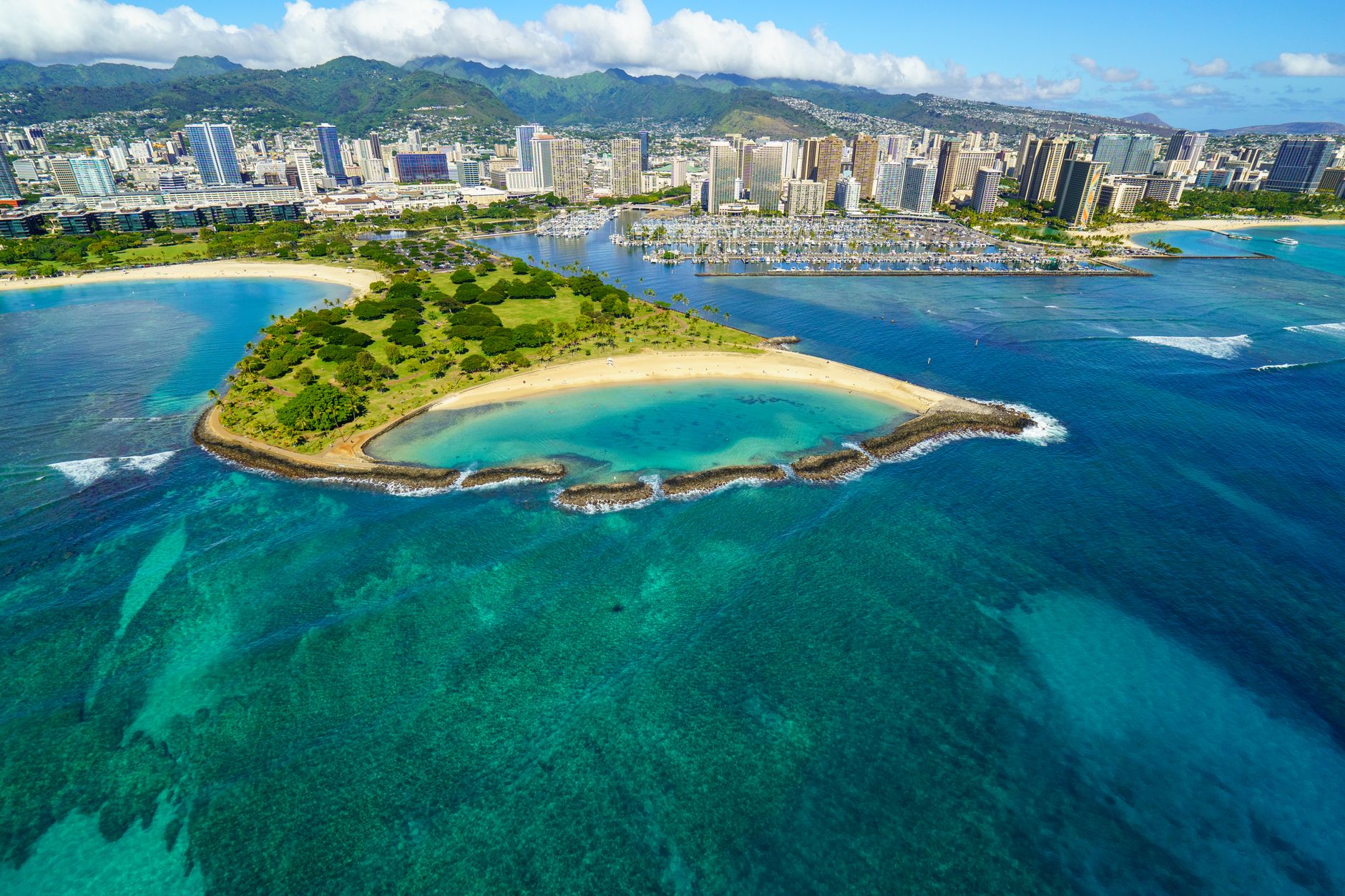

The day started early at Makapu‘u Point. I parked at the trailhead lot (a $5 fee at the kiosk) and walked the short loop to the lighthouse. The view of the wind‑blown cliffs and the occasional humpback breaching far below is worth the climb, even if the wind tries to knock your hat off.
From there I drove east on Kalanianaʻole Highway, stopping at a family‑run fruit stand in Waimanalo. The owner, a jovial man named Kimo, offered me a slice of fresh pineapple for free, just because I asked about the best way to get to Kailua. He also pointed out a hidden beach access just past the main parking lot.
Waimanalo Beach itself is a long stretch of soft, white sand with hardly any umbrellas in sight. I rented a snorkel set for $12 at a kiosk near the parking area and spent an hour drifting over a shallow reef where tiny fish darted around coral heads. The water was calm, perfect for a quick dip before heading north.
By mid‑afternoon I arrived in Kailua. The town feels like a small surf village, with a farmers market on Saturdays and a handful of cafés that serve acai bowls for about $9. I parked at the public lot (free after 5 p.m.) and walked to Lanikai Beach, a two‑minute stroll from the lot.
- Parking fees: $5 at Makapu‘u, free in Kailua after 5 p.m.
- Snorkel rental: $12 for a half‑day set.
- Best time for sunrise at Lanikai: 6:30 a.m. in summer.
- Bring reef‑safe sunscreen; local shops sell it for $8.
- Cash is handy for fruit stands; many don’t take cards.
Day 2: North Shore Adventure, Haleiwa, Shark’s Cove, and Sunset Beach
Day two began with a coffee stop at the original Hale‘aikua Café in Haleiwa. Their cold brew costs $4.50, and the barista gave me a free sample of a local honey drizzle that later turned out to be a great addition to my lunch.
After coffee I headed to Shark’s Cove, a protected marine preserve. The parking lot fills up by 9 a.m., so I arrived at 8:30 a.m. and paid the $2 lot fee. The cove’s lava rock formations create natural pools where you can see sea turtles grazing on algae. I spent about 90 minutes snorkeling; the water was clear enough to see the reef without a mask, but the mask helped keep my eyes from the occasional stingray.
Next I drove a short distance to Sunset Beach. Even in summer the waves can be big, but on a calm day the beach is perfect for a long walk. I rented a surfboard from a local shop for $30 a day; the instructor, a lanky guy named Kai, gave me a quick lesson and let me catch a few gentle rollers before the tide turned.
In the evening I returned to Haleiwa for dinner at a shrimp truck that’s been around since 1995. The garlic‑shrimp plate was $13, and the owner tossed in a slice of fresh pineapple for free. I ate on a bench overlooking the ocean, listening to the distant hum of surfboards being hauled onto the sand.
- Parking at Shark’s Cove: $2, fills up by 9 a.m.
- Surfboard rental: $30 per day, includes a 30‑minute lesson.
- Garlic shrimp plate: $13, plus free pineapple slice.
- Bring water shoes; the rocks can be slippery.
- Sunset Beach is best for evening walks when the tide is low.
Day 3: Central Valleys, Ho‘omaluhia, Pali Lookout, and Byodo-In Temple
The third day started with a drive up to Ho‘omaluhia Botanical Garden in Kaneohe. The entrance is free, and a modest $1 donation box sits near the parking area. I followed the paved trail around the reservoir; it’s a flat, easy walk, perfect for a quick photo session of the mountains reflected in the water.
After a half‑hour stroll, I headed toward the Pali Lookout. The road winds through a series of hairpin turns, and the wind picks up as you climb. There’s a $5 parking fee, and a short line often forms for the viewpoint. The view down the windward side is dramatic, steep cliffs, clouds rolling in, and the distant silhouette of the Ko‘olau Range.
Just a few minutes farther down the road is the Byodo‑In Temple, a replica of a Japanese mountain shrine. Admission is $5, and the garden surrounding the temple is impeccably maintained. I sat on a stone bench, watched koi fish glide beneath the koi pond, and tried a cup of matcha tea for $4, which turned out to be surprisingly strong.
On the way back to Honolulu I stopped at a roadside stall in the town of Kailua that sells fresh banana bread for $3 a slice. The baker, a woman named Leilani, told me she uses locally grown bananas and a pinch of sea salt. It was the perfect sweet bite before the drive home.
- Ho‘omaluhia Garden: free entry, $1 donation suggested.
- Pali Lookout parking: $5, expect a short wait.
- Byodo‑In Temple fee: $5, includes garden access.
- Matcha tea: $4, served in a traditional bowl.
- Banana bread slice: $3, fresh from a local bakery.
Hidden Gems: Lesser‑Known Beaches and Local Spots

If you have an extra half‑day, consider driving to Makaha on the leeward side. The road is narrow and the sign for the parking lot is a simple wooden post, but the payoff is a wide, uncrowded beach with soft sand and gentle surf. There’s no restroom, so plan accordingly.
Another quiet spot is Ka‘ena Point, the far western tip of Oahu. The hike to the point is about 5 miles round‑trip and takes roughly two hours. The trail can be muddy after rain, so sturdy shoes are a must. If you’re lucky, you’ll see monk seals sunbathing on the rocks.
For a taste of local culture, head to the town of Hale‘aikua on a Saturday morning and visit the farmers market. Fresh papaya, taro chips, and a stand selling grilled chicken katsu for $7 are highlights. The market accepts cash only, so have a few dollars on hand.
- Makaha Beach: free parking, no restrooms.
- Ka‘ena Point hike: 5 mi round‑trip, 2 hours.
- Bring rain gear for the trail; it can get slippery.
- Hale‘aikua farmers market: cash only, opens at 8 a.m.
- Try taro chips; they’re a local favorite for $2 a bag.
Practical Tips for a Smooth Island Adventure
Renting a car is the easiest way to explore beyond the resort zone. I booked a compact car for $45 a day, which fit two people and a small cooler. Gas stations are plentiful, but prices can be $4.50 per gallon, so budgeting a little extra helps.
Pack a lightweight rain jacket. The island’s microclimates mean you can be sun‑baked in one valley and caught in a drizzle in another within minutes. A reusable tote works well for buying fruit or snacks from roadside stands.
Lastly, respect the local etiquette. When you’re at a beach with a sign that says “No Bodyboarding,” it’s best to obey. Many locals appreciate visitors who keep the reefs clean, so bring a small bag for any trash you might generate.
- Car rental: $45 per day for a compact.
- Gas price: approx. $4.50 per gallon.
- Rain jacket: lightweight, packable.
- Reusable tote: handy for fruit and market finds.
- Follow local signage; helps preserve the environment.
Oahu has far more to offer than the neon lights of Waikiki. By venturing a little farther, you’ll find beaches where the sand feels untouched, valleys that whisper stories of ancient Hawaiian life, and hidden eateries that serve meals made from ingredients grown just a few miles away. The island rewards the curious traveler with experiences that feel both intimate and unforgettable.