


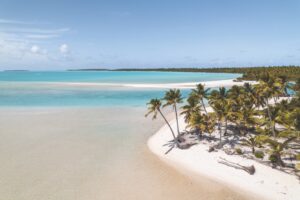

Solomon Islands Travel Guide: What to Know Before You Go
My first glimpse of the Solomon Islands was from the tiny window of a turboprop landing at Honiara International Airport. The air smelled of salt and diesel, the runway was a strip of cracked coral, and the sky was a blinding blue that made you wonder how many islands you could see from a single seat.
If you’re thinking about swapping your usual beach resort for something a little more off‑the‑grid, you’ve come to the right place. Below is everything I learned the hard way, the costs, the timing, the little quirks that most guidebooks skip.
Getting There
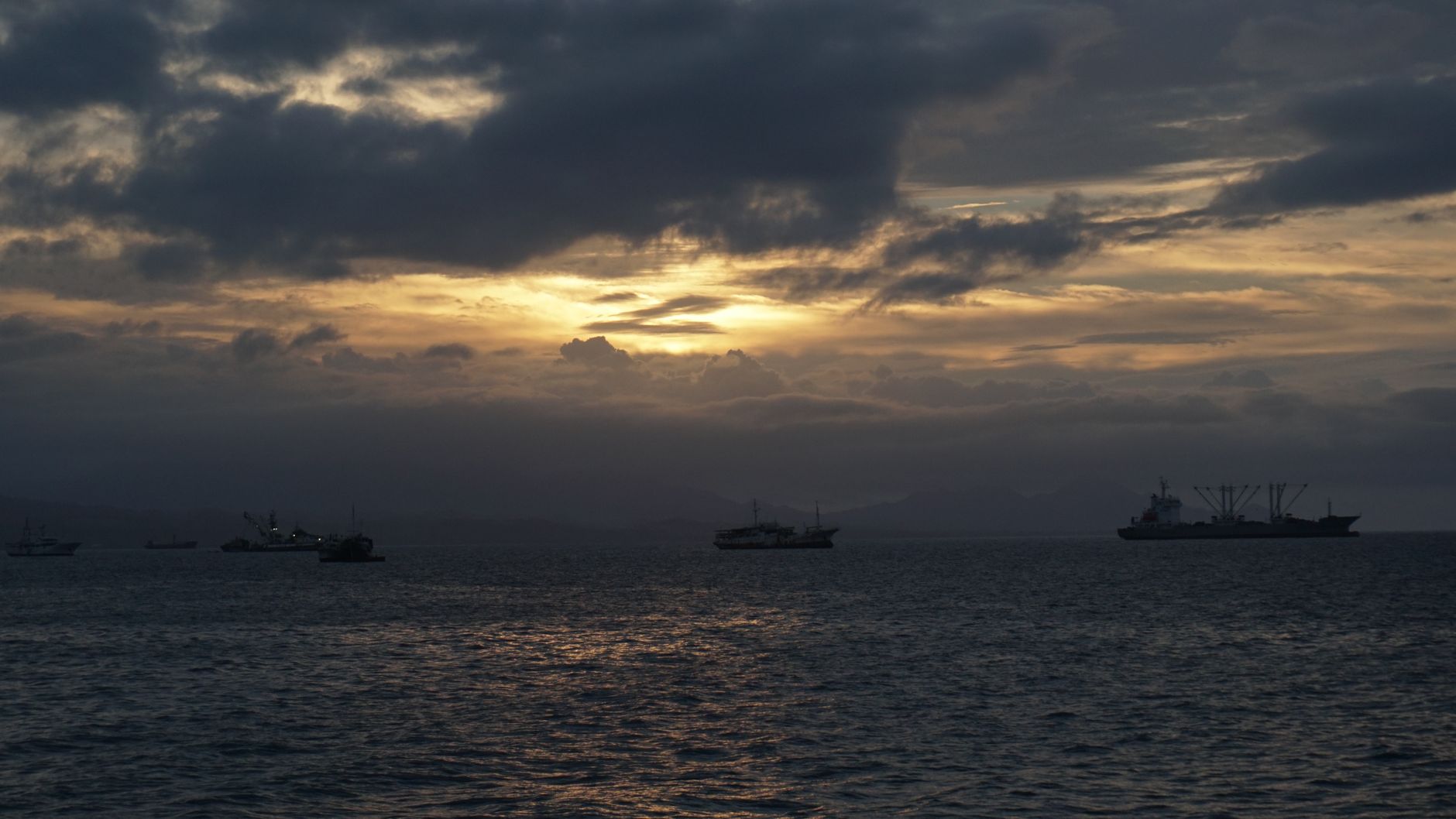

The most reliable way to reach the Solomons is to fly into Honiara from Brisbane, Cairns or Auckland. Flights are usually operated by Air Niugini or Virgin Australia; they leave early in the morning and land just after noon, which gives you a full afternoon to sort out transport.
Ticket prices swing wildly. In low season (May to October) you can snag a round‑trip for AU$850, but in July the same route jumps to AU$1,300. I booked a month in advance and paid AU$960, a decent middle ground.
When you step off the plane, you’ll be met by a handful of tuk‑tuks and a few dusty minibuses that run the Honiara‑airport corridor. The airport itself is modest, a single terminal, a handful of snack stalls selling boiled peanuts and a free Wi‑Fi network that drops out every ten minutes.
- Fly into Honiara (HIR), main international gateway.
- Low‑season return fare: AU$850 - AU$1,000.
- Peak‑season fare: AU$1,200 - AU$1,500.
- Travel time from Brisbane: ~4 h 30 m.
- Airport Wi‑Fi is free but unreliable.
Visa & Entry
Most visitors can obtain a 30‑day tourist visa on arrival. The desk at Honiara will ask for a passport valid at least six months, a return ticket, and a small fee, currently 30 SI$ (about AU$6). I paid in cash; they don’t accept cards.
If you plan to stay longer than a month, you’ll need to apply for an extension at the Ministry of Foreign Affairs in Honiara. The process is straightforward but takes about a week, so don’t wait until the last minute.
Customs is lax, you can bring in up to 2 kg of tobacco and 1 kg of alcohol without duty. I tried to bring a small portable grill and was told it would be taxed, so I left it at the airport shop and bought a local charcoal grill later.
- Visa on arrival: 30 days, 30 SI$ fee.
- Passport must be valid 6 months beyond entry.
- Extension possible at Ministry of Foreign Affairs (1 week processing).
- Duty‑free: 2 kg tobacco, 1 kg alcohol.
- Cash is king at the visa desk.
Getting Around
Honiara itself is walkable, but once you leave the capital you’ll need a mix of minibuses, boat taxis and rental cars. The local “bus” is a repurposed Toyota HiAce that departs when it’s full, expect a wait of 20 minutes on a quiet weekday.
For island hopping, the most common option is a “kai‑kai”, a wooden outrigger that seats up to eight. Prices are negotiated on the spot; a round‑trip to Gizo from Honiara costs about SI$120, and the ride takes roughly six hours with a few stops for fresh fish.
I rented a 4×4 from a family‑run agency for two weeks to explore the interior of Guadalcanal. The daily rate was SI$80, which includes unlimited mileage and a basic GPS unit that only works offline. Fuel is pricey, a litre costs SI$2.30, so budget at least SI$200 if you plan to drive a lot.
- Honiara minibuses: depart when full, fare ~SI$2 - SI$5.
- Kai‑kai boat to Gizo: SI$120 round‑trip, 6 h travel.
- 4×4 rental: SI$80/day, includes GPS.
- Fuel price: SI$2.30 per litre.
- Roads outside capital are gravel, drive cautiously.
Where to Stay
Accommodation ranges from backpacker dorms to beachfront villas. In Honiara, the most affordable option is the Gizo Guesthouse, a two‑storey building with fan‑cooled rooms for SI$35 a night, including breakfast of boiled eggs and papaya.
If you’re chasing a surf break, head to the village of Munda on New Georgia. The Munda Surf Lodge has a single bamboo bungalow on the beach for SI$70 per night. The only downside is that the bathroom is a shared outhouse a short walk away.
For a splurge, I stayed at the Pacific Resort on Russell Islands. The resort charges AU$180 for a sea‑view suite, but the price includes a daily guided snorkel, unlimited Wi‑Fi and a complimentary bottle of local cassava wine. The staff are all from nearby villages, and they’ll gladly teach you how to braid a coconut leaf.
- Backpacker dorms: SI$35/night, basic fan cooling.
- Bamboo bungalows: SI$70/night, beach access.
- Mid‑range resorts: AU$120 - AU$150/night, meals included.
- Luxury villas: AU$180+ per night, all‑inclusive.
- Tip: Bring a mosquito net, even resort rooms can have gaps.
What to Do
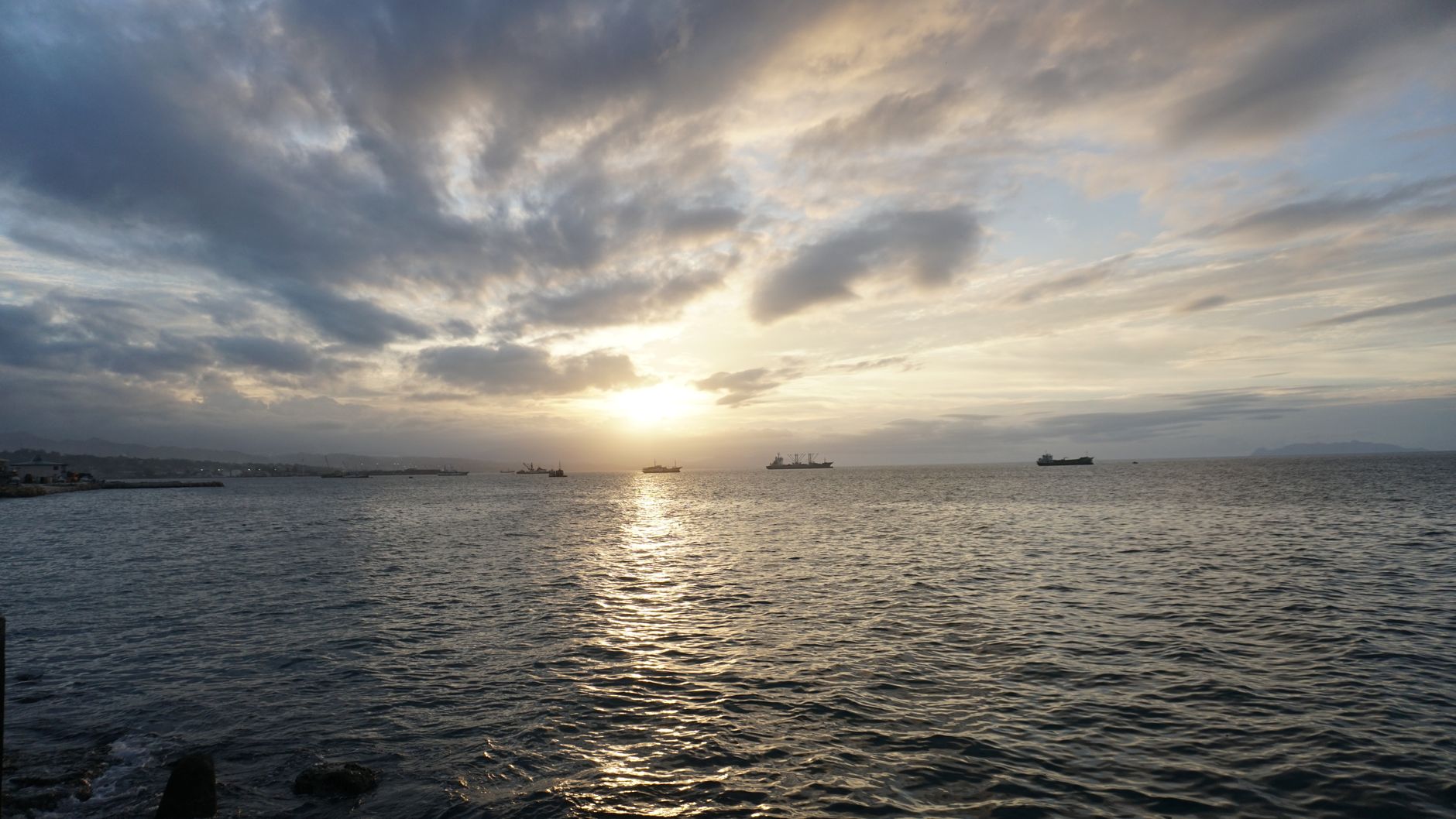
Snorkeling at Marovo Lagoon is the highlight for most travelers. I booked a half‑day tour that left Honiara at 7 am, dropped us off at a tiny dock, and then a local guide paddled us out to a reef teeming with clownfish and giant clams. The entry fee is SI$25, and the guide provides a basic snorkel set for free.
History buffs will appreciate the WWII sites on Guadalcanal. The Bloody Ridge Memorial is a short hike from Honiara; the trail is steep but well‑marked, and the view of the island’s interior is worth the sweat. Entrance is free, but a local guide costs about SI$30 for an hour.
For something truly off the beaten path, I trekked the Tenaru River trail on a rainy Tuesday. The path is muddy, the bridges are makeshift, and you’ll hear the constant rush of water. At the end, there’s a small waterfall where locals wash clothes, you can join them for a quick dip.
- Marovo Lagoon snorkel: SI$25, includes gear.
- WWII Bloody Ridge hike: free, guide SI$30.
- Tenaru River trek: 3 h round‑trip, muddy conditions.
- Local market visit: Honiara Central Market, best for fresh fruit.
- Evening: try “poi”, a fermented taro dish served at roadside stalls.
Practical Tips
Currency is the Solomon Islands dollar (SI$). ATMs are only in Honiara and occasionally in Gizo; they dispense about SI$200 per transaction and charge a 3 % fee. I kept a stash of Australian dollars as a backup, most shops accept them at the official rate.
Health-wise, bring a basic malaria prophylaxis kit and a strong insect repellent. The public health clinic in Honiara can treat minor ailments, but for anything serious you’ll need to be air‑lifted to Fiji. I bought a small first‑aid pack that included band‑aids, antiseptic wipes and a few oral rehydration salts.
Internet is spotty outside the capital. Most cafés have a Wi‑Fi password printed on a napkin; the speed is enough for checking email but not for streaming. If you need reliable connection, buy a local SIM card for about SI$15, it comes with 5 GB of data good for a week.
- Currency: SI$, ATMs in Honiara & Gizo, 3 % withdrawal fee.
- Bring malaria prophylaxis and strong repellent.
- Local SIM: SI$15 for 5 GB (valid 7 days).
- Power: 240 V, British‑style plug, bring an adapter.
- Pack: lightweight rain jacket, sturdy sandals, mosquito net.
All in all, the Solomon Islands feel like a place that’s still writing its own travel story. The infrastructure is simple, the people are direct, and the natural beauty is raw. If you can handle a few bumps in the road, you’ll leave with memories that aren’t filtered through glossy brochures.