




Suva Travel Guide: Museums, Markets, Food & Local Culture
I touched down in Suva on a humid Thursday morning, the air already thick with the scent of frangipani and diesel. A short taxi ride from the airport cost about 30 FJD and dropped me at a modest guesthouse on Queen’s Road, where the ceiling fan whirred louder than the street vendors outside.
Getting There and Getting Around
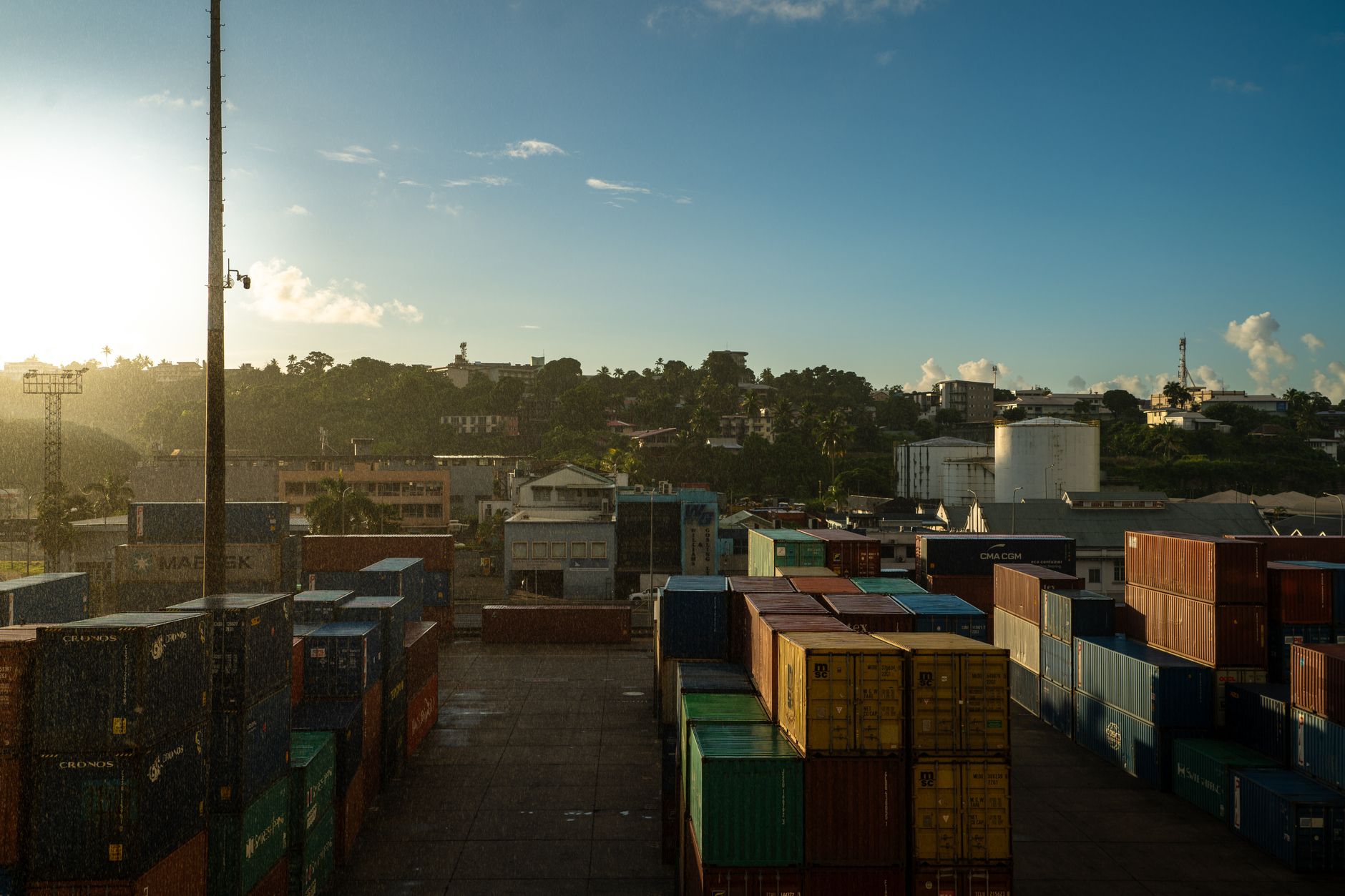
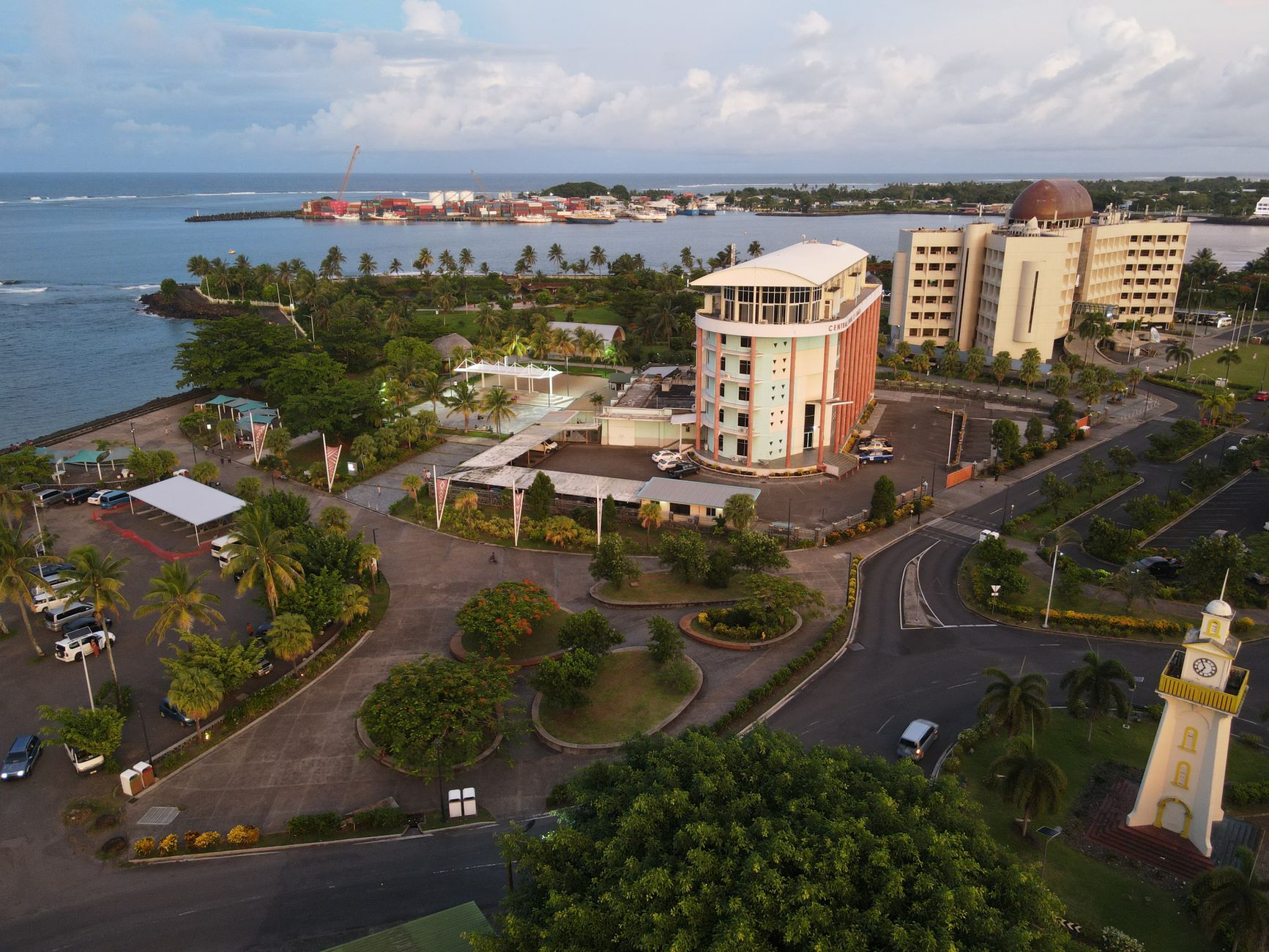
Suva’s international airport is small but efficient; you’ll find a single check‑in desk and a handful of coffee stalls. Buses run every 20 minutes from the terminal to the city centre, and a one‑way ticket is 3 FJD, a bargain if you’re not in a hurry.
If you prefer a private ride, most drivers will quote you a flat 25 FJD for a 15‑minute trip into downtown. Taxis don’t use meters, so confirm the price before you hop in. The best way to explore the outskirts is by hiring a scooter for 12 FJD a day; just remember to wear a helmet.
- Airport to city centre: bus 3 FJD, taxi 25 FJD.
- Scooter hire: 12 FJD per day, helmet required.
- Cash is king: most drivers prefer FJD over cards.
- Peak traffic: Friday evenings, avoid if you can.
- Parking: free on most streets, but watch for “no parking” signs.
Museums and History
The Fiji Museum sits on the edge of the Botanical Gardens and opens at 9 am. Admission is 5 FJD, and the staff hand you a laminated map that points out the war memorial, the ancient Lapita artifacts, and a small aquarium.
I spent an hour in the colonial wing, where the high ceilings make the air feel cooler than outside. The most surprising exhibit was a collection of hand‑woven mats that still carry the signatures of the weavers, a reminder that the museum isn’t just about the past.
- Fiji Museum: open 9 am-5 pm, 5 FJD entry.
- Guided tours: 10 FJD, start every hour on the hour.
- Photography: allowed without flash.
- Nearby: Botanical Gardens, free entry.
- Tip: visit early to avoid the school groups.
Markets and Shopping
The Suva Municipal Market is a riot of colour on Saturdays, with stalls spilling over from the sidewalk onto the road. I bought a handful of fresh papaya for 2 FJD and a hand‑carved wooden bowl for 15 FJD.
Negotiating is part of the experience; a polite “cheep” can shave off a few dollars, but don’t push too hard, the vendors are friendly and will often throw in a small extra if you smile.
- Market days: Saturday and Wednesday.
- Cash only: most stalls don’t accept cards.
- Typical prices: fruit 1-3 FJD, crafts 10-30 FJD.
- Bag tip: bring a reusable tote, plastic bags cost 0.50 FJD.
- Stay hydrated: water bottles are 2 FJD at nearby stalls.
Food and Drink
For breakfast, head to the Little Indian Café on Victoria Street. Their masala tea costs 4 FJD and the banana fritters are crisp enough to make you forget the humidity.
Lunchtime is perfect for a plate of kokoda, a raw fish salad marinated in coconut cream. I tried the one at the Waterfront Café; it was 12 FJD and came with a side of taro chips that were still warm from the fryer.
Dinner at the Wharfside Restaurant gave me a view of the harbor lights while I ate a pork curry that had just enough heat to make my eyes water. A glass of local Taveuni cider was 6 FJD, and the bartender gave me a quick history of the brewery.
- Breakfast: masala tea 4 FJD, banana fritters 3 FJD.
- Lunch: kokoda 12 FJD, taro chips 2 FJD.
- Dinner: pork curry 15 FJD, local cider 6 FJD.
- Street food: fish balls 1 FJD each, best after rain.
- Tip: ask for “extra spicy”, most places can turn up the heat.
Local Culture and Experiences

Suva’s cultural calendar is packed, but the most accessible event is the Sunday evening kava ceremony at the Methodist Church grounds. Visitors sit on low stools, share a bowl of bitter kava, and listen to elders recount stories of the islands.
I arrived just as the sun was dipping behind the hills; the air smelled of earth and seaweed. The ceremony lasted about an hour, and the host offered me a small piece of yaqona to try, it tasted like mud and citrus at the same time.
Another must‑do is a short hike up to the Colo‑i‑Saunuku viewpoint. The trailhead is a ten‑minute walk from the city centre, and the ascent takes roughly 45 minutes. From the top you can see the harbor, the distant islands, and the city’s grid of red‑tiled roofs.
- Kava ceremony: Sunday evenings, free entry.
- Dress code: modest, no shorts for ceremonies.
- Colo‑i‑Saunuku hike: 45 minutes up, 30 minutes down.
- Viewpoint fee: 2 FJD for maintenance.
- Souvenir: buy a small kava bowl for 8 FJD at the market.
Practical Tips for a Smooth Stay
Wi‑Fi is widely available in cafés, but the signal can drop when it rains. I kept a portable power bank handy; a 10 000 mAh unit cost about 20 FJD and kept my phone alive for two full days of photo‑shooting.
Sun protection is essential even under cloud cover, the UV index often hits 10. A cheap bottle of SPF 30 sunscreen is 5 FJD at the pharmacy on Gladstone Road. And always carry a small bottle of hand sanitizer; public restrooms rarely have soap.
- Power bank: 10 000 mAh, 20 FJD.
- Sunscreen: SPF 30, 5 FJD.
- Currency: FJD, ATMs on Queen’s Road.
- Language: English and Fijian, a few words of “Bula” go a long way.
- Safety: keep valuables in a hotel safe, street crime is low but pickpocketing can happen.
Suva may not have the postcard perfection of some island capitals, but its blend of colonial streets, bustling markets, and warm‑hearted people makes it a place that sticks with you long after you leave. Pack a light rain jacket, bring an appetite, and let the city’s rhythm set your own pace.