





Upolu Road Trip: The Best Places to Stop Around Samoa’s Main Island
Upolu feels like a small island you could drive around in a day, but the reality is that each turn reveals something new. I spent a week looping the coast, stopping at markets, hidden waterfalls, and family‑run cafés, and I learned that the best way to experience the island is to take it slow, stop often, and keep a flexible schedule.
Getting There and Getting Around
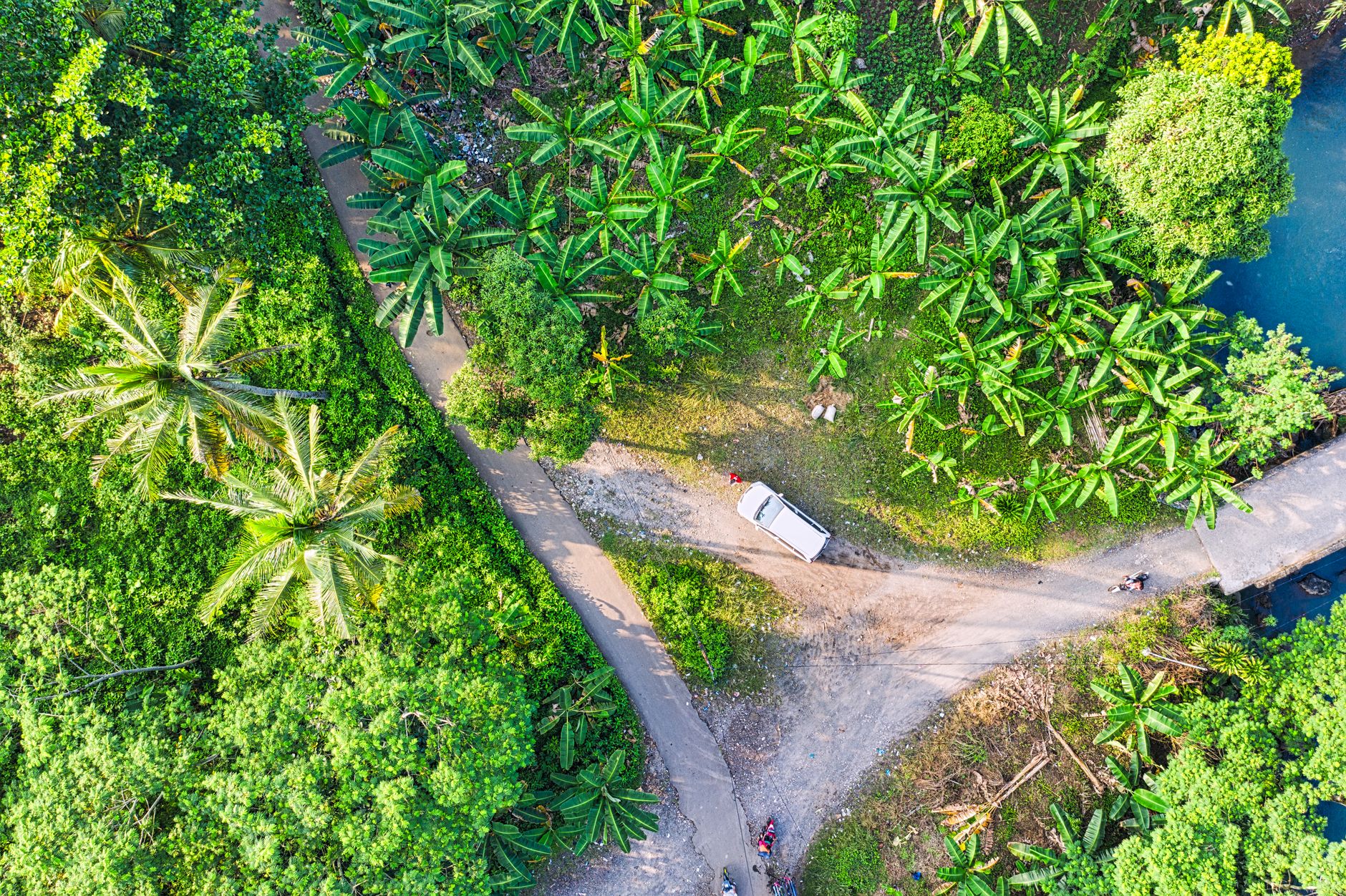
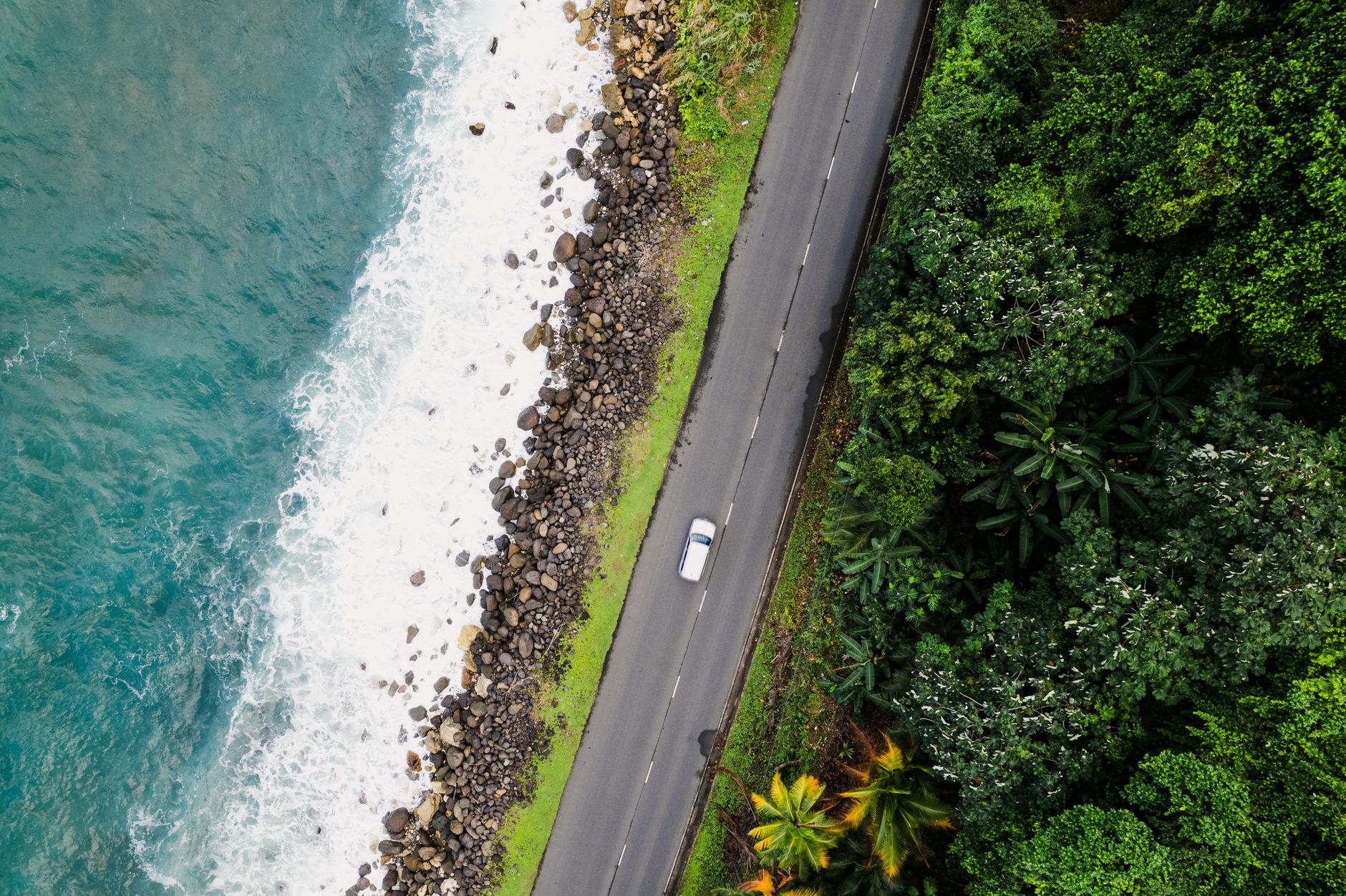
The main entry point is Faleolo International Airport, just a 15‑minute drive north of Apia. I rented a compact SUV for $55 a day; the extra clearance helped on the occasional pothole and made loading surfboards easier.
Roads are paved around the perimeter but turn into gravel inland. The speed limit is 80 km/h on the highway, but you’ll find yourself cruising at 40 km/h near villages where goats cross the road.
- Rental insurance: add $12 per day for comprehensive coverage.
- Fuel: 1 L costs about $1.30; a full tank (45 L) is $58 and gets you roughly 350 km.
- Navigation: Google Maps works offline after downloading the Upolu map.
- Cash: many roadside stalls only accept Samoan tālā, bring small bills.
- Parking: most beaches have free parking, but in Apia you’ll need a $2‑hour meter ticket.
Apia, The Capital’s Must‑See Spots
Start in Apia, where the island’s pulse is strongest. The market on Vaimoso Road opens at 6 am; the fresh banana bread there costs $1.20 and is worth the early wake‑up.
Don’t miss the Robert Louis Stevenson Museum; the entry fee is $5 for adults and the guided tour lasts 30 minutes. The colonial house sits on a hill with a view of the harbor, and the garden is full of mango trees that drop fruit onto the path.
- Morning coffee: $2.50 at a roadside stall, served in a simple metal cup.
- Parking in downtown: free after 5 pm, otherwise $1 per hour.
- Public transport: a bus ride to the airport costs $0.80.
- Time tip: allocate 2 hours for the museum and market combined.
- Dress: lightweight shirts are fine, but bring a light jacket for the hill breeze.
North Coast: Beaches and Waterfalls
Leaving Apia, turn left onto the coastal road and head toward Lalomanu. The drive is about 45 minutes; the ocean is visible on the right the whole way.
Lalomanu Beach is famous for its turquoise water and soft sand. I arrived at 10 am, rented a snorkel set for $8, and spent an hour spotting parrotfish and tiny octopuses near the reef.
- Entrance fee: free, but a small donation of $1 is appreciated for beach upkeep.
- Snorkel rental: $8 for a half‑day, includes mask, snorkel, fins.
- Waterfall hike: the Tafua waterfall trail is 2 km round‑trip, takes about 1 hour.
- Food: fresh fish tacos at the beach shack cost $4 each.
- Parking: limited spots, arrive early to avoid a $2 overflow fee.
Central Upolu: Culture and Nature
Backtrack toward the center of the island and stop at the village of Leulumoega. The village council invited me to a traditional kava ceremony; the drink is bitter, the atmosphere is warm, and the whole experience costs nothing.
Just a short drive east is the To Sua Ocean Trench, a massive natural pool dug into the volcanic rock. The entry ticket is $3, and you’ll need to climb 12 steps to reach the edge, a good leg workout before lunch.
- Kava ceremony: no fee, but bring a small gift like fruit or a pack of cigarettes.
- To Sua ticket: $3, includes a guide who explains the trench’s formation.
- Timing: visit early afternoon to avoid the heat at the top of the steps.
- Photography: flash is prohibited inside the trench, bring a fast lens.
- Water: carry at least 1 L of water; there are no refill stations nearby.
South Coast: Relaxed Vibes and Local Flavors
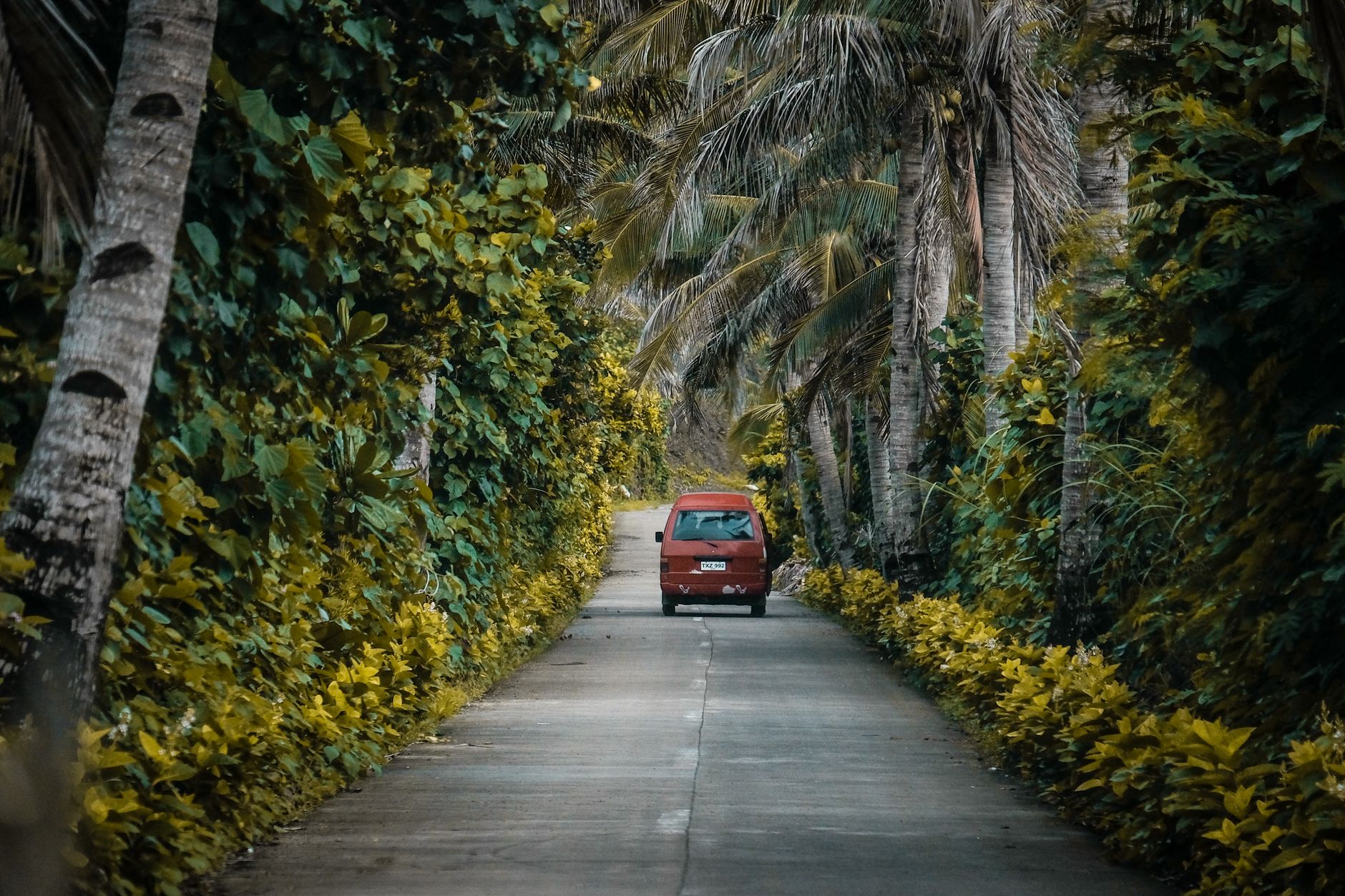
The south coast is quieter, with long stretches of sand and fewer tourists. I drove to Saleaula, a village famous for its ancient stone ruins that were partially buried by lava in the 1900s.
Parking near the ruins costs $1 for the day, and a local guide charges $10 to point out the different platforms and tell the story of the eruption. After exploring, head to the nearby village of Poutasi for a dinner of taro and coconut cream at a family‑run restaurant, the plate costs $7.
- Guide fee: $10 for a 45‑minute tour of the lava‑buried ruins.
- Parking: $1 daily, free after 5 pm.
- Meal cost: $7 for a traditional plate of taro, fish, and coconut sauce.
- Souvenirs: hand‑woven mats start at $12, perfect for a small gift.
- Sunset: the best view is from the western tip of the beach, about 30 minutes before dark.
Practical Tips for the Road Trip
Before you set off, check the weather forecast; the rainy season runs from November to April and can turn a short drive into a muddy trek. I always kept a spare tire and a basic tool kit in the trunk, the rental company won’t charge extra if you use them responsibly.
Pack light, breathable clothing, a wide‑brimmed hat, and plenty of sunscreen. The sun can feel intense even on cloudy days, and the nearest pharmacy is in Apia, about an hour away from most coastal stops.
- Emergency number: 911 works for police, fire, and medical.
- Cash: keep at least $50 in small denominations for roadside purchases.
- Health: bring a basic first‑aid kit with band‑aids, antiseptic wipes, and antihistamine.
- Connectivity: buy a local SIM card for $10, includes 5 GB data for a week.
- Respect: always ask before taking photos of people, especially during ceremonies.
Upolu’s roads are simple, the people are welcoming, and the scenery changes every few kilometres. With a reliable vehicle, a flexible itinerary, and a willingness to stop for a chat or a snack, you’ll discover why this island feels like a hidden gem that rewards the curious traveler.