Yasawa Island Resort & Spa: A Guide to Fiji’s Luxury Island Escape
pranav
–
September 16, 2026
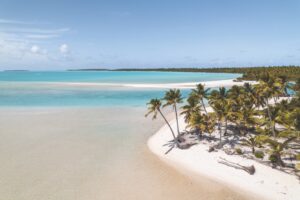
The moment the boat slipped past the reef and the silhouette of Yasawa Island Resort & Spa rose out of the turquoise, I knew the trip would be different from the usual Fiji postcard. The resort sits on a narrow strip of sand that feels almost private, yet the staff are busy enough that you never feel isolated. I spent four days there, and this guide captures the practical bits that helped me enjoy the luxury without surprises.
Getting There: Flights, Transfers and Ferries
International arrivals land at Nadi International Airport. I arrived on a mid‑morning flight from Auckland; the runway is close to the terminal, so you can be out of customs in 15 minutes if the lines are short. From Nadi, the resort recommends a 45‑minute shuttle to Port Denarau, which you can book through the hotel for about US$30 each way.
The real adventure begins at the Denarau marina. A 90‑minute catamaran departs at 11:00 am daily and costs US$70 for a round‑trip ticket. Seats fill fast in the high season, so I booked two weeks ahead. The boat has a small bar, Wi‑Fi that drops out every few minutes, and a deck where you can stretch your legs before the final 15‑minute dinghy ride.
Round‑trip flight to Nadi from Australia or New Zealand: US$650‑$900 (economy, mid‑range airline).
Shuttle from Nadi to Denarau: US$30 per person, can be shared.
Travel insurance that covers boat delays is worth the extra US$20.
Bring a waterproof bag for electronics; the dinghy splash can be surprisingly wet.
If you miss the 11 am boat, there is a later 2 pm departure, but the return schedule squeezes you into the 5 pm ferry, which can feel rushed if you plan a sunset activity. I recommend arriving at the marina at least 30 minutes early to avoid the rush.
Arrival and Check‑in: First Impressions
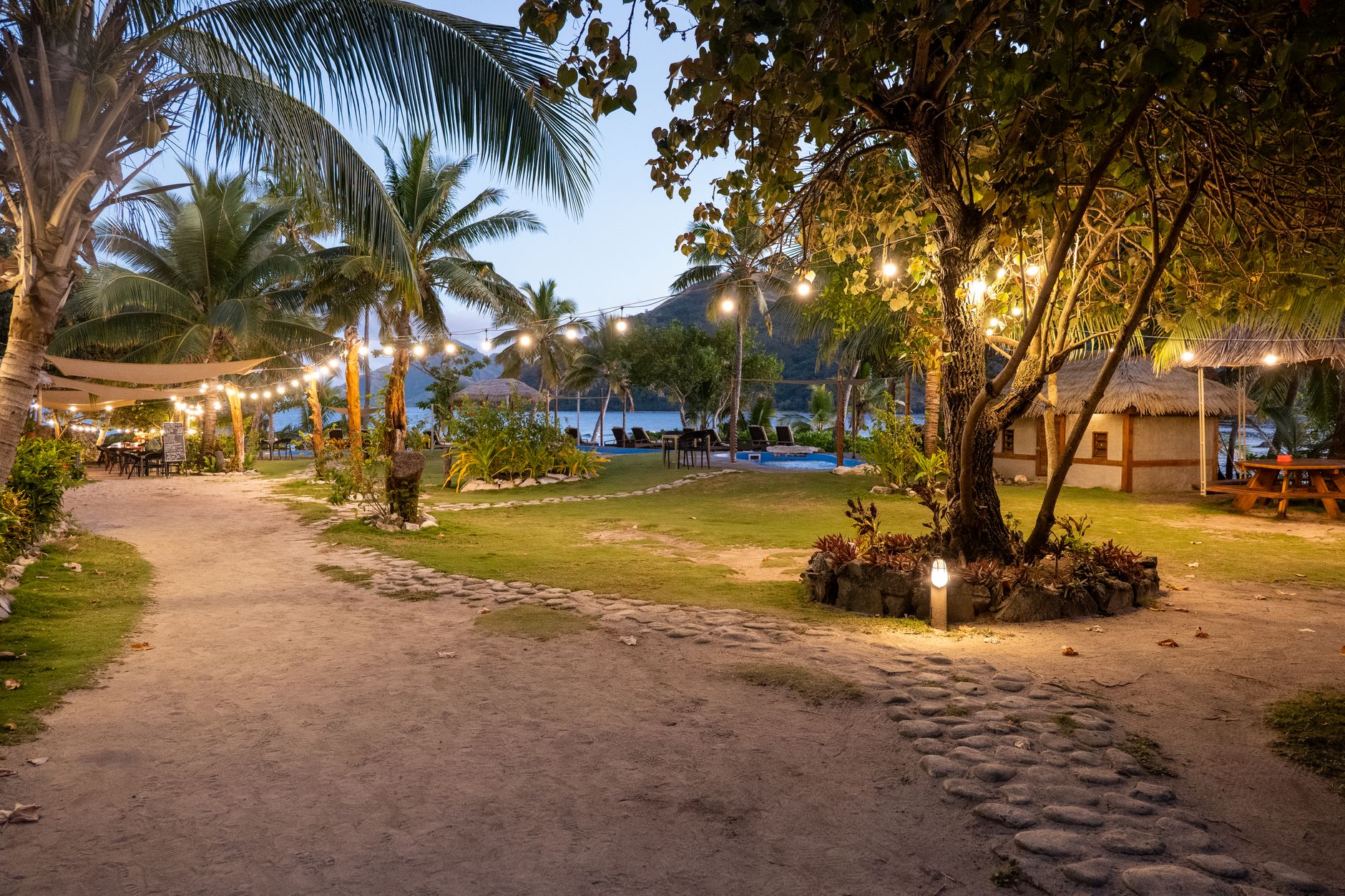
The resort’s reception is a bamboo‑covered pavilion that opens onto the beach. A single staff member greeted us with a cold coconut water and a brief rundown of the property map. The check‑in process took about ten minutes; they asked for passport copies and a credit card hold of US$200 for incidental charges.
My room key was a simple RFID card that also opened the spa locker and the poolside bar. The staff handed me a small welcome kit: a reusable water bottle, a map of the island’s walking trails, and a voucher for a complimentary sunset cocktail at the beach bar. The kit is a nice touch, but the water bottle is a bit flimsy; I swapped it for my own.
Check‑in opens at 2 pm; early arrival (12 pm) can be accommodated for an extra US$30.
Room key also works for the spa locker and pool bar.
Welcome voucher: one free cocktail, valid until 6 pm on the day of arrival.
Wi‑Fi is free in public areas, but rooms have a US$10 per day surcharge.
Ask for a spare key if you plan to leave the resort for a day trip.
The lobby lounge doubles as a small library; I found a guidebook on local marine life that turned out to be handy for the snorkeling trip. The only downside was the air conditioning that sometimes blew too cold at night, so I kept a light sweater in the minibar.
Accommodations: Rooms, Suites and Villa Options
I booked a Garden View Suite for US$550 per night, which includes breakfast and daily housekeeping. The suite has a king‑size bed, a private balcony with a hammock, and a bathroom with a rain shower that feels like a rainforest downpour. The only drawback was the limited storage; the closet could barely fit a small suitcase and a daypack.
For couples seeking more privacy, the Overwater Bungalow costs US$820 per night and comes with a glass‑floor section that lets you watch fish swim beneath you. The bungalow includes a private plunge pool and a butler service that can arrange a midnight snack. I didn’t stay in one, but the staff showed me the room during a tour, and the view was spectacular.
Garden View Suite: US$550/night, includes breakfast, balcony, daily housekeeping.
Overwater Bungalow: US$820/night, glass floor, private plunge pool, butler.
Family Villa (3 bedrooms): US$1,200/night, kitchen, separate living area.
All rooms have ceiling fans; air‑conditioning is optional and costs US$15/night.
Mini‑bar items are priced higher than on the mainland; a bottle of water is US$4.
If you travel with kids, the resort offers a “Kids’ Cove” room with bunk beds and a small play area. The rate is US$100 extra per night, and the room includes a child‑friendly menu for dinner. I appreciated the fact that the room had a lockable door, giving parents peace of mind.
Food and Drink: What to Expect on the Menu
Breakfast is served buffet style from 7 am to 10 am in the beachfront restaurant. There are fresh tropical fruits, a selection of yogurts, and a hot station where you can order eggs any style. I liked the locally sourced papaya, but the coffee was a bit weak; I bought a stronger brew from the bar later.
Lunch and dinner rotate between a Fijian grill and an international buffet. The Fijian grill features kokoda (marinated raw fish), lamb kebabs, and taro chips cooked fresh. I tried the grilled snapper with a lime‑coconut glaze; it cost US$28 and was the best dish of the trip. The international buffet offers sushi rolls, pasta, and a carving station, but the sushi can be hit or miss depending on the day’s supply.
Breakfast buffet: US$25 per adult, includes fruit, pastries, hot station.
Lunch à la carte: average US$30, main dishes include seafood, grilled meats.
Dinner buffet: US$45, includes Fijian grill, sushi, dessert station.
Signature cocktail (Sunset Breeze): US$12, made with local rum and passionfruit.
Room service available 24 hrs, delivery fee US$5.
The bar by the pool serves a “Happy Hour” from 4 pm to 6 pm with half‑price drinks and a small plate of plantain chips. I tried the local kava drink; it was earthy and a little numbing, definitely an experience if you’re curious. The only thing to watch out for is the tax on alcohol, which adds about 15 percent on top of the listed price.
Activities and Excursions: Making the Most of Your Stay
The resort’s activity desk offers a range of water‑based options. I signed up for a half‑day snorkeling tour that left at 9 am; the guide took us to a coral garden where we saw a school of butterfly fish and a curious sea turtle. The tour cost US$85 per person and included snorkel gear, a light snack, and a reef‑safe sunscreen.
For a land experience, the resort arranges a hike to a hidden waterfall on the island’s interior. The trail is steep in places and takes about 45 minutes each way. The guide, a local named Lani, explained how the waterfall feeds a small lagoon that is perfect for a quick dip. The hike costs US$40 per person and includes a packed lunch.
Snorkeling tour: US$85, 4‑hour trip, includes gear and reef‑safe sunscreen.
Kayak rental: US$25 per day, paddleboards also available for US$30.
Waterfall hike: US$40, 2‑hour round‑trip, includes lunch.
Spa treatment (60‑minute massage): US$150, best booked early.
Private sunset cruise: US$200 for a couple, includes champagne and canapés.
I also tried the resort’s “Yoga at Dawn” session on the beach. The class started at 6:30 am, the instructor guided us through gentle flows while the sun rose over the lagoon. The session is free for guests, but you need to bring your own mat; the resort does have a few spare mats you can borrow for a US$5 deposit.
Practical Tips: Packing, Money and Small Hacks
Pack light, breathable clothing, but also bring a light rain jacket; the islands can have sudden showers in the afternoon. I found that a pair of water shoes saved my feet during the reef walk, and a reusable dry bag kept my phone dry on the boat. Sunscreen is essential, but the resort only provides reef‑safe SPF 30, so bring a higher SPF if you’re fair‑skinned.
Currency on the island is Fijian dollars, but most places accept credit cards. I withdrew US$200 from an ATM in Nadi before the trip; the resort’s on‑site ATM charges a US$3 fee per withdrawal, which adds up quickly. It’s cheaper to use a no‑foreign‑transaction‑fee card for purchases at the resort’s restaurants.
Bring a waterproof phone case; the dinghy splash can soak electronics.
Pack a reusable water bottle; the resort refills it for free.
Use a credit card with no foreign transaction fees to avoid extra charges.
Reserve spa and excursion slots at least 48 hours in advance.
Check the weather forecast each morning; afternoon showers are common.
One small annoyance was the limited power outlets in the rooms, only two, both on the same side of the bed. I bought a compact travel power strip before the trip, which solved the problem without taking up much space. Also, the resort’s Wi‑Fi works well in the lobby but can be spotty near the beach; if you need a reliable connection, the business center has a wired port for US$5 per day.