Aitutaki Day Trip vs Staying Overnight: Which Experience Is Better?
pranav
–
September 16, 2026
Aitutaki feels like a secret that the world only half‑knows. I spent a week there last summer, hopping between a whirlwind day cruise and a low‑key night on the lagoon, and the contrast still surprises me.
Getting There and Getting Around
The main island of Aitutaki is serviced by a tiny airport that handles a handful of flights from Rarotonga each morning. A single‑engine plane drops you off in ten minutes, and a short taxi ride (about 10 A$) takes you to the resort strip.
If you’re doing a day trip, most operators meet you at the dock at 8:00 am. For an overnight stay you’ll need to book a bungalow or a small villa; the best‑value spots sit near the lagoon’s edge and cost roughly 180 A$ per night.
Flight from Rarotonga: ~120 A$ round‑trip.
Taxi from airport to dock: 10 A$ each way.
Day‑trip pickup time: 8:00 am sharp.
Overnight accommodation starts at 180 A$ per night.
Bring cash for small vendors; ATMs are scarce.
The Day‑Trip Itinerary
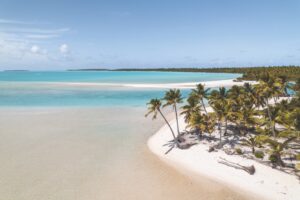
Most tours start with a quick safety briefing, then a 30‑minute boat ride to the famous “One Foot Island.” The guide hands you a snorkel, and you drop into water that’s clearer than glass.
After a half‑hour of swimming, the boat heads to a sandbar where you can lunch on fresh fish wrapped in banana leaf. The meal costs about 25 A$, and the chef grills the fish right in front of you.
Departure: 8:00 am from Aitutaki dock.
Snorkel gear included in price.
Lunch: 25 A$ per person, grilled fish.
Return to dock: around 4:30 pm.
Total tour cost: 150 A$ per adult.
Spending a Night on the Lagoon
Staying overnight means you can chase sunrise on the water, something a day‑tour never offers. I woke at 5:30 am, slipped on my sandals, and walked to the small pier where a kayak waited.
Paddling out to the lagoon’s inner reef, I watched the sky turn pink while fish stirred below. Back at the bungalow, a simple breakfast of tropical fruit and toast cost about 12 A$.
Afternoon activities are flexible: you can book a private sail, rent a scooter to explore the island’s interior, or simply lounge on the beach. Dinner is a communal affair at the resort’s open‑air grill, where you pick fresh seafood and the chef whips up a curry for 30 A$.
Accommodation: 180 A$ per night, includes breakfast.
Kayak rental: 15 A$ for two hours.
Scooter hire: 25 A$ per day.
Dinner at resort grill: 30 A$.
Sunrise paddle: free with accommodation.
Cost Comparison at a Glance
If you add up the numbers, a day trip costs roughly 150 A$ plus whatever you spend on souvenirs. An overnight package runs about 250 A$, which includes lodging, two meals, and a few activity fees.
The extra 100 A$ buys you flexibility and a chance to see the lagoon at both dawn and dusk. For a family of four, the day‑trip totals around 600 A$, while an overnight stay for the same group hits about 1,000 A$.
Day‑trip total (2 adults, 2 kids): ~600 A$.
Overnight total (2 adults, 2 kids): ~1,000 A$.
Extra night adds 2 meals and accommodation.
Transportation costs are the same for both options.
Souvenir budget: 50-100 A$ regardless of length.
Pros and Cons of Each Option
Day trips are tight on schedule. You get the highlights, but you have to rush between snorkeling spots, lunch, and the return ferry. If you miss the 4:30 pm boat, you’re stuck on the island overnight by default.
Overnight stays let you set your own pace. You can linger on a beach, take a second dive, or simply nap in a hammock. The downside is you need to pack more, and you’ll be paying for a night you might not use fully if the weather turns sour.
Day trip: fast, cheaper, less packing.
Day trip: limited time for each activity.
Overnight: relaxed schedule, sunrise/sunset.
Overnight: higher total cost, more luggage.
Both: require early start and cash on hand.
Which Experience Fits Your Travel Style?
If your itinerary is packed with multiple islands, the day trip slots neatly between flights and gives you a taste without sacrificing other plans. I paired a day cruise with a visit to Rarotonga’s markets, and it felt doable.
If you crave immersion, the overnight stay is worth the extra spend. Watching the lagoon glow at sunset from a wooden deck is something you can’t squeeze into a few hours. I stayed two nights and still felt like I barely scratched the surface.
Choose day trip for tight schedules or limited budget.
Choose overnight for photography, wildlife, or slow travel.
Consider weather: calm seas favor day trips, choppy days make overnight safer.
Check accommodation availability early; rooms fill fast in July.
Pack light for day trips, bring a spare towel for overnight.
Bottom line: Aitutaki rewards both approaches, but the extra night turns a beautiful snapshot into a living memory. Decide what you value more, speed or depth, and let that guide your booking.