




Things to Do in Aitutaki Beyond the Famous Lagoon Cruise
When I first set foot on Aitutaki, the lagoon was already on my mind, but the island has a lot more going on once you step off the boat. I spent three days hunting for hidden gems, and I’m still jotting down notes for the next visit.
If you’re planning a trip, think of the lagoon cruise as the opening act, not the whole show. Below are the things I did that felt just as rewarding, and often cheaper.
Arriving and Getting Around

The only commercial airport is Aitutaki Airport, a short 10‑minute drive from the main village of Aitutaki. Flights from Rarotonga land around 9 am, and the taxi stand is right outside the terminal.
I booked a 4‑hour scooter rental for NZ$45; it gave me the freedom to explore the coastal road without waiting for a van. The road is paved but has a few potholes, so drive slowly near the coral‑stone bridges.
- Taxi from airport to village: NZ$15 (shared rides cheaper)
- Scooter rental (4 hrs): NZ$45, includes helmet and basic insurance
- Petrol price: NZ$2.30 per litre (diesel is a bit cheaper)
- Driving tip: watch out for stray goats near the southern shore
Snorkeling Spots Off the Beaten Path
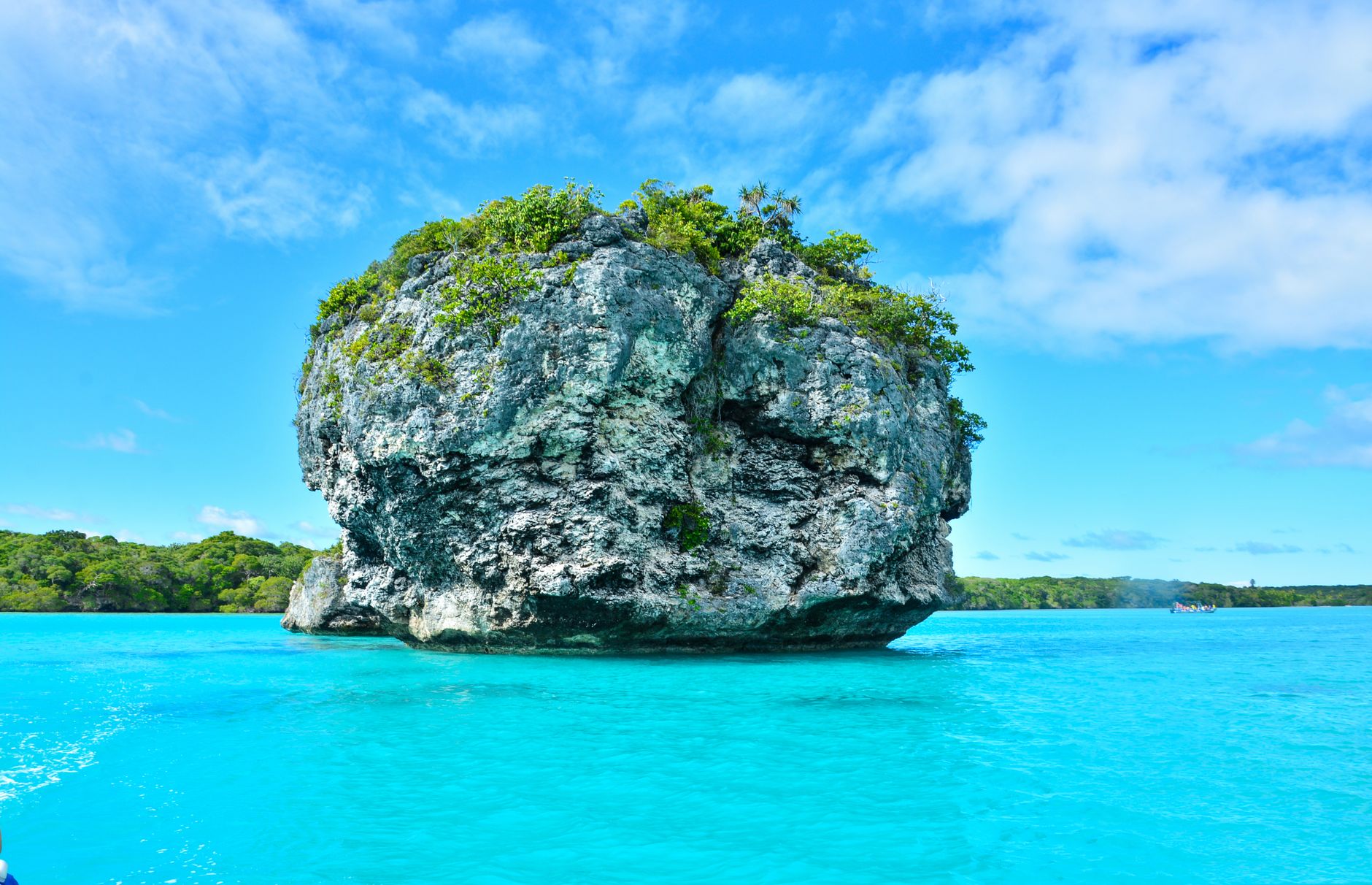
The lagoon’s main cruise stops are crowded, but a short boat ride north takes you to a reef that feels private. I left the tour boat at 11 am, paddled a small dinghy to Motu Oa, and slipped into water that was still warm from sunrise.
Visibility was 12 metres, and I saw a school of fusiliers darting around a giant brain coral. The best part? No one else was there, so I could linger for an hour without feeling rushed.
- Boat hire to Motu Oa: NZ$70 for a half‑day, includes fuel
- Snorkel gear rental: NZ$12 per set, better to bring your own mask
- Best time: 10 am to 2 pm when currents are light
- Safety: carry a whistle and a small waterproof bag for valuables
Island Hiking and Lookouts
Most visitors stay on the beach, but the interior has a gentle hill that offers a 360‑degree view of the lagoon. The trail starts near the old schoolhouse and is marked with simple wooden signs.
The hike takes about 45 minutes round‑trip, and the summit is a flat rock outcrop perfect for a quick snack. I packed a banana and a bottle of water; the heat can climb to 31 °C by mid‑day.
- Trail length: 2 km return, moderate incline
- Entrance is free, but a small donation box supports trail maintenance
- Bring sunscreen and a hat, shade is scarce
- Sunrise hike: start at 5:30 am for cooler temps and spectacular colors
Cultural Experiences and Local Food
On Thursday evenings the village hall hosts a “Kanikau” night where locals perform traditional dance and share stories. I arrived just as the drums started, and a friendly elder invited me to try a piece of taro cake.
The food stalls there are cheap and authentic. A plate of “ika mata” (raw fish marinated in coconut cream) cost NZ$8, and the accompanying banana leaf garnish was fresh and fragrant.
- Kanikau night: 6 pm to 9 pm, free entry, optional NZ$5 donation
- Local dish to try: ika mata, price NZ$8 per plate
- Market days: Friday and Saturday at the wharf, good for fresh fruit
- Tip: learn a few Cook Islands greetings; locals appreciate the effort
Day Trips to Nearby Islets

Beyond the main lagoon, a small ferry runs twice daily to the uninhabited islet of Tekopua. The ride is about 20 minutes, and the island’s beach is lined with shells that crunch underfoot.
I arrived on the second ferry at 2 pm, set up a modest picnic, and spent the afternoon collecting shells for a souvenir. The island has no facilities, so bring a portable toilet seat if you’re uneasy.
- Ferry schedule: 10 am and 2 pm departures, return at 4 pm
- Round‑trip fare: NZ$30 per person
- Pack a lunch: there are no shops on Tekopua
- Leave no trace: take all rubbish back to the main island
Practical Tips and Packing Essentials
Before you book, check the weather forecast; the wet season (December to March) brings sudden showers that can close some reef access points. I kept a small rain jacket in my daypack and it saved me from a downpour on day three.
Cash is still king on Aitutaki. ATMs dispense New Zealand dollars, and many small vendors don’t accept cards. I withdrew NZ$200 on the first day; it lasted me the whole stay.
- Currency: NZ$ (widely accepted), bring small bills for tips
- Sun protection: reef‑safe sunscreen, hat, and sunglasses
- Reusable water bottle: refill at the community tap near the market
- Light backpack: 20‑liter size fits snorkeling gear and a snack
All told, Aitutaki offers more than the postcard lagoon cruise. With a scooter, a willingness to wander off the main routes, and a few extra dollars for local experiences, you can see a side of the island that most tourists miss.