Best Islands in the Mamanuca & Yasawa Groups for Snorkeling, Diving & Beaches
pranav
–
September 16, 2026
I first set foot on the Mamanuca chain in early June, just after a bumpy 12‑hour flight from Los Angeles. The islands felt like a secret the locals were happy to share, especially when the wind was light and the water clear enough to see the reef from the deck.
Malolo Lailai, Beach and Easy Snorkel
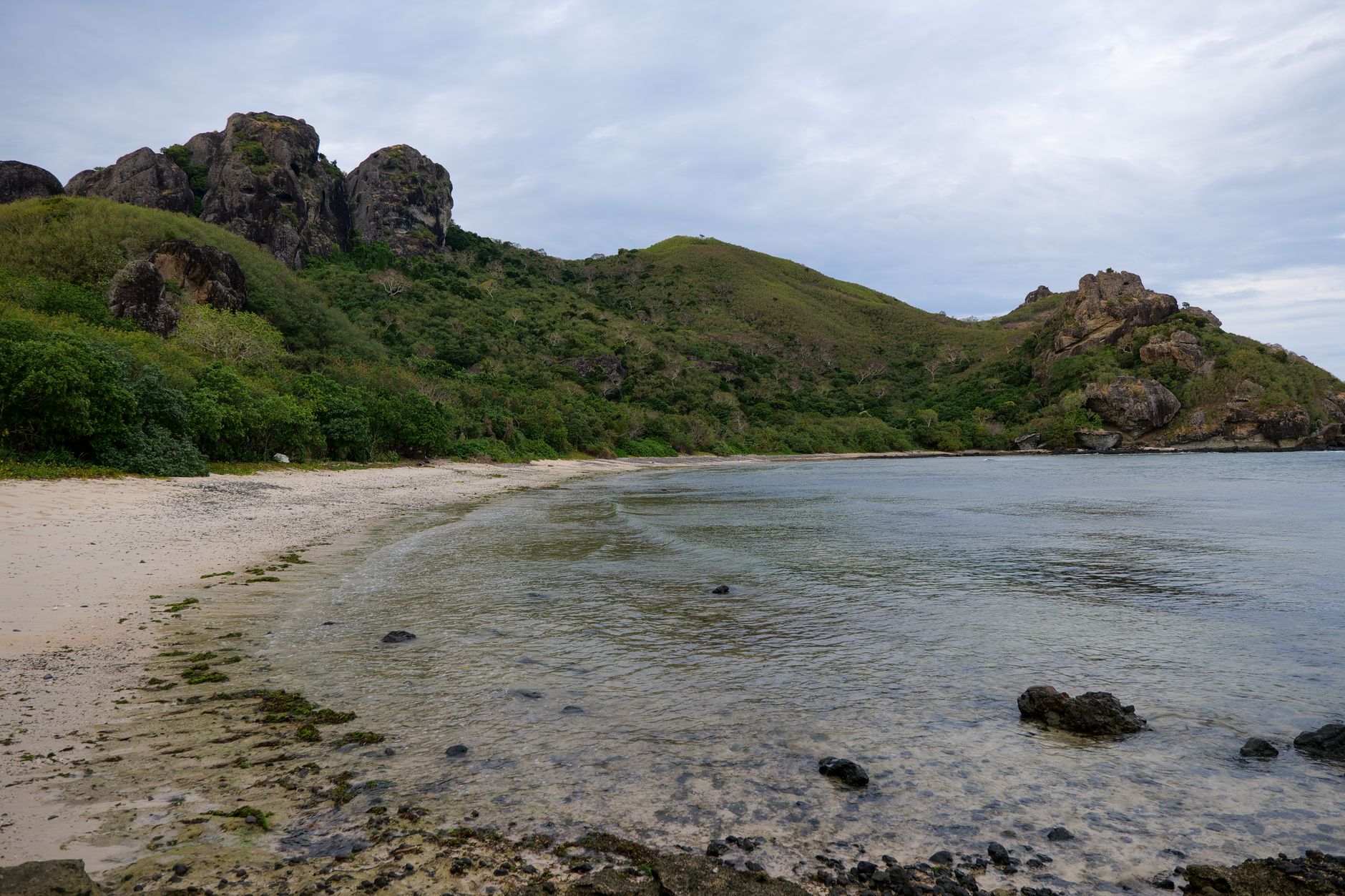
The ferry from Port Denarau to Malolo Lailai leaves at 7 am and 2 pm daily; the ride is a smooth 30‑minute hop on a 28‑seat catamaran. I grabbed a cheap ticket for $12 each way and hopped off onto a white‑sand stretch that felt like a runway.
The beach is wide enough to spread a towel without stepping on anyone else’s towel, and the water is shallow for the first ten metres, perfect for a quick dip with a mask. I rented a snorkel kit from the resort shop for $8 a day; the reef right off the shore is dotted with green brain coral and a few shy parrotfish.
Ferry ticket: $12 one‑way, $22 round‑trip if you book online.
Snorkel gear rental: $8 per day, $20 for a full set (mask, snorkel, fins).
Best time: early morning, before the wind picks up around 10 am.
Accommodation: budget bungalows start at $70 per night, meals extra.
Tip: Bring reef‑safe sunscreen; some hotels charge a $5 “reef protection fee”.
If you’re staying overnight, the resort’s “Island Explorer” package includes a sunset sail for $45, which drops you back at the dock just as the last light fades. I missed the early dinner rush, so I grabbed a plate of fresh mahi‑mahi from the beach bar for $12 and watched the sky turn pink.
Mana Island, Dive Spot with Wall Reefs
Mana Island feels like a tiny playground for divers; the main dive site, “The Wall”, drops down 30 metres and is covered in soft corals that look like underwater gardens. I booked a two‑day dive with a local operator for $180, which included two dives, gear, and a boat transfer.
The boat leaves Denarau at 8 am and returns around 4 pm, giving you a solid eight hours in the water. My dive guide, Lani, pointed out a sleepy turtle that had just slipped past the reef, a moment that made the $180 price feel tiny.
Dive package: $180 for two dives, gear, and boat transfer.
Certification: PADI Open Water or equivalent required.
Best visibility: 20‑30 m in the dry season (May-October).
Extra cost: Underwater camera rental $15 per day.
Tip: Bring a reef‑safe wetsuit; the water is around 27 °C year‑round.
If you’re a certified diver, you can also try the “Shark Point” night dive for an extra $70. The night was warm, the surface calm, and the dive guide kept the lantern low to avoid spooking the reef sharks that glide past silently.
Tokoriki Island, Snorkeling in the Yasawas
Getting to Tokoriki is a bit of an adventure; the local ferry runs twice a week, Wednesday and Saturday, at 9 am from Lautoka. The ticket costs $30 one way, and the ride is a bumpy 2‑hour journey on a small wooden boat.
I arrived on a Saturday, and the island’s main lagoon was already buzzing with snorkelers. The water was a deep turquoise, and the coral garden near the “Manta Point” had a resident manta ray that seemed to pose for us every few minutes.
Ferry schedule: Wednesdays and Saturdays, 9 am departure.
Ticket price: $30 one‑way, $55 round‑trip if booked a week ahead.
Snorkel gear: $10 rental, $25 for a full set.
Accommodation: beachfront huts start at $85 per night, meals optional.
Tip: Pack a dry bag for electronics; the boat can get spray‑y.
I booked a night in a family‑run guesthouse; the owner served fresh coconut water for $3 and a simple fish curry for $9. The next morning, a short paddle out to the reef took less than ten minutes, and I spent an hour spotting schools of fusiliers and a shy octopus.
Nacula Island, Dive the “Blue Hole”
Nacula is the largest island in the Yasawa group and the dive operators here are seasoned. I signed up with “Nacula Dive Centre” for a three‑day “Blue Hole” adventure, paying $320 for three dives, gear, and two nights in a beachfront chalet.
The “Blue Hole” is a natural sinkhole that opens to the surface, letting sunlight flood the interior and illuminate a carpet of soft corals. My first dive there was at 10 am, and the water was calm enough that the boat barely moved.
Three‑day dive package: $320, includes accommodation.
Depth: 25‑30 m, suitable for Advanced Open Water.
Visibility: often 25 m in the early morning.
Extra: Nitrox refill $25 if you need longer bottom time.
Tip: Bring a spare mask; the reef can be sharp.
Even on the evenings after diving, the island’s beach bar served a cold “Fiji Rum Punch” for $7, and the sunset painted the sky in orange and pink. The next morning, I woke to the sound of waves and a rooster, a simple reminder that island life runs on its own clock.
Beachcomber Island, Party Beach with Good Snorkel
If you want a mix of beach parties and decent snorkeling, Beachcomber is the place. The island is a single strip of sand, and the daily “Party Bus” leaves at 11 am from Port Denarau for $15, dropping you off right at the main bar.
I arrived at 1 pm, and the water near the bar was surprisingly clear, a shallow reef full of tiny fish and a few hidden sea cucumbers. I rented a snorkel set for $9 and spent an hour floating while a DJ played reggae beats from a nearby speaker.
Party Bus: $15 round‑trip, departs 11 am daily.
Snorkel gear: $9 rental, $22 full set.
Accommodation: dormitory style bunk beds $45 per night.
Food: BBQ chicken skewers $6, fresh fruit platters $4.
Tip: Keep an eye on your belongings; the bar gets crowded after 5 pm.
The island’s “Sunset Party” starts at 6 pm, and the drinks are cheap, a beer for $4 and a cocktail for $8. I stayed until midnight, then caught the last ferry back to Denarau at 11 pm, which cost $12 and ran on a strict schedule.
Practical Tips for Visiting the Mamanuca & Yasawa Islands
Traveling between islands can feel like a puzzle; most ferries run only a few times a week, and they don’t always stick to the timetable if the sea gets rough. I kept a printed schedule in my pocket and checked the local radio each morning for updates.
Currency is another small hurdle, while most resorts accept credit cards, the smaller guesthouses only take Fijian dollars. I exchanged $200 at the airport for $260 FJD; the rate was 1.3, and the exchange office gave me a receipt that I kept for later reference.
Cash: Bring at least $100 FJD for small purchases.
Transport: Book ferries at least 48 hours in advance.
Packing: Reef‑safe sunscreen, a dry bag, and a reusable water bottle.
Health: Pack anti‑motion sickness tablets; boat rides can be choppy.
Connectivity: Most islands have limited Wi‑Fi; buy a local SIM for $15.
A final note: the islands are beautiful, but they’re also fragile. I saw a sign near the reef reminding visitors to “Don’t Touch”. I tried to follow it, but a curious child on my snorkel tour kept poking at a coral branch. It was a reminder that we’re guests here, not owners.
Overall, the Mamanuca and Yasawa groups offer a range of experiences, from lazy beach days to adrenaline‑filled dives. My week on these islands left me with sun‑kissed skin, a few new friends, and a notebook full of dive logs. If you’re planning a trip, pick one island for each activity and give yourself at least a day to travel between them; the islands move at their own pace, and that’s part of the charm.