




Suva’s Hidden Side: Local Markets, Colonial History & Cultural Experiences
Stepping off the bus onto Victoria Parade, the heat hits you like a warm handshake. Suva’s streets buzz with a rhythm that feels both familiar and oddly foreign, and the city’s hidden side reveals itself in the smallest details.
Morning at the Suva Municipal Market
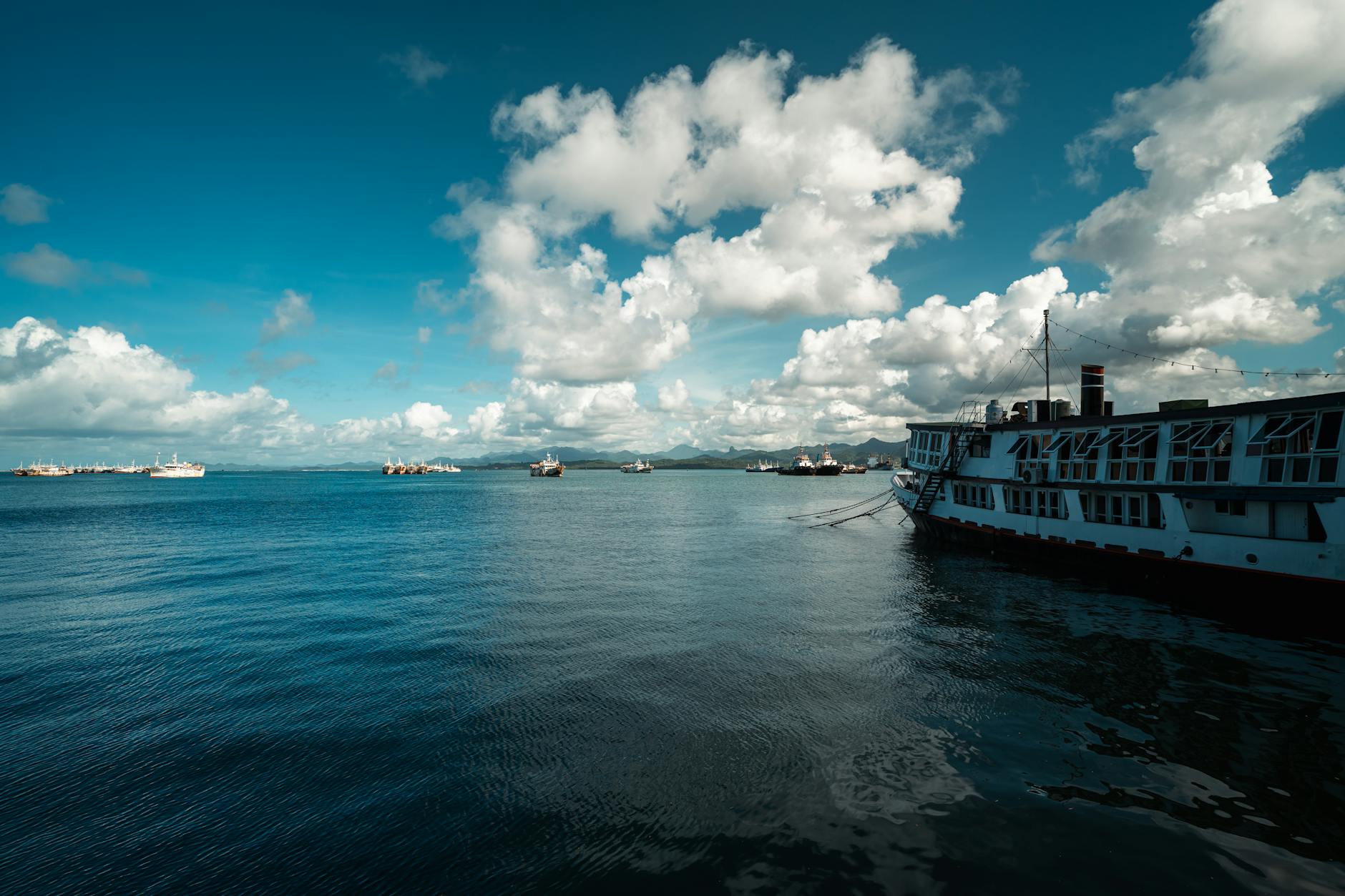
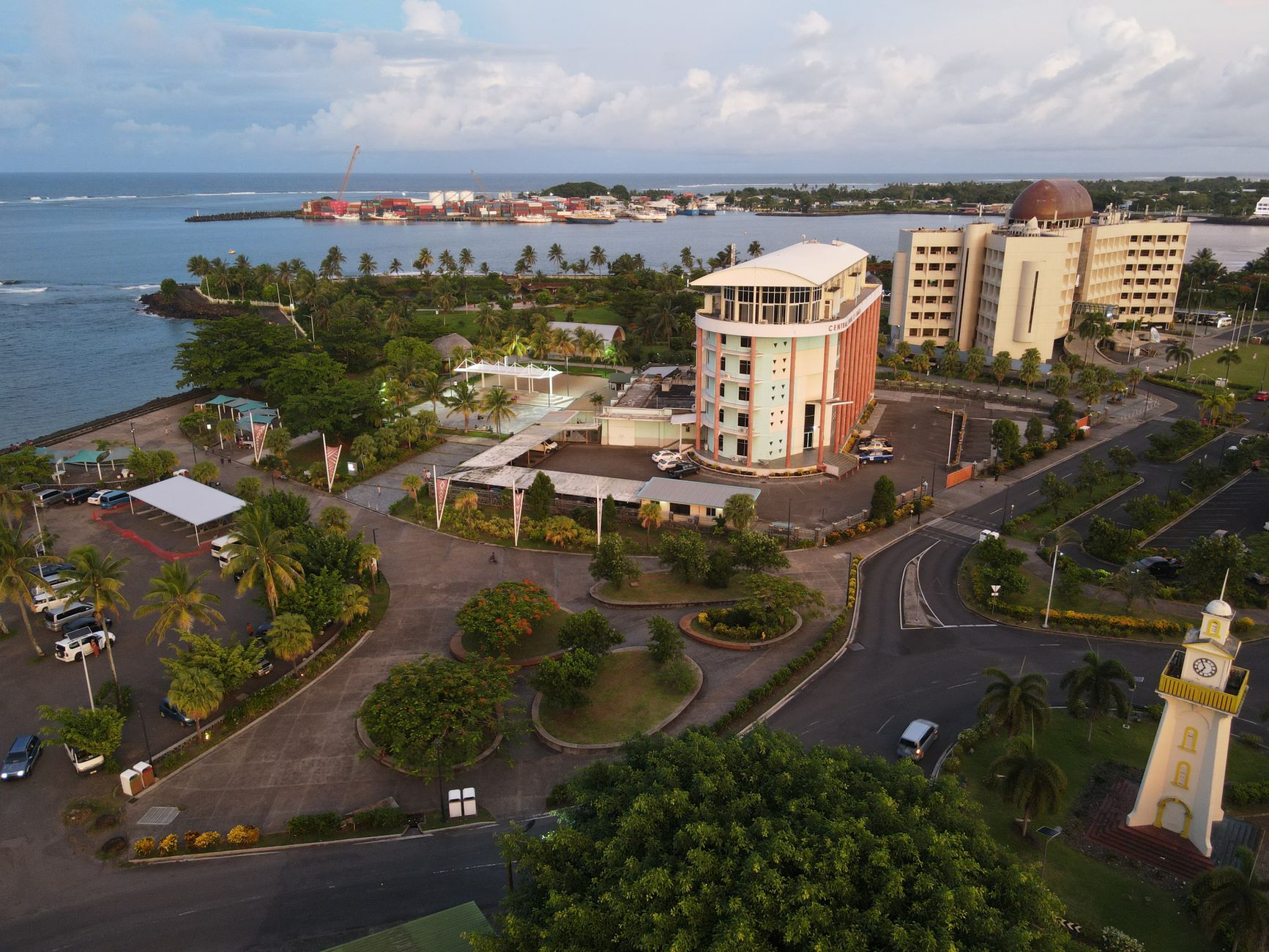
The market opens at 7 am, and by 8 am the stalls are already crowded with locals buying fresh fish, mangoes, and hand‑woven baskets. I grabbed a banana leaf‑wrapped fish cake for FJ$2.50 and a cup of strong tea for FJ$1.20.
The smell of fried cassava mixes with the salty sea breeze. Vendors shout in Fijian and Hindi, and a friendly lady named Laisa offered me a sample of her homemade kava, warning that it “makes you feel like the tide.”
Parking is a nightmare; the closest lot costs FJ$5 for the morning and fills up by 9 am. I ended up walking three blocks from the bus terminal, which turned out to be a blessing because I discovered a tiny stall selling fresh papaya slices.
Don’t be shy about bargaining. A polite “Can I have it for FJ$3?” usually works, especially if you smile and nod. The sellers respect a good-natured haggler.
After a quick breakfast, I bought a bundle of pandanus leaves for FJ$4 and headed toward the city centre, feeling the market’s energy still humming in my ears.
- Market opens 7 am, closes 1 pm; bring cash in small bills.
- Sample prices: fish cake FJ$2.50, tea FJ$1.20, papaya FJ$1.00.
- Parking lot nearby: FJ$5 per morning, fills quickly.
- Bargaining tip: start 20 % lower than the asking price.
- Dress modestly; shorts are fine but avoid sleeveless tops.
Colonial Architecture on Albert Street
Albert Street is a straight line of pastel‑coloured buildings that whisper stories from the 1800s. The former Government House, now a museum, still has the original mahogany doors that creak when the wind pushes through.
I timed my visit for 10 am to catch the light that makes the white columns glow. A guide named Tom, wearing a faded shirt with “Heritage” embroidered, offered a free tour after I mentioned I was a “history junkie.”
The interior of the old post office still has the original brass mail slots. I mailed a postcard to my sister for just FJ$0.85, and the clerk laughed, saying it was “the cheapest trip abroad you’ll ever take.”
Behind the courthouse, a narrow alley leads to a hidden courtyard where a group of elderly women knit crochet blankets. They invited me to try, and the yarn felt like soft seaweed.
Parking is limited; I left my scooter at the municipal lot for FJ$3 per hour and walked the rest. The walk was worth it for the chance to snap a photo of the old clock tower against a clear blue sky.
- Best time: 10 am to 12 pm for lighting.
- Free guided tours available; just mention “history junkie.”
- Postcard stamp: FJ$0.85.
- Parking lot: FJ$3 per hour, limited spaces.
- Bring a lightweight jacket; mornings can be breezy.
Cultural Immersion at the Fiji Museum
The Fiji Museum sits on the edge of the Botanical Gardens, its façade a mix of concrete and traditional motifs. Inside, the first exhibit is a collection of war clubs made from whale bone.
I paid the entry fee of FJ$15, which includes a short audio guide. The guide’s voice is a deep Fijian accent that adds authenticity, though the translation is a bit choppy.
One room is dedicated to the “Tabua”, a polished whale tooth used in ceremonies. A curator let me hold one, and the cool weight reminded me of the ocean’s presence even inland.
There’s a small café in the back serving coconut water for FJ$3. I sat on a plastic stool, watched a family of schoolchildren sketching artifacts, and felt the museum’s role as a community hub.
The museum closes at 4 pm, but they offer a twilight tour on Fridays for an extra FJ$5. The lights dim, and the stories seem to echo louder, especially the tale of the “Maui” canoe.
- Entry fee: FJ$15 (audio guide included).
- Café coconut water: FJ$3.
- Twilight Friday tour: extra FJ$5, starts at 5 pm.
- Open daily 9 am-4 pm; last entry 3:30 pm.
- Photography allowed, but no flash inside exhibit rooms.
Evening at the Waterfront Night Market
The night market springs to life after sunset, right by the harbor. Stalls line the promenade, offering everything from grilled octopus to hand‑carved wooden figurines.
I tried a skewer of pork marinated in a secret sauce for FJ$4. The flavor was smoky, with a hint of citrus that lingered long after the bite.
Live music starts around 8 pm; a local band plays a mix of reggae and traditional “Meke” dances. The crowd sways, and a group of tourists joins in, laughing at their own clumsy steps.
Security is present but not intrusive. I kept my backpack close, and the vendor I bought a souvenir from, an intricately painted wooden bowl, checked my wallet for change, which felt oddly reassuring.
When I left at 10 pm, the market was still buzzing, but the stalls began packing up. I walked back to my guesthouse, the harbor lights reflecting on the water like scattered fireflies.
- Market hours: 6 pm-10 pm (peak 7-9 pm).
- Typical snack price: FJ$3-FJ$6.
- Live music starts at 8 pm; bring a small cash tip for performers.
- Keep valuables close; pickpockets are rare but stay alert.
- Free parking at the nearby municipal lot (FJ$2 per hour).
Day Trip to the Botanical Gardens and the Old Prison

A short bus ride (FJ$2 each way) takes you to the Suva Botanical Gardens, a lush oasis with towering palms and a small lake. The entrance is free, but a guide costs FJ$10 for a half‑day tour.
I arrived at 9 am, rented a bike for FJ$8, and pedaled along the gravel paths. The garden’s highlight is the giant kapok tree, its roots spreading like an ancient spider web.
Next, I walked to the Old Prison, a stone building that once held political prisoners during the colonial era. The guide showed a cell with a rusted iron bar still hanging from the wall.
Inside the prison museum, a faded photograph of a 1920s protest caught my eye. The guide explained how the building was repurposed into a cultural centre in the 1990s.
On the way back, I stopped at a roadside stall selling fresh coconut water for FJ$2. The water was cool, and the vendor gave me a straw made from a cleaned coconut shell.
- Bus fare to gardens: FJ$2 each way.
- Bike rental: FJ$8 for the day.
- Guide for gardens: FJ$10 (optional).
- Old Prison entry: free, guided tours extra FJ$5.
- Bring sunscreen and a reusable water bottle.
Practical Tips for Visiting Suva
Before you set off, a few practical notes can smooth the experience. The local currency is the Fijian dollar; ATMs are common but often dispense limited amounts.
Internet is free at most cafés, but the signal can be spotty in the market area. I kept a portable charger handy; it saved me from missing the last bus home.
Weather in Suva is warm year‑round, with occasional showers in the afternoon. A light rain jacket fits in a daypack and makes the sudden downpours less of a nuisance.
Transport within the city is cheap. Mini‑buses cost FJ$1.50 for short hops, and taxis charge a base fare of FJ$5 plus FJ$1 per kilometre. Always ask the driver to turn on the meter.
If you’re a vegetarian, fresh fruit and vegetable stalls make it easy to find meals. However, some traditional dishes contain fish sauce, so ask the vendor if you’re unsure.