





Fiji’s Northern Islands Guide: Exploring Vanua Levu & Beyond
When I stepped off the small turboprop in Labasa, the humidity hit me like a warm hand, and the scent of mango trees drifted from the roadside stalls. The island felt larger than the map suggested, with roads that curl around coconut groves and a rhythm that moves slower than the mainland.
Over the next week I criss‑crossed Vanua Levu, hopped a ferry to Taveuni, and even snagged a night on the remote island of Qamea. What follows is the checklist I wish I’d had before my first sunrise on the northern coast.
Getting There and Getting Around
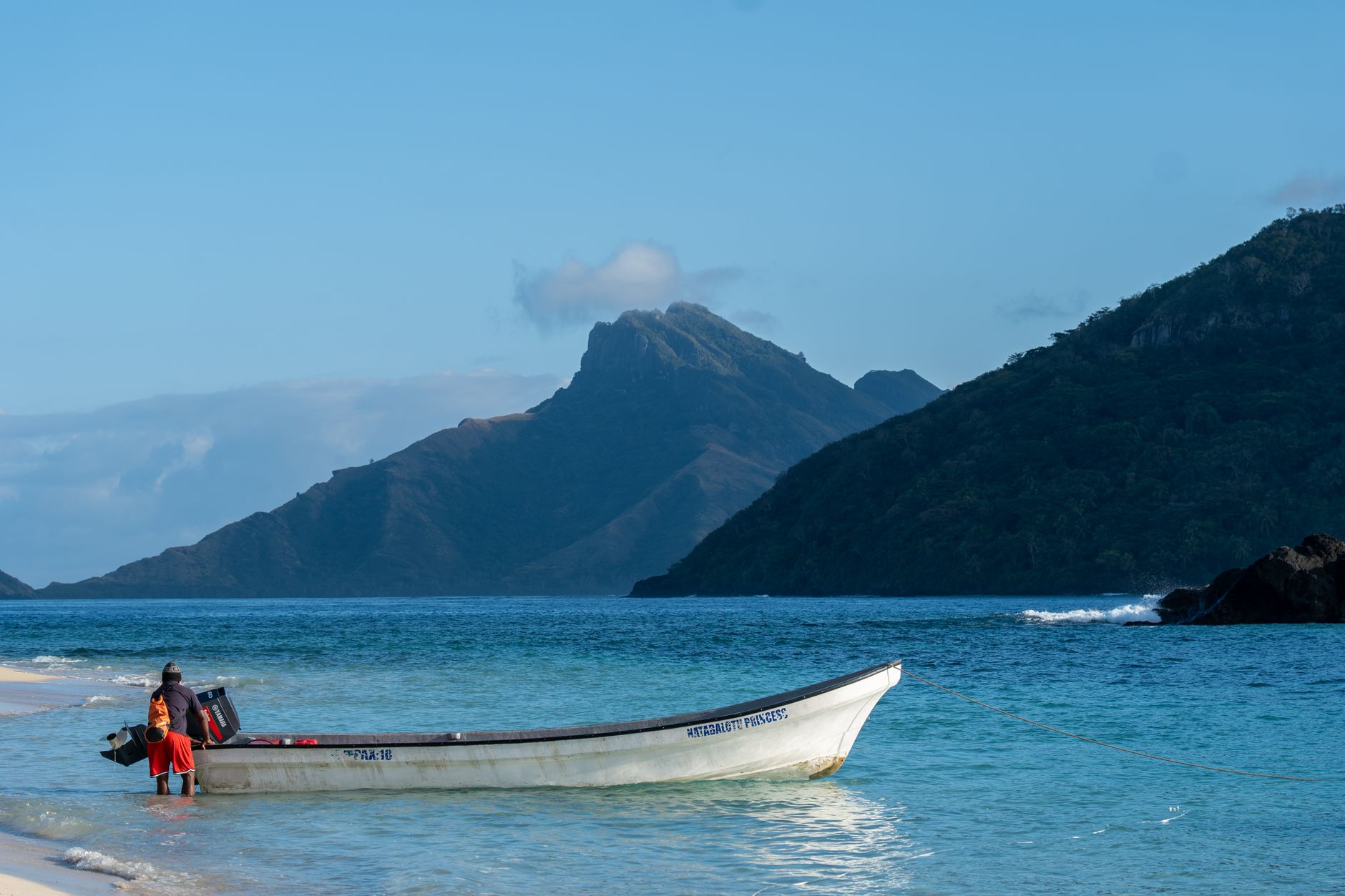

The cheapest way to reach Vanua Levu is to fly from Nadi to Labasa with Fiji Link; a round‑trip ticket sits around FJD 250 if you book three weeks ahead. The flight is 45 minutes, the plane is tiny, and you’ll be greeted by a pilot who chats about the weather while the wheels kiss the tarmac.
If you prefer a scenic route, the ferry from Suva to Savusavu runs twice a week and costs roughly FJD 120 one way. The boat leaves at 7 am, arrives after a 7‑hour ride, and the seats are hard, but the ocean view is worth the wobble.
Once on the island, renting a car is the most flexible option; a compact sedan with basic insurance is about FJD 55 per day, fuel is priced at FJD 1.80 per litre, and you’ll need a valid international driver’s licence.
Public buses, called “busos,” run between Labaca, Bua, and Savusavu on a schedule that changes with the tide. A single ride costs FJD 3 and you’ll share the bench with locals selling fresh bananas.
For the adventurous, hiring a scooter in Savusavu costs about FJD 20 per day, but the roads are narrow and rain can turn them into slick ribbons. I kept a rain poncho in the bag because the afternoon downpour arrived without warning.
Tip: Keep some small change in FJD 5 notes; many small shops and market stalls don’t accept cards, and the drivers will ask for exact fare.
- Labasa flight: ~FJD 250 round‑trip, 45 min.
- Suva‑Savusavu ferry: FJD 120, departs 7 am, 7 hr ride.
- Car rental: FJD 55/day, insurance extra.
- Scooter hire: FJD 20/day, watch for rain.
- Bus fare: FJD 3, schedule varies.
Where to Stay: From Budget to Eco‑Luxe
My first night was at a family‑run guesthouse in Labasa called The Coconut Hut; a twin room with a fan cost FJD 45, and the owners served tea with fresh ginger that tasted like home.
Mid‑range travelers might like the Savusavu Beach Resort, where a sea‑view bungalow goes for FJD 130 per night, breakfast included, and the pool is shaded by a single palm that creaks in the wind.
If you can stretch the budget, the eco‑lodge on Taveuni, Rainforest Retreat, offers a bamboo cabin for FJD 210 a night, solar power, and a guided night walk that starts at 8 pm sharp.
Hostels are scarce, but the Qamea Backpackers’ Hut provides a dormitory bunk for FJD 30, and the communal kitchen lets you cook the fish you caught that morning.
Booking ahead is a must during the July-August peak season; rooms fill up within days, and the only way to secure a spot is through the property’s Facebook page or a quick email.
Don’t forget to ask about laundry services; many places charge FJD 5 per shirt, and the machines are old but get the job done.
- The Coconut Hut: FJD 45/night, fan, family‑run.
- Savusavu Beach Resort: FJD 130/night, sea view, breakfast.
- Rainforest Retreat (Taveuni): FJD 210/night, bamboo cabin, solar.
- Qamea Backpackers’ Hut: FJD 30/dorm bunk, communal kitchen.
- Laundry: ~FJD 5 per item, on‑site machines.
Diving and Snorkeling Hotspots
The dive shop in Savusavu, Blue Reef Divers, offers a two‑tank introductory dive for FJD 120, and the crew insists you try the reef at Coral Bay where the water stays at 27 °C even at night.
I booked a morning snorkel at the Great White Wall on Taveuni; the entry fee is FJD 25, and the wall is covered in soft coral that looks like a living carpet.
Equipment rentals are cheap: a full set of mask, snorkel, and fins costs FJD 15 per day, but the straps wear out fast, so bring your own if you can.
For the more experienced, the wreck of the SS Kumaru off the coast of Qamea is a drift dive that requires a local guide and a permit costing FJD 40.
Visibility can drop to under 5 metres after a rainstorm, so I always checked the local radio for the latest sea conditions before heading out.
Don’t forget reef‑safe sunscreen; the usual lotions leave a film that chokes the corals, and the shops on Vanua Levu sell a $5 bottle that works fine.
- Intro dive (Savusavu): FJD 120, 2 tanks.
- Great White Wall snorkel (Taveuni): FJD 25 entry.
- Gear rental: FJD 15/day for full set.
- SS Kumaru wreck permit: FJD 40, local guide required.
- Reef‑safe sunscreen: $5 bottle, essential.
Land Adventures: Trails, Waterfalls, and Culture
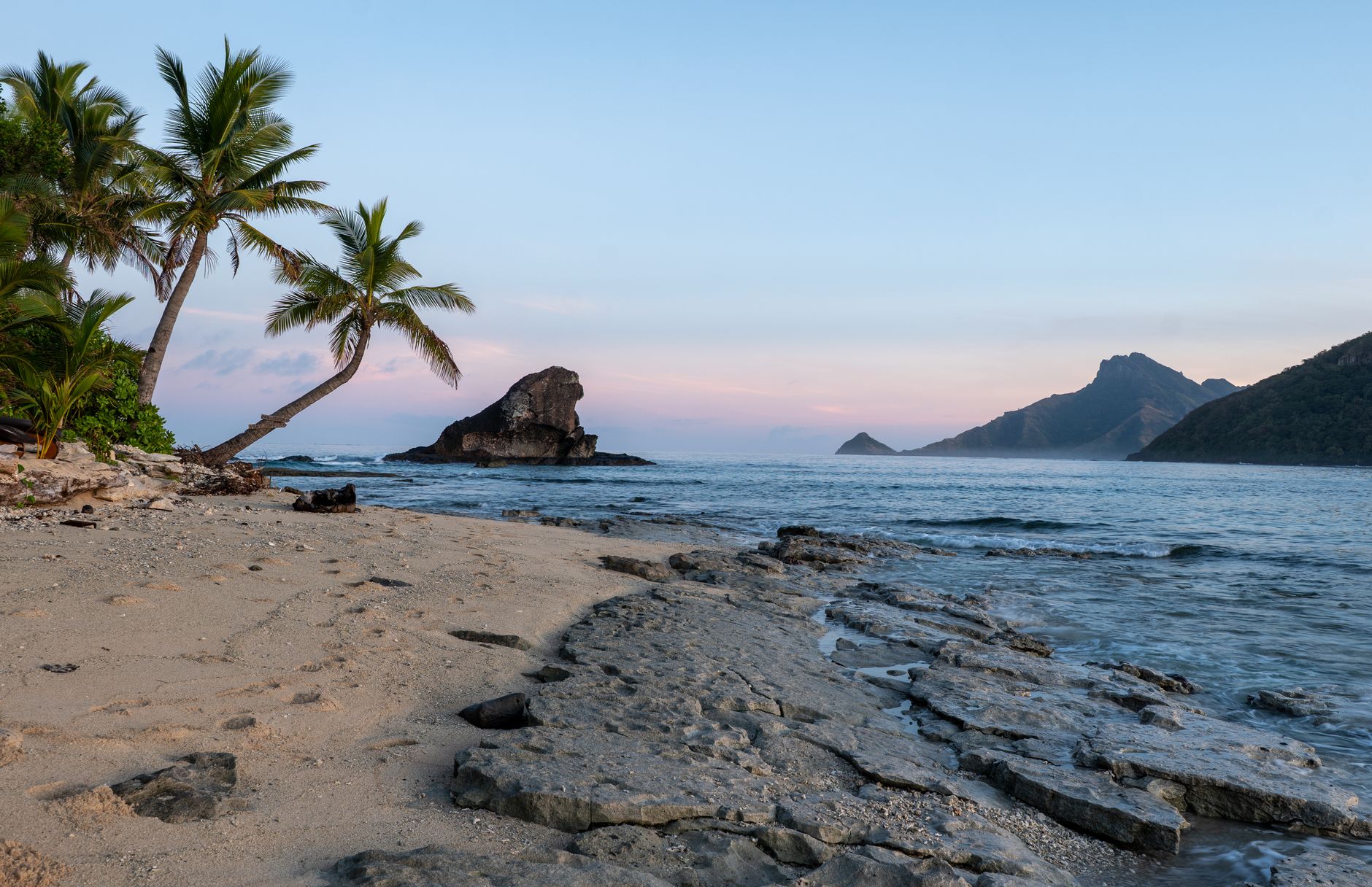
One of my favorite hikes was to the Labasa Waterfall; the trail is a 3‑km return trek, takes about two hours, and the entrance fee is a modest FJD 5.
The path is marked by wooden signs that are sometimes missing, so I carried a downloaded GPS track on my phone as a backup.
On Taveuni, the Rainbow Reef Walk leads you through a coffee plantation and ends at a viewpoint where the sea sparkles in a dozen shades.
Guided tours to the local village of Navala cost around FJD 70 per person and include a traditional kava ceremony that can leave you feeling slightly dizzy.
For a more rugged experience, I hired a 4×4 in Savusavu for FJD 90 a day and drove to the remote beach of Galoa, where the sand is white enough to blind you if you stare too long.
Remember to bring plenty of water; the island’s tap water is safe in towns but can taste metallic in the highlands, so I stocked up on large 2‑litre bottles before heading out.
- Labasa Waterfall hike: 3 km, ~2 hrs, FJD 5 fee.
- GPS backup recommended, signs sparse.
- Rainbow Reef Walk (Taveuni): plantation trail, scenic view.
- Navala village tour: FJD 70, includes kava.
- 4×4 hire (Savusavu): FJD 90/day, Galoa beach.
Food and Drink: What to Eat, Where to Find It
Breakfast in Labasa usually means a bowl of fresh papaya, a slice of banana bread from the bakery, and a strong cup of coffee that costs FJD 3.
For lunch, the roadside stall in Savusavu sells grilled mahi‑mahi with a side of taro chips for FJD 12, and the fish is caught that morning.
Dinner at the Taveuni resort’s restaurant is a bit pricier; a plate of coconut curry chicken with rice runs about FJD 25, and the portion is enough for two.
If you’re on a budget, the Qamea market on Saturday offers fresh fruit and homemade sambousas for as little as FJD 2 each.
Alcohol is cheap: a local beer (Bula) costs FJD 4 in most bars, but the islands have a dry law after 10 pm, so plan your night accordingly.
Don’t miss the kava bar in Labasa; the drink is served in a coconut shell, the taste is earthy, and the price is usually a donation of FJD 5.
- Breakfast coffee: FJD 3, papaya bowl.
- Grilled mahi‑mahi lunch (Savusavu): FJD 12.
- Coconut curry dinner (