




Best Things to Do in Tonga: Beaches, Islands, Caves & Whale Watching
When I stepped off the small propeller plane at Fuaʻamotu, the air smelled of sea salt and fresh-cut grass. The island nation of Tonga felt quiet, almost like a secret that only a few travelers have stumbled upon. I spent three weeks hopping between islands, diving into hidden caves, and watching humpback whales breach at night, and I’m still writing down the details.
Getting There and Getting Around
Most flights land at the international airport near Nukuʻalofa, the capital on Tongatapu. Air New Zealand and Fiji Airways run twice‑weekly services from Auckland; tickets hover around US$600-$800 in high season.
From the airport, a shared taxi will take you to the city centre for about T$30 (roughly US$13). The ride is short, but the driver will chat about the best fish market stalls, a good way to gauge the vibe.
If you plan to island‑hop, rent a scooter in Nukuʻalofa for T$150 a day. It’s cheap, easy to park, and you can zip to the ferry terminal without hassle.
The inter‑island ferry runs Monday, Wednesday and Friday from the main pier. Seats are unreserved, but a T$70 ticket gets you a seat and a small snack on board. The trip to Haʻapai takes about four hours, and the crew will hand you a fresh banana as you disembark.
For remote islands like Vavaʻu, I booked a small charter plane through a local travel agency. The price was T$2,200 round‑trip, but the pilot greeted us with a warm “Malo e lelei” and a quick safety briefing that felt more personal than any airline.
- International flight: US$600-$800 round‑trip from Auckland.
- Scooter rental: T$150 per day, helmet included.
- Ferry ticket: T$70 one‑way, departs M/W/F.
- Charter to Vavaʻu: T$2,200 round‑trip, book 2 weeks ahead.
Beaches & Island Hopping
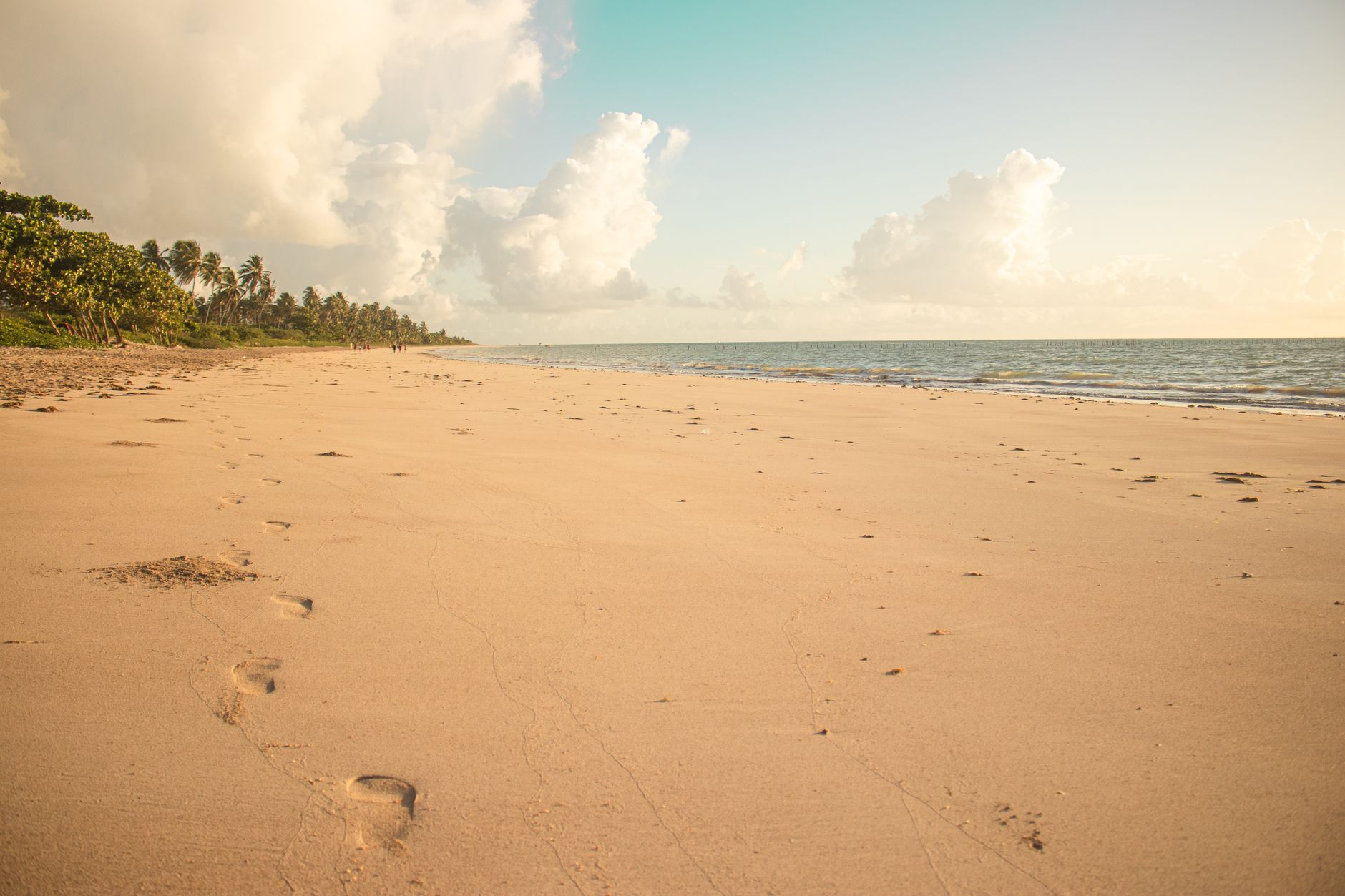
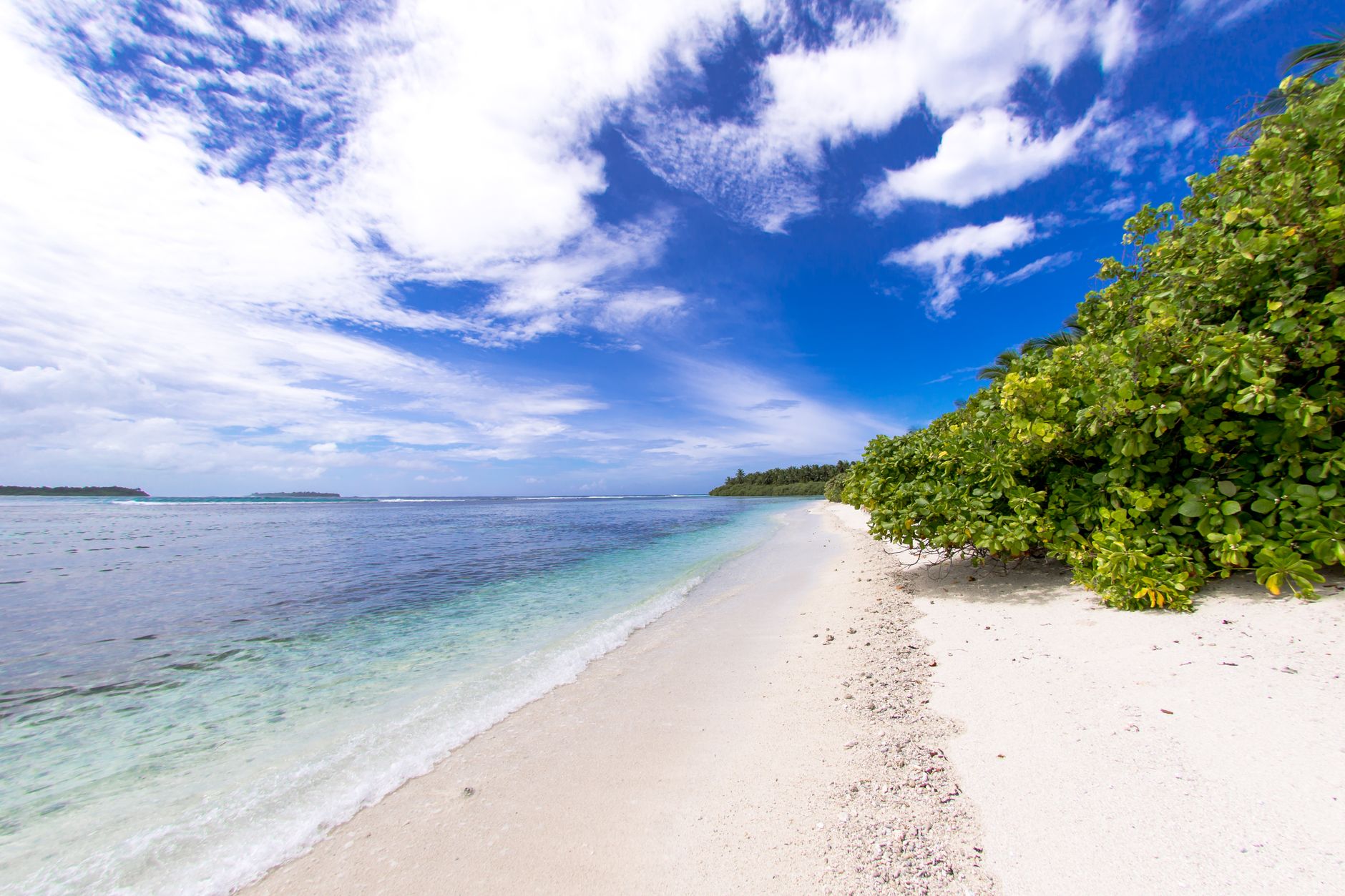
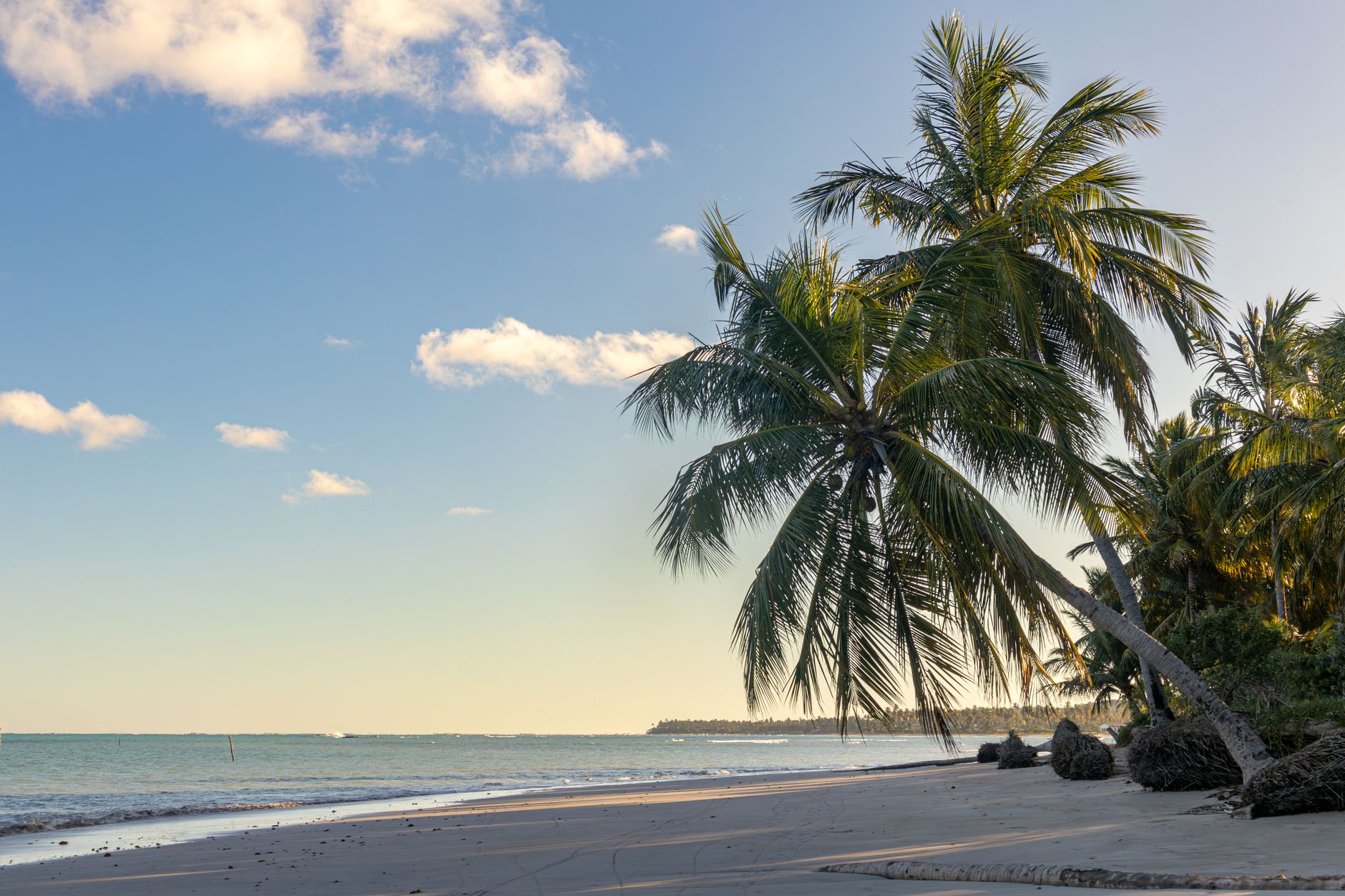
On Tongatapu, the most accessible beach is ‘Eua Beach, a stretch of white sand backed by palm trees. I arrived at low tide, and the water was calm enough to wade out with my sandals still on.
From there, I caught an early morning boat to ‘Eua Island. The ride was bumpy, but the island’s rugged coastline made up for it. The highlight was a secluded cove called ‘Matafonua, where the reef was teeming with parrotfish.
In Haʻapai, the island of Lifuka offers a beach called Hihifo Bay. It’s a favorite spot for locals who set up beach grills at sunset. I bought a plate of grilled fish for T$15 and watched the sky turn orange.
For a day trip, I joined a local guide to the uninhabited island of Foa. We snorkeled around a coral wall that dropped down 30 metres; the visibility was around 20 feet, perfect for spotting giant clams.
Vavaʻu’s most famous beach is ‘Ulukalala Bay. The water is crystal clear, and the sand feels like powdered sugar under your feet. I rented a paddleboard for T$120 and spent an hour gliding across the lagoon.
- ‘Eua Beach: free entry, best at low tide.
- ‘Matafonua cove: bring reef‑safe sunscreen.
- Hihifo Bay: try the grilled fish, T$15.
- Foa Island snorkel: bring your own mask, visibility 20 ft.
- ‘Ulukalala Bay paddleboard: T$120 per day.
Caves, Culture & Hidden Gems
‘Eua Island is famous for its limestone caves. I booked a half‑day tour that cost T$250, which included a guide, lunch, and a small torch. The main attraction was the ‘Mala‘e ‘Ulu cave, where stalactites dripped into a shallow pool.
The guide warned us not to touch the formations, the limestone is fragile, and the water is home to tiny shrimp that glow at night. We spent about 20 minutes inside, and the echo of our footsteps felt like a secret conversation.
Back on Tongatapu, the Royal Palace in Nukuʻalofa offers a glimpse into Tongan royalty. Admission is free, but you need to show a passport for security. I visited on a Saturday when the flag ceremony took place; the band played a short march that made the whole square feel ceremonial.
One off‑the‑beaten‑path spot is the ancient burial mound at Lapaha. It’s a short walk from the main road, and the locals said the site dates back to the 13th century. I left a small offering of flowers, as is customary.
If you have time, head to the island of ‘Ata. The boat ride is long, about eight hours, but the isolation is worth it. There’s a small freshwater spring that feeds a tiny lagoon, perfect for a quiet swim.
- ‘Mala‘e ‘Ulu cave tour: T$250, includes guide and lunch.
- Bring a waterproof torch for cave exploration.
- Royal Palace: free, passport needed for entry.
- Lapaha burial mound: respect local customs, no photography.
- ‘Ata island trip: eight‑hour boat, pack extra water.
Whale Watching, The Seasonal Spectacle
From July to October, humpback whales migrate through Tonga’s waters. I booked a night‑time boat from Haʻapai for T$350 per person; the crew promised a “close‑up” experience, and they delivered.
The boat left at 6 p.m., and we spent about three hours out on the water. The captain used a low‑frequency sonar to locate the whales, then turned off the engine to let us listen to their songs.
We saw a mother and calf breach together, a moment that felt like a private performance. The guide handed out waterproof binoculars, which made the details of the flukes crystal clear.
If you prefer daylight, there are morning tours from Vavaʻu that cost a little less, around T$300. The sea is calmer, but the whales are less active, so you might just see a spout of water.
Remember to bring a light jacket; the night can get surprisingly cool, even in the tropics. Also, a reusable water bottle is a must, the crew provides fresh water, but it’s a good habit to stay hydrated.
- Night whale tour (Haʻapai): T$350, includes gear.
- Best months: July-October.
- Morning tour (Vavaʻu): T$300, calmer seas.
- Bring a light jacket for night trips.
- Use reef‑safe sunscreen, whales are sensitive.
Practical Tips, Packing & Money Matters
The local currency is the Tongan paʻanga (TOP). ATMs are scarce outside Nukuʻalofa, so I withdrew T$5,000 on the first day. Credit cards work at most hotels, but small eateries prefer cash.
Internet can be spotty on the outer islands. I bought a local SIM card for T$30; it gave me 5 GB of data for two weeks, enough for navigation and a few photos.
Pack light, breathable clothing, but also a long‑sleeved shirt for evenings and for protection against mosquitoes. I found a small pack of mosquito repellent (DEET 20 %) for T$8 at a market stall.
Snorkel gear is cheap to rent, about T$50 per set per day, but I brought my own mask because it fits better. The reef is delicate, so always rinse your gear with fresh water before heading back to the boat.
Finally, respect local customs. When you’re invited into a village, remove your shoes at the entrance and accept any offered food with both hands. The people are proud of their heritage, and a little courtesy goes a long way.
- Withdraw TOP cash in Nukuʻalofa; ATMs rare elsewhere.
- Local SIM: T$30 for 5 GB, two weeks.
- Mosquito repellent: T$8, DEET 20 %.
- Snorkel rental: T$50 per day, bring your own mask if possible.
- Dress modestly in villages, remove shoes at entrances.
Traveling through Tonga feels like moving through a living postcard, the beaches are real, the whales are real, and the people are real. With a bit of planning, you can see the highlights without feeling rushed, and you’ll leave with stories that feel personal, not generic.