




Best Time to Visit Tonga for Whale Watching, Diving & Island Adventures
My first glimpse of Tonga was from the small prop plane that rattled over the Ha’apai islands, the turquoise water below looking like a giant aquarium. I landed in Nuku—alofa on a humid afternoon, the scent of frangipani already mixing with diesel from the taxi that would take me to my guesthouse.
If you are thinking about a trip that mixes humpback whales, coral reefs, and a handful of unspoiled beaches, you need a calendar, not just a vague “summer” plan. The islands follow a tropical rhythm, but the marine life and weather shift in ways that can make or break your experience.
When to Go for Whale Watching

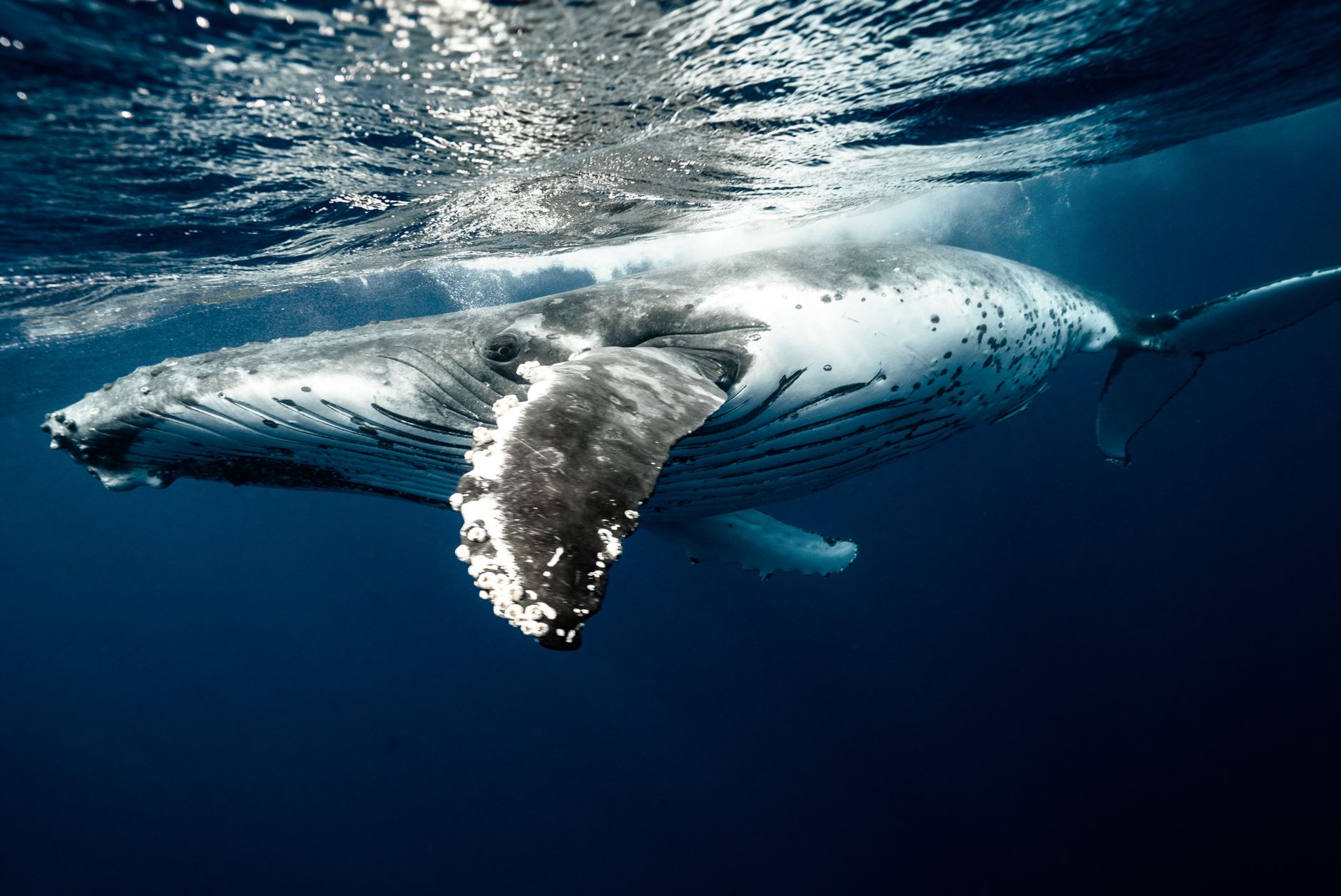
The humpback season runs from late July to early November, with the peak sightings in August and September. During this window the whales use the warm lagoon of Vava’u to give birth and nurse their calves, so you’ll see mothers and babies close to the surface.
We booked a local boat in Pangai on a rainy morning in early August; the crew handed us rain jackets and a thermos of strong coffee before pulling away. The sky cleared just as we reached the feeding grounds, and a massive fluke broke the water beside the hull.
One thing to watch out for is the occasional “off‑season” surge when a pod decides to linger longer, usually after a big storm pushes them north. Those moments are rare, but if you’re flexible you might catch a late‑November show without the crowds.
Booking a tour in advance is wise, especially if you want a guide who can point out the subtle signs of a calf’s presence. The best tours cost around 150 Tongan pa—about $70 US—and include a short snorkel in the lagoon after the whale sighting.
- Peak months: August and September.
- Average whale‑watching tour price: 150 Tongan pa.
- Bring a waterproof jacket; rain is common.
- Early morning departures give the calmest sea.
- Late‑season sightings possible in early November.
Diving Conditions and Hot Spots
Diving is at its best from May to October when the water temperature sits around 26 °C and visibility often exceeds 30 meters. The trade winds are steady, keeping the surface relatively flat and the currents manageable for both shore dives and boat dives.
One of my favorite sites was ‘Eua’s ‘Afu‘afou, a wall that drops into a blue abyss and is teeming with schooling snappers. The dive shop in Pangai charged 120 TND for a two‑tank dive, gear included, and they provided a fresh‑water rinse for the mask after each outing.
If you’re a night‑dive enthusiast, the full moon in September creates a natural spotlight for bioluminescent plankton near the reefs of Tongatapu. I booked a night dive through a local operator; they handed us a small headlamp and a wetsuit that was a shade too big, but the glow of the plankton made up for the snugness.
Beware of the occasional “swell” in late November when swells from the Southern Ocean can reach two meters, making boat launches tricky. Most dive shops will cancel if the sea state exceeds four on the Beaufort scale, so keep a buffer day in your itinerary.
- Diving season: May to October.
- Typical two‑tank dive cost: 120 TND.
- Best visibility: 30 meters plus.
- Night dives peak during full moons in September.
- Check sea state; tours may cancel if too rough.
Island Adventures and Weather Patterns
The main island group, Ha’apai, is a compact chain that you can hop between by ferry or a short charter flight. The inter‑island ferry runs twice a week, costs about 30 TND, and departs early in the morning from Nuku—alofa.
We spent a rainy day on ‘Eua exploring the inland rainforest trail that leads to a hidden waterfall. The trail is unmarked, but a local guide met us at the trailhead with a machete to clear the path; the effort was rewarded by a crystal pool perfect for a quick dip.
Sunshine is most reliable from June to September; the “dry season” still sees occasional showers, but they are brief and usually in the late afternoon. Pack a lightweight rain poncho; I learned that the cheap ones from the market dry in minutes and saved my camera from a sudden downpour.
For surf lovers, the north‑west side of Tongatapu picks up consistent swells from April to June. I rented a board for 40 TND a day and caught a decent ride at the break near the village of ‘Ohonua, though the reef can be sharp, so a good boot is essential.
- Ferry between main islands: 30 TND, twice weekly.
- Best dry months: June to September.
- Rain poncho recommended; cheap ones dry fast.
- Surf season: April to June on north‑west coasts.
- Hidden waterfall hike on ‘Eua requires a guide.
Getting There and Getting Around
International flights land at Fua—amotu International Airport, usually via Auckland or Sydney. A round‑trip ticket from Auckland costs about 650 NZD in June, and the airline offers a small baggage allowance of 20 kg, which is enough for a week’s worth of gear.
From the airport, a shared taxi to the city center costs roughly 15 TND per person and takes ten minutes. The driver will often offer a quick tour of the capital’s market, where you can sample fresh taro chips for a few pa—perfect for a snack before heading to your accommodation.
Renting a car is the easiest way to explore Tongatapu at your own pace; a compact sedan runs about 120 TND per day, insurance included. The roads are paved but narrow, and you’ll need to be comfortable driving on the left side.
If you prefer a slower pace, the island’s public “bus” system is actually a network of minivans that depart when they’re full. The fare to the southern village of Hihifo is 10 TND, and you’ll get a glimpse of daily life as locals chat in Tongan and English.
- International flight via Auckland or Sydney; ~650 NZD round‑trip.
- Airport taxi: 15 TND, ten‑minute ride.
- Car rental: 120 TND per day, left‑hand drive.
- Minivan “bus”: 10 TND for longer intra‑island trips.
- Ferry to outer islands: 30 TND, twice a week.
Where to Stay and Eat
Accommodation ranges from budget guesthouses at 50 TND per night to boutique resorts that charge up to 350 TND. We stayed at a family‑run B&B in Kolomotu’a; the room had a ceiling fan, a mosquito net, and a view of the harbor.
The breakfast was a plate of boiled taro, fresh fruit, and a cup of locally brewed coffee that tasted surprisingly robust. For dinner, we tried a kava‑infused fish stew at a seaside shack; the fish was caught that morning and the stew cost only 20 TND.
If you’re on a tighter budget, the “hostel” style dorms in Nuku—alofa offer bunk beds for 30 TND and include a communal kitchen. I cooked a simple noodle soup using a packet of instant ramen and a handful of local vegetables; it was enough to keep me energized for a sunrise whale‑watch.
For a splurge, the beachfront resort on ‘Eua provides a private beach, a dive center on site, and a nightly cultural show. The all‑inclusive package runs about 500 TND per night, but the convenience of having gear, meals, and transport bundled together can be worth the extra cost.
- Budget B&B: ~50 TND per night, family run.
- Hostel dorms: 30 TND, shared kitchen.
- Mid‑range resort: 200 TND, includes breakfast.
- Luxury beachfront resort: 500 TND, all‑inclusive.
- Local meals: 15‑20 TND for a hearty plate.
Budget, Packing, and Practical Tips
Overall, a two‑week trip can be done for around 2,500 TND per person if you stay in guesthouses, eat street food, and use public transport. That figure includes flights, accommodation, meals, and a few tours, but it assumes you’re comfortable with basic facilities.
Pack light, breathable clothing, a sturdy pair of water shoes, and a reef‑safe sunscreen (the government discourages oxybenzone). I brought a small dry‑bag for my dive gear; the humidity in the guesthouse made everything else feel damp.
Cash is king; while a few ATMs in Nuku—alofa dispense Tongan pa, they often charge a 5 % surcharge. I kept a reserve of 200 TND in small notes for tips and market purchases, and used a prepaid Visa for larger expenses.