




Best Things to Do in Vanuatu: Volcanoes, Blue Holes, Beaches & Adventure
When my flight touched down on Port Vila after a 12‑hour layover, the humidity hit me like a warm hand. I was ready for volcano ash, turquoise holes and the kind of beaches that make you forget you ever booked a hotel.
Getting There and Staying Connected
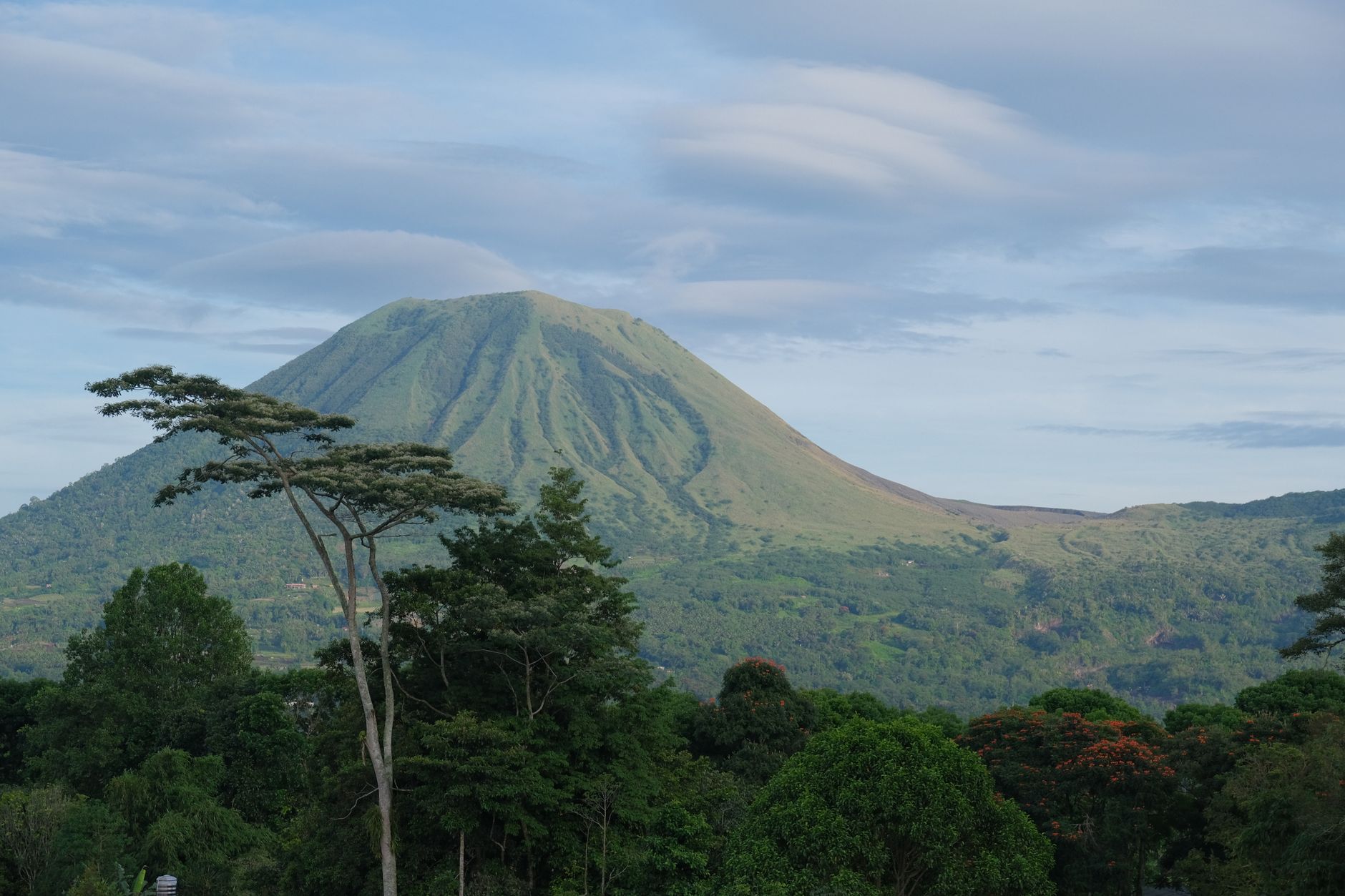
The main gateway is Bauerfield International Airport; most airlines land early in the morning, giving you a full day to explore. A short taxi ride into town costs about 2,000 VUV (around US$20) and takes 10 minutes.
Wi‑Fi in Port Vila’s cafés is spotty, so I bought a local SIM from Digicel for 3,500 VUV (US$35) and 5 GB of data, which lasted the whole week.
- Cash is king: bring at least 10,000 VUV for small purchases.
- ATMs dispense in 5,000 VUV notes; keep change for bus fares.
- Public buses run every hour from the airport to downtown; ticket is 150 VUV.
- Renting a car with a driver costs roughly 150 USD per day, including fuel.
- Pack a universal plug adapter; Vanuatu uses type I sockets.
Volcanic Adventures: Mount Yasur and Hidden Craters
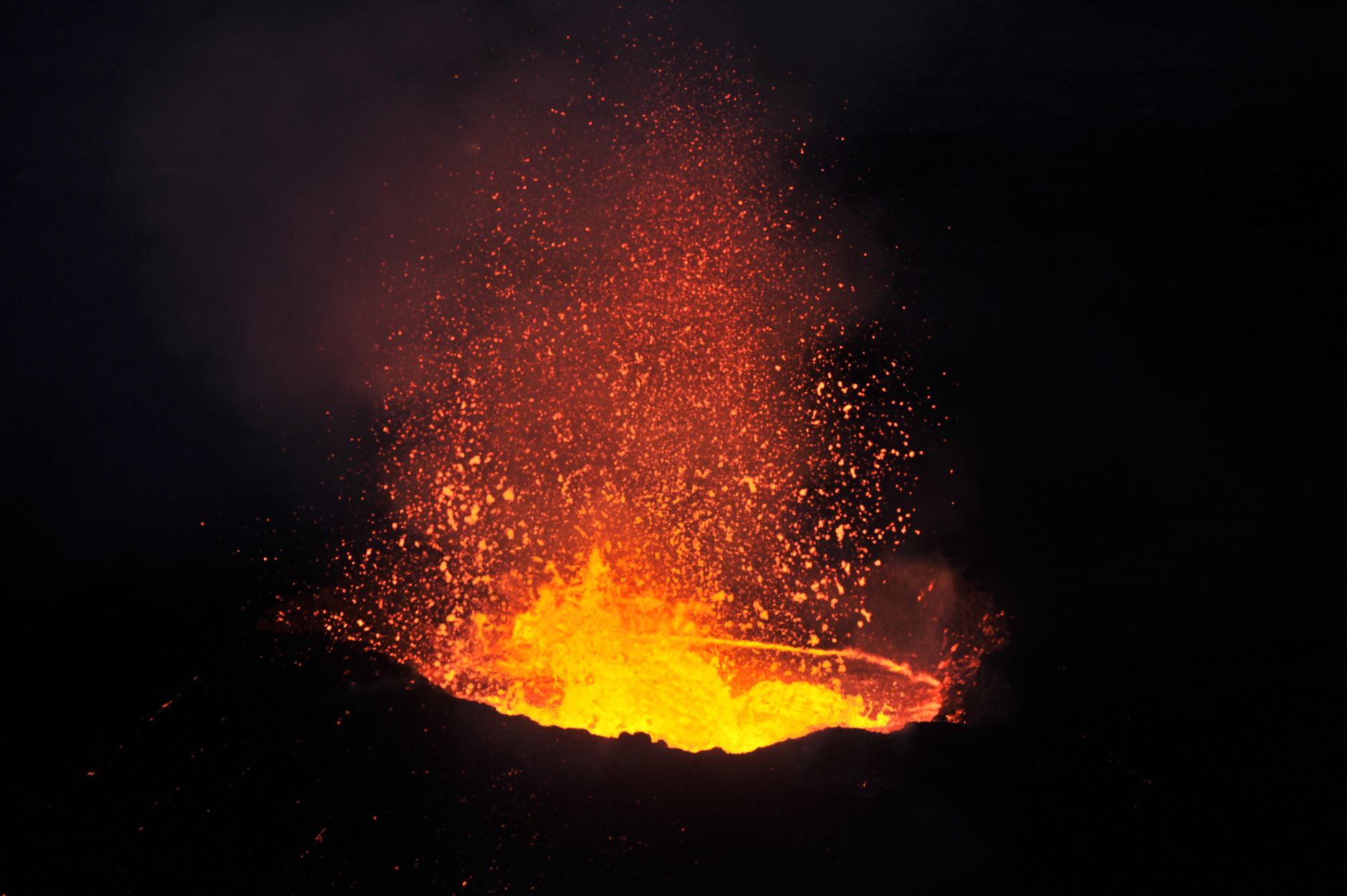
Mount Yasur on Tanna Island is the easiest active volcano to visit; flights from Port Vila land at 7 am, and the guide meets you at the small airstrip.
The trek to the crater rim is a steep 2‑kilometre walk that takes about 45 minutes; bring a sturdy pair of hiking shoes and a rain jacket.
Nighttime eruptions are the highlight, you can hear the rumble and see orange lava fountains against a starry sky.
- Entry fee: 2,500 VUV (≈US$25) per person.
- Guided night tour costs an extra 5,000 VUV.
- Bring a flashlight with red filter to protect night vision.
- Altitude is only 360 m; no acclimatization needed.
- Respect the “no‑photo” zone near the lava vent.
For something off the tourist radar, head to the crater lake on Gaua Island; a 4‑hour boat ride followed by a 3‑hour hike brings you to a mirror‑smooth water body.
There’s no signage, so a local guide is essential, they charge about 80 USD for the day, which includes lunch and transport.
- Pack a water‑proof backpack; rain is common.
- Lake temperature stays around 15 °C; a thin wetsuit helps.
- No cell service; download maps beforehand.
- Leave no trace, the area is a protected reserve.
- Best visited in the dry season (May-Oct).
Blue Holes: Swimming in Natural Pools
On the island of Espiritu Santo, the Blue Hole at Luganville is a 10‑meter‑deep sinkhole framed by limestone cliffs.
I arrived at 9 am, rented a snorkel set for 1,500 VUV, and jumped in; the water is a vivid turquoise that seems unreal.
There’s a small fee to protect the site, and a local caretaker watches over swimmers, offering tips on where the currents are strongest.
- Entry fee: 1,000 VUV (≈US$10).
- Snorkel gear rental: 1,500 VUV per set.
- Peak visiting time: early morning, before the sun heats the water.
- Bring reef‑safe sunscreen; chemicals damage the delicate ecosystem.
- Depth gauge available; stay above 8 m if you’re not a strong swimmer.
Further north, the Blue Hole at Hideaway Island is smaller but surrounded by coral that bursts with colour during a tide change.
Guided snorkeling tours leave from Port Vila at 10 am, cost 70 USD per person, and include a brief safety briefing.
- Tour includes transport, gear, and a light lunch.
- Best visibility: mid‑morning when the sun is high.
- Watch out for jellyfish; most tours provide a protective rash guard.
- Bring a waterproof camera; the underwater scenery is worth it.
- Tour groups are limited to eight people for safety.
Beaches and Island Hopping
Champagne Beach on Espiritu Santo lives up to its name; the sand feels like powdered sugar and the water is calm enough for paddle‑boarding.
I rented a paddle board for 2,500 VUV and spent an hour gliding past a family of sea turtles nesting on the shore.
- Board rental: 2,500 VUV per hour.
- Parking fee: 500 VUV for the day.
- Bring a hat; shade is limited.
- Best time: early afternoon when the tide is high.
- Sea turtles nest between November and March.
For a more secluded vibe, hop on a local boat to the small island of Pele Island; the ride takes 45 minutes and costs about 30 USD per person.
There’s no accommodation, but you can spend the day snorkeling over coral reefs that host over 200 fish species.
- Boat departure: 8 am from Port Vila harbor.
- Snack pack included; bring extra water.
- Snorkel gear is optional; many bring their own.
- Return by 4 pm to avoid rough seas.
- Cash only for the boat fee.
Cultural Experiences and Night Markets

Port Vila’s night market is a sensory overload: grilled fish, handmade mats, and a chorus of languages blending together.
I tried a local dish called “lap lap”, a banana‑leaf wrapped mash of grated yam, coconut milk and pork, for 500 VUV.
- Market runs Thursday to Saturday, 6 pm-10 pm.
- Bring small bills; vendors rarely have change.
- Watch out for pickpockets in the crowded area.
- Try the kava drink; it’s a mild sedative.
- Negotiating price is expected; start at half the listed cost.
On Tanna, the cultural village of Mele offers a day‑long immersion: you learn traditional sand drawing, watch a dance performance, and share a feast of fresh seafood.
The experience costs 60 USD per person and includes transport from the nearest town.
- Dress modestly; skirts or long shorts are preferred.
- Bring a reusable water bottle; refill stations are limited.
- Photography is allowed, but ask before snapping portraits.
- Expect a 2‑hour travel time each way.
- Meals are cooked on an open fire; expect a smoky aroma.
Outdoor Thrills: Zip‑line, Canyoning, and Reef Surfing
For adrenaline, head to the zip‑line park near Mele Bay; the 1,200‑metre line stretches over jungle canopy and drops you 150 metres down to the beach.
The whole package, safety gear, guide, and a photo of your mid‑air pose, costs 85 USD.
- Age limit: 12 years and older.
- Weight limit: 120 kg.
- Arrive 30 minutes early for briefing.
- Bring a change of clothes; you’ll get wet.
- Cancellation policy: full refund if cancelled 24 hours prior.
Canyoning on the Sowan River in Efate is a hidden gem; you rappel down waterfalls and wade through crystal pools.
Guides charge 110 USD per person, which includes gear, lunch, and a waterproof camera for the day.
- Minimum group size: 4 people.
- Bring sturdy sandals with good grip.
- Water temperature: 22 °C; a wetsuit is optional.
- Best months: June to September.
- Check weather forecast; rain can make the canyon dangerous.
If you prefer staying on the surface, the reef break at Port Olry offers gentle waves perfect for beginners.
Board rentals are 2,000 VUV per day, and a local surf school offers a two‑hour lesson for 40 USD.
- Lesson includes board, rash guard, and sunscreen.
- Surf season peaks from November to February.
- Watch out for reef sharks; they are shy but present.
- Surfboards are stored in a shaded rack to avoid sun damage.
- Bring a dry bag for valuables.
Vanuatu may feel remote, but the mix of raw nature and warm locals makes every activity feel personal, not packaged.
Pack a light rain jacket, a reusable water bottle, and an open mind, the islands will reward you with stories you’ll tell for years.