




Best Time to Visit Vanuatu for Beaches, Diving, Hiking & Volcano Adventures
When I first set foot on Port Vila in early June, the air smelled of sea salt and fresh-cut mangoes, and I instantly knew the timing of my trip would shape every activity from sunrise swims to midnight volcano hikes.
Beaches: Sun, Sand and the Sweet Spot
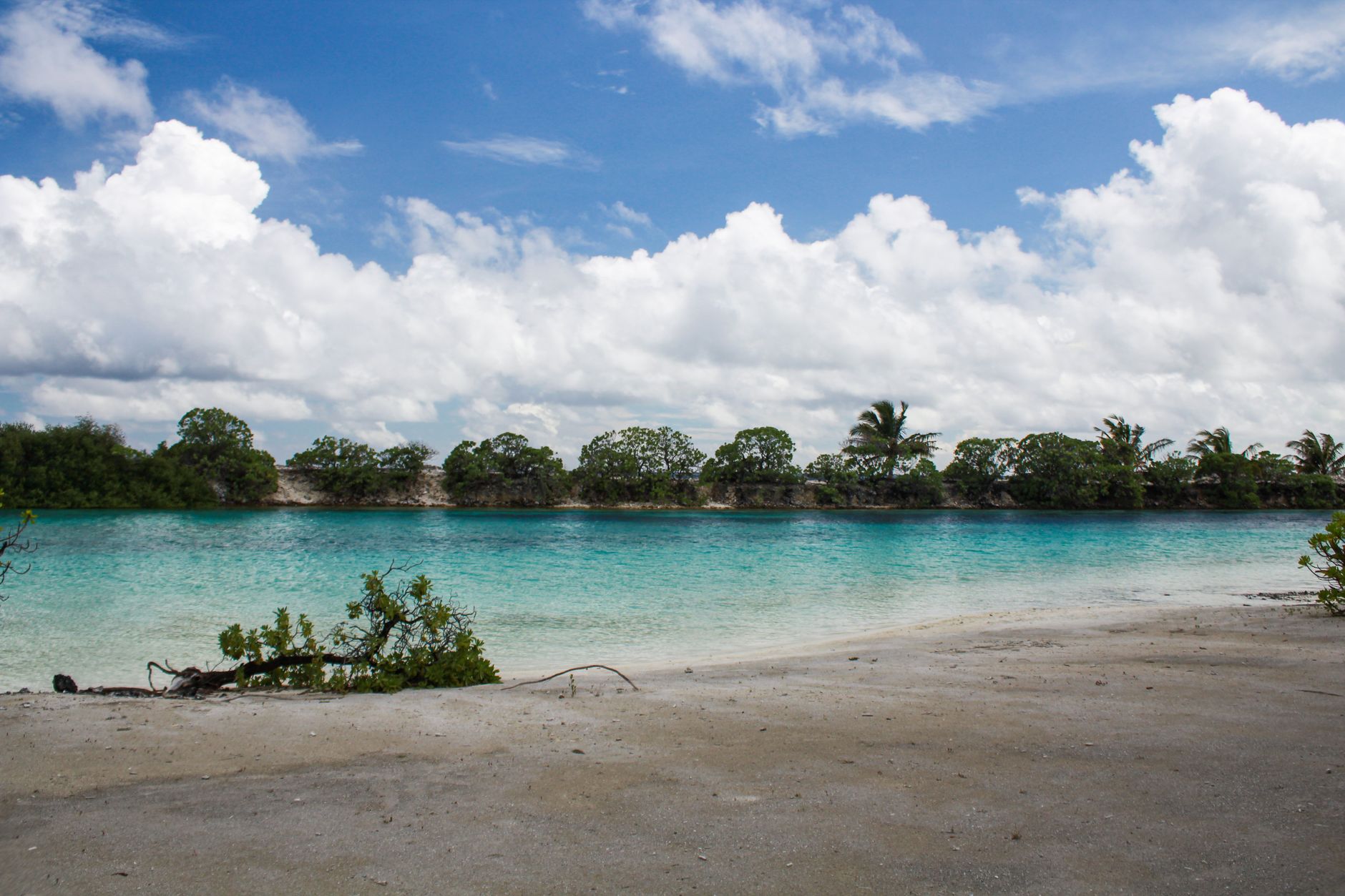
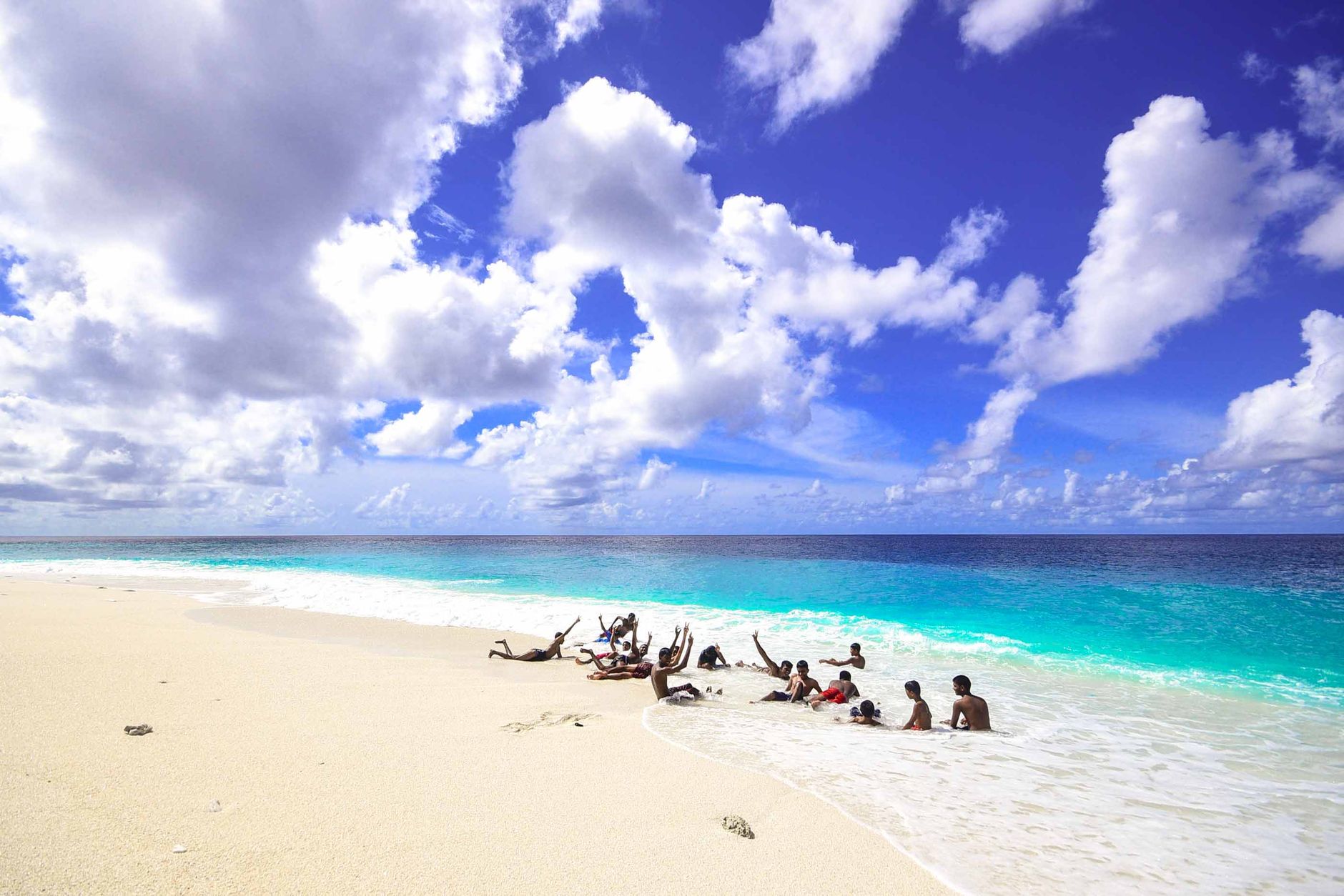
The southern islands, especially Efate’s Mele Bay, reach their peak sun intensity from late November through March. The water is warm enough that a wetsuit feels unnecessary, and the trade winds are light, making it perfect for lounging.
If you prefer quieter shores, head to the western side of Espiritu Santo in April or May. The crowds thin out, the tide is predictable, and you can actually hear the distant hum of fishing boats rather than loud tourist chatter.
During the rainy season, November to February, you’ll still find beach time, but expect sudden showers that pass quickly. A good rule is to carry a compact poncho; it folds into a pocket and saves you from a soggy day.
For families, the resort beaches on Erromango offer shallow lagoons that stay calm even when the ocean is a bit rough elsewhere. The entry fee is about 1500 VUV per person, which includes a beach chair and a small umbrella.
Remember that sunscreen in Vanuatu is pricey, about 2500 VUV for a 100‑ml bottle, so bring your own if you can. The local markets sell reef‑safe options for half the price, and the vendors are happy to refill your bottle.
- Best beach months: late November - March for warmth; April - May for solitude.
- Average sea temperature: 27‑29 °C (81‑84 °F) year‑round.
- Key cost: beach entry 1500 VUV (≈ $15) per adult.
- Pack: reef‑safe sunscreen, compact poncho, water‑proof sandals.
- Tip: Arrive early for sunrise spots; crowds gather after 9 am.
Diving: Underwater Seasons and Gear
The world‑renowned dive sites around the island of Tanna shine brightest from August to October, when the water clarity reaches 30 meters and the currents are gentle enough for beginners.
If you’re chasing the giant manta rays, plan a trip to the wreck of the SS President Hickman in December. The wreck sits at 22 meters depth and attracts schools of barracuda that lead the mantas right to your camera.
Local dive shops charge around 12,000 VUV per two‑day dive package, which includes tank, regulator and a brief safety orientation. For certified divers, a night dive adds another 2000 VUV.
During the cyclone season (January to March) visibility can drop below 10 meters, and some operators suspend trips. I once booked a dive only to be told the boat would leave at 6 am to avoid the afternoon squall.
Bring a dry bag for your camera gear; the humidity is high and even sealed cases can fog up. A simple zip‑lock bag with a silica packet works just as well as an expensive underwater housing.
- Diving high season: August - October for clarity.
- Best manta month: December at SS President Hickman.
- Typical cost: 12,000 VUV (≈ $120) for two‑day package.
- Gear tip: dry bag + silica packets for electronics.
- Note: Check cyclone forecasts; some dives cancel Jan‑Mar.
Hiking: Trails, Timing and Trailheads
The island of Espiritu Santo offers the famous Millennium Cross hike, which is most comfortable from May to early July when the mornings are cool and the trail is dry enough to avoid mud.
For a longer trek, the Mount Tabwemasana summit takes three days and requires a guide. I started the ascent at 5 am to beat the heat; the clouds lift by mid‑morning, revealing a 360‑degree view of the archipelago.
Guides charge roughly 18,000 VUV per day, and you’ll need to bring your own food, canned tuna, rice and a small stove. The villages along the route sometimes offer a hot meal for 2500 VUV, which is a nice break.
Rainfall in the highlands peaks in February, turning the paths into slippery streams. I slipped on a mossy rock and scraped my knee; a simple Band‑Aid and a clean water bottle saved the day.
Footwear matters: sturdy hiking boots with good ankle support are essential. I used a pair I bought in Port Vila for 9000 VUV; they were a bit stiff at first but held up through the rugged terrain.
- Prime hiking months: May - July for dry trails.
- Guide fee: 18,000 VUV per day (≈ $180).
- Food: pack canned tuna, rice; village meals 2500 VUV.
- Gear: ankle‑support boots, Band‑Aid, dry socks.
- Safety: start early to avoid midday heat.
Volcano Adventures: Timing the Eruptions
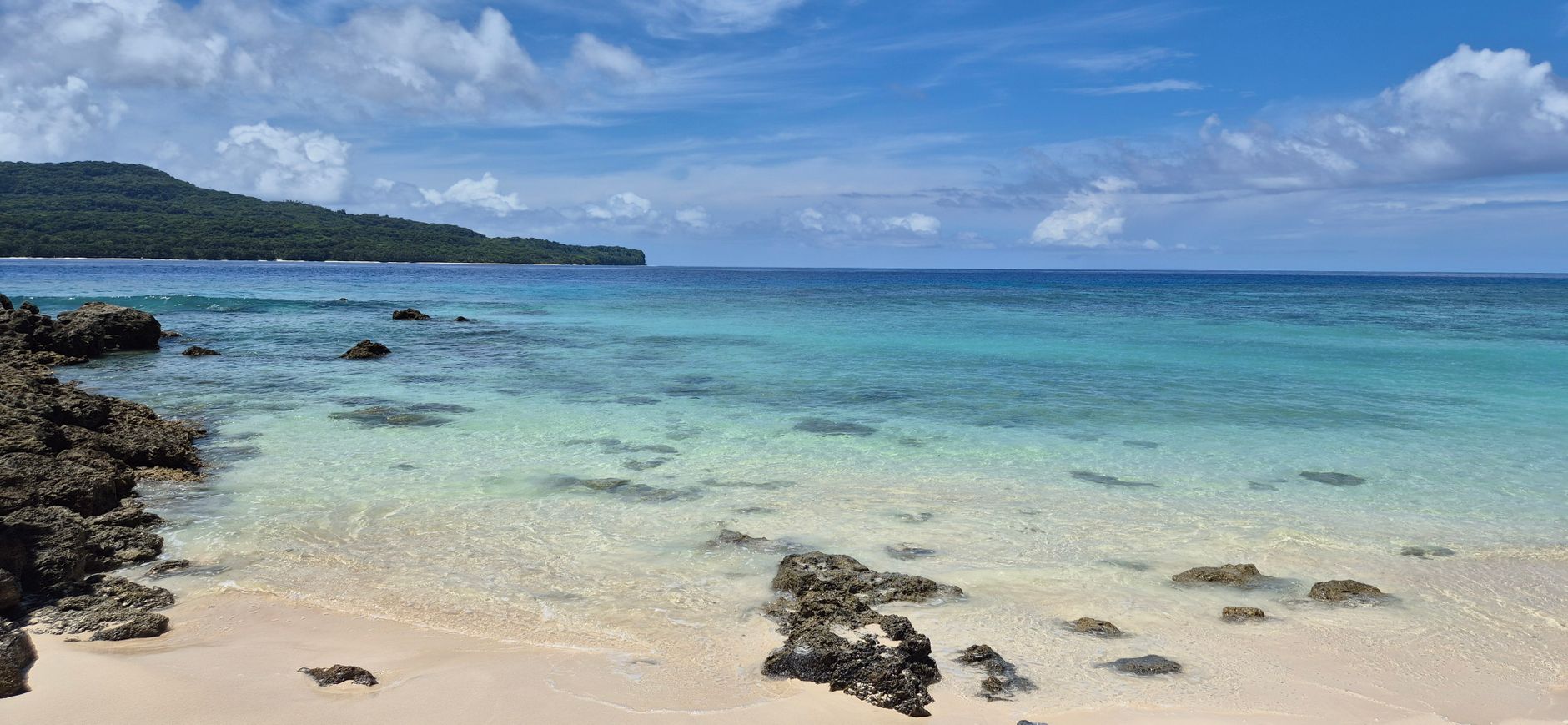
The active volcano on Tanna, Mount Yasur, offers night hikes that let you watch the glow of the crater. The best window is from late April to early September when the sky is clear and the temperatures drop to a comfortable 22 °C at night.
Night tours cost about 20,000 VUV per person and include a torch, a local guide, and a small snack. I paid extra for a warm blanket; the wind can be surprisingly chilly at the summit.
If you want to see an actual eruption, the “Eruption Window” runs from October to December. The volcano erupts roughly once a week during this period, and local operators issue alerts via SMS the day before.
Safety gear is mandatory: a mask, gloves and sturdy shoes. I borrowed a mask from the guide for 500 VUV; it fit snugly and kept the ash from irritating my eyes.
Transportation to the base camp is a shared 4‑wheel‑drive that costs about 3000 VUV per seat. The ride is bumpy, and you’ll hear the rumble of the volcano long before you see it.
- Eruption season: October - December for active displays.
- Night hike window: late April - early September.
- Tour price: 20,000 VUV (≈ $200) includes torch and snack.
- Gear: mask, gloves, warm blanket; mask rental 500 VUV.
- Transport: shared 4WD, 3000 VUV per seat.
Practical Tips, Costs and Packing Essentials
Currency in Vanuatu is the Vanuatu vatu (VUV). ATMs in Port Vila dispense up to 20,000 VUV per transaction, and the exchange rate is roughly 110 VUV to 1 USD. I kept a small stash of cash for market purchases; credit cards are accepted only at larger hotels.
Internet connectivity is decent in the capital, with 4G speeds around 15 Mbps, but on the outer islands you’ll rely on satellite Wi‑Fi at cafés. I bought a local SIM for 2500 VUV, which gave me 5 GB of data for two weeks.
Health-wise, there is a single hospital in Port Vila; for anything serious on the islands you’ll need to be airlifted. I carried a basic first‑aid kit, a few anti‑malaria tablets and a bottle of rehydration salts.
Transportation between islands is mostly by small plane or ferry. A one‑way flight from Port Vila to Tanna costs about 30,000 VUV, while the ferry to Espiritu Santo is 12,000 VUV and runs twice a week.
Finally, pack light but smart: a quick‑dry shirt, sturdy sandals, a reusable water bottle, and a waterproof case for your phone. I learned the hard way that a single rainstorm can ruin a cheap camera bag.
- Currency: 1 USD ≈ 110 VUV; ATMs limited to 20,000 VUV.
- Internet: local SIM 2500 VUV for 5 GB (2 weeks).
- Health: basic first‑aid kit, anti‑malaria tablets.
- Transport: flight Port Vila → Tanna 30,000 VUV; ferry to Santo 12,000 VUV.
- Packing: quick‑dry shirt, sturdy sandals, waterproof phone case.
Timing your visit to Vanuatu is more than picking a month; it’s about aligning weather, activity peaks and your own energy. Whether you’re chasing sunrise on a quiet beach, diving with mantas at a wreck, trekking a misty mountain or watching a volcano light up the night, the right season makes every moment feel intentional.