




Vanuatu Itinerary: The Perfect 7-Day Adventure Across Efate, Tanna & Santo
We landed in Port Vila on a humid Thursday morning, the air already thick with the scent of frangipani and diesel from the small airport taxis. I grabbed a cheap prepaid SIM for 10 USD (10 GB data for a week) and headed straight for the hotel on the waterfront, ready for a whirlwind week across three islands.
Day 1‑2: Efate, Port Vila, Mele Cascades & the Southern Coast
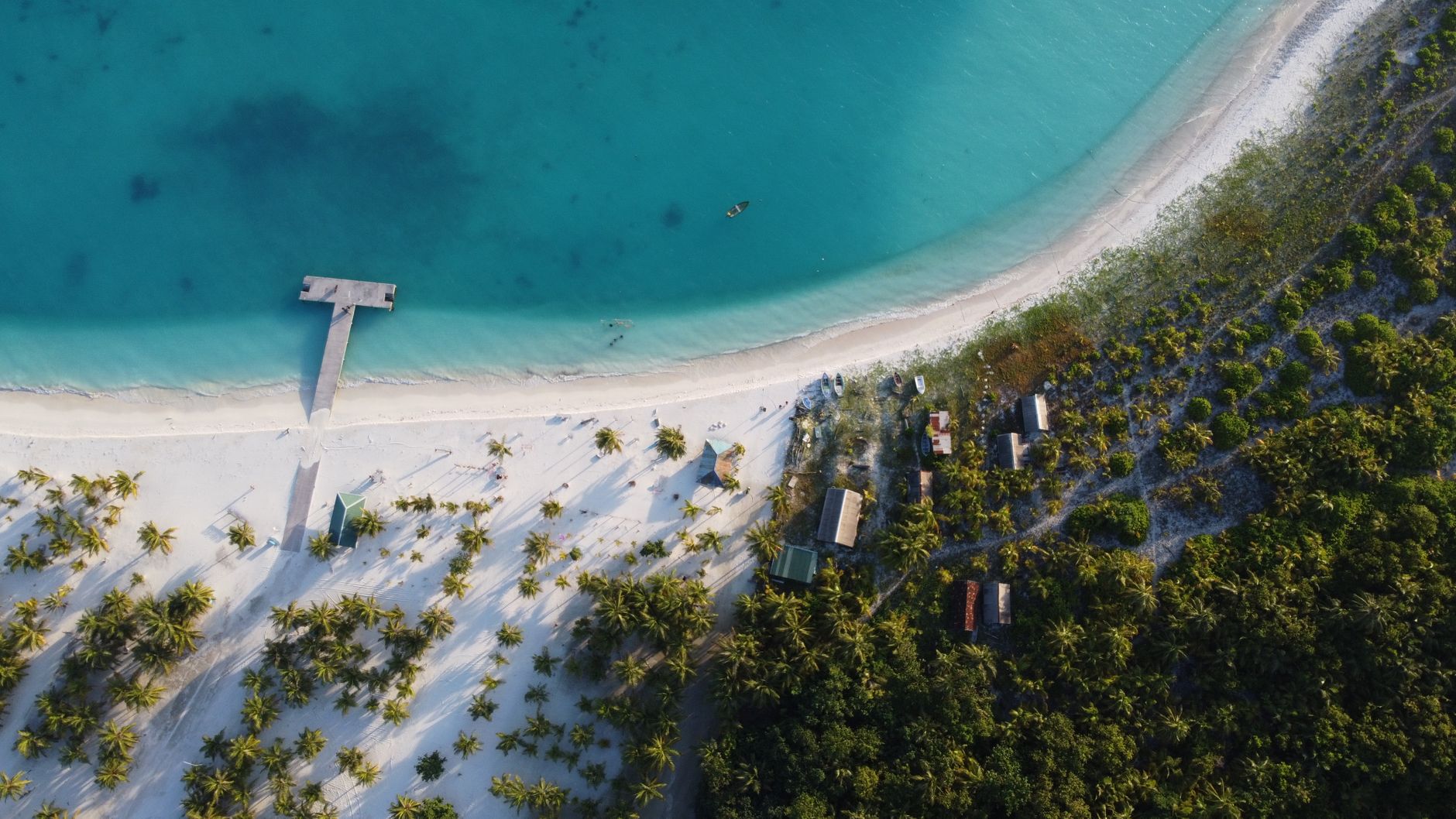

The first afternoon we spent wandering the market stalls on Rue du Port. Fresh papaya for 1 USD, handmade shell necklaces for 2‑3 USD, and a steaming bowl of coconut‑milk fish soup that hit the spot after the flight.
We rented a compact 4×4 from a family‑run agency for 45 USD a day, insurance included. The driver (named Joni) knew every shortcut and let us hop off at the Mele Cascades without charging the extra 5 USD “tourist fee” some operators demand.
The walk to the falls is a 30‑minute trek through scrub and banana trees; the path is uneven, so sturdy shoes saved my ankles. The water is a cool, turquoise pool that feels like a secret, and the locals often bathe there for free.
After the swim we drove south to Port Olry, a quiet village where we tried a local specialty called “laplap”, a banana‑leaf wrapped pudding of grated yam, coconut milk and fish. The plate cost about 3 USD and came with a side of fresh greens.
Evening in Port Vila was low‑key: a beachfront bar with cheap beers (1.20 USD each) and a live band playing Vanuatu folk songs. We booked the next day’s ferry to Tanna at the harbor desk for 55 USD per person, a decent price compared with the 80 USD some travel agents quote.
- 4×4 rental: 45 USD/day, includes basic insurance.
- Market snacks: papaya 1 USD, laplap 3 USD.
- Mele Cascades: free, bring water shoes.
- Ferry to Tanna: 55 USD, departs 9 am and 2 pm.
- Evening drink: beer 1.20 USD, live music.
Day 3: Tanna, Sunrise at Mount Yasur
The early ferry rocked us across the channel; we arrived in Tanna’s tiny wharf town of Sulphur Bay just as the sun was climbing. A local guide, Mara, met us with a bright smile and a sturdy backpack for the volcano trek.
We drove a borrowed 4×4 (included in the 60 USD guide fee) to the base camp, a dusty clearing with a few wooden benches. The road is rough, full of potholes, but the guide’s patience kept us from getting stuck.
The hike to the crater rim is 2 km each way, mostly a steep, uneven path of volcanic ash and loose rock. It takes about 45 minutes, and a sturdy pair of hiking boots (I used my old trail shoes) makes a world of difference.
At the rim, the sunrise painted the sky orange while the volcano rumbled like a distant drum. The guide handed us a small thermos of hot tea (2 USD), the perfect warm drink as the air grew chilly.
We spent the rest of the day exploring the nearby village, where women wove intricate mats on wooden looms. I bought a small piece for 5 USD, a reminder of the day the earth opened its mouth.
- Guide fee (including 4×4): 60 USD per person.
- Hike distance: 4 km round‑trip, 45 min each way.
- Thermos tea: 2 USD, warm and comforting.
- Souvenir mat: 5 USD, hand‑woven.
- Sunrise time: early 5:30 am (check season).
Day 4‑5: Tanna, Cultural Immersion and Southern Beaches
We started day four with a visit to the John Frum village, a fascinating blend of WWII relics and local mythology. The guide explained the “cargo cult” stories while we watched kids play soccer with a makeshift ball.
Lunch was at a roadside stall serving “kava” tea for 1 USD a cup, a bitter drink that relaxes you after a few minutes. The effect is subtle, more of a calm than a high, and the locals swear by it.
In the afternoon we drove to the southern coast, to a secluded bay called “White Sand.” The road ends at a small parking area; from there it’s a 10‑minute walk over rocky ground to the water.
The beach is a narrow strip of powdery sand backed by towering cliffs. The tide is low most mornings, exposing tide pools where tiny crabs scuttle. I rented a snorkel set for 4 USD and saw a school of neon damselfish darting among the coral.
Evening we stayed in a family‑run guesthouse, where the owners cooked a fresh catch of grunt fish with lime and chilies for 6 USD. The meal was served on banana leaves, and the family shared stories of island life late into the night.
- John Frum village: free entry, guide optional.
- Kava tea: 1 USD per cup, calming effect.
- White Sand beach: walk 10 min from parking.
- Snorkel rental: 4 USD per set, good for beginners.
- Guesthouse dinner: 6 USD, fish with lime & chilies.
Day 6‑7: Santo, Champagne Beach, Gharat Crater & Local Markets
We caught the early morning flight from Tanna to Santo (Luganville), the ticket was 120 USD each, a bit pricey but the only way to save time. The plane landed on a short runway, and the pilot gave us a quick safety briefing in French and Bislama.
From the airport we hired a 4×4 for 70 USD a day, driver‑guide included. He took us straight to Champagne Beach, a name earned by the frothy white sand that feels like powdered sugar underfoot.
The beach is on the east side of the island, reachable by a paved road that ends at a small parking lot. A short walk (about 200 m) leads to the water, where the sea is calm and perfect for a lazy swim.
We rented a kayak for 8 USD and paddled along the coastline, spotting a sea turtle gliding beneath the surface. The water is clear enough to see the reef without a mask, and the sun warmed the back of my neck for hours.
On the second day we visited Gharat (also called “Linguang”), a volcanic crater lake with a striking blue hue. The trail down to the lake is steep, with wooden steps that creak under each footstep. I slipped once on a wet rock, but the guide’s steady hand kept me upright.
We ended the trip with a stroll through the Luganville market, where fresh taro, sweet potatoes, and ripe mangoes are sold by vendors shouting in Bislama. I bought a bag of dried banana chips for 2 USD to snack on the flight home.
- Flight Tanna‑Santo: 120 USD, 45‑minute flight.
- 4×4 hire in Santo: 70 USD/day, driver included.
- Champagne Beach: walk 200 m from parking.
- Kayak rental: 8 USD, good for two hours.
- Gharat crater lake: steep trail, bring water.
Practical Tips, Money, Gear & Connectivity
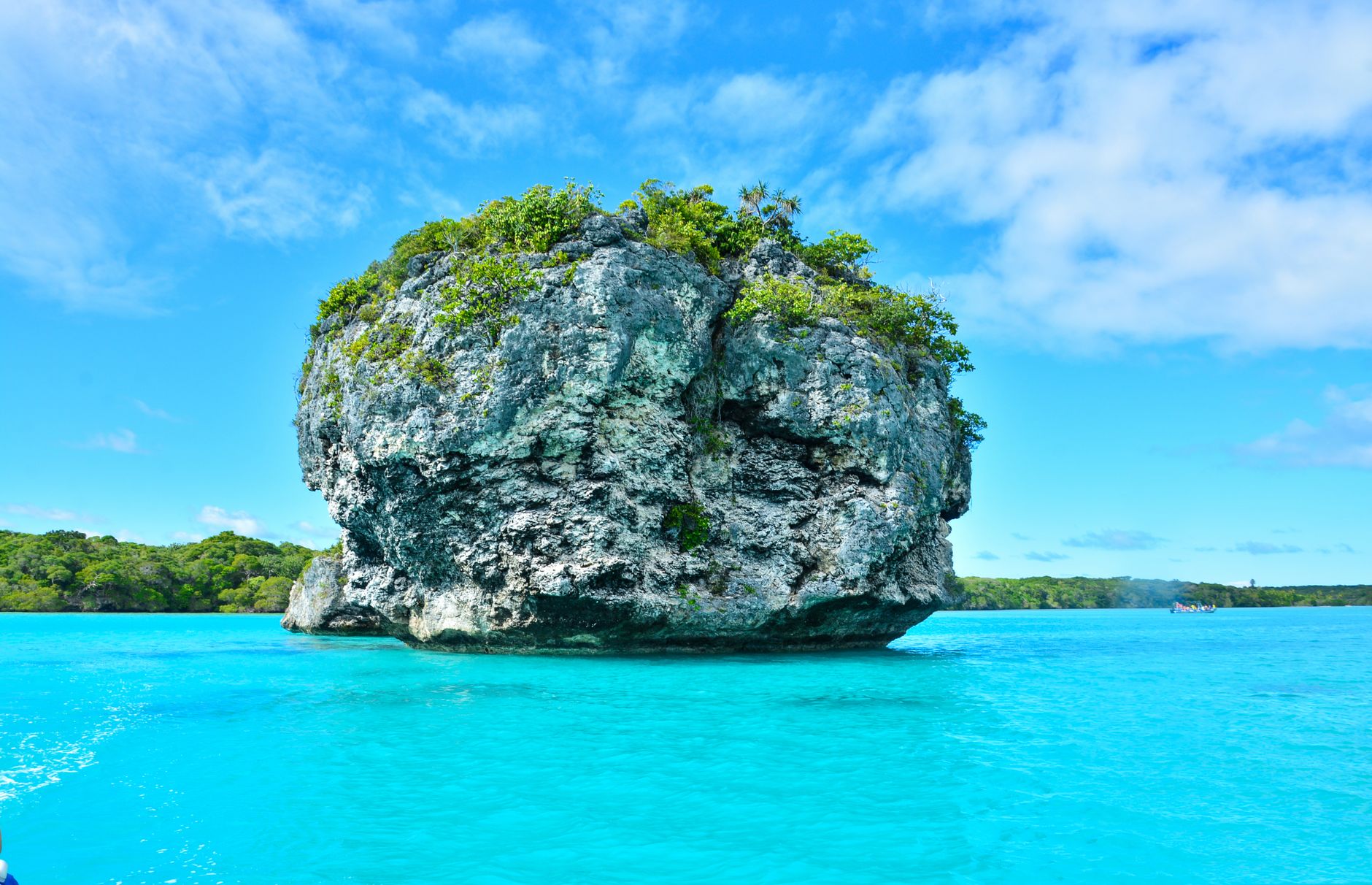
Cash is king in Vanuatu; most places accept only Australian dollars or the local Vatu (1 AUD ≈ 85 VUV). ATMs are scarce outside Port Vila and Luganville, so withdraw enough for the whole trip, I took out 300 AUD on day one.
Pack light but bring a sturdy pair of walking shoes, a quick‑dry shirt, and a rain jacket. The weather can swing from bright sun to sudden showers, especially on Tanna where volcanic steam rises from the ground.
Internet is patchy; the best signal is at the main hotels and the airport lounges. I bought a local SIM for 10 USD and used it mainly for navigation and messaging the guide.
- Currency: Australian dollars or Vatu, bring cash.
- ATM locations: Port Vila, Luganville only.
- Packing: walking shoes, rain jacket, quick‑dry clothing.
- SIM card: 10 USD for 10 GB, good for maps.
- Power: bring a universal adapter, voltage 230 V.
Wrap‑Up, Why This Itinerary Works
Seven days feels long enough to taste the diversity of Vanuatu without rushing. Efate gives you the comfort of a small city and easy beach access, Tanna offers raw volcanic drama and warm community vibes, and Santo rewards you with some of the most beautiful shorelines in the Pacific.
Every day had a clear focus, yet the schedule left room for spontaneous detours, a sudden invitation to a village feast, a rainstorm that turned a hike into a mud‑run, or a quiet sunset on a hidden cove. If you follow this plan, you’ll return home with a camera full of photos, a few new friends, and a story you’ll tell for years.