




Rarotonga Travel Guide: How to Explore the Island Like a Local
When I first stepped off the plane in Avarua, the capital of Rarotonga, I expected the usual postcard scenery, white sand, turquoise water, palm trees swaying in a lazy breeze. What I got instead was a small island that feels both laid‑back and surprisingly busy, with locals who know every shortcut and a rhythm that’s easy to fall into if you give yourself the chance. This guide is the result of a week of wandering, chatting with shopkeepers, hopping on a bus, and learning the little things that turn a tourist day into a local’s day.
Getting There & Getting Around
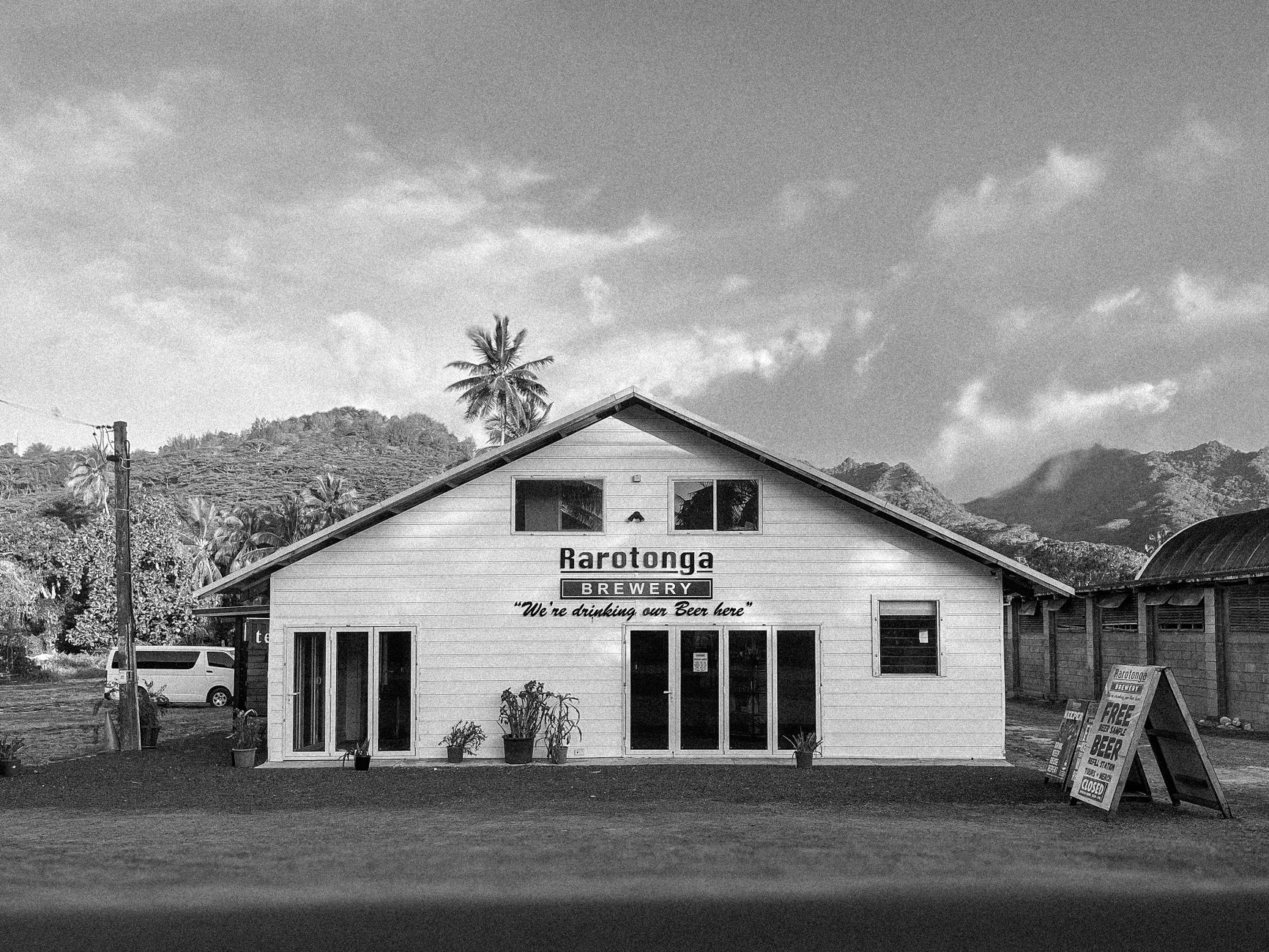
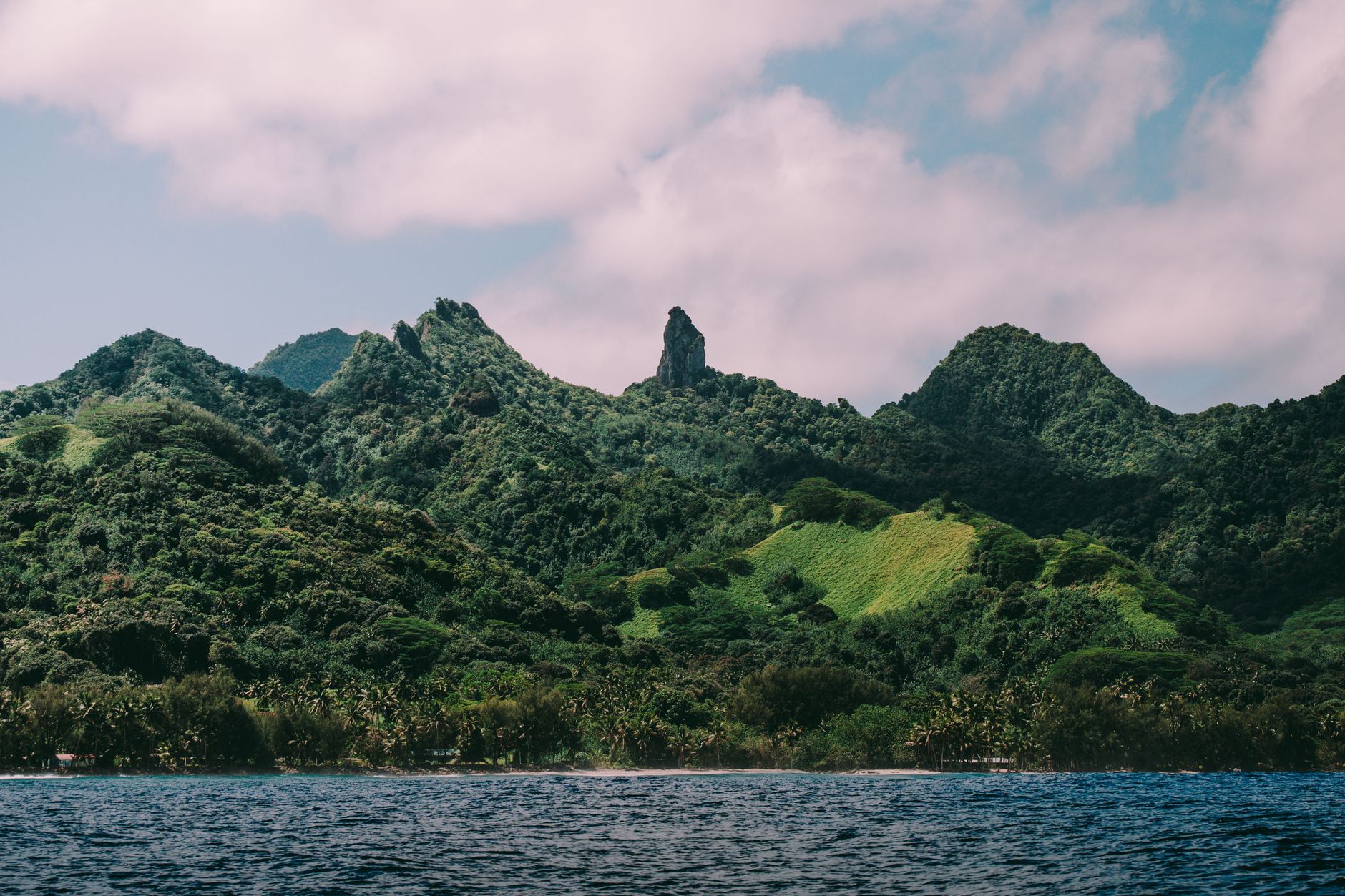
Most visitors arrive on Air Rarotonga, which flies from Auckland, Sydney, and Honolulu. The flight from Auckland is the cheapest option at around NZ$250 round‑trip if you book three months ahead, but seats fill up fast during the June‑August school holidays. When you land, the airport sits just a ten‑minute drive from the town centre, and there’s a free shuttle that runs every half hour between the terminal and the main bus depot.
The island’s bus network is the backbone of local transport. Buses run clockwise and anticlockwise around the coastal road, stopping at most villages and popular beaches. A single ride costs $2.50 C$ and you can buy a reusable “bus card” for $5 that stores credit; it saves you the hassle of carrying exact change each time. If you’re itching to explore at your own pace, renting a scooter for $25 a day is common, but remember the roads are narrow and the traffic can be unpredictable.
- Round‑trip flight from Auckland: ~NZ$250 if booked 3 months ahead.
- Free airport‑to‑bus‑depot shuttle runs every 30 minutes.
- Bus fare: $2.50 C$ per ride; $5 for a reusable bus card.
- Scooter rental: $25 per day, helmets provided.
- Driving licence from most countries is accepted; no international permit needed.
Where to Stay
I started my stay at the Pacific Beach Lodge, a modest guesthouse just steps from Muri Beach. The room cost $70 a night, included a simple breakfast of fresh fruit and toast, and the owner, Mara, gave me a map of the best snorkeling spots that aren’t on the tourist brochures. If you prefer a bit more comfort, the Crown Beach Resort offers sea‑view rooms for $150, a pool, and a restaurant that serves locally caught fish with a side of mango salsa.
For travelers on a tighter budget, the Rarotonga Backpackers in Avarua provides dorm beds for $25, a communal kitchen, and a rooftop that overlooks the harbor, perfect for sunrise coffee. Booking platforms like Booking.com and Airbnb both list options, but many locals still prefer to arrange rooms through the island’s community board at the market; you’ll often snag a discount if you ask in person. Just remember that Wi‑Fi can be spotty outside the main towns, so a local SIM card (about $15 for 5 GB) is a good backup.
- Pacific Beach Lodge: $70/night, includes breakfast, beachfront.
- Crown Beach Resort: $150/night, pool, on‑site restaurant.
- Rarotonga Backpackers: $25 for a dorm bed, communal kitchen.
- Local market bookings: often 10‑15% cheaper than online rates.
- SIM card: $15 for 5 GB data, available at the airport kiosk.
Food & Drink
Rarotonga’s food scene is a blend of Polynesian tradition and Asian influence. My favorite lunch was at the Punanga Nui market, where a vendor named Tane served grilled chicken wrapped in taro leaves for just $4. The flavor was bright, with a hint of lime that cut through the richness. For a sit‑down meal, head to the Tamarind House; their curried fish, made with locally caught snapper, costs $12 and comes with a side of coconut rice that’s subtly sweet.
If you’re a coffee lover, the Little Island Café on the north side of the island roasts its beans on site and sells a flat white for $3.50. The café also offers a small selection of gluten‑free pastries, which are a blessing for anyone with dietary restrictions. Tipping isn’t mandatory, but rounding up the bill or leaving a $1‑$2 tip is appreciated, especially in the more tourist‑heavy spots.
- Punanga Nui market: grilled chicken in taro leaves, $4.
- Tamarind House: curried snapper with coconut rice, $12.
- Little Island Café: flat white, $3.50, beans roasted locally.
- Gluten‑free pastries available at most cafés.
- Tip: round up the bill or add $1‑$2 for good service.
Must‑Do Activities
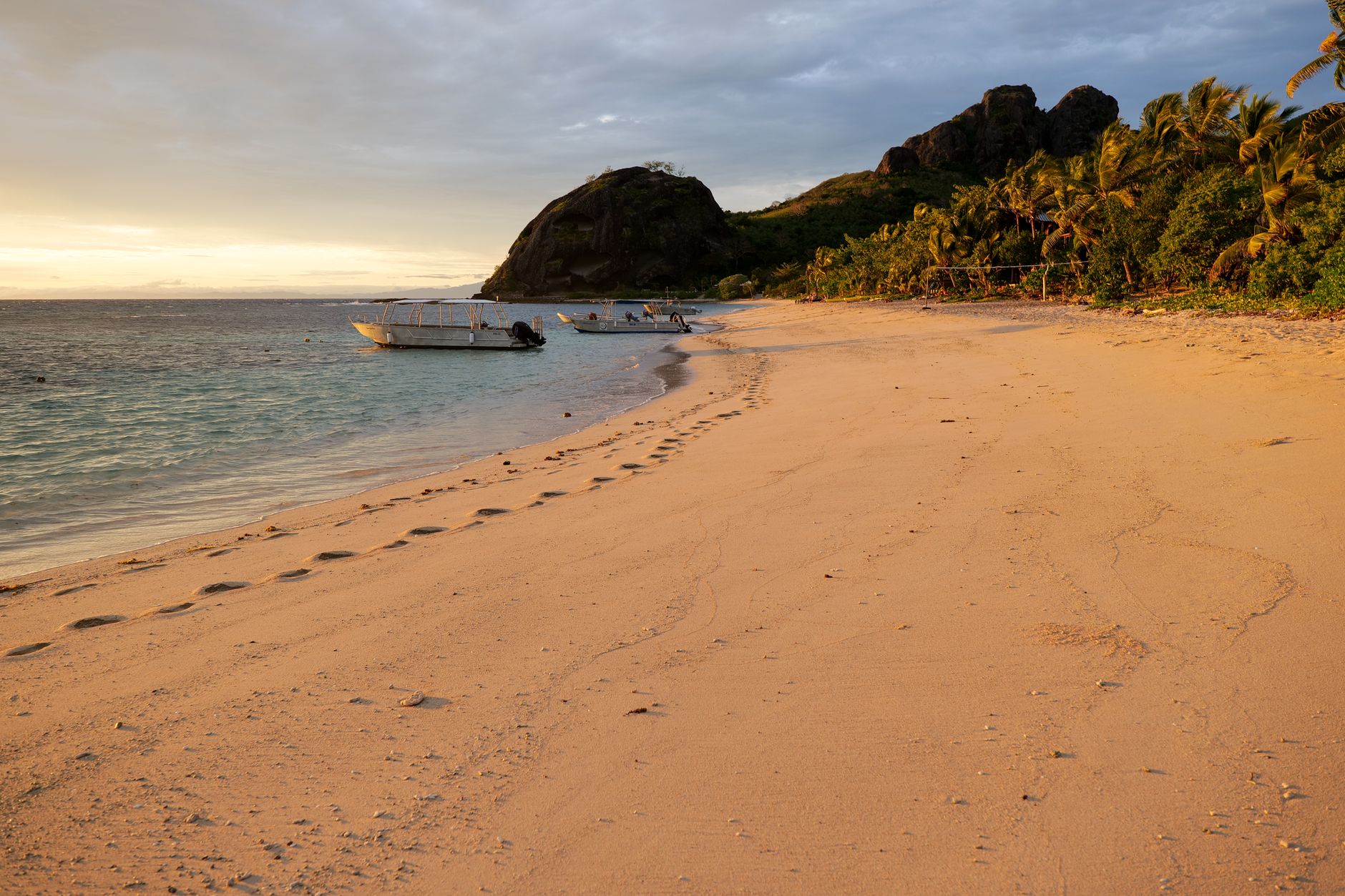
One morning I rented a bike for $12 and pedaled along the coastal road to the iconic Aroa Beach. The water was calm enough for a quick dip, and the sand felt warm under my feet even though it was early June. A short hike up to the Te Rua Manga “saddle” gave me a panoramic view of the island’s interior, rolling hills, farmland, and a distant glimpse of the volcanic crater.
Another highlight was snorkeling in the lagoon at Muri Beach. I joined a local guide named Hina who led a small group for $30, providing gear and pointing out giant clams and schools of yellowtail. In the evening, the Cook Islands Cultural Village put on a show featuring traditional dance and a hangi feast; tickets were $45 and included a drink. Each activity felt intimate, as if I was part of the community rather than an outsider looking in.
- Bike rental: $12 per day, coastal road routes are scenic.
- Te Rua Manga hike: free, moderate difficulty, 30‑minute climb.
- Snorkeling with guide: $30, includes gear and marine insights.
- Cultural Village show: $45, includes hangi dinner and a drink.
- Sunset at Muri Beach: free, best view from the western side.
Insider Local Tips
Timing is everything here. The island’s peak tourist season runs from December to February, and you’ll find higher prices and busier beaches. If you can travel in the shoulder months of April or October, you’ll enjoy milder weather, fewer crowds, and accommodation rates that are about 20 % lower. Sunscreen is a must; the sun feels stronger near the equator, and many locals carry a small bottle in their pockets at all times.
Cash is still king on Rarotonga. While credit cards work at most hotels and larger restaurants, smaller stalls and market vendors prefer exact change in New Zealand dollars. A good rule of thumb is to carry about $100 in small bills for a day of exploring. The locals speak English fluently, but learning a few Cook Islands Māori words, like “Kia ora” (hello) and “Meitaki” (thank you), opens doors and earns smiles. Finally, respect the environment: avoid stepping on coral, and always take your rubbish back to a bin; the island’s ecosystem is fragile and the community takes pride in keeping it pristine.
- Travel in April or October for lower prices and fewer crowds.
- Carry ~NZ$100 in small bills for market purchases.
- Use sunscreen SPF 30 or higher; reapply every two hours.
- Learn basic Māori greetings: “Kia ora”, “Meitaki”.
- Never touch or step on coral; pack out all trash.
Rarotonga isn’t a destination you can rush through. Take the time to chat with a fisherman about the best early‑morning tide, let a local family invite you to share a cup of tea, and let the island’s slow rhythm set your own pace. With these tips in hand, you’ll move beyond the typical tourist track and experience the island the way its residents do, relaxed, curious, and always with a smile.