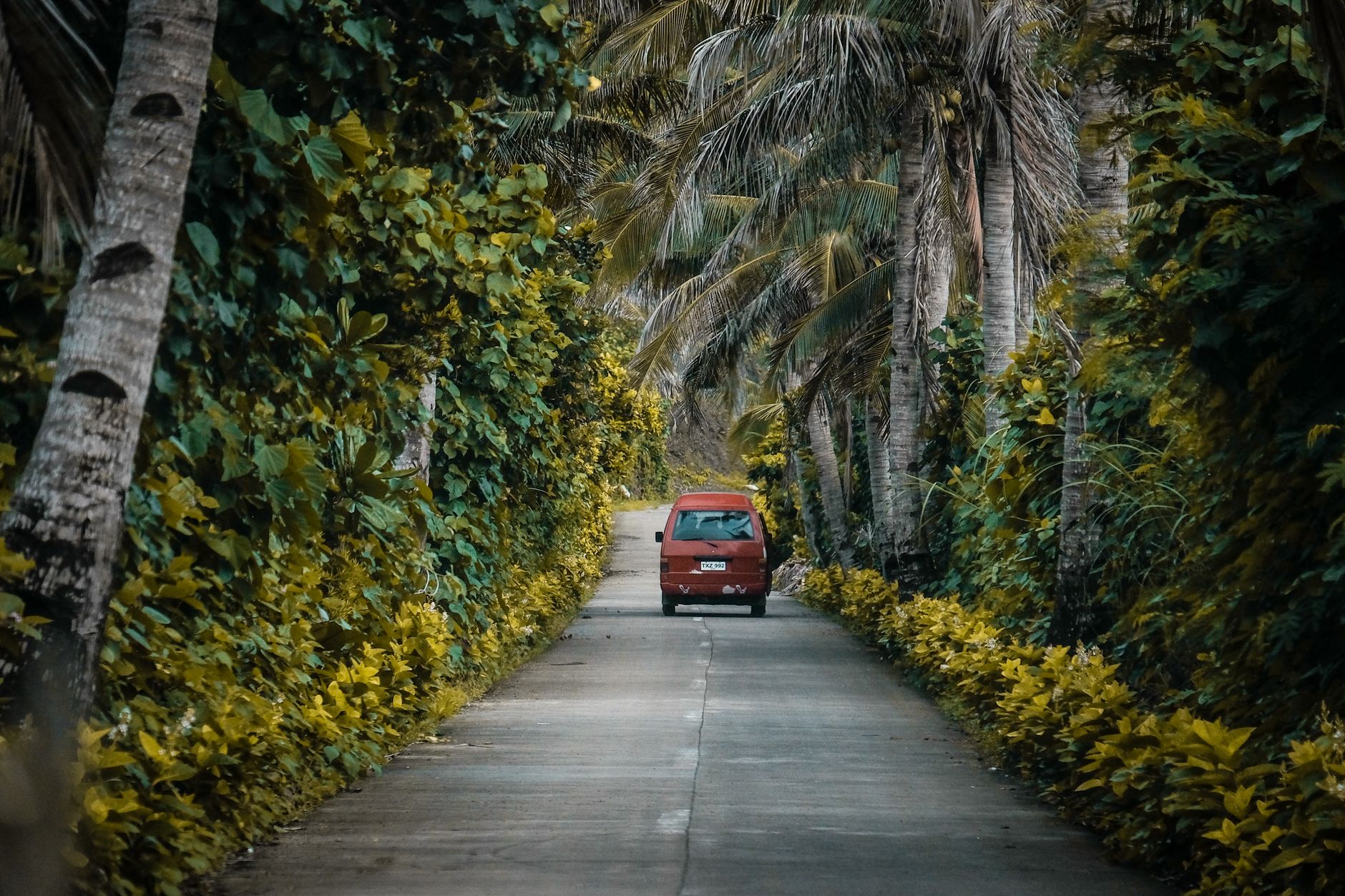
Driving Around Rarotonga: Best Stops on the Island Road
pranav
–
September 16, 2026
The island road circles Rarotonga like a lazy ribbon, and most of the scenery can be seen from the driver’s seat. I spent three days looping the ring, stopping whenever a view, a beach, or a roadside stall caught my eye, and I kept a notebook of the places that felt worth the detour.
The Ring Road Basics
The paved ring is about 32 kilometres long, a two‑hour drive if you never stop. The speed limit is 50 km/h, and the road is well‑marked with signs in both English and Cook Islands Māori. Rental cars are the norm; most agencies charge around $45 NZD per day for a compact, and you’ll need an international driver’s licence if your home licence isn’t in English.
Fuel stations are few, there’s one in Avarua and another near the airport. I filled up on the first day because the price of premium was $2.30 NZD per litre, a bit higher than back home but still cheap compared with many Pacific islands. The car’s fuel gauge is reliable, but I kept an eye on it whenever I veered off into a side road.
Rent a compact car for $45 NZD per day; insurance adds $12 NZD.
Bring a printed map; GPS works but can be glitchy in dense forest.
Speed limit is 50 km/h; expect occasional police checkpoints.
Fuel is $2.30 NZD per litre; top up in Avarua.
Parking is free at most beaches, but some resort areas charge $2 NZD per hour.
Avarua Town and Waterfront
Avarua is the island’s capital, and the first stop after crossing the airport bridge. The market opens at 7 am and stalls sell fresh papaya, taro chips, and hand‑woven pareu. I bought a pineapple for $3 NZD and a tote bag for $15 NZD, both cheap enough to bring home as souvenirs.
The waterfront promenade is lined with cafés that serve “black pudding” (a local sausage) and fresh fish tacos. I tried the mahi‑mahi taco at a place called The Reef; it cost $12 NZD and came with a side of lime‑pickled onions. The view across the lagoon is perfect for a quick photo, especially when the tide is low and the reef shows its coral patterns.
Parking behind the market is free for up to 30 minutes.
Grab a fresh pineapple for $3 NZD as a snack.
Take a 10‑minute walk to the lagoon for sunrise photos.
The Northern Beaches
Turning left at the Avarua round‑about puts you on the road that hugs the north coast. The first beach I stopped at was Titikaveka, a long stretch of white sand backed by palm trees. The water was calm enough for a quick swim, and a local family ran a small kiosk selling coconut water for $2 NZD a cup.
A few kilometres further, the road narrows and you pass a sign for “Muri Beach.” I arrived just before noon, when the tide was out and the lagoon turned a glassy turquoise. I rented a stand‑up paddleboard for $25 NZD for two hours; the rental shop gave me a brief safety talk and a waterproof bag for my phone.
Visit Titikaveka early; the kiosk sells fresh coconut water ($2 NZD).
Rent a paddleboard at Muri Beach ($25 NZD for 2 hours).
Parking at Muri Beach is free but fills up by 10 am.
Bring reef‑safe sunscreen; many spots have limited shade.
Watch for sudden squalls in the afternoon; they can roll in fast.
Eastern Trail Stops and Local Villages
Continuing east, the road climbs gently and you pass through the village of Avatiu. The harbour there is a working port, and I saw a small fleet of fishing boats returning with their catch. A roadside stall offered “ika mata”, raw fish marinated in lime, for $5 NZD, a surprisingly fresh bite.
A short detour leads to the “Garden of the Gods” viewpoint, a spot locals call “Te Rua Manga.” The trail to the top is a steep, uneven path that takes about 20 minutes. The reward is a panoramic view of the island’s interior and the ocean beyond; on a clear day you can see the distant island of Aitutaki.
Try ika mata in Avatiu for $5 NZD.
Garden of the Gods trail takes 20 minutes; wear sturdy shoes.
Parking at the viewpoint is a small lot; $1 NZD per car.
Bring water; there are no facilities on the trail.
Sunrise from the viewpoint is spectacular, but you’ll need a headlamp.
Southern Highlands and Mountain Roads
The southern part of the ring is where the island gets hilly. The road twists through cloud‑kissed peaks, and the temperature drops a few degrees compared with the coast. I stopped at a small café called “Highland Brew” perched on a bend; the coffee cost $4 NZD and came with a slice of banana cake.
Just beyond the café, a narrow lane leads to the “Te Rua Manga” crater, a volcanic bowl that holds a small lake. The trail around the rim is unmarked, but locals gave me a hand‑drawn map. It took about an hour to circle, and I spotted a rare orchid that only grows at this altitude.
Highland Brew serves coffee for $4 NZD with banana cake.
Roads in the south are narrow; drive slowly and give way to cyclists.
Crater trail is unmarked; ask a local for a sketch map.
Bring a light jacket; temperatures can be 5 °C cooler.
Watch for livestock, cows and goats often graze near the road.
Sunset Spots and Evening Chill
The last leg of the loop brings you back to the western side, where the sun sets over the lagoon. I made a habit of stopping at “Paniui Beach” just before dusk. The beach has a small bar that serves a local beer called “Rarotonga Lager” for $6 NZD a bottle.
As the sky turned pink, a group of locals gathered to play “pātē,” a drum‑based music session. I was invited to sit on the sand and listen; the rhythm felt like a heartbeat of the island. The bar also offered a “pani pop” cocktail, pineapple, rum, and a splash of coconut cream, for $10 NZD.
Paniui Beach is free to access; arrive 30 minutes before sunset.
Rarotonga Lager costs $6 NZD per bottle.
Try the pani pop cocktail ($10 NZD) for a tropical twist.
Bring a light blanket; the sand gets cool after dark.
Respect the drum circle, keep noise low and stay off the fire pit.
Driving around Rarotonga feels like flipping through a picture book that you can touch, taste, and hear. Every turn offered a new bite, a new view, or a new conversation with someone who called this place home. If you have a rental car, give yourself at least three days; that’s enough time to breathe in the sea air, climb a crater, and still make it back for a sunset drink on the beach.