





Rarotonga Beaches Compared: Where to Swim, Snorkel & Relax
Rarotonga’s coastline feels like a collection of secret rooms, each with its own vibe. I spent a week hopping from one stretch of sand to the next, noting where the water stays clear enough for a dive, where the shade is generous, and where the crowds thin out after lunch.
Arriving, Getting Around, and What to Pack
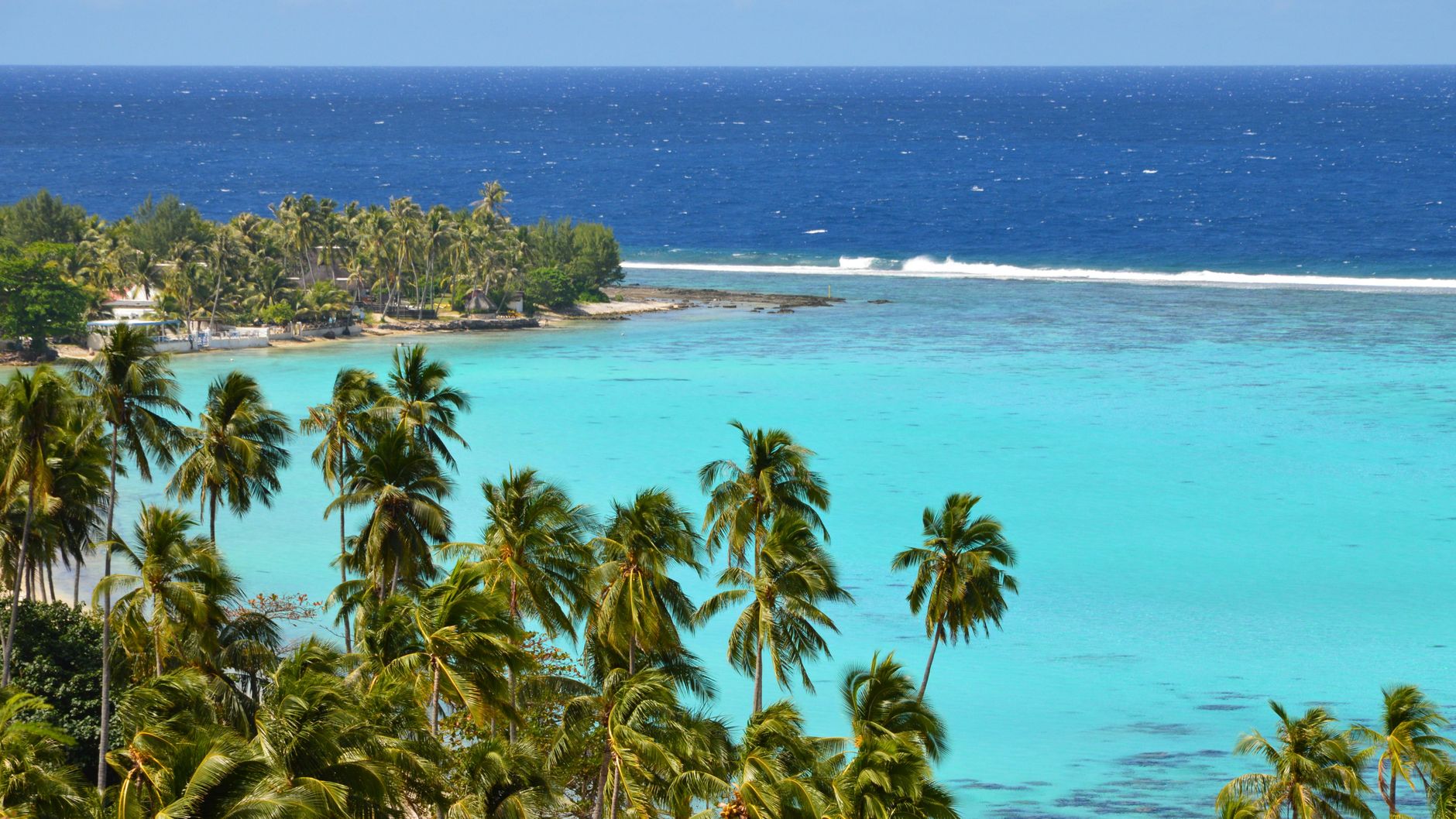
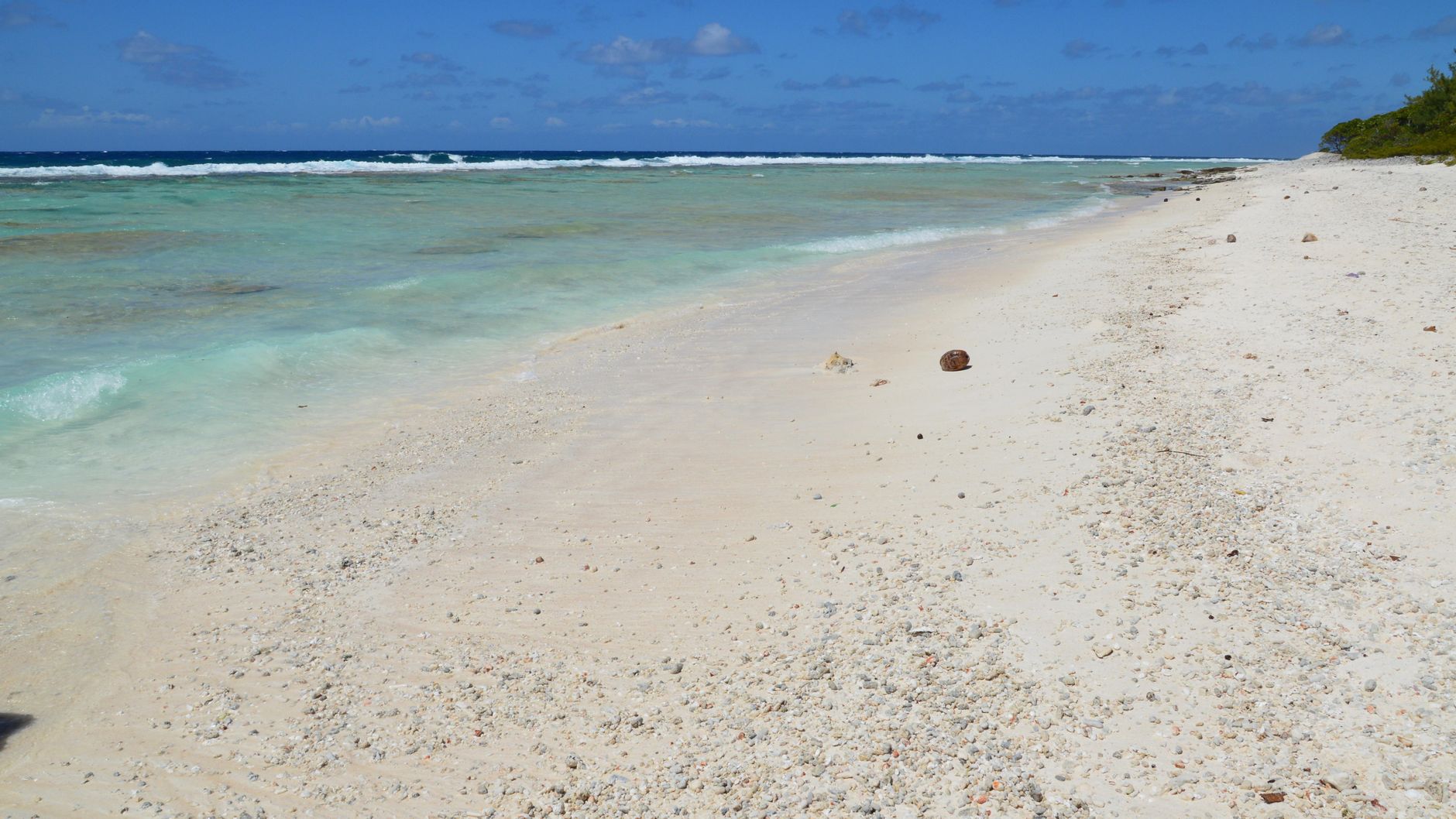
The island’s single runway welcomes most visitors on a short flight from Auckland or Fiji. A taxi from the airport to the central town of Avarua costs about 12 NZD and drops you off within ten minutes of most beach access points.
If you’re planning to chase multiple beaches in a day, rent a scooter. They’re $20 a day, fuel is cheap at $1.40 per litre, and the roads are well‑marked. I kept a rain jacket in the bag because a sudden drizzle can turn a perfect snorkel spot into a slippery scramble.
- Passport, visa (if required), and a printed copy of your rental agreement.
- Reef‑safe sunscreen (minimum SPF 30), many locals refuse to sell regular sunscreen.
- Reusable water bottle, refill stations are at most cafés.
- Snorkel gear (mask, snorkel, fins), you can rent for $8 a day, but my own set fits better.
Muri Beach, The Family‑Friendly Classic
Most guidebooks start with Muri because the lagoon is shallow, calm, and lined with palm‑fringed huts serving fresh fruit. The water stays under a meter deep for the first 200 metres, which makes it safe for kids who are still learning to kick.
There’s a small fee of 2 NZD to use the public showers, but the rest is free. I liked to arrive early, around 8 am, before the day‑trip buses fill the parking lot. The sand is soft, though you’ll find bits of broken coral if you walk too close to the reef edge.
- Entrance: free, public showers $2 each.
- Best time: sunrise to 10 am for calm water and fewer people.
- Snorkel depth: 1-2 m, good for beginners.
- Food: try the banana pancakes at the beachfront kiosk, $6.
Aroa Beach, The Snorkeler’s Playground
If you want to see schools of anthias and the occasional turtle, head to Aroa. The reef drops off quickly, creating a wall that glitters with fish when the sun hits it at a low angle. I rented a reef‑safe snorkel set for $8, and within five minutes I was chasing a shy moray that slipped into a crevice.
The beach is quieter than Muri, especially after 11 am when most day‑tour groups have moved on. There is a small kiosk that sells cold drinks for $2.50, but the real perk is the free wooden boardwalk that lets you wade out without stepping on delicate corals.
- Entry fee: none, but a $1 donation to the local conservation trust is appreciated.
- Snorkel gear rental: $8 per day, includes fins.
- Peak visibility: 8 am-11 am, water clarity up to 15 m.
- Safety tip: wear water shoes to protect feet from sharp coral.
Titikaveka, Quiet Relaxation and Sunset Views
Titikaveka sits on the island’s southern side, where the wind is gentler and the crowds are thinner. I arrived just before sunset, set my towel on a patch of white sand, and watched the sky turn pink while the tide rolled in slowly.
The lagoon here is protected by a low reef, so the water is warm and the waves are tiny, perfect for a lazy float. There’s a small parking fee of 3 NZD, and a nearby stall sells grilled fish for $9. It’s the kind of place where you can hear the distant hum of a motorbike and still feel isolated.
- Parking: $3 per vehicle, free after 5 pm.
- Best for: sunset picnics, gentle swims.
- Food: grilled mahi‑mahi with pineapple salsa, $9.
- Tip: bring a light blanket; the sand gets cool after dark.
Kauru Beach, Surf, Sun, and a Lively Atmosphere
Kauru is the spot where locals gather to surf and socialize. The break works best on a mid‑swell, and I caught my first wave there on a breezy Saturday afternoon. The beach stretches for a kilometre, so you can find a quieter corner if you prefer to just sunbathe.
There’s a small market on Fridays where you can buy fresh coconut water for $2. I rented a surfboard for $15 a day from a shop just off the main road; the board is stored in a shaded rack to prevent sun damage. The water is clearer on the western side of the beach, where the reef is further out.
- Surfboard rental: $15 per day, includes wax.
- Market day: Friday, fresh produce and crafts.
- Surf conditions: best on a 1-2 ft swell.
- Parking: free, but arrive early to claim a spot.
Choosing Your Day, Timing, Costs, and Little Hacks
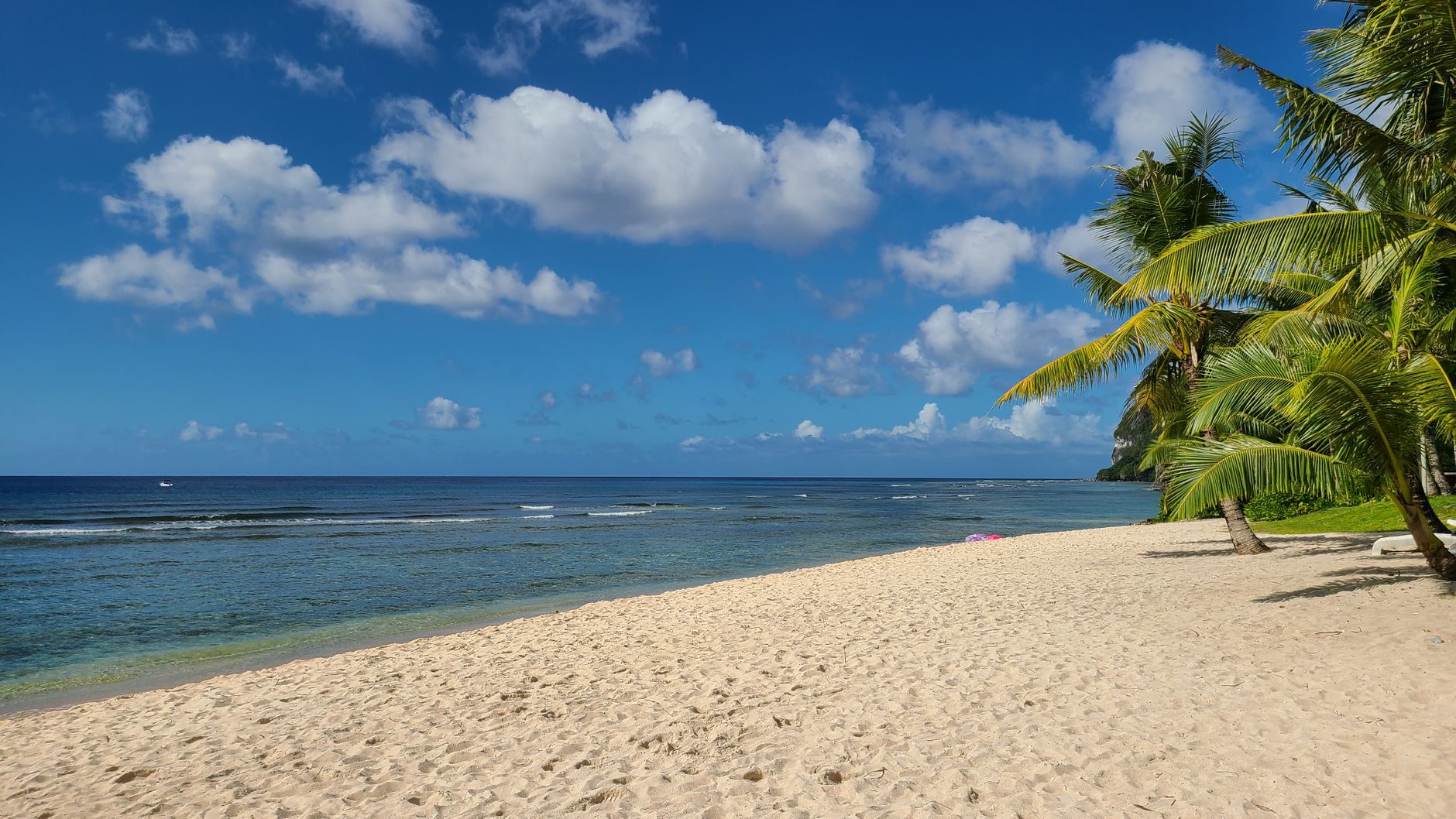
Rarotonga’s weather is fairly consistent, but the trade winds shift slightly between the east and west coasts. I found that mornings are usually calm on the east side, while the west side picks up a gentle breeze after noon, ideal for a wind‑surf lesson.
Budget‑wise, a week of beach hopping can stay under $150 if you rent gear once and use public transport. I bought a week‑long bus pass for $25; it covers all routes, including the loop that circles the island in about 2 hours.
- Bus pass: $25 for 7 days, unlimited rides.
- Average daily cost: $20-$30 (food, gear, transport).
- Best month: May to October, less rain, cooler evenings.
- Quick hack: carry a small dry‑bag for electronics; sand gets everywhere.
Putting It All Together, Sample Itinerary
Here’s how I stitched the beaches into a four‑day plan without feeling rushed. Day 1: land, pick up the scooter, and unwind at Muri. Day 2: early sunrise at Titikaveka, then a mid‑day snorkel at Aroa. Day 3: surf lessons at Kauru, followed by a sunset dinner at the beachfront restaurant. Day 4: a relaxed drive around the island, stopping at any spot that catches your eye.
The key is to start early, especially on the east side, and to keep a flexible mindset. If a sudden rain shower passes, you can duck under a palm tree, wait it out, and then continue. The island’s pace rewards patience.
- Day 1: Muri Beach, swim, breakfast at the kiosk.
- Day 2: Titikaveka sunrise, Aroa snorkel, pack a picnic.
- Day 3: Kauru surf lesson, rent board, end with dinner.
- Day 4: Open road, stop at any beach that looks inviting.
Every beach has its own rhythm, and the best way to discover it is by spending a few minutes on each, then moving on before you feel the urge to linger too long. The island’s size makes that easy; a short ride gets you from turquoise lagoon to rugged reef in under thirty minutes.
When you leave Rarotonga, you’ll carry more than sun‑kissed skin, you’ll have a mental map of where the water feels warmest, where the fish are most curious, and where a simple stretch of sand can feel like a private escape.