





Chuuk Lagoon Diving Guide: Exploring the World’s Famous WWII Wrecks
Stepping off the small jetty at Weno and slipping into the warm water of Chuuk Lagoon feels like stepping back in time. The lagoon is a giant, glass‑smooth basin dotted with more than 60 sunken warships, aircraft and trucks that have been lying there for almost eight decades. I spent three weeks here, diving the same wrecks at sunrise and sunset, and I learned that the real magic is in the details, the way the coral clings to a ship’s bow, the chatter of the boat crew, the price you pay for a two‑tank dive, the exact moment a school of snappers darts past your mask.
Getting There and When to Go

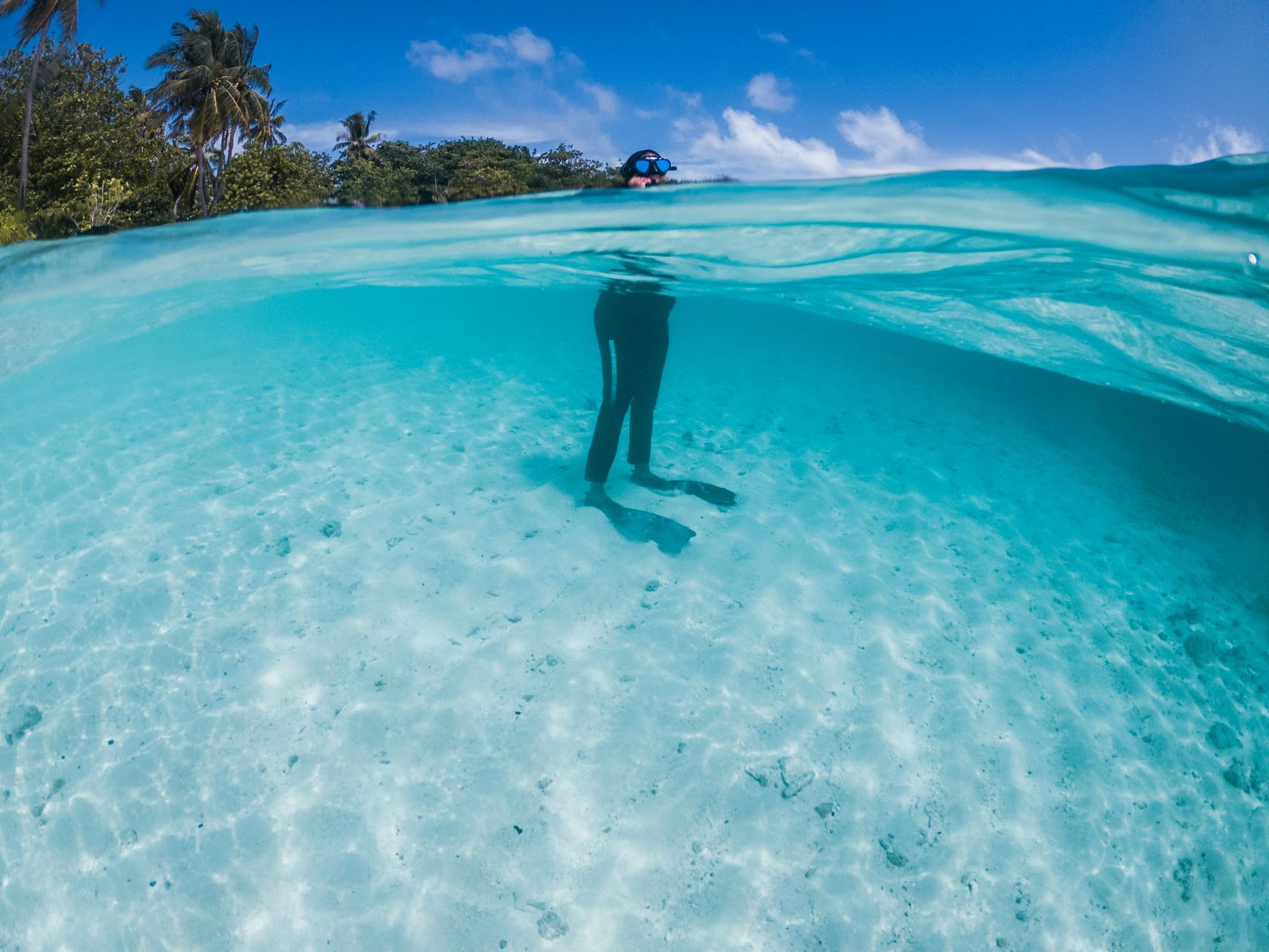
Most travelers fly into Guam, then catch a regional carrier like United or Asia Pacific Airlines to Chuuk International Airport. The flight is about 45 minutes and costs roughly $400 round‑trip from Honolulu, though you can find deals for $250 if you book well in advance.
From the airport, a short taxi ride (about 10 minutes, $5) drops you at the main dock where the dive boats are moored. The best months for visibility are March through June and September through November; water clarity can drop to under 5 m during the rainy season in July and August.
- Flight: $350‑$450 round‑trip from major US hubs.
- Visa: US citizens get a 30‑day visa on arrival, $30 fee.
- Best visibility: 20‑30 m in March‑June, Sep‑Nov.
- Travel insurance: essential for dive-related claims.
Getting Licensed and Choosing a Dive Operator
All operators require an open‑water certification or higher. If you’re a certified diver but haven’t logged any deep dives, expect a short refresher on buoyancy and equalization. Most boats run a “wreck day” schedule that starts early, hits a few sites, returns for lunch, and then heads out again for a second round.
I booked with a mid‑size outfit that had three 24‑seat dive boats. Their crew spoke both English and Japanese, which helped when I needed a translation for a local fisherman’s story about a sunken cargo ship. The price for a two‑tank wreck dive was $120, which includes boat, guide, tanks, weights and a light‑snorkel break.
- Open‑water certification required; advanced for depths >30 m.
- Two‑tank wreck dive: $120 (includes gear, guide, boat).
- Full‑day charter (four dives): $380 per diver.
- Most operators limit groups to 6‑8 divers for safety.
The Must‑See Wrecks
The lagoon’s crown jewels are the Japanese cruiser Fujikawa Maru and the American destroyer USS Patterson. The cruiser sits in about 20 m of water, its deck awash with soft corals that look like underwater gardens. The destroyer rests deeper, around 30 m, and you’ll need a good buoyancy control to explore its intact bridge and the mess hall where a school of grunts hangs out.
For a more intimate experience, I dove the Tokai Maru, a transport ship that broke apart during a bombing run. Its bow is a maze of twisted steel, and you can actually swim through the forward cargo hatch. The wreck is less crowded, and the water temperature stays a comfortable 28 °C year‑round.
- Fujikawa Maru: 20 m depth, excellent for photography.
- USS Patterson: 30 m, requires basic deep‑dive skills.
- Tokai Maru: 25 m, ideal for quiet, low‑traffic dives.
- Most wrecks have entry points marked with bright buoys.
Dive Conditions and Safety Tips

Currents in the lagoon are generally light, but they can pick up in the afternoon when the trade winds shift. I always timed my exits for the first two hours after the dive, when the surface is calm and the boat can retrieve us quickly.
Visibility can change dramatically after a rainstorm; a quick check of the surface with a dive light tells you whether you’ll see the wreck’s interior or just a murky silhouette. Always bring a spare mask strap, the salty water loves to snap them.
- Surface interval: minimum 1 hour between dives.
- Carry a dive computer; depth limits are 30 m for most wrecks.
- Use a dive light; many interior rooms are pitch dark.
- Never touch the wreck’s structure; it’s both fragile and historically protected.
Practicalities: Gear, Money, and Etiquette
Most operators rent full‑set gear, but I prefer to bring my own mask, snorkel and wetsuit. A 5 mm shorty wetsuit is enough; the water never drops below 27 °C. If you need a dive computer, expect to pay $15 per day for a rental.
Cash is king on Weno. The local shops accept US dollars, but change is given in the local currency, the Chuukese franc, at a rate of about 1 USD to 3 CF. Tipping your boat crew 10 % of the dive fee is customary, and a small souvenir, a hand‑carved wooden fish, makes a nice thank‑you.
- Bring a 5 mm shorty wetsuit; no need for a full drysuit.
- Rent a dive computer if you don’t own one: $15/day.
- Carry at least $100 in cash for meals and tips.
- Respect the wrecks: no souvenir taking, no touching artifacts.
- Leave no trace: rinse off sand before re‑boarding.
Chuuk Lagoon isn’t a luxury resort; it’s a working dive field where history, marine life and a handful of friendly locals intersect. If you plan ahead, respect the environment, and keep an eye on the weather, you’ll leave with more than photos, you’ll have stories of a sunken world that still feels alive.