




Fiji Island Hopping: How to Travel Between the Mamanuca & Yasawa Islands
My first glimpse of Fiji’s turquoise water came from the deck of a modest ferry leaving Nadi. The air smelled of diesel and frangipani, and I could already feel the island rhythm pulsing through the hull. That ride was the first lesson in how the Mamanuca and Yasawa chains are linked, a patchwork of boats, schedules, and a lot of improvisation.
If you’re planning to hop between the two groups, start by deciding where you’ll land on the mainland. Most travelers fly into Nadi International, then either stay at a resort on Denarau Island or grab a budget guesthouse in Lautoka. From there the real adventure begins: choosing the right vessel, timing the tides, and keeping an eye on your wallet.
Choosing Your Mainland Base
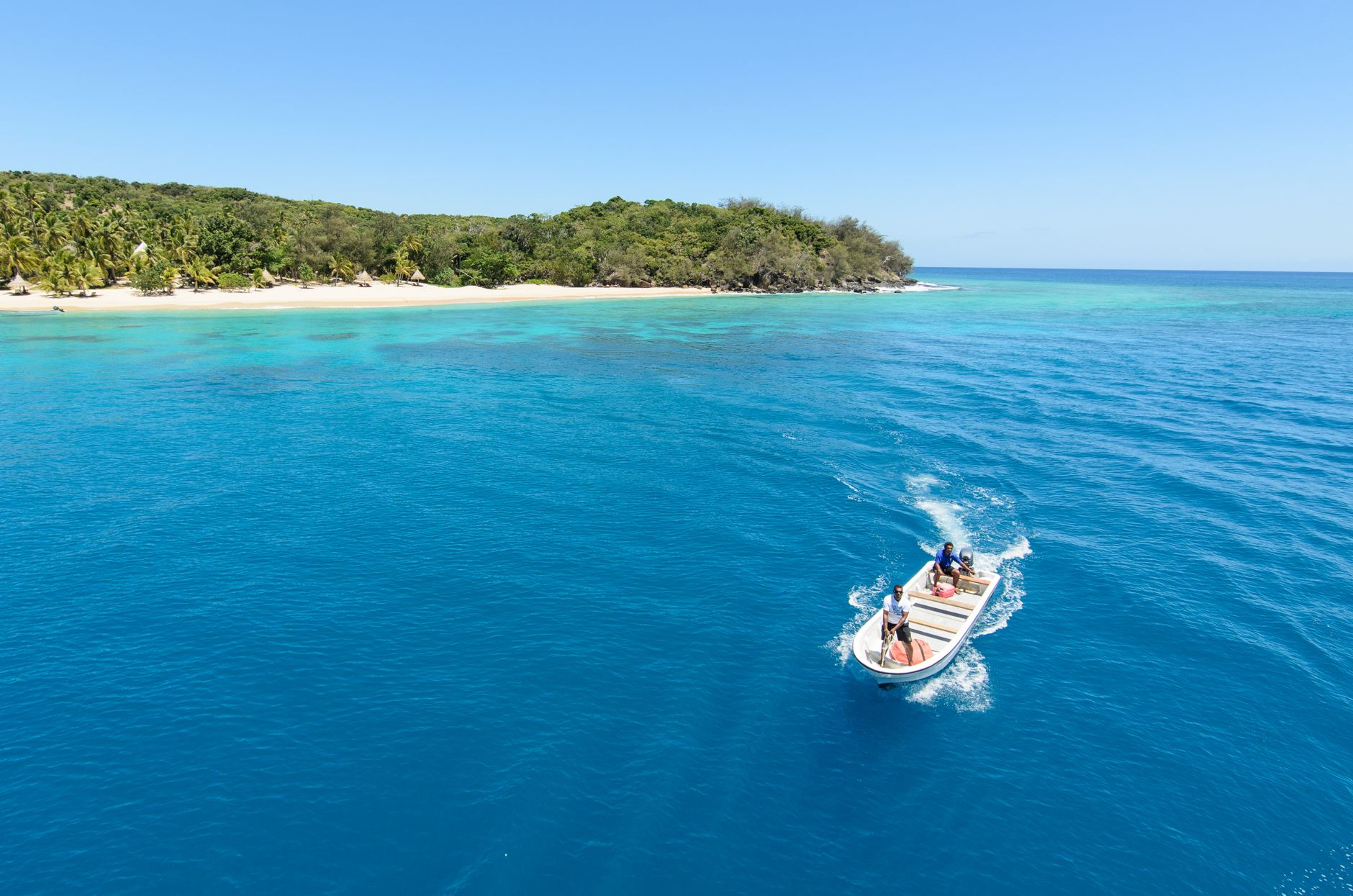
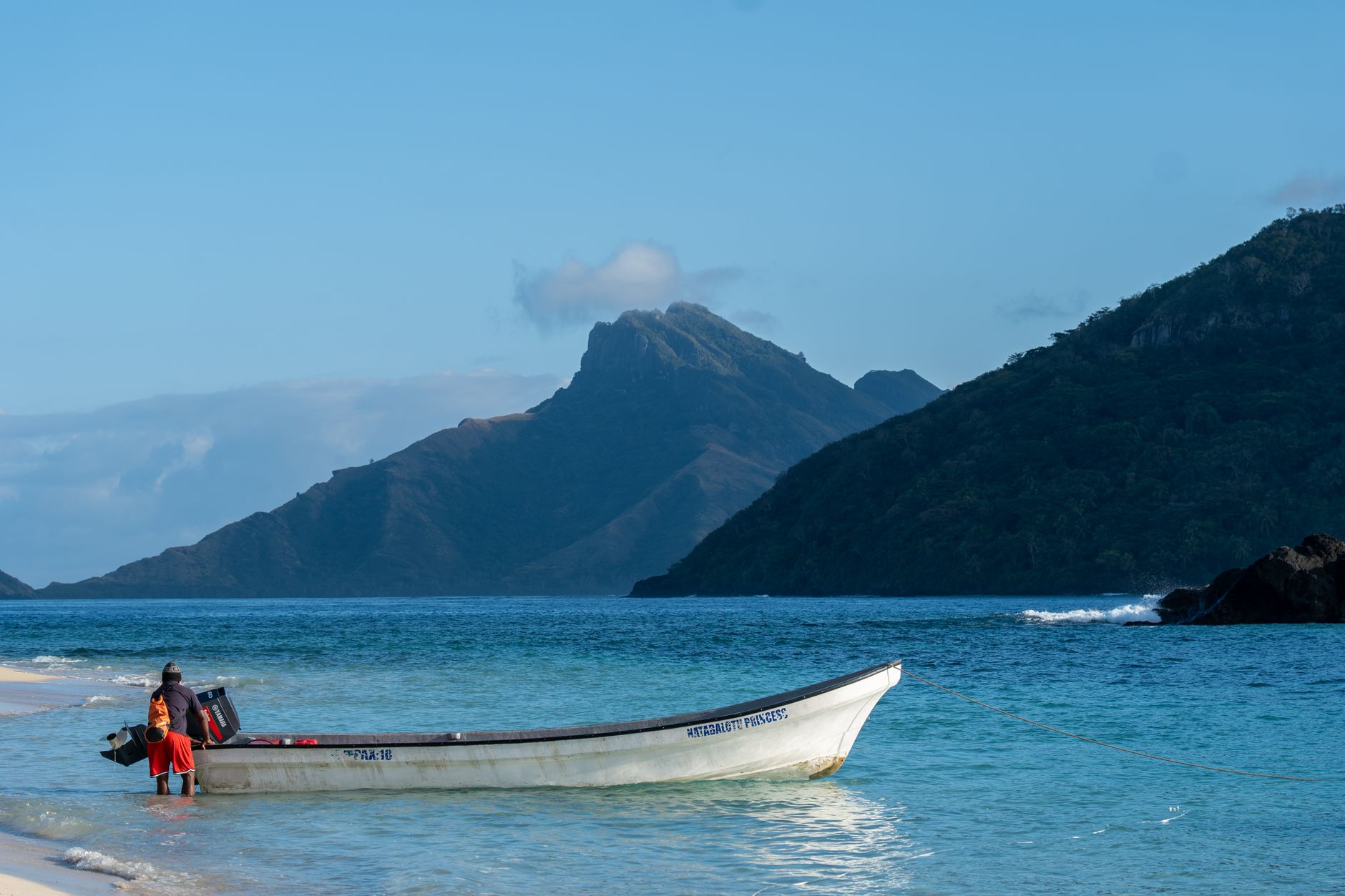
Denarau is convenient because the main jetty sits right beside a cluster of upscale hotels and a large shopping plaza. There’s a free shuttle that runs every 30 minutes to the ferry terminal, and you can book most tours directly from the resort desk. The downside is the price tag, a night at a mid‑range hotel can easily run $180 US.
Lautoka, on the other hand, feels more like a local town. You’ll find cheap meals for $4-$6 US and budget hostels for $15-$25 US a night. The ferry terminal is a short walk from the main street, and you can catch a public bus from the airport for $2 US.
My choice was Lautoka because I wanted to stretch my budget for island hopping. I arrived late at night, dropped my bag at a backpacker hostel, and slept on a fan‑blown mat. The next morning I was already at the jetty, watching a small motorboat pull away with a handful of tourists.
Whichever base you pick, make sure you have a solid Wi‑Fi plan or a local SIM; the mainland is where you’ll receive most of your ferry confirmations and weather updates.
- Denarau: easy shuttle, higher accommodation cost.
- Lautoka: cheap meals, budget hostels, bus from airport.
- Buy a local SIM (Fiji One) for $10 USD, 5 GB data.
- Check ferry timetables the night before, they can change with weather.
Public Ferries vs. Private Charters
The most common way to move between islands is the public ferry run by Fiji Ferries. It departs from Port Denarau at 7 am, 12 pm, and 4 pm, stopping at Malolo, Castaway, and then a few Yasawa stops like Nacula and Navosa. A one‑way ticket costs $20 FJD (about $9 USD) and takes roughly 2.5 hours to the first Yasawa island.
Private charters are a different animal. A 4‑hour speedboat can whisk you from Port Denarau to the Yasawa’s Mamanuca‑Yasawa junction for $150 USD split among up to four people. The ride is smoother, you can leave at a time that fits your schedule, and the captain often knows hidden snorkeling spots.
I tried both. The public ferry was crowded, the deck swayed, and the onboard snack bar sold stale samosas for $3 USD each. The charter was quieter, the crew offered fresh fruit, and we arrived at our resort a full hour earlier than the ferry schedule predicted.
Keep in mind that private boats don’t run daily during the low season (May-October). If you’re traveling then, book at least a week in advance or be prepared to wait for the next public departure.
- Public ferry: $20 FJD one‑way, 2.5 hours to first Yasawa stop.
- Charter speedboat: $150 USD split up to 4, 1.5 hours.
- Charters limited May-Oct, book 7 days ahead.
- Public ferries run 7 am, 12 pm, 4 pm from Denarau.
How to Hop Between Mamanuca and Yasawa
The Mamanuca islands sit just a short hop from the mainland, while the Yasawa chain stretches farther west. The most efficient route is to catch a ferry to Malolo Island, then transfer to a smaller boat that services the Yasawa stops. Some resorts in the Mamanuca will arrange a “bridge” transfer for you, often for an extra $30 USD.
If you’re on a tighter budget, stay on a Mamanuca island with a public dock, like Tokoriki, and catch the 12 pm ferry that continues to the Yasawas. The ferry will pause at a small pier on Tokoriki for 15 minutes to let passengers on and off, a perfect time to stretch your legs and grab a cold drink.
Another option is the inter‑island “catamaran” service that runs between the two groups twice a week. It departs from Malolo on Wednesdays and Saturdays, costs $45 USD per person, and includes a short lunch stop on a sandbar. The downside is the limited schedule, so you need to align it with your overall itinerary.
During the rainy season, the sea can get choppy and some smaller boats skip certain stops. I once missed a scheduled stop at Malolo because the captain decided the swell was too high, and we were rerouted directly to the Yasawas. Always have a backup plan, a night at a nearby resort or an extra ferry ticket.
- Take the 12 pm ferry from Tokoriki to continue to Yasawa.
- Bridge transfer via resort: $30 USD extra.
- Catamaran service: $45 USD, runs Wed & Sat.
- Check weather; small boats may skip stops in high swell.
Practical Packing and Money Tips
Island hopping means you’ll be on a boat for several hours at a time, so pack light but smart. A quick‑dry towel, reef‑safe sunscreen (SPF 30+), and a waterproof phone case saved me more than once when a sudden splash soaked my bag.
Cash is king on the smaller islands. Most resorts accept credit cards, but local eateries, market stalls, and boat operators prefer FJD in exact change. I kept a small stash of $10 and $20 notes; the crew on a charter once asked for exact change for a $12 tip.
Bring a reusable water bottle. Many islands have a “water refill” station near the dock, but the water can be warm if left in the sun. I filled my bottle at the jetty each morning and saved about $2 USD per day on bottled water.
Don’t forget a basic first‑aid kit, motion sickness tablets, band‑aids, and antiseptic wipes. The seas can be unpredictable, and a little nausea can ruin a day of snorkeling.
- Quick‑dry towel, reef‑safe sunscreen, waterproof phone case.
- Carry $10-$20 FJD notes for small purchases.
- Reusable water bottle, refill at dock stations.
- Basic first‑aid: motion sickness tablets, band‑aids.
Sample Itineraries for Different Budgets
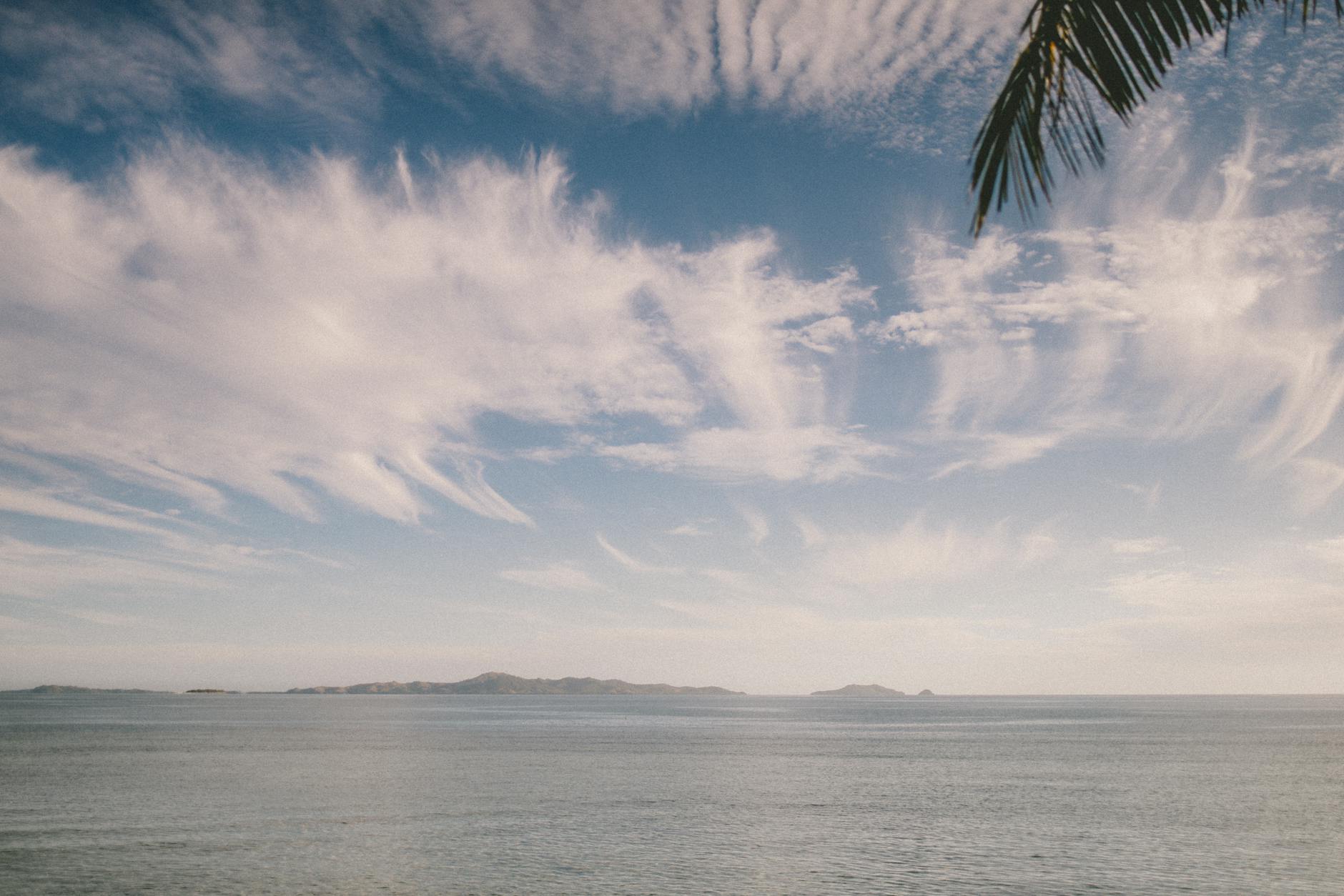
For a four‑day budget trip, I stayed on Tokoriki (Mamanuca) for two nights, then took the public ferry to Nacula (Yasawa) for the remaining two nights. Day one was a relaxed beach day, day two a half‑day snorkel, day three the ferry crossing, and day four a guided hike on Nacula’s ridge.
The total cost came to about $720 USD, including accommodation, meals, two ferry tickets, and a guided hike. I saved by cooking my own breakfast on the island’s communal kitchen and using the public ferry instead of a charter.
A seven‑day mid‑range itinerary adds a private charter from Denarau to the Mamanuca, a night on Malolo, and a day trip to the remote island of Naviti in the Yasawas. This version costs roughly $1,450 USD, but you get more flexibility and fewer crowds.
If you have a larger budget and want to avoid any waiting, book a “all‑inclusive” package that includes a private speedboat, transfers, and meals. Those packages start around $2,300 USD for a week, but they remove the stress of coordinating each leg.
- 4‑day budget: $720 USD, public ferry, self‑catered meals.
- 7‑day mid‑range: $1,450 USD, one private charter, guided hike.
- All‑inclusive week: $2,300 USD, private speedboat, meals included.
- Adjust itinerary based on ferry schedule to avoid idle days.
Timing, Seasons, and What to Expect
The dry season (November to April) offers the most reliable boat service. The seas are calmer, and the ferries rarely cancel. During the wet season, especially February, you’ll see more delays and occasional cancellations due to storms.
Peak tourist months are December through February and July. Prices for accommodation and boat transfers can jump 20‑30 % during these periods. I visited in early May, just after the high season, and found that most resorts offered “stay‑three‑pay‑two” deals.
Sunrise departures are the best for smooth sailing. The wind picks up in the late afternoon, making the return trips bumpier. I always aimed for a 7 am or 9 am departure; the water was glassy and the morning light made the islands look especially vivid.