




Mamanuca vs Yasawa Islands: Which Fiji Island Group Should You Visit?
When I first stepped off the ferry in the Mamanuca Islands, the sun was already low enough to paint the water gold, and a gentle breeze carried the scent of taro and coconut. A week later I was on a tiny boat in the Yasawa chain, watching a school of flying fish dart beneath a sky that seemed to stretch forever.
First Impressions: Landscape and Vibe

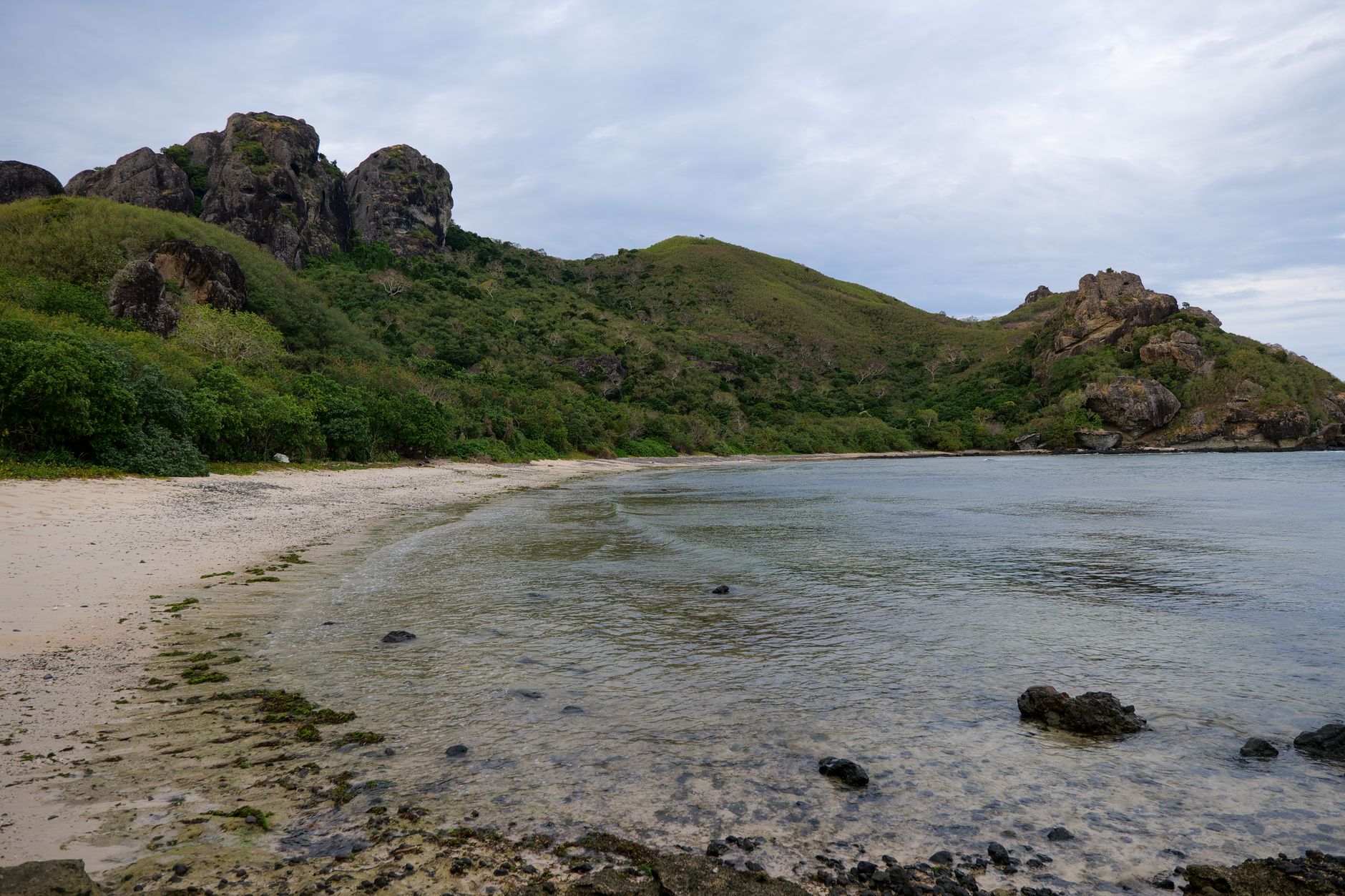
The Mamanuca group feels like a curated resort playground. Most islands have paved paths, beachside bars, and Wi‑Fi that works well enough for a quick email. The sand is soft, the reefs are close to shore, and you can snorkel straight from the dock.
Yasawa, by contrast, feels more like a series of hidden coves you discover one after another. The roads are sand tracks, the villages are small, and you’ll often hear the distant call of a rooster before you see any other tourists.
- Mamanuca: 3‑hour ferry from Nadi, frequent day trips.
- Yasawa: 5‑hour ferry or 45‑minute seaplane, fewer scheduled services.
- Both groups: tropical heat around 28‑30 °C year‑round.
Getting There: Boats, Flights, and Timing
From Nadi International Airport you have three main options: a high‑speed catamaran to the Mamanuca islands, a slower but cheaper ferry to the Yasawas, or a chartered seaplane that drops you on a sandbar for a few dollars extra.
The catamaran runs every morning from 7 am to 2 pm, costs about FJD 150 (USD 70) one‑way, and takes roughly 45 minutes to reach Port Denarau. Tickets can be booked online or at the hotel lobby, but they sell out during school holidays.
- High‑speed catamaran: FJD 150 one‑way, 45 min to Mamanuca.
- Standard ferry: FJD 80 one‑way, 5 hr to Yasawa.
- Seaplane: FJD 400 one‑way, 45 min, limited seats.
- Book at least 48 hrs ahead for seaplane.
- Bring cash for small ferry fees at the dock.
Where to Stay: Resorts, Guesthouses, and Camping
In the Mamanuca islands the accommodation spectrum is wide. On Malolo Island you find a 5‑star resort with private pools, while on Beachcomber Island the dorm‑style bunk beds cost only FJD 30 per night. Most places include meals, but the all‑inclusive packages can push the price past FJD 350 per night.
The Yasawa islands are more low‑key. On Waya Island a beachfront cabana with a mosquito net costs about FJD 120 per night, and on Nacula you can stay in a family‑run guesthouse for FJD 70. Camping is allowed on a few islands for a small fee, but you’ll need to bring your own tarp and a portable stove.
- Mamanuca: Resorts FJD 250‑500, dorms FJD 30‑50.
- Yasawa: Guesthouses FJD 70‑150, camping FJD 20.
- All‑inclusive meals add FJD 80‑120 per day.
- Most islands require a 24‑hour notice for room prep.
- Bring a power strip; some rooms have only two outlets.
Things to Do: Snorkeling, Culture, and Adventure
Snorkeling in the Mamanuca is almost guaranteed on the first day. The reef around Castaway Island is shallow, teeming with parrotfish, and you can rent a mask for FJD 10. If you’re into surfing, the break at Cloudbreak is world‑renowned, but you’ll need a guide and a boat that costs around FJD 200 for a half‑day charter.
Yasawa offers a different rhythm. You can hike to the “Blue Lagoon” on Taveuni‑Yasawa, a natural pool that glows turquoise at sunset. Village visits are usually arranged through the guesthouse; a simple home‑cooked dinner of kokoda (Fijian ceviche) costs about FJD 15 per person. For the brave, the “Sandy Bay” trek on Naviti Island is a full‑day walk with a steep climb and a rewarding view of the entire archipelago.
- Snorkel gear rental: FJD 10‑15 per day.
- Surf charter: FJD 200 half‑day, includes guide.
- Village dinner: FJD 15, includes fresh fish.
- Hike to Blue Lagoon: free, but bring water.
- Seaplane scenic flight: FJD 250 round‑trip.
Budget and Practicalities: What to Pack and How Much to Spend
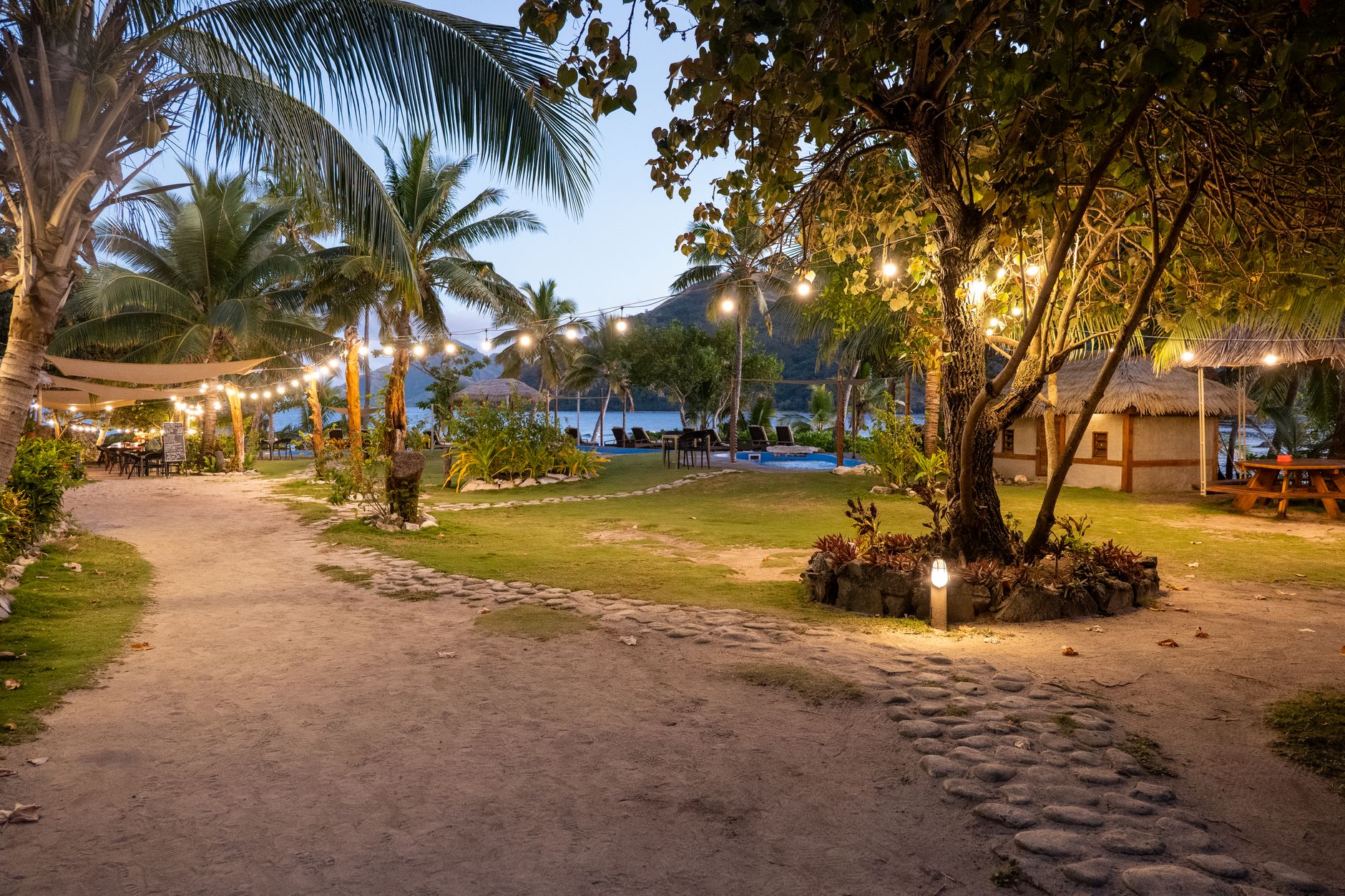
I kept a notebook of daily expenses on my trip. In the Mamanuca islands a typical day, breakfast at the resort, a snorkeling trip, and a cocktail at sunset, came to about FJD 180. In the Yasawas the same day, with a guesthouse breakfast, a boat ride to a remote beach, and a dinner with locals, was closer to FJD 120.
Pack light, but don’t forget a reef‑safe sunscreen (the reef can get irritated by chemicals), a reusable water bottle, and a pair of flip‑flops that you don’t mind getting sand in the straps. Mosquito repellent is a must for the evenings, especially on Yasawa where the air is still.
- Daily budget Mamanuca: FJD 150‑200.
- Daily budget Yasawa: FJD 100‑150.
- Reef‑safe sunscreen: FJD 25.
- Reusable water bottle: FJD 15.
- Cash: most small shops accept only FJD, bring enough for tips.
Which to Choose? Matching Your Travel Style
If you crave convenience, reliable Wi‑Fi, and a wide selection of restaurants, the Mamanuca islands feel like a polished resort zone. You’ll spend a bit more, but you won’t have to chase down a boat at odd hours.
If you prefer solitude, authentic village encounters, and the thrill of discovering a new beach each morning, the Yasawa chain delivers that raw island feeling. Expect longer travel times and fewer luxuries, but the sunsets are often quieter and the smiles more personal.
- Choose Mamanuca for comfort, short transfers, and organized activities.
- Choose Yasawa for adventure, cultural immersion, and lower daily costs.
- Both groups: bring cash, reef‑safe sunscreen, and an open mind.
My week split between the two left me with a suitcase full of sand from different beaches and a notebook full of contrasting memories. Whether you end up on a bustling beach bar in the Mamanucas or a quiet hammock on a Yasawa sandbank, Fiji’s island groups each have a story worth chasing.