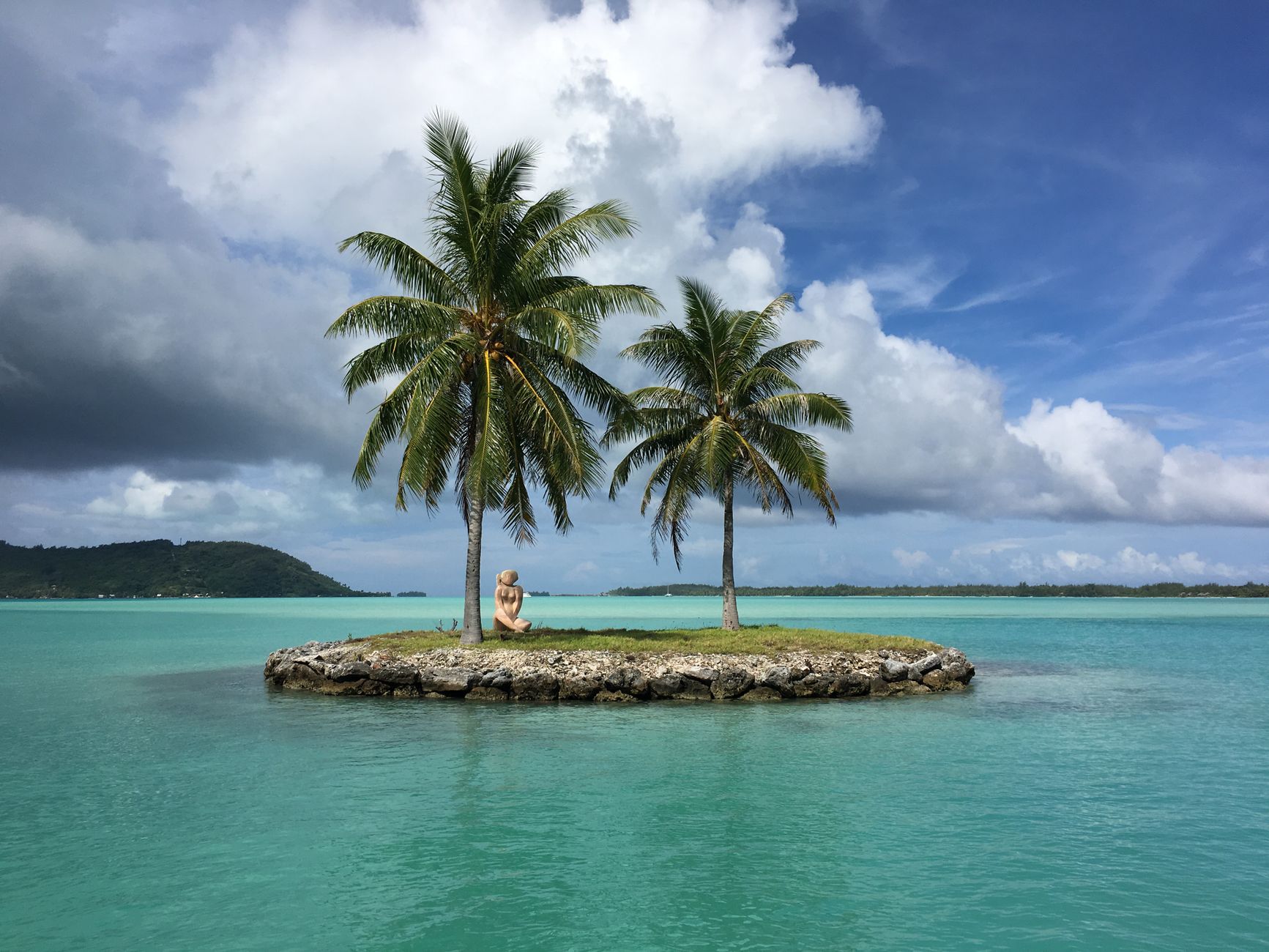
French Polynesia Itinerary: The Perfect 7-Day Tahiti, Moorea & Bora Bora Trip
pranav
–
September 16, 2026
I touched down at Faa’a International Airport on a humid Thursday morning, luggage still smelling of the airline’s cheap shampoo. A quick taxi ride (about 25 USD) dropped me in the heart of Papeete where the streets buzzed with market stalls and motorbikes. The plan was simple: two days on Tahiti, three on Moorea, and the final day in Bora Bora, all on a budget that didn’t feel like a luxury cruise.
Getting There
The flight from Los Angeles to Papeete costs roughly 850 USD round‑trip if you book three months ahead and avoid the holiday rush. I booked a seat on Air Tahiti Nui; the service is decent, meals are hot, and the flight time is just under 8 hours. Once you land, the airport is tiny, no long security lines, just a couple of coffee kiosks and a free Wi‑Fi network that drops out every few minutes.
Customs were a breeze; the officer asked if I was bringing any fresh fruit, which I wasn’t, and handed me a small booklet titled “Welcome to French Polynesia”. The booklet lists emergency numbers, a basic map of the main islands, and a reminder that the legal drinking age is 18. I kept it in my daypack for the whole trip.
Transportation from the airport to Papeete can be done by taxi, shared shuttle, or the local bus (line 1). The bus costs only 1.50 USD and runs every 30 minutes, but it’s cramped and the driver doesn’t speak English. I chose a taxi; the driver, a cheerful man named Manu, pointed out a billboard advertising a discount on lagoon tours that I later used.
If you’re planning to hop to Moorea and Bora Bora, buying a multi‑island pass from Air Moorea and Air Bora Bora in advance saves about 10 percent compared with buying each ticket separately. The pass is non‑refundable, but the dates are flexible within a 30‑day window, which helped when a sudden rainstorm forced me to shift a day on Tahiti.
Currency exchange is straightforward; the French Pacific franc (XPF) is pegged to the euro at 119.33 XPF per euro. I exchanged 200 USD at a kiosk in the airport for 21,500 XPF and got a better rate (about 2 % less) at a local bank in Papeete. Credit cards are accepted in most hotels and restaurants, but small vendors only take cash.
Multi‑island pass discount: ~10 % off individual tickets
Exchange rate: 1 EUR ≈ 119 XPF
Tahiti: First 2 Days
Day 1 was all about shaking off jet lag. I checked into a modest boutique hotel in Papeete for 120 USD per night; the rooms are tiny but the balcony offered a view of the harbor and a distant mountain silhouette. After a quick shower I walked to the market on Rue Papeete, where stall owners shouted prices in French and offered fresh papaya for 2 USD per kilo.
For lunch I grabbed a “poisson cru” bowl at a roadside stand. The fish was raw tuna marinated in lime juice, coconut milk, and a pinch of sea salt. It cost 8 USD and tasted like the ocean itself. I paired it with a cold coconut water sold by a vendor who handed me a straw made from a palm leaf.
In the afternoon I rented a car from a local agency for 45 USD a day. The car was a small Nissan Micra, perfect for the narrow streets and the occasional pothole. I drove to the western side of the island to visit the Pointe Vénus lighthouse, a short 30‑minute drive from the city centre.
The lighthouse sits on a cliff overlooking a turquoise bay where locals jump into the water for a quick dip. I spent about an hour there, watching a group of schoolchildren practice traditional dance on the beach. The entrance fee is free, but there’s a small donation box for maintenance (I tossed in 2 USD).
Day 2 started early with a guided hike to the Papenoo Valley. I booked the tour through my hotel for 70 USD, which included a local guide, water, and a simple lunch of banana leaves wrapped pork. The trail was steep, the humidity thick, and at one point a sudden downpour turned the path into a mudslide. The guide kept us moving, and the view from the waterfall at the end was worth the slip‑ups.
Back in Papeete I treated myself to a sunset dinner at a beachfront restaurant called Le Coco. The price for a grilled mahi‑mahi with a side of taro chips was 22 USD, and the service was leisurely, waiters arrived only when they felt the table needed attention. I left a tip of 3 USD, which the staff appreciated.
Hotel in Papeete: 120 USD/night (balcony view)
Car rental: 45 USD/day (compact Nissan)
Pointe Vénus lighthouse: free (donation optional)
Papenoo Valley hike: 70 USD (guide, lunch)
Meal “poisson cru”: 8 USD
Moorea: 3 Days of Island Life
The ferry from Papeete to Moorea departs every hour from the dock at Pointe Roi. I caught the 10 am ferry; the ticket cost 18 USD each way and the ride lasted 45 minutes on a modest vessel that smelled faintly of diesel. Seats are not assigned, so I grabbed a window spot and watched the coastline shrink.
On arrival, I checked into a family‑run guesthouse in Maharepa for 95 USD per night. The rooms have ceiling fans, mosquito nets, and a tiny fridge stocked with local juices. The owners, a couple named Pierre and Marie, greeted me with a warm “Bienvenue” and a plate of fresh pineapple.
Day 1 on Moorea I rented a scooter for 30 USD a day. The scooter was a bit rattly but perfect for hopping between beaches. My first stop was Opunohu Bay, where I snorkeled with a guide who pointed out a school of grey‑fin tuna that darted around my legs. The water was 78 °F, and the visibility was about 20 feet.
In the afternoon I visited the Tiki Village Cultural Centre. Admission is 12 USD and includes a short performance of traditional dance, a brief history lesson, and a chance to try carving a small wooden figurine. I left with a misshapen tiki that now sits on my nightstand as a reminder of the day.
Day 2 was all about the famous “Three Coconuts” trail that circles the island. I joined a small group for a half‑day trek that cost 55 USD, guide included. The trail is well‑marked but can be slippery after rain; I slipped once near the Belvedere look‑out but managed to keep my balance. The view of Mount Otemanu from the top is iconic, and I spent a good 20 minutes just breathing in the salty air.
Evening on Moorea I tried a “poi” dinner at a beachside restaurant. Poi is a taro paste, and the dish came with grilled chicken, a side of sautéed bok choy, and a drizzle of coconut cream. The total was 18 USD, and the server offered to split the bill with a neighboring table, which made the night feel communal.
Ferry Papeete‑Moorea: 18 USD each way (45 min)
Guesthouse in Maharepa: 95 USD/night
Scooter rental: 30 USD/day
Snorkel guide: 25 USD (hour)
Three Coconuts hike: 55 USD (guide)
Bora Bora: The Grand Finale
Morning of Day 6 I boarded a 30‑minute flight from Moorea to Bora Bora with Air Moorea. The ticket cost 120 USD, and the plane landed on a short runway that feels like a strip of concrete floating on the lagoon. The view from the window as we descended was surreal, shimmering turquoise water dotted with overwater bungalows.
I stayed at a modest overwater bungalow at the “Lagoon Resort” for 210 USD per night, inclusive of breakfast and a nightly reef‑cleaning activity. The bungalow had a small deck, a glass floor panel to watch fish, and a bathroom with a rain shower that occasionally sputtered when the water pressure dropped.
The first thing I did was book a lagoon tour that costs 85 USD per person. The tour includes a motorboat ride, a stop at a sandbank for a beach picnic, and a chance to swim with stingrays. The stingrays are gentle; they brushed against my hand as I floated, and the guide handed me a waterproof camera for a few minutes.
Afternoon I tried a “shark and ray feeding” excursion. It was a bit pricey at 110 USD, but the operators explained the safety procedures clearly, and the feeding area was well‑marked. The blacktip sharks circled the boat, and I felt a thrill watching them glide just a few meters away.
Evening was a quiet dinner on the resort’s main deck. I ordered a “lobster à la tahitienne” for 38 USD, which came with a side of sautéed vegetables and a glass of locally produced pineapple wine. The lobster was sweet, and the wine had a faint fizz that paired surprisingly well.