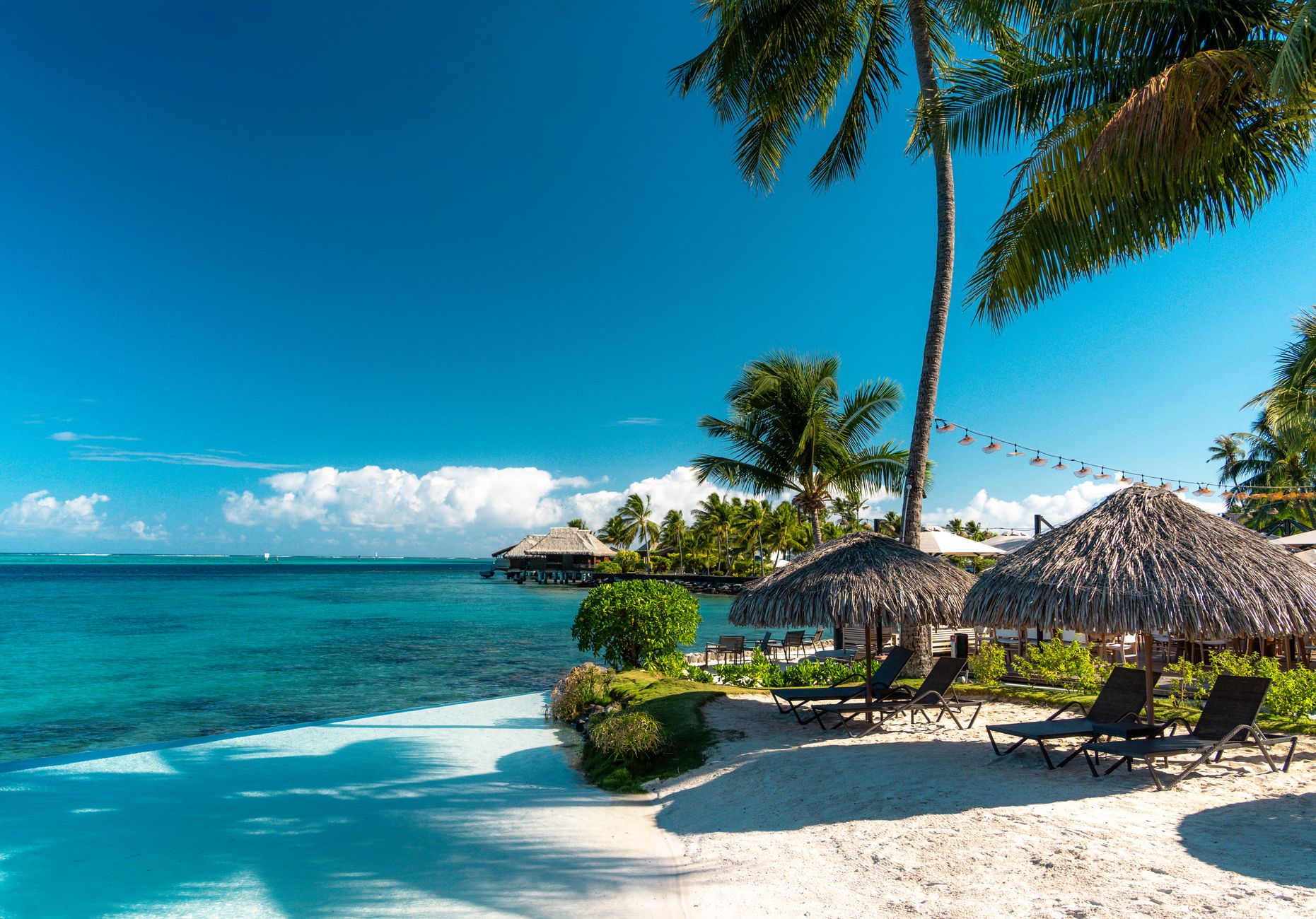
Best Time to Visit Tahiti: Weather, Whale Watching, Surfing & Crowds
pranav
–
September 16, 2026
Tahiti feels like a different world depending on the month you step off the plane. I’ve been there three times, each visit teaching me a new rhythm, the dry heat of June, the sudden downpours of February, the hump‑back whales breaching just off Punaauia, and the locals surfing the same reef break I tried to ride in September. The island’s calendar is tight, but if you line up your priorities with the weather, wildlife, and tourist flow, you can turn a good trip into a great one.
Dry Season (May - October): Sun, Calm Seas, and Higher Prices
May through October is what most guidebooks call the “dry” season. The sun sits high, humidity drops to the high 60s percent, and rain showers become brief and isolated. Daytime highs hover around 29 °C (84 °F) in Papeete, while evenings dip to a comfortable 22 °C (72 °F). The trade winds are steady, which makes the lagoon water crystal clear and perfect for snorkeling at the coral gardens of Matira Beach.
Because the weather is reliable, most flights land in late May or early June, and hotels start charging their peak rates. A standard double‑room at a mid‑range resort in Punaauia costs about US$250 per night, all‑inclusive. If you’re willing to stay in a family‑run guesthouse on the east coast, you can find rooms for US$90‑$120, but they fill up fast.
Pack light, breathable clothing; a light rain jacket for occasional showers.
Expect $1.50‑$2.00 for a bottle of water; tap water is safe but many tourists buy bottled.
Book reef tours at least two weeks ahead; spots disappear in the first week of June.
Car rentals rise to $70‑$90 per day in July and August.
Sun protection: SPF 50+ sunscreen runs about $12 in Papeete.
Rainy Season (November - April): Lush Green, Fewer Crowds, and Flexible Plans
From November to April the island swells with rain, especially on the windward side. Daily highs stay near 28 °C (82 °F) but humidity spikes above 80 percent, and afternoon downpours can last three to four hours. The good news? The landscape turns a vivid emerald, waterfalls become spectacular, and the air feels cooler after a shower.
Tourist numbers dip by roughly 40 percent, so you’ll find room rates dropping to US$150‑$180 for the same resort that costs $250 in the dry months. Small boutiques and markets often have sales on handmade pareos and black‑pearl jewelry. The downside is that some water‑based activities, like paddle‑boarding at Matira, are cancelled when the wind picks up.
Bring waterproof sandals and a quick‑dry towel; many hotels don’t provide beach towels in the rainy season.
Carry a small dry bag for electronics during boat trips.
Budget $10‑$15 for a hearty bowl of poisson cru at a local eatery.
Expect ferry schedules to shift; allow extra travel time between Moorea and Tahiti.
Check airline change fees, they’re lower in off‑peak months, often $50.
Whale Watching (July - October): Timing the Giants
Hump‑back whales migrate from Antarctica to the warm waters around Tahiti each winter. The peak sighting window is from late July through early October. I joined a small boat tour from Punaauia in early August; the crew handed out binoculars and a waterproof camera case for about US$85 per person. We saw a mother and calf breach just 200 meters off the bow, a moment that made the price worth it.
The best spots are the north‑west coast near the Papara lagoon and the southern tip of the island where the currents bring the whales close to shore. Tours run twice a day, sunrise and sunset, and they’re weather‑dependent. If a storm rolls in, the captain will head back, but you’ll still have a chance to see dolphins riding the bow wave.
Book whale tours at least 48 hours in advance; last‑minute slots fill up fast.
Bring a windproof jacket, the ocean can be chilly even in July.
Most operators accept only cash for tips; $10‑$15 per crew member is customary.
Bring a reusable water bottle; many tours provide fresh water but ask for a tip.
Check if the tour includes a marine biologist guide, adds $20 to the fee but offers insight.
Tahiti’s famous break, Teahupo’o, is world‑renowned for its heavy barrels, but it’s not for beginners. The swell season aligns with the dry months, delivering consistent 6‑12‑foot waves from June to September. I rented a 6‑foot board from a shop in Papeete for US$30 a day; the shop also offered a “beginner’s guide” session for $45, which was a lifesaver on my first day.
If you’re a novice, head to the softer reef at Papara Beach, where waves stay under 4 feet most mornings. Local surf schools run group lessons from $55 for a three‑hour session, and they provide transport from Papeete to the break. During the peak surf competition in August, surf spots can get crowded, and parking at the main access points fills up by 9 am.
Rent a board early in the morning; shops often have a “first‑come, first‑served” policy.
Carry reef‑safe sunscreen (reef‑safe options cost about $14).
Bring a waterproof watch; tides shift quickly on the west coast.
Local surf schools accept credit cards, but small cash tips are appreciated.
Check the surf forecast on Magicseaweed; updates are posted twice daily.
Crowds, Costs, and the Sweet Spot (Mid‑May & Late‑September)
If you want decent weather without the July‑August tourist rush, aim for mid‑May or late‑September. In May, the trade winds have settled, rain is rare, and hotels still charge the “shoulder” rate, about 15 percent lower than July. September sees the tail end of the whale season, the surf is still solid, and the island’s main festivals have wrapped up, so streets are quieter.
Airfare reflects this balance. I booked a round‑trip ticket from Los Angeles to Papeete in early September for US$980 on a carrier that includes one checked bag. The same route in early July was $1,250. Accommodations in September dropped to US$180 for a beachfront bungalow that would cost $240 in July. The trade‑off is that some restaurants close for a short break after the high season, so plan dinner spots ahead.
Use a flight‑price alert; September fares often dip 10‑15 % after the first week of the month.
Consider staying in a “pension” on the east coast; rates are $80‑$100 per night and include breakfast.
Public buses run every hour between Papeete and the airport for $2.50; taxis cost $30‑$40.
Book restaurant reservations at least three days in advance for popular spots like Le Coco’s.
Pack a reusable tote for market purchases; many vendors charge $0.10 per plastic bag.
No single month is perfect for every activity, but by matching your top priorities to the island’s natural rhythm, you can avoid the worst of the rain, the biggest crowds, and the steepest prices. Whether you’re chasing whales, riding a reef break, or simply lounging under a palm with a cold juice, Tahiti rewards a little planning with unforgettable moments.