




Tahiti Travel Guide: Everything You Need to Know Before Visiting French Polynesia
Landing in Papeete after a 13‑hour flight from Los Angeles, I felt the humidity hug me the moment I stepped out of the terminal. The airport is small, the staff speak English and French, and a single taxi ride to the city centre costs about 30 USD.
Getting There and Around

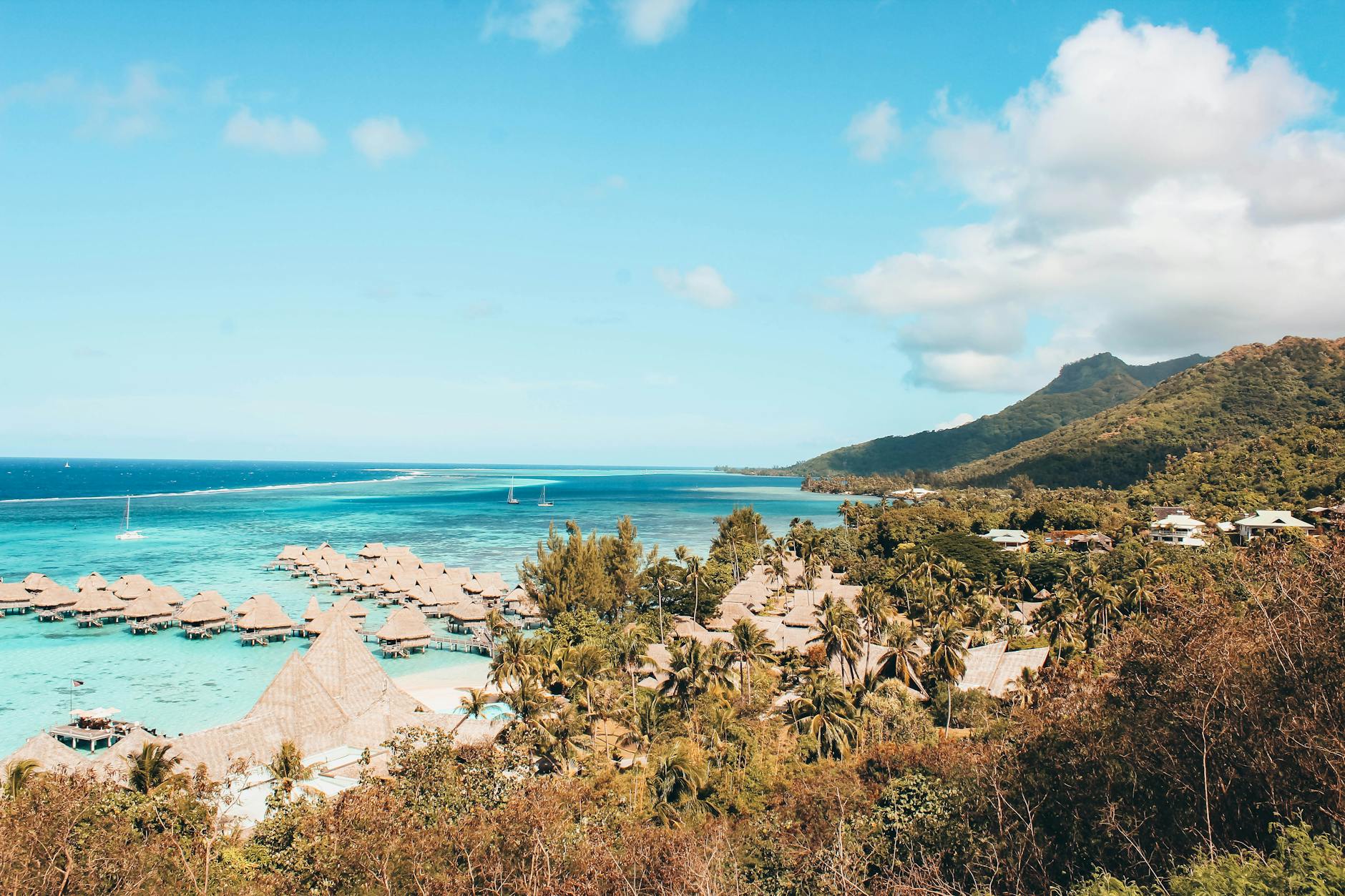
The main gateway is Faaʻā International Airport, just a 10‑minute drive from downtown Papeete. If you’re on a tighter budget, the local airline Air Tahiti offers a shuttle from the terminal to the main bus station for roughly 5 USD.
Once on the island, renting a car is the easiest way to explore at your own pace. A compact car from a local agency runs about 55 USD per day, insurance included, and you’ll need an international driving permit.
Public transport consists of “bus‑taxis” that follow set routes but stop on request. They’re cheap, around 2 USD per ride, but don’t expect strict schedules; a bus might arrive after a half‑hour wait.
- Airport taxi: 30 USD flat rate to Papeete.
- Car rental: 55 USD/day, include insurance.
- Bus‑taxi fare: 2 USD per trip.
- Air Tahiti shuttle: 5 USD, runs every hour.
- International driving permit required.
Where to Stay
Papeete offers a range of options from budget hostels to luxury resorts. I stayed at a boutique guesthouse in the Maupiti district; the room cost 70 USD per night, included breakfast, and the owner gave me fresh mango slices each morning.
If you prefer beachfront, head to the west coast of Tahiti Itau. A mid‑range resort there charges about 150 USD per night, with a pool overlooking the lagoon and a free shuttle to the nearest grocery store.
For a true Polynesian experience, consider a “pension” in a village. These family‑run places charge 45 USD per night, provide home‑cooked meals, and you’ll often be invited to a local dance in the evening.
- Budget guesthouse: 70 USD/night, breakfast included.
- Mid‑range resort: 150 USD/night, pool view.
- Village pension: 45 USD/night, home‑cooked meals.
- All bookings are best done 2‑3 months ahead.
- Free Wi‑Fi is rare outside the main city.
Top Activities and Sights
The black‑sand beach at Pointe Venus is a must‑see; the sand feels cool underfoot and the water is calm enough for a quick dip. I spent an hour there in the late afternoon, and the sunset painted the sky a deep orange.
For a taste of history, visit the Museum of Tahiti and Her Islands. Admission is 8 USD and you can see ancient tiki statues, a replica of a 19th‑century canoe, and a short film in French with English subtitles.
Hiking enthusiasts should try the trail to the waterfall at Fautaua Valley. The hike is steep, takes about three hours round‑trip, and you’ll need sturdy shoes and a 10 USD park fee.
- Pointe Venus beach: free, best at sunset.
- Museum entry: 8 USD, open 9 am‑5 pm.
- Fautaua Valley hike: 3 hours, 10 USD fee.
- Snorkeling tours: 60 USD for a half‑day.
- Local market (Marché): try fresh papaya for 2 USD.
Food, Drink, and What to Try
Breakfast in Papeete usually means fresh fruit, a croissant, and a strong espresso. I loved the papaya‑mint juice at a street stall; it cost only 3 USD and was the perfect way to beat the heat.
Seafood is the star of any dinner. Order the mahi‑mahi grilled with a lime‑butter sauce, and expect to pay around 25 USD for a plate with rice and vegetables.
If you’re curious about local cuisine, try “poisson cru”, raw fish marinated in coconut milk, lime, and onions. It’s served in most restaurants for about 12 USD and comes with a side of taro chips.
- Morning fruit juice: 3 USD.
- Grilled mahi‑mahi dinner: 25 USD.
- Poisson cru: 12 USD.
- Local market snacks: 1‑2 USD each.
- Tap water is safe; refill your bottle.
Practical Tips and Packing Essentials
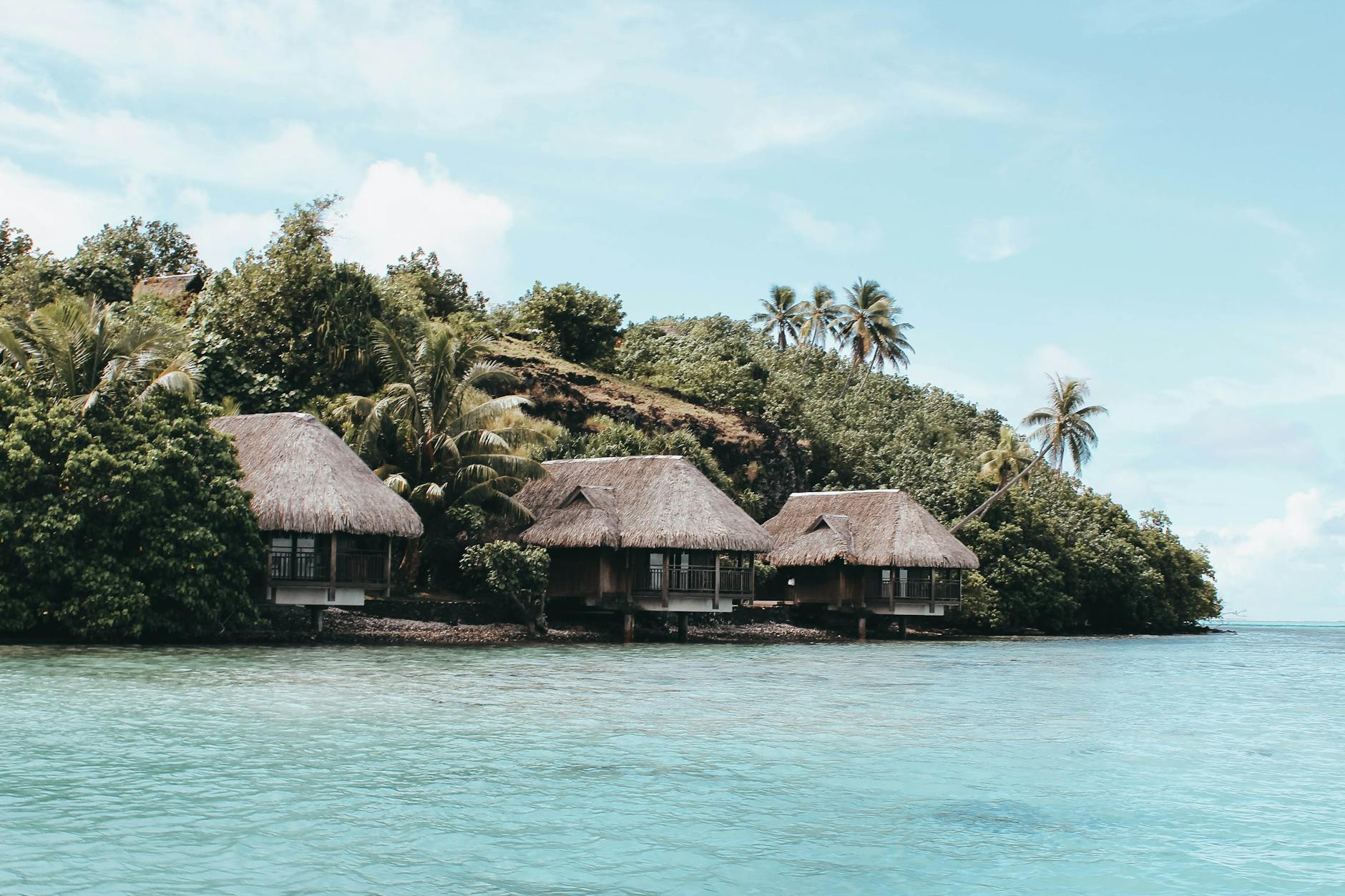
Currency is the CFP franc (XPF); ATMs dispense it, but they often have a 3 % surcharge, so withdraw enough cash for the first day. Credit cards are accepted in most hotels and restaurants, but small vendors prefer cash.
The climate is tropical year‑round, with a rainy season from November to April. Pack a lightweight rain jacket, quick‑dry shirts, and a pair of sandals that can handle both beach sand and rocky paths.
Sun protection is non‑negotiable. The UV index regularly hits 12, so a high‑SPF sunscreen (at least 50), a wide‑brim hat, and sunglasses are must‑haves. I bought a travel‑size sunscreen for 8 USD at the airport because prices on the island are higher.
- Carry 10 000 XPF cash for small purchases.
- Bring a rain jacket for November‑April.
- Use SPF 50+ sunscreen, hat, and sunglasses.
- Pack reef‑safe sunscreen to protect marine life.
- Bring a power adapter (type E).
Timing Your Visit
The best window for clear skies and warm water is May through October. During this period, flights are slightly cheaper, averaging 950 USD round‑trip from the U.S. West Coast.
If you don’t mind occasional showers, the off‑peak months of November and December offer lower accommodation rates, up to 20 % off the high season.
Keep an eye on local festivals. The Heiva festival in July showcases traditional dance, music, and sports; tickets are free but accommodations fill up fast.
- High season (May‑Oct): best weather, higher prices.
- Off‑peak (Nov‑Dec): up to 20 % cheaper rooms.
- Heiva festival: July, book early.
- Flight cost average: 950 USD round‑trip.
- Book flights 3‑4 months ahead for best rates.
All in all, Tahiti feels like a laid‑back island where the pace slows down as soon as you step off the plane. With a little planning, knowing when to go, where to stay, and what to bring, you’ll get more than just postcard pictures; you’ll leave with stories that feel personal and a few extra sun‑kissed memories.