




Tahiti vs Bora Bora vs Moorea: Which French Polynesian Island Is Best?
When I first stepped off the plane in Papeete, the air felt warm and salty, and the scent of frangipani was everywhere. I had a week booked to hop between the three most talked‑about islands, and I was ready to compare them side by side.
How to Arrive

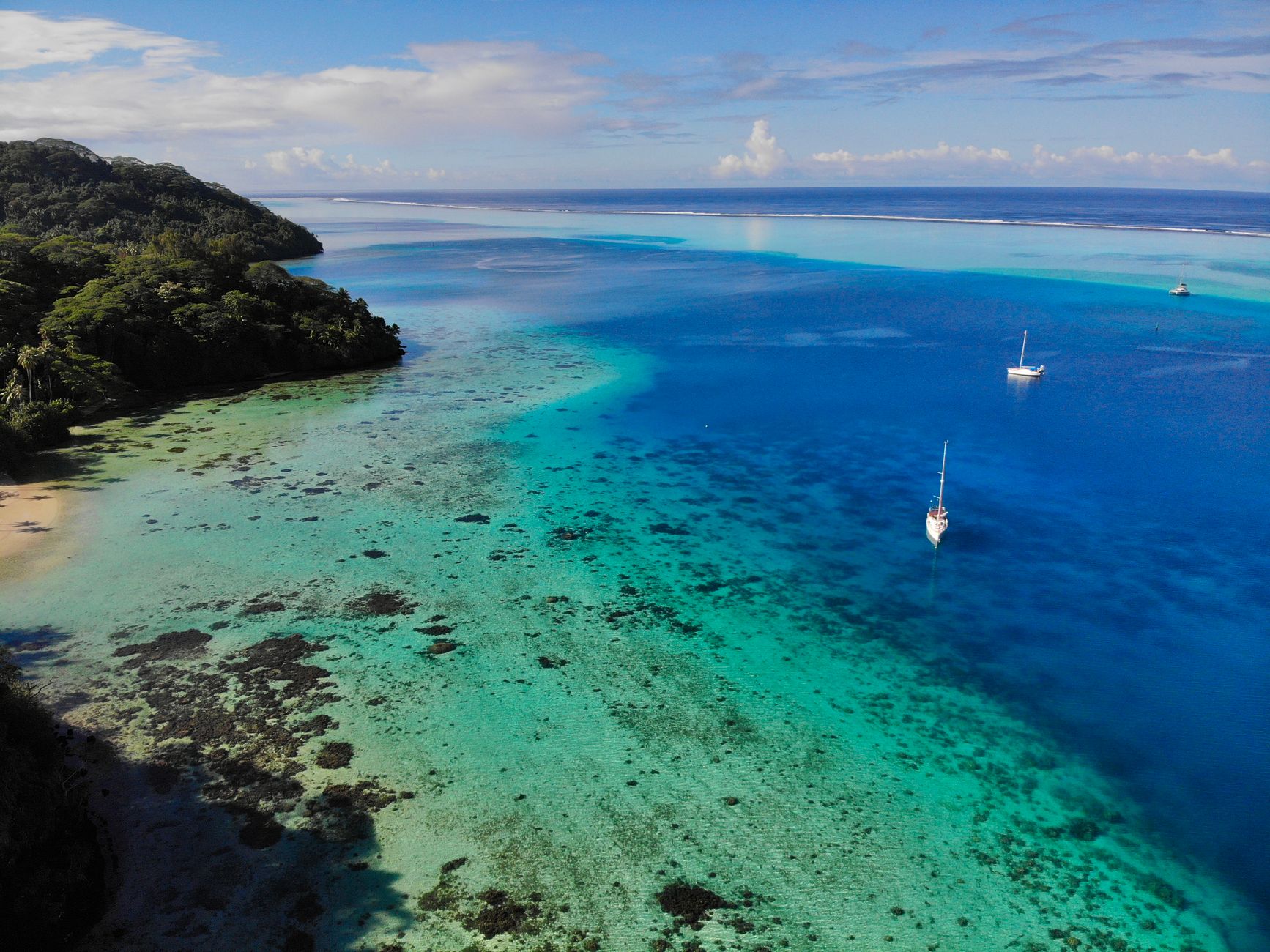
International flights land at Faaʻā International Airport, a modest hub about 15 minutes from downtown Papeete. Most airlines charge around US$1,200 for a round‑trip ticket from Los Angeles in low season, a little higher in July.
From the main airport you can catch a 45‑minute domestic flight to Bora Bora (Air Tahiti, US$250 one way) or a 30‑minute hop to Moorea (US$100). Tahiti itself is reachable by a quick 30‑minute ferry from the main pier.
- Book domestic legs at least two weeks ahead; seats fill up fast in August.
- Carry a small carry‑on for the inter‑island flight; checked bags add US$30 per bag.
- Bring a universal power adapter; most hotels use French‑type sockets.
- Cash in CFP francs is handy for market stalls; ATMs dispense euros and dollars.
- Travel insurance that covers water activities is worth the extra US$40.
Tahiti: The Big Island
Tahiti feels like the mainland of French Polynesia. The island is split into two halves by a volcanic ridge, and the capital, Papeete, buzzes with markets, cafés, and a handful of museums.
I stayed at a mid‑range boutique hotel in the suburb of Punaauia for US$150 a night, including breakfast. The rooms were small but clean, and the staff spoke English and French fluently.
For a taste of local life I walked the Friday market at Place Papeete, haggling over fresh mangoes that cost about US$2 per kilo. The night market offered grilled fish wrapped in banana leaves for US$8.
Adventure seekers can hike to the top of Mount Aorai; the trail starts at the Tahiti Iti side and takes roughly four hours round trip. I needed a sturdy pair of shoes and plenty of water, the trail isn’t marked with signs.
- Hotel rooms in Papeete average US$120-180 per night; resorts on the coast can exceed US$300.
- Car rentals start at US$45 per day; a compact is enough for most roads.
- Meals at local “roulottes” cost US$10-15 for a plate of poisson cru.
- Public bus tickets are US$2 each; taxis charge a flat US$5 for short trips.
- Wi‑Fi is free in most cafés but can be spotty on the north coast.
Bora Bora: The Luxury Spot
Bora Bara’s reputation for overwater bungalows is earned. I booked a three‑night stay at a resort on the lagoon’s edge for US$650 per night, all‑inclusive, which included a private deck and direct water access.
The lagoon water is a clear turquoise that stays warm enough for swimming year‑round. I rented a paddleboard for US$35 a day; the calm waters made it easy to glide past coral heads without disturbing the fish.
One afternoon I joined a shark‑and‑ray snorkeling tour; the boat left at 9 am, cost US$120 per person, and the guide handed out reef‑safe sunscreen. The rays were shy at first, but after a few minutes they floated up to investigate.
Dining at the resort’s main restaurant was a mixed bag. The breakfast buffet was generous, but the dinner à la carte menu ran US$40 for a lobster tail, which felt steep compared to Tahiti’s street food.
- Overwater bungalows start around US$600 per night; garden rooms are about US$300.
- All‑inclusive packages often include two meals and one activity.
- Excursions such as jet‑ski rentals cost US$80 per hour.
- Airport transfers are usually a 15‑minute boat ride costing US$50 per person.
- Internet in resorts can be slow; consider a local SIM for US$30 with data.
Moorea: The Middle Ground

Moorea felt like a compromise between Tahiti’s hustle and Bora Bara’s polish. I arrived on a 20‑minute ferry from Papeete, paying US$12 each way, and checked into a family‑run guesthouse for US$90 per night.
The guesthouse sat on a hill overlooking Opunohu Bay; the view of Mount Rotui was spectacular at sunrise. The owner, a retired teacher, served homemade banana bread with coffee for US$5.
I spent a day renting a scooter for US$25 and circling the island’s perimeter. The road is narrow and windy, but the stops at Tiki Beach and the Belvedere viewpoint were worth the effort.
Snorkeling at the Lagoonarium cost US$70 and included a guide who showed me how to spot the tiny orange‑spotted clownfish that hide among the anemones.
- Guesthouses range US$80-120 per night; small resorts start at US$200.
- Scooter rentals are US$20-30 per day, helmets provided.
- Meals at local eateries cost US$12-18 for a plate of mahi‑mahi.
- Popular hikes like the Three Caves trail take 2-3 hours and are free.
- Ferry tickets are US$12 each way; they run every hour from 7 am to 9 pm.
What Matters Most
Choosing the right island depends on what you value most. If you crave nonstop nightlife, markets, and a mix of urban and natural experiences, Tahiti gives you the most variety for the price.
If you’re after a picture‑perfect honeymoon with private decks and a calm lagoon, Bora Bara delivers that romance, but it comes with a premium that can double your budget.
For families or travelers who want a balance of adventure, affordability, and a touch of luxury, Moorea sits in the sweet spot. You get decent resorts, easy access to activities, and a slower pace.
- Budget travelers should base themselves in Tahiti or Moorea; avoid overwater bungalows.
- Couples seeking privacy will find the best value in mid‑range Bora Bara resorts.
- Families appreciate Moorea’s safe beaches and kid‑friendly tours.
- Travel time between islands is under an hour; plan at least two nights on each.
- Pack reef‑safe sunscreen, a reusable water bottle, and a lightweight rain jacket.
After three weeks of island hopping, I left French Polynesia with a sun‑kissed nose and a notebook full of numbers. Tahiti gave me culture, Bora Bara gave me indulgence, and Moorea gave me freedom. Your perfect island will match the kind of vacation you want to remember.