




Guam Beyond the Resorts: Local Food, Villages & Cultural Experiences
When the plane touched the runway at Antonio B. Won Pat International Airport, the first thing I noticed was the smell of fried pork and the distant hum of a diesel generator at a roadside stand. I spent three days in Tumon, but the real story of Guam unfolded once I stepped off the resort strip, onto the island’s quieter roads and into neighborhoods where locals live, eat, and celebrate.
Finding the Real Food Scene

Breakfast on the island isn’t a buffet of tropical fruit (although that’s plentiful). Near the village of Agana, a tiny shop called Kiosko serves a steaming bowl of “red rice” with a side of fried egg for about $3. The rice is a deep maroon, cooked with annatto seeds, and the flavor is earthy, not sweet.
For lunch, head to a family‑run eatery in Mangilao called Tita’s. Their “kelaguen”, chicken shredded, mixed with lemon juice, onions, and toasted coconut, is served on a banana leaf for $7. I asked the owner why he still uses banana leaves; he laughed and said it keeps the food warm and smells like the sea.
Dinner can be an adventure at the night market in Hagatna. The stalls pop up after 6 p.m., and you can sample “siña” (sweet potato cake) for $1.50 each. The market isn’t air‑conditioned, so bring a light jacket if you’re coming from the beach.
- Red rice bowl: $3, 7 am-2 pm, cash only.
- Kelaguen plate: $7, expect a 10‑minute wait.
- Night market snacks: $1-$2, open nightly 6 p.m.-10 p.m.
- Local coffee: $2 a cup, brewed with chicory.
- Tip: Carry small bills; many stalls don’t accept cards.
Village Life in Håfa Adai
The village of Håfa Adai (pronounced “ha‑fa‑ah‑dai”) feels like a small town you could walk through in an hour. The main road is lined with laundry lines, rusted bicycles, and a small church where a choir practices at 5 p.m. every Sunday.
On Thursday evenings the community gathers at the local “purok” hall for a potluck. I was invited to bring a side dish; I showed up with a bag of sliced plantains, and the host rewarded me with a slice of “latiya”, a coconut‑milk cake that costs $3 at the bakery.
Getting there is easy by island bus; route 12 stops right in front of the hall. The fare is $2.50, and the bus runs every 30 minutes from 6 a.m. to 8 p.m. The driver greeted me with a friendly “Håfa adai” and pointed out a hidden viewpoint where you can see the reef at low tide.
- Bus route 12: $2.50, runs every 30 minutes.
- Purok hall potluck: Thursday 6 p.m., bring a small dish.
- Church service: Sunday 5 p.m., free entry.
- Viewpoint access: free, but bring water.
- Parking: limited, arrive early if driving.
Cultural Sites Off the Beaten Path
Most tourists head to Two Lovers Point, but the Chamorro Village Heritage Trail in Dededo offers a quieter glimpse into pre‑colonial life. The trail is marked by wooden signs and leads to a restored latte stone platform that dates back to the 12th century.
I joined a volunteer group that was cleaning the site on a Saturday morning. They handed out gloves for $0 and a bottle of water for $1. After an hour of work, the guide explained how the stones were used as foundations for homes, and we got to sit on a replica that felt surprisingly sturdy.
Nearby, a small museum in Yigo houses artifacts rescued from World War II bomb sites. Admission is $4 for adults, and the docent lets you handle a rusted Japanese rifle (after a quick sanitizing wipe). It’s a reminder that Guam’s history is layered, not just a postcard beach.
- Latte stone trail: free, self‑guided.
- Volunteer clean‑up: $0, bring gloves.
- Yigo museum entry: $4, open 9 a.m.-3 p.m.
- Guided tours: $15, book at the visitor center.
- Tip: Wear sturdy shoes; paths can be uneven.
Markets and Night Bazaars

The Chamorro Market in Hagatna operates every Wednesday and Saturday from 7 a.m. to 12 p.m. Stalls sell everything from fresh “taro” roots to hand‑woven “hablon” fabrics. I bought a small bag of taro chips for $2; they were crisp, salty, and a bit sweet.
On Friday nights, the “Mouth of the Sea” bazaar opens near the harbor. Local musicians set up a stage, and the smell of grilled “bbq pork” drifts across the dock. I tried “kadon pika”, a spicy chicken dish, for $6, and the heat lingered for hours, so I ordered a sweet “coconut shake” to cool down.
Parking can be tricky; the lot fills up by 8 p.m. I ended up walking three blocks from a street‑side parking area, which turned out to be a good excuse to explore a few more stalls. The vendors are happy to barter if you ask politely.
- Chamorro Market days: Wed & Sat, 7 a.m.-12 p.m.
- Typical snack price: $1-$3.
- Night bazaar start: 6 p.m., busiest after 8 p.m.
- Parking fee: $5 for the lot, free on the street.
- Cash tip: bring small change for bargaining.
Day Trips Beyond Tumon
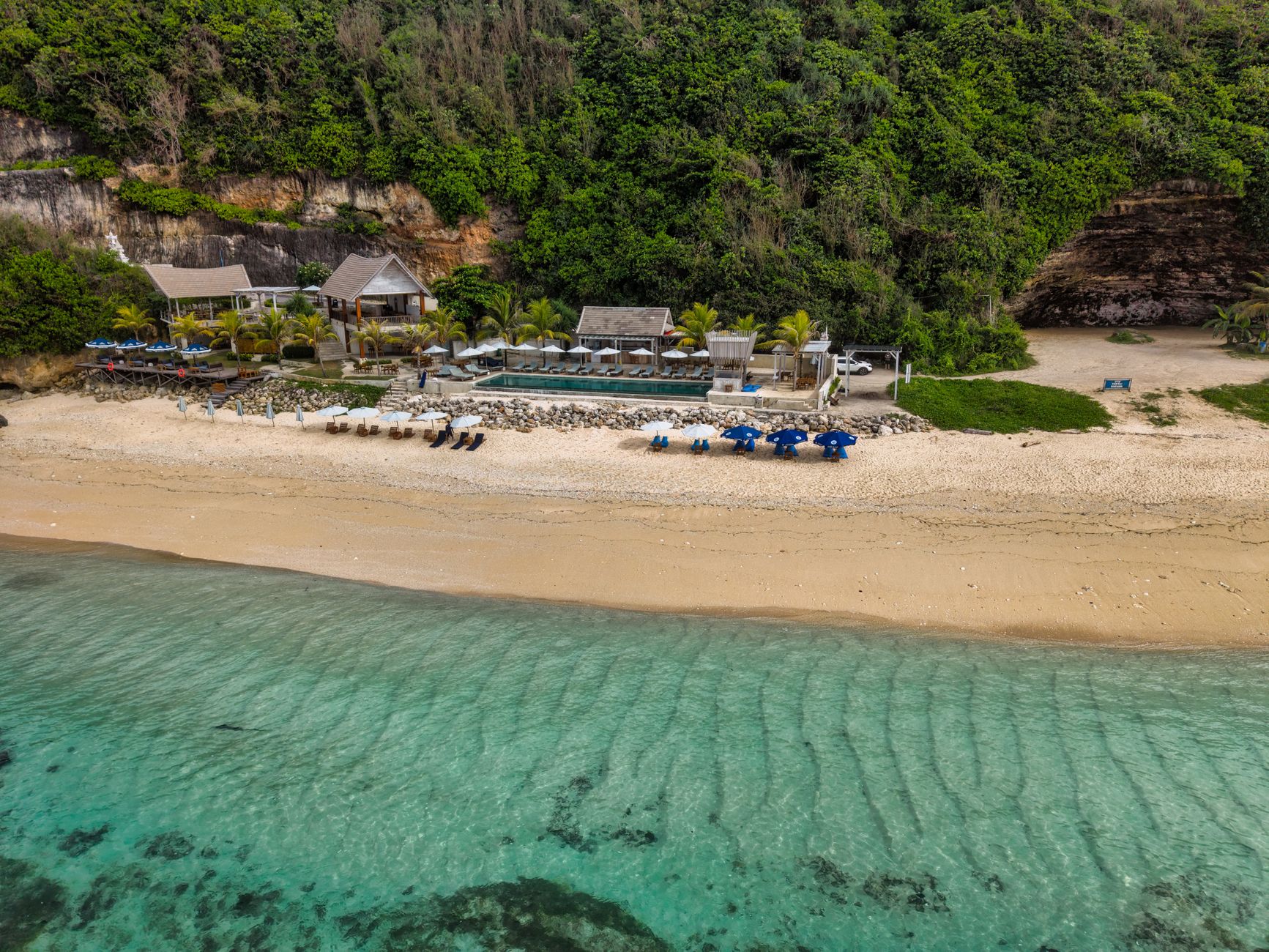
Renting a car for a day costs about $45, plus $10 for gas. I drove north to the village of Umatac, where a quiet beach sits beneath a limestone cliff. The tide was low at 9 a.m., exposing tide pools full of tiny crabs and sea urchins.
After a quick swim, I stopped at a roadside stand that sold “baked banana” for $1.50. The banana was wrapped in foil, baked over a charcoal fire, and drizzled with honey. It was simple, but the flavor of the island’s wild bananas is unforgettable.
On the way back, I visited the “Cocos Island” snorkeling spot. The boat ride from the dock costs $25 per person, and the guide provides a basic mask and snorkel. The water is clear, and I saw a school of “parrotfish” that darted around the coral.
- Car rental: $45/day, insurance extra.
- Umatac beach tide: low at 9 a.m., check tide chart.
- Baked banana: $1.50, served hot.
- Cocos Island boat: $25, 2‑hour trip.
- Snorkel gear: included, but bring your own for fit.
Guam isn’t just a resort island; it’s a place where food, community, and history intersect in everyday moments. By stepping off the main strip, you’ll find flavors that linger, streets that welcome conversation, and sites that tell stories older than any brochure.