Guam Road Trip: The Best Coastal Drives & Scenic Stops
pranav
–
September 16, 2026
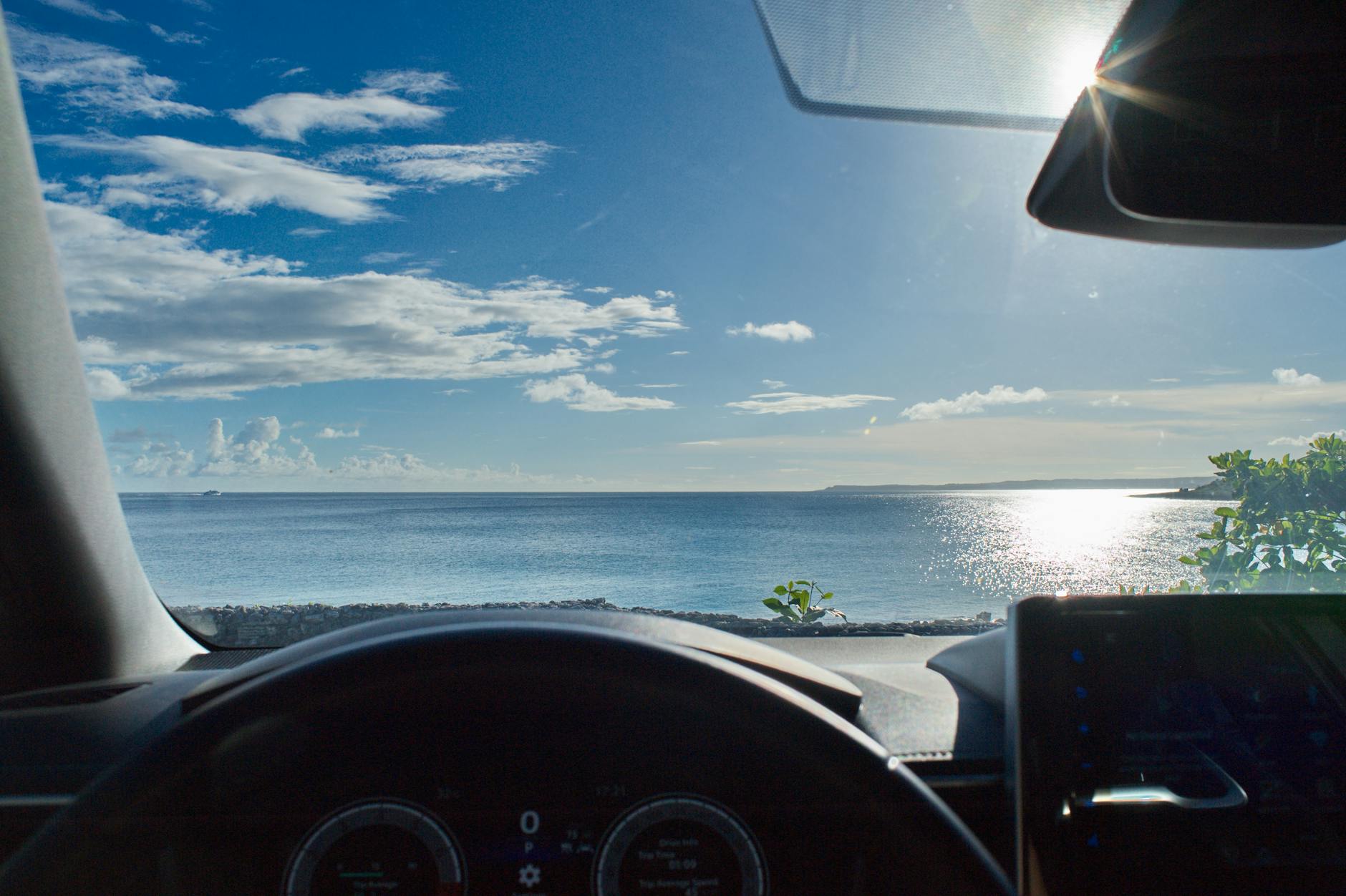
Guam may be small, but its coastal roads feel endless. I spent a week circling the island in a compact rental, stopping at hidden beaches, WWII relics, and roadside stalls that only locals seem to know. The best way to see it all is to drive with the windows down, a cooler of drinks, and a loose itinerary.
Section 1: Tumon to the West Coast, First Impressions
I kicked off the trip from Tumon, the tourist hub where most hotels sit. After checking out of my resort, I grabbed the keys from the rental desk, a Toyota Yaris, $45 a day plus $12 for insurance, unlimited mileage. The car felt light on the island’s narrow streets, and the GPS was surprisingly accurate despite occasional “road closed” alerts.
The drive out of Tumon onto Marine Corps Drive (Highway 1) is a gentle climb with ocean on one side and jungle on the other. I stopped at the Agana Shopping Center for a quick coffee; a local espresso costs about $2.50 and the barista handed me a paper map that turned out to be more useful than my phone’s signal.
Leaving the city, the road widens near the Paseo de Susana overlook. The view of the reef is crystal clear on a calm morning, and the wind makes the palm fronds sway like a movie set. I pulled over at the small parking lot, paid a $1 fee, and snapped a few photos before continuing.
The first real coastal stretch is at Cabras Island, a short detour off the main highway. The sand there is powdery, and the tide pools are teeming with tiny crabs. I waded in for about ten minutes, then refueled at the gas station, $4.30 per gallon, a price that feels cheap compared to the mainland.
By late afternoon, I reached the village of Hågat (Agat), where the war memorial sits on a hill. The entrance fee is free, but there’s a small donation box for maintenance; I dropped in $2. The quiet of the place made the day’s driving feel worthwhile.
Car rental: $45/day, $12 insurance, unlimited mileage.
Fuel: $4.30/gal, average 30 mpg, budget $30 for the loop.
Parking fees: $1-$2 at most beach lots.
Best time to start: early morning to avoid traffic in Tumon.
Essential snack: fresh banana from roadside stalls, $0.50 each.
Section 2: Ritidian Point, The Northern Tip
From Agat, I followed Highway 1 northward, the road hugging cliffs that drop into the Pacific. The speed limit drops to 35 mph near the village of Yigo, and there are frequent “cattle crossing” signs, I saw a lone water buffalo ambling across the road twice that day.
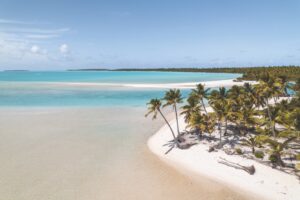
At the turnoff for Ritidian Point, a small wooden sign warns of “no vehicles beyond this point.” I parked at the lot (free) and walked the 1.2‑kilometer trail to the beach. The sand is whiter than any other spot on the island, and the water is a deep turquoise that almost looks artificial.
The beach is part of the Guam National Wildlife Refuge, so there’s a $5 entrance fee collected at the ranger station. I paid in cash, and the ranger handed me a brochure that listed nesting sites for the endangered Mariana fruit bat, a detail most tourists miss.
While I was there, a group of local schoolchildren were doing a marine clean‑up. They handed me a reusable water bottle, which I filled at a nearby tap, free and chilled. The sense of community made the remote spot feel welcoming.
After a quick swim, I headed back to the car, but not before stopping at the nearby “Talofofo Café” for a slice of coconut cake. It costs $3.75, and the frosting is thick enough to be a dessert on its own. I left a tip of $1, which the owner thanked me for in Chamorro.
Entrance fee: $5 per vehicle at Ritidian Refuge.
Trail length: 1.2 km one‑way, moderate difficulty.
Parking: free lot, fills up by 11 am in summer.
Best month: April to October, less rain, calmer seas.
What to bring: reef‑safe sunscreen, sturdy sandals.
Section 3: Central Coast, Cocos Island and Talofofo
Continuing east from Yigo, the road bends toward the central coast where Cocos Island sits just offshore. I parked at the small dock and bought a half‑day kayak rental for $30. Paddling around the island gave me a close‑up view of the coral walls that are usually hidden from shore.
The water was surprisingly warm, about 82 °F, and the fish were curious. I saw a parrotfish nibbling at a sponge, and a sea turtle glided past the kayak’s bow. The rental shop included a waterproof bag for my phone, which saved it from a sudden splash.
Back on land, I drove south along Highway 1 to Talofofo, where the famous “Talofofo Falls” cascade into a turquoise pool. The entrance fee is $2, and the path down to the viewing platform is a steep set of wooden steps. I slipped once on a wet rock, but the railing held firm.
Near the falls, there’s a small market that sells “tatiyas”, flat rice cakes wrapped in banana leaves. One costs $1.20, and the vendor offered a free sample of the accompanying soy sauce. It was salty, a perfect complement to the sweet fruit juices I’d been drinking.
I ended the day at the “Fish Eye Marine Park” where a glass‑bottom boat tour costs $25 per person. The guide pointed out a school of barracuda and a shy octopus hiding in a crevice. The boat ride lasted 45 minutes, and the crew handed out reusable bags for any souvenirs.
Kayak rental: $30 for 4 hours, includes life jacket.
Falls entrance: $2 per person, free parking.
Food tip: try tatiyas with soy sauce, $1.20 each.
Boat tour: $25, lasts 45 minutes, departs at 2 pm.
Safety: wear reef‑safe sunscreen to protect marine life.
Section 4: Southern Loop, Inarajan and War Memorials
Leaving Talofofo, I turned onto Highway 2 heading southwest. The road narrows and the signage becomes more sparse, but the scenery improves dramatically. Coconut palms line the highway, and occasional roadside stands sell fresh papaya for $0.75 each.
The first stop was the village of Inarajan, where the “Inarajan Natural Pool” offers a calm lagoon perfect for a quick dip. There’s no fee, but a small “donate what you can” box sits near the entrance; I dropped in $2. The water is shallow near the edge, deepening to about six feet in the center.
A short drive later, I reached the “War in the Pacific National Historical Park” at Asan Bay. The visitor center is free, and the park’s self‑guided audio tour runs on a loop for $3 per headset. The stories of the 1944 battle are vivid, and the view of the bay at sunset is unforgettable.
While exploring the park, I found a small souvenir shop that sold handmade shell necklaces. Each costs $8, and the vendor explained that the shells are harvested sustainably. I bought one for my sister; she loved the tiny piece of Guam she could wear.
The final leg of the loop took me back toward the east coast, where the road hugs the shoreline near the “Cocos Lagoon.” I stopped at a roadside “food truck” that served “kelaguen”, a spicy chicken dish. The plate was $7, and the owner let me try a bite before I ordered, which I appreciated.
Inarajan pool: free, suggested donation $2.
Historical park: $3 for audio guide, free entry.
Souvenirs: shell necklaces $8, locally made.
Food truck: kelaguen $7, try a sample first.
Driving tip: watch for slow cattle on rural roads.
Section 5: Practical Tips for the Guam Road Trip
The island’s roads are well‑paved, but they can be windy and narrow in places. A compact car is ideal; larger SUVs struggle on the tight turns near the villages. Always keep a paper map in the glove compartment, GPS can drop signal near the cliffs.
Fuel stations are spaced about 15 miles apart, so it’s wise to fill up when you can. Most stations accept credit cards, but a few rural pumps only take cash, so carry some local dollars (about $20 should cover a few stops). The price per gallon fluctuates, so check online the night before.
Pack a small cooler with water and snacks; convenience stores charge $1.50 for a bottle of water, but buying a 2‑liter jug for $2.00 saves money and reduces plastic waste. A handful of mixed nuts and a banana keep energy levels steady during the longer drives.
If you plan to stop at beaches, bring reef‑safe sunscreen (look for “biodegradable” on the label) and a reusable towel. Some beach parking lots charge a small fee, but most are free. Arriving early helps you snag a spot before the locals claim the best shade.
Finally, respect the local culture. Chamorro greetings (“Håfa adai”) are appreciated, and a simple “ma’å’åse” (thank you) goes a long way. Many small businesses are family‑run, so tipping 10 % is a nice gesture, especially