Guam Travel Guide: Beaches, Chamorro Culture & Island Adventures
pranav
–
September 16, 2026
Guam feels like a secret that’s been waiting for the right moment to be discovered. I spent ten days hopping from the sun‑baked sands of Tumon to the quiet hills of the north, and every day offered something new, a sunrise that turned the sea pink, a market stall selling freshly grilled kelp, a jeep trail that rattled through World War II relics. If you’re planning a trip, think of the island as a mix of easy‑going beach vibe and surprisingly rugged adventure, all wrapped in a culture that’s half Spanish, half Pacific, and wholly unique.
Getting There and Getting Around
The main gateway is Antonio B. Won Pat International Airport in Tamuning. Flights from the West Coast land in the early afternoon, which gives you a few hours to rent a car before sunset. I chose a midsize sedan for $45 a day, insurance included; the rental desk handed me a map that still had paper‑drawn routes scribbled in red.
If you prefer not to drive, the island’s bus system, called “Chamorro Bus”, costs $2 per ride and runs every 30 minutes on the main thoroughfares. The downside is the schedule can be erratic on weekends, especially when locals head to family gatherings. Taxis are plentiful in Tumon; a ride to the historic village of Hagåtña is about $30, and drivers will gladly stop for a quick photo at the latte stone park.
Rental car: $45/day (insurance often required)
Chamorro Bus: $2 per ride, cash only
Taxi to Hagåtña: ~$30 one‑way
Parking in Tumon: free street parking, $5‑$7 per day in lots
Airport Wi‑Fi: free, but speed can be slow
Beaches That Feel Like Home
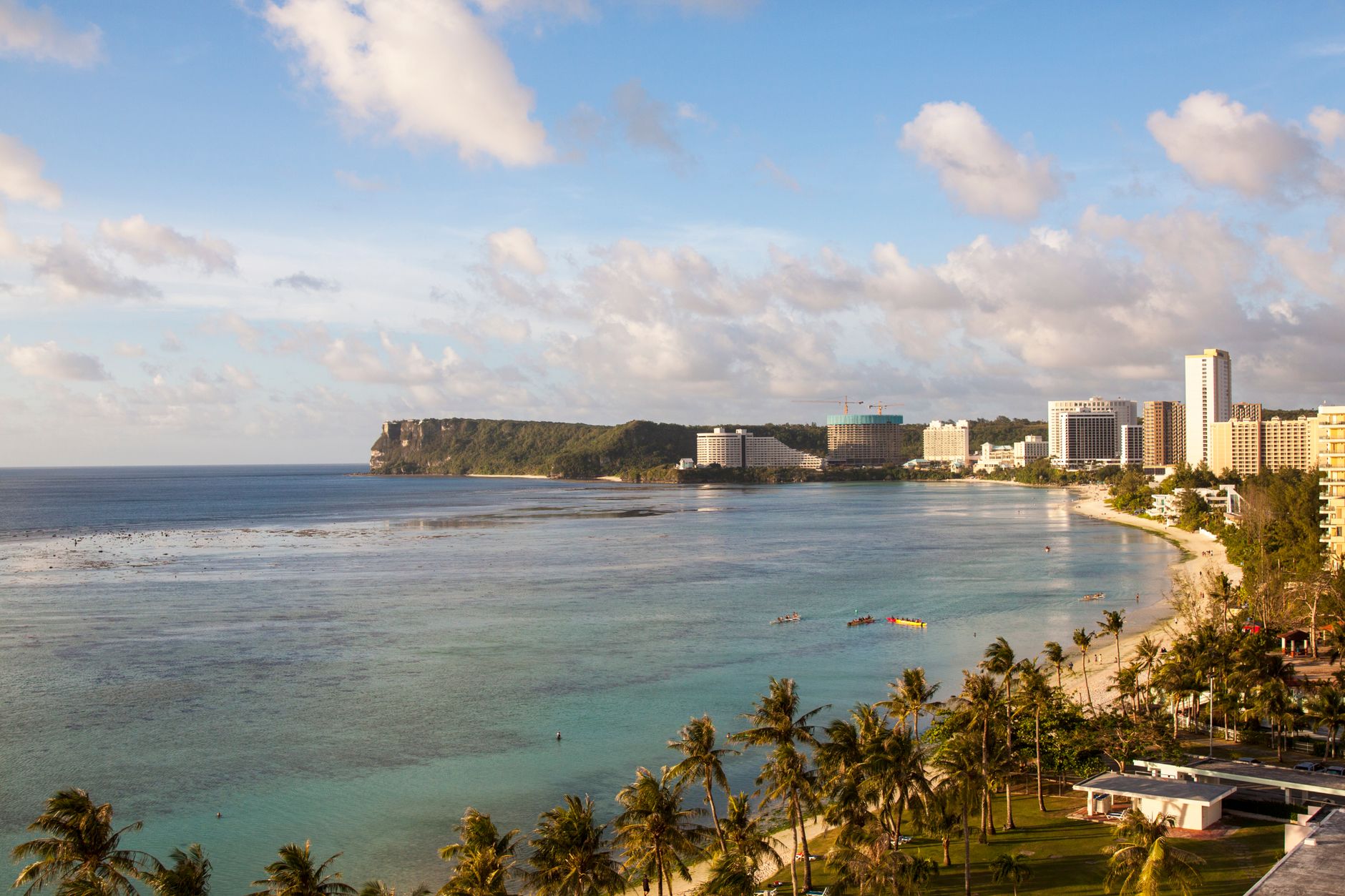
Tumon Beach is the first stop for most visitors, and for good reason. The sand is soft, the water is calm, and the shoreline is lined with palm‑shaded cafés where you can grab a smoothie for $5. I liked to rent a stand‑up paddleboard for $20 a day; the rental shop gave me a quick lesson and then let me drift out toward the reef.
If you want fewer crowds, head north to Ritidian Point. The entrance fee is $3 for adults, and you’ll need to show a photo ID. The beach there is wilder, waves crash against volcanic rock, and you can sometimes spot sea turtles nesting in the early evening. Bring water and sunscreen; there are no vendors, and the nearest restroom is a short walk away.
On the southern side, Talofofo Beach offers a different vibe. The sand is a bit coarser, and a local family runs a small snack stand selling “tati” (coconut candy) for $1. I tried the fresh fish tacos from a beachside grill, $8 for a plate, and the fish was caught that morning.
Tumon Beach: free access, paddleboard $20/day
Ritidian Point: $3 entry, bring ID, no vendors
Talofofo Beach: fish tacos $8, coconut candy $1
Snorkel gear rental: $15 for half‑day
Sunset timing: late June around 6:45 pm
Chamorro Culture in Everyday Life
The best way to feel the island’s pulse is to wander through the market in Hagatña on a Saturday morning. Stalls spill over with fresh guava, banana leaf-wrapped pork, and hand‑woven “pina” blankets. I bought a small bag of “kelaguen” (marinated seafood) for $6 and ate it right there, the lime hitting the palate like a burst of sunshine.
Don’t miss the Plaza de España, a short walk from the market. The stone walls and the old governor’s palace have been restored, and the free guided tours run every hour. The guide, a retired teacher named Rosa, told us about the 1944 liberation and the latte stones that mark ancient village sites.
If you have time, catch a performance at the Guam Cultural Center. Tickets are $10 for adults, and the show includes a dance troupe wearing bright, feathered costumes. The rhythm of the “cha-cha” drums stayed with me long after the lights went down.
Hagatña market: opens 7 am, best for fresh fruit
Plaza de España tours: free, hourly
Guam Cultural Center: $10 ticket, shows at 7 pm
Local currency: US dollars, tips optional but appreciated
Language tip: “Håfa adai” means hello
Island Adventures Off the Beaten Path
One afternoon I rented a 4×4 for $70 a day and drove the rugged north‑east coast. The road to Tarzan Falls is a narrow, gravel stretch that winds through banana groves; the waterfall itself drops 30 feet into a clear pool. There’s no lifeguard, so I waded in with my shoes on, cold water, but refreshing after the hike.
A few miles inland lies the War in the Pacific National Historical Park. The visitor center in Agat has a modest entry fee of $5, and the guided trail takes you past gun emplacements and a preserved Japanese bunker. I joined a group of history buffs, and the ranger explained how the island changed hands three times in 1944.
For a more relaxed adventure, try kayaking through the mangroves of the Ypao River. The rental shop in Yigo charges $25 for a two‑hour kit, and they provide a brief safety briefing. Paddling among the tangled roots, I saw a small herd of wild goats on a nearby hill, an unexpected sight.
4×4 rental: $70/day, gravel roads may require high clearance
Tarzan Falls: free, bring water shoes
War in the Pacific Park: $5 entry, guided tours at 10 am
Kayak Ypao River: $25 for 2 hours, life jacket included
Wild goats: often seen near Yigo hills
Practical Tips for a Smooth Stay
The climate is tropical, so pack light clothing, a hat, and a reusable water bottle. I kept a small cooler in the back seat of the rental; buying a 2‑liter bottle of water at a convenience store costs about $1.20, and it’s easy to run out if you’re hiking all day.
Internet can be spotty outside the main hotels. I bought a local prepaid SIM for $20, which gave me 5 GB of data for two weeks, enough for navigation and a few Instagram posts. The SIM works in any unlocked phone, and you activate it at the kiosk in the airport.
Finally, remember that the island observes U.S. federal holidays, but local festivals can shift schedules. The annual Liberation Day parade on July 21 is a massive event; streets close early, and public transport runs on a reduced timetable. If you’re there, plan to stay near the parade route or book a ride‑share in advance.
Pack: light clothing, hat, reef‑safe sunscreen
Water: refillable bottle, $1.20 per 2 L bottle
SIM card: $20 for 5 GB, activate at airport
Holiday note: Liberation Day affects transport
Cash: ATMs widely available, no foreign‑exchange fees
Guam surprised me with its blend of laid‑back beach life and rugged history. Whether you’re chasing waves, tasting kelp chips from a roadside stall, or hiking to a hidden waterfall, the island rewards curiosity. Pack a sense of adventure, respect the local customs, and you’ll leave with stories that feel like they belong to a place you’ve known forever.