





Hawaii Volcanoes: What to Know Before Visiting the National Park
My first sunrise over Kilauea’s steaming summit felt like stepping onto another planet. The air was thin, the scent of sulfur sharp, and the park’s quiet was broken only by distant rumble. If you plan to drive the 30‑mile chain of craters, read on, there are a few things that can make the difference between a smooth day and a scramble.
Getting There and Getting Around


The park sits on the island’s southeast side, about a 45‑minute drive from Hilo. The main road, Highway 11, is a two‑lane highway with occasional pull‑outs for photo stops. Expect a few slow‑moving trucks delivering fresh produce to local farms.
Parking at the Kilauea Visitor Center fills up by 9 a.m. during peak season, so I arrived at 7:30 a.m. and grabbed a spot on the left‑hand side near the restrooms. The lot costs $5 for the day; the fee is collected at a small kiosk that only accepts cash or credit cards.
If you’re staying in Hilo, consider the free Hilo-Kilauea shuttle that runs every two hours from the downtown bus depot. The shuttle drops you off at the Volcano Village entrance, but space is limited, I had to book a seat online a week ahead.
- Drive time from Hilo: ~45 minutes, allow extra 15 minutes for traffic.
- Visitor Center parking: $5 per car, cash or card.
- Shuttle service: $2 one‑way, runs every 2 hours, book 48 hours in advance.
- Road conditions: occasional potholes near the Chain of Craters, drive slowly.
- Gas stations: the last one before the park is in Volcano Village, open 6 a.m.-10 p.m.
Entry Fees and Permits
Unlike many national parks, Hawai‘i Volcanoes charges a modest per‑vehicle entrance fee of $30 for a 7‑day pass. The pass is good for all federal lands on the island, so you can pop into the nearby Akaka Falls State Park without paying again.
If you want to hike the less‑traveled Kilauea Iki Trail, you’ll need a backcountry permit. The permit costs $5 and is issued at the Kilauea Visitor Center on a first‑come, first‑served basis. I arrived early, filled out a short form, and got a stamped slip that I kept in my pocket.
Photography permits aren’t required for personal use, but commercial shoots need a separate application and a fee that can run into the hundreds. I once saw a crew with a large crane near the crater rim; they had a special permit posted on their vehicle.
- Vehicle entrance fee: $30 for 7 days, payable at the gate.
- Backcountry hike permit: $5, limited to 20 permits per day.
- Commercial photography: application required, fees start at $200.
- Passes are non‑refundable, but transferable to another vehicle within the same day.
- Discounts: seniors 65+ get $5 off the entrance fee with ID.
What to See: Crater Rim, Chain of Craters, Thurston Lava Tube
The Crater Rim Drive is the park’s main loop, 11 miles of paved road with pull‑outs at every major viewpoint. My favorite stop was the Steam Vents overlook, where steam hisses from the ground like a kettle left on high.
Continuing south, the Chain of Craters Road drops you into a series of lava fields that look like a giant, cracked chessboard. The road ends at Holei Sea Arch, a natural bridge formed when lava met the ocean. I timed my visit for low tide so I could walk to the base without getting soaked.
Inside the park, the Thurston Lava Tube is a short, 0.5‑mile walk from the main road. The tube is dimly lit, and the floor is slick, so wear shoes with good grip. I slipped once, but the guide helped me up and warned me about the occasional drip that can make the path slippery.
- Crater Rim Drive: 11 miles, stops every 0.5 mile, free parking at each viewpoint.
- Steam Vents: best viewed at sunrise, crowds thin before 8 a.m.
- Chain of Craters Road: opens 7 a.m.-5 p.m., closed during heavy rain.
- Holei Sea Arch: tide‑dependent, check local tide charts before planning.
- Thurston Lava Tube: entry $1, requires sturdy shoes, guided tours available.
Safety and Volcanic Activity Updates
Volcanoes are unpredictable, so the park’s website posts hourly alerts. During my visit, the alert level was “Watch,” meaning lava could shift without warning. I kept the park’s radio frequency tuned in my car; the ranger’s voice crackled in every few minutes.
If you venture onto the Kilauea Iki Trail, stay on marked paths. The ground can be thin, and a sudden fissure can open beneath you. I saw a fresh crack about a foot wide near the midway point, a clear reminder to watch your step.
Gas masks are not required for casual visitors, but a simple N‑95 respirator can make breathing easier near the steam vents. I bought a pack of three at a souvenir shop for $4 each; they fit comfortably over a face mask and lasted the whole day.
- Check alert level on the park’s website before departure.
- Carry a portable radio or use the park’s app for real‑time updates.
- Stay on marked trails; off‑trail hiking is prohibited.
- Bring an N‑95 respirator if you plan to linger near steam vents.
- Emergency contact: park ranger station 808‑985‑6000, 24 hours.
Practical Tips: Gear, Food, Timing
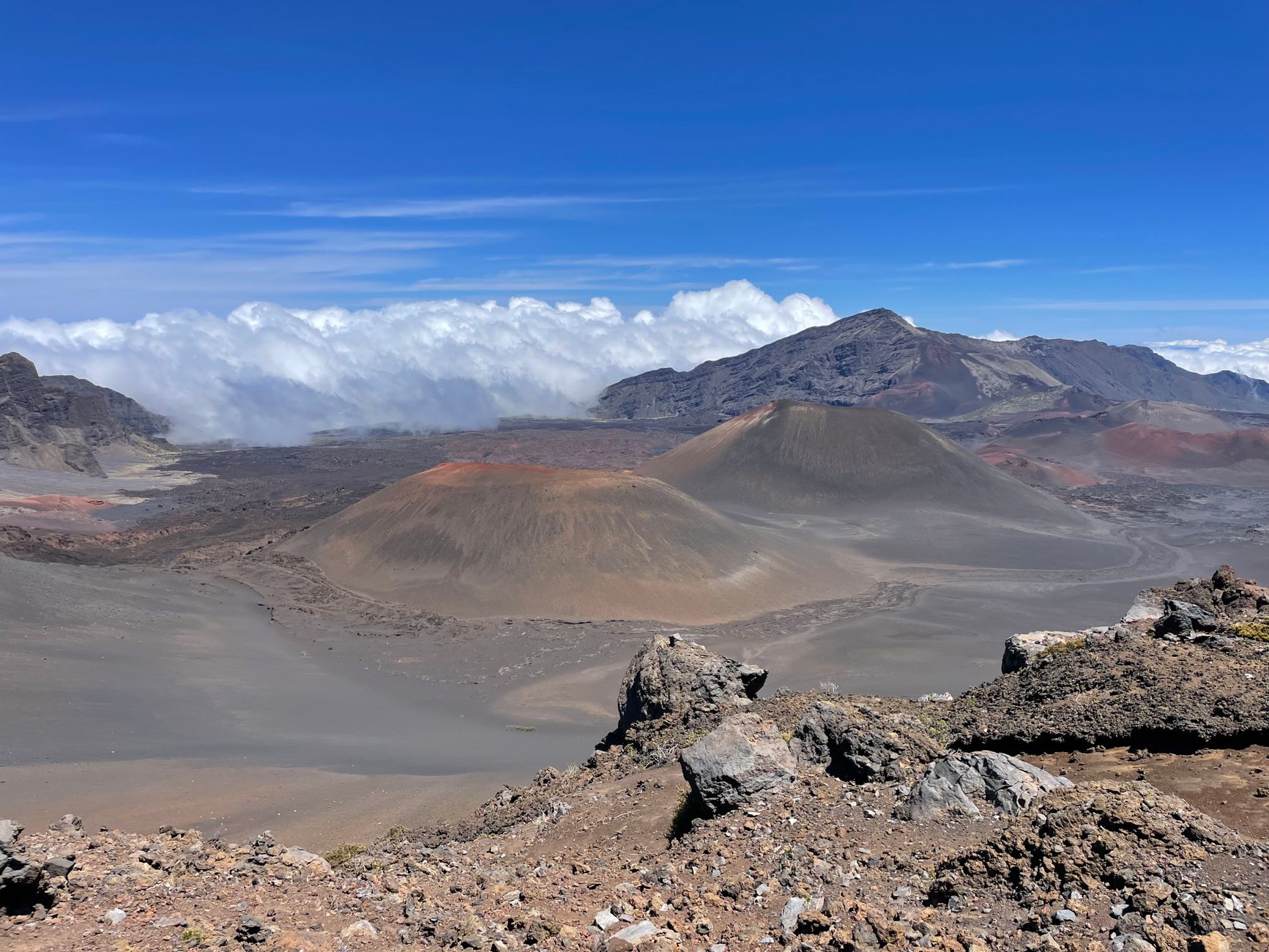
Morning is the best time for photography because the light is soft and the crowds are thin. I arrived at the Jaggar Museum at 6:30 a.m. and found a spot on the concrete steps for a perfect silhouette of the crater.
Pack a reusable water bottle, the park’s water fountains are filtered but can be cold. I refilled three times and still felt thirsty after a half‑day of walking, so I also carried a small 1‑liter insulated bottle.
Food options inside the park are limited to the Volcano House café, where a breakfast plate costs $12. I bought a bag of trail mix and a banana from a local vendor in Volcano Village for $5 total, which saved both money and time.
- Arrive before 8 a.m. for sunrise spots and empty parking.
- Bring a water bottle (minimum 1 liter) and refill at park fountains.
- Snack budget: $5-$7 for fruit and trail mix from Volcano Village.
- Footwear: sturdy hiking shoes with good tread, avoid sandals.
- Sun protection: hat, sunscreen SPF 30+, and sunglasses.
Staying Overnight and Nearby Options
If you want to explore after dark, the park’s campground at Nāmakanipaio offers 30 sites for $15 per night. Reservations are required through recreation.gov and fill up months in advance during summer.
The Volcano House hotel, perched on the rim of the Kilauea caldera, costs about $180 for a standard room in September. I booked a room with a balcony that faced directly over the crater; the glow of lava at night was unforgettable.
For budget travelers, a couple of cabins in Volcano Village rent for $90 per night, including a shared kitchen. The cabins are a short 10‑minute walk from the park entrance, and the host provides a map of lesser‑known trails.
- Campground fee: $15 per site, 4‑person max, fire pits available.
- Volcano House: $180-$250 per night, rooms with crater views.
- Volcano Village cabins: $90 per night, kitchen shared.
- Reservations: required 60 days ahead for campground, 30 days for hotel.
- Parking at the campground: free for campers, $5 for day‑visitors.
Hawaii Volcanoes National Park is a place where the earth’s raw power meets a surprisingly human scale. With a little planning, checking alerts, grabbing a permit, and packing the right gear, you can experience the drama of an active volcano without the hassle. I left the island with ash on my shoes and a notebook full of sketches, and I’d do it again in a heartbeat.