Kosrae’s Rainforests: Hiking Trails, Waterfalls & Ancient Ruins
pranav
–
September 16, 2026
Kosrae feels like a secret the Pacific keeps to itself. I arrived on a gray‑dawn flight from Guam, the island’s single runway barely a strip of concrete framed by dense greenery, and stepped into a world where the air smells of damp earth and salt.
The island is small, just 110 square kilometers, but it packs a surprising variety of hiking, waterfalls, and stone structures that date back centuries. Below is my practical guide, built from three days of trekking, a couple of guided tours, and a lot of trial and error with rain gear.
Getting There and Getting Around
The only commercial gateway is Kosrae International Airport (KSA), served by United and a few regional carriers. Flights from Honolulu land around 10 am, and the terminal is a single room with a small souvenir shop and a coffee stall that serves a surprisingly strong brew.
From the airport, the most reliable way to reach the main towns is a shared taxi that costs about $12 each way. The driver will wait while you load a couple of daypacks, then drop you off at either Tofol (the capital) or the small coastal village of Lelu, where most trailheads begin.
If you plan to hop between multiple trailheads, renting a 4‑wheel‑drive vehicle is worth the $70 per day rate. The roads are narrow, paved with crushed coral, and often slick after an afternoon shower. A local driver’s license is accepted, but bring an International Permit just in case.
Flight from Honolulu: $450-$600 round‑trip, 2 h 15 min.
Airport taxi: $12 each direction.
Car rental (4WD): $70/day, includes basic insurance.
Fuel: $1.10 per liter, tanks are small so fill up in Tofol.
Parking at trailheads: free, but some require a $5 park entry fee.
Lelu River Trail, A Walk Through the Jungle
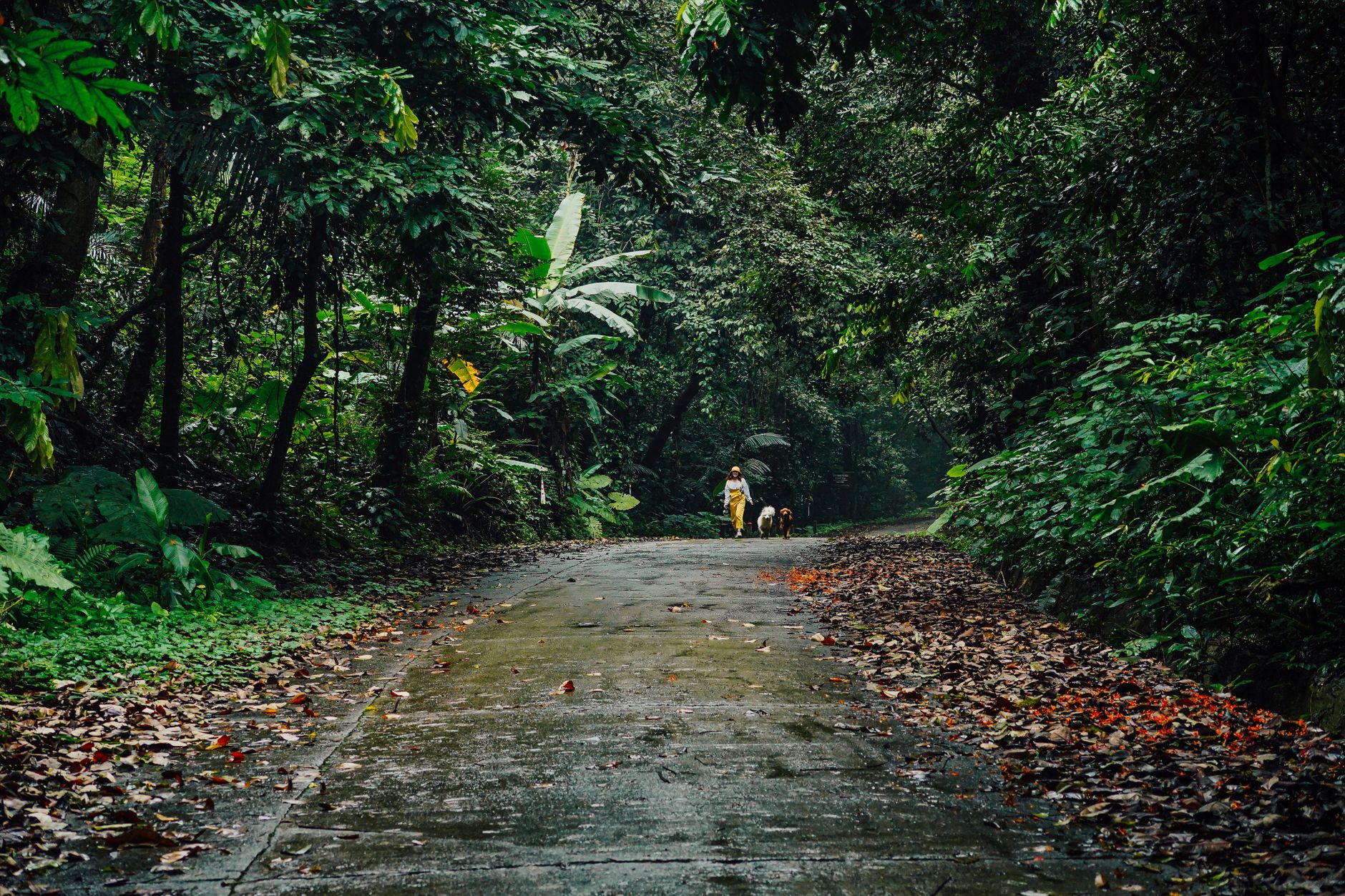
The Lelu River Trail starts a few minutes’ walk from the historic Lelu ruins. The path is marked by low wooden stakes, and the first half follows a flat, moss‑covered boardwalk that feels like a nature museum exhibit.
After about 45 minutes the trail climbs gently onto a ridge that offers a view of the river winding through the valley. I stopped at a small clearing to refill my water bottle from a clear spring; the water tasted mineral and was safe to drink after a quick filter.
The round‑trip takes roughly 2 hours, and the whole thing can be done without a guide if you’re comfortable with basic navigation. The biggest challenge is the humidity; I found that a lightweight rain jacket and quick‑dry socks saved me from blisters.
Length: 3.2 km round‑trip.
Difficulty: Easy to moderate, some uneven boardwalk.
Best time: Early morning, before the heat builds.
Entry fee: $5 per person at the Lelu visitor center.
What to bring: Rain jacket, insect repellent, reusable water bottle.
Finkol River Trail and Waterfalls, A Wet Adventure
If you want a waterfall that actually drops into a pool you can swim, head to the Finkol River Trail. The trailhead is a 20‑minute drive north of Tofol on a paved road that ends at a small parking lot with a single wooden sign.
The first kilometer is a steep climb through dense fern thickets; I slipped once on a slick rock but a sturdy pair of trekking poles kept me upright. At the 1.2 km mark, the trail opens onto a viewpoint overlooking the Finkol Falls, a 30‑meter cascade that thunders into a turquoise basin.
Swimming is allowed, but be aware that the pool is cold, about 18 °C even in July. I hired a local guide for $30 for the afternoon; he pointed out edible fruit trees and warned me about a hidden log that can be a tripping hazard at low tide.
Length: 4.5 km round‑trip.
Difficulty: Moderate, steep sections.
Waterfall pool temperature: 18 °C (64 °F).
Guide fee (optional): $30 for 2 hours.
Tip: Pack a dry bag for electronics; the spray can reach 10 m.
Lelu Ruins & Stone Walls, Walking Among Ancient Builders
The stone platforms at Lelu sit on a limestone outcrop that rises 20 m above the sea. They were built around the 12th century by a Micronesian culture that left no written records, so every step feels like a mystery.
I arrived with a local guide named Maku, who charged $25 for a two‑hour walk and shared stories that had been passed down through his family. He explained how the walls were constructed without mortar, using precisely cut coral blocks that fit together like a puzzle.
The site is open from 8 am to 4 pm, and entry is $5. There is a small museum near the entrance where you can see artifacts such as stone adzes and carved wooden bowls. The museum’s air‑conditioning is a relief after the trek, but the power flickers sometimes, so bring a flashlight.
Opening hours: 8 am-4 pm daily.
Admission: $5 per adult, $2 for children under 12.
Guide fee: $25 for a two‑hour tour.
Must‑see: The central platform with its stone altar.
Photography: Allowed, but no flash inside the museum.
Practical Tips, Gear, and When to Go
Kosrae’s climate is tropical, with a wet season from November to March. The rain can be heavy but brief, turning trails muddy in minutes. I found that a waterproof backpack cover and zip‑lock bags for snacks saved a lot of hassle.
The island’s electricity is 120 V, 60 Hz, and most accommodations provide only two outlets per room. I carried a compact 10,000 mAh power bank and a universal travel adapter; it kept my phone alive for navigation and photo uploads.
Accommodations range from basic guesthouses ($80 per night for a double room) to a single resort that charges $250 for a beachfront bungalow with breakfast. Booking ahead is advisable, especially if you want a room with a sea view; the island’s internet can be spotty, so confirm your reservation by email.
Rain gear: Pack a breathable jacket, not a heavy coat.
Footwear: Sturdy trail shoes with good grip; sandals are fine for the beach but not the hikes.
Food: Bring high‑energy snacks; local markets sell fresh fruit but prices rise after noon.
Cash: Most places accept only US dollars; bring $200 in small bills for tips and park fees.
Health: Pack basic anti‑diarrheal meds; tap water is not always safe to drink.
Kosrae may not have the crowds of larger Pacific islands, but that also means fewer amenities. The local people are friendly, and a simple “mahalo” (thank you) goes a long way. If you respect the trails, the rain, and the cultural sites, the island rewards you with quiet beauty that stays with you long after you leave.